
SPECIAL PROMOTION — Up to 40% off across many product groups, until 31 December 2026 · Click to see all promotion itemsIFM, Sensor, Automation SystemMeasuring / Testing InstrumentsTemp Indicator, Control, T/C, RTD, TimerHeater, SCR Control, Solid State, Power Supply, Control CabinetField Measuring Instruments, Pressure Gauge, Level Control, Flow MeasurementEMC, Pneumatic, Solenoid ValveInspection Test Lamp, Head Light, Automotive Measuring InstrumentWeighing Scales, Marking Machine, PrintersEducational Training SystemsHot Line Tools & Equipment SPECIAL PROMOTION — Up to 40% off across many product groups, until 31 December 2026 · Click to see all promotion itemsIFM, Sensor, Automation SystemMeasuring / Testing InstrumentsTemp Indicator, Control, T/C, RTD, TimerHeater, SCR Control, Solid State, Power Supply, Control CabinetField Measuring Instruments, Pressure Gauge, Level Control, Flow MeasurementEMC, Pneumatic, Solenoid ValveInspection Test Lamp, Head Light, Automotive Measuring InstrumentWeighing Scales, Marking Machine, PrintersEducational Training SystemsHot Line Tools & Equipment View promotion items View all
Radiation Monitor
What is a Radiation Monitor?
A radiation monitor is a device used to ensure the safety of individuals and the environment, especially in high-risk situations. It works by using sensors that are sensitive to radiation, detecting and converting received radiation energy into electrical signals before processing and displaying results. The unit of measurement can be Sievert (Sv) or Gray (Gy). It can detect various types of radiation such as gamma rays (Gamma Rays), X-rays (X-rays), beta particles (Beta Particles), and alpha particles (Alpha Particles).
Types of Radiation Monitors
- Gamma Radiation Detectors are used to detect high-energy gamma rays.
- Beta Radiation Detectors are used to detect low-mass, low-energy beta particles.
- Alpha Radiation Detectors are used to detect heavy, low-energy alpha particles.
- X-ray Radiation Detectors are used to detect X-rays used in medical and industrial applications.
Use of Radiation Monitors in Industries
- Used for monitoring and controlling radiation levels in nuclear industry plants.
- Used in hospitals and clinics for medical diagnostic and therapeutic radiation use.
- Used to check radiation levels in space for the aerospace industry.
- Used to monitor radiation levels in mines with radioactive materials for the mining industry.
Famous Brands of Radiation Monitors
- Fluke Biomedical, a medical equipment manufacturer known for high-quality radiation detectors.
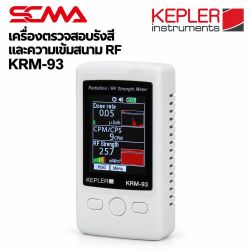
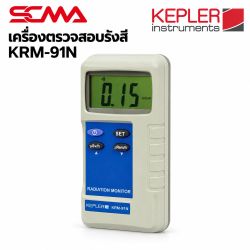
- KEPLER INSTRUMENTS, offering a wide range of products with high quality and reliability.
- Ludlum Measurements, specializing in portable and benchtop radiation detectors.
- Mirion Technologies, renowned for producing high-quality radiation detectors widely accepted across the industry.
- Thermo Fisher Scientific, known for its reputation in radiation detectors and other scientific equipment.
This website uses cookies
We use cookies to make the site work properly, to understand how it is used, and to show content that is relevant to you. You choose which types to allow; strictly necessary cookies are always on. Privacy Policy
🤖 AI Assistant
Ask about products, specs and replacement models
Hello 👋 Ask us anything — find products, compare specs, or troubleshoot.
🗑 Clear history