
Torque Tester
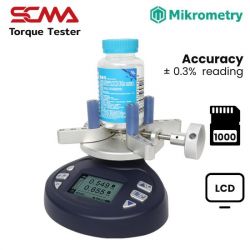 Mikrometry ECT2 : Bottle Cap Torque TesterSpecial Price THB 50,800.00 Regular Price THB 63,500.00
Torque Tester (Torque Tester)
A torque tester, or Torque Tester, is a crucial quality control tool that accurately measures and calibrates torque values. It is suitable for checking various tools such as torque wrenches, electric screwdrivers, and tightening equipment in production lines. At SCMA, we offer high-quality torque testers from leading global brands, along with a team of expert engineers to provide consultation and help you choose the right Torque Machine that meets your production standards.
What is a Torque Tester?
A torque tester or Torque Tester is an instrument designed to measure and check torque values generated by rotation. It functions as a signal converter that transforms torque into measurable electrical signals accurately. If you ask what a Torque Meter is, it's a tool with a significant role in quality control, especially for calibrating tools and ensuring compliance with production standards. This helps ensure the accuracy and safety of manufacturing processes.
Benefits and Usage of Torque Tester
Torque testers are important in various aspects, enhancing efficiency and accuracy in manufacturing processes as follows:
Torque Tool Calibration
Used to check the accuracy of torque-related tools such as torque wrenches, electric screwdrivers, air screwdrivers, and Nutrunners to ensure they meet standards. This helps reduce errors and extend equipment lifespan.
Checking Standard Torque Values
Digital torque testers check if set torque values comply with production standards by comparing measured values against specified standards, controlling product quality and reducing defects from improper tightening.
Customized Torque Settings
Used to set and adjust torque for pneumatic screwdrivers, automatic electric screwdrivers, and check pneumatic torque accurately with a torque tester. Suitable for high-quality control industries such as automotive, electronics, and aerospace that use automated systems like servo motors
Key Features of Digital Torque Meter
Digital torque meters are popular in industries due to their prominent features and practical applications, including:
High Accuracy - Accurately measures torque with modern torque machines, reducing errors in assembly processes.
User-friendly Digital Display - Displays torque values clearly and easily for quick and accurate data recording.
Wide Torque Range - Supports measuring torque from low to high levels, covering various screw and bolt sizes.
Data Recording and Analysis System - Records torque values for retrospective checks, trend analysis, and comprehensive QC reporting.
Comprehensive Accessories - Comes with various measuring heads and accessories to cover all types of applications, adjustable as needed.
Mikrometry ECT2 Bottle Cap Torque Tester Product Recommendation
For the food and beverage industry requiring precise bottle cap density checks, SCMA recommends Mikrometry ECT2, a bottle cap torque tester designed for quality control of packaging seals to meet standards.
Special Features of Mikrometry ECT2
Mikrometry ECT2 is a torque tester featuring advanced technology and quality control capabilities, including:
Curve or Digital Display Option - Choose between graph or numeric display for easy data analysis suitable for production line bottle cap opening tests.
Automatic Load Cell Identification System - Automatic load cell recognition system facilitates quick head changes without reconfiguration, saving time during operation.
Professional Level Accuracy - High-precision torque measurement with calibration certificate for standard compliance. Connects via USB or RS232 to PLC systems easily and features low battery warning and charging accessories compatible with US/EUR/UK plugs.
Basic Steps for Using a Torque Tester
Proper use of a torque tester ensures accurate measurements and extends its lifespan. For more information on torque testing, follow these steps:
Preparation Before Use
Turn on the machine and set zero to ensure accurate initial readings. Select torque measurement units that match your workpiece standards, check battery levels and measuring head conditions for readiness, and clean surfaces in contact with the measuring head to prevent contamination.
Measuring Torque Values
Attach the tool to be tested securely onto the torque meter's measuring head, then operate normally until completion. Observe displayed values and wait for them to stabilize before recording; measure at least three times for reliable average results.
Reading Results and Data Recording
Record the highest value shown on the display for comparison with set standards. If measured torque values fall outside acceptable ranges, recalibrate or adjust tools accordingly; export data to computers or quality management systems for analysis and reporting.
Precautions and Maintenance
Proper maintenance extends the lifespan of a torque tester and preserves its accuracy. Consider these precautions:
Avoid Overloading - Do not exceed maximum torque limits as this may damage sensors, reducing accuracy.
Proper Storage Conditions - Store in dry areas away from high humidity and vibrations to prevent damage.
Frequent Calibration - Send the machine for calibration at least annually, especially for frequently used or highly accurate machines which should be calibrated more often.
Comprehensive Torque Tester Services from SCMA
SCMA is not just a torque tester supplier but your technical partner throughout the process. With over 40 years of experience in automation and measurement systems, our expert engineers provide consultation on selecting appropriate torque measuring tools, including calibration and maintenance services according to international standards, proper training for using torque meters, and post-sales support to ensure accurate measurement systems.
Summary
Choosing the right torque tester is crucial for ensuring accuracy and safety in manufacturing processes. SCMA Company Limited offers reliable partnerships with high-quality torque testers from leading global brands like Mikrometry ECT2, suitable for food and beverage industries, along with comprehensive services including consultation, calibration, training, and maintenance to elevate your torque measurement standards globally.
Frequently Asked Questions
How does a Torque Tester differ from a Torque Wrench?
A torque tester is used to test and calibrate the accuracy of other tools like torque wrenches, while a torque wrench is used for tightening workpieces with specified torque values. A torque meter checks if the torque wrench performs accurately according to set standards.
How often should a Torque Tester be calibrated?
It's recommended to calibrate torque testers at least annually to maintain accuracy per standards. For frequently used or high-accuracy required industries like automotive or aerospace, more frequent calibration is advised according to manufacturer guidelines. Immediate recalibration should occur if measurement values are abnormal.
What torque ranges can a Digital Torque Meter measure?
The measuring range of digital torque meters varies by model and brand, generally covering low to high levels. Choose based on actual usage needs, ensuring the selected meter has an appropriate measurement range that meets your production standards.
🤖 IFM Product Assistant
Ask about products, specs and replacement models
Hello 👋 I can answer your questions about IFM efector products.
Examples:
• What is the replacement model for PN2021?
• Which pressure sensor models cover 250 bar?
Examples:
• What is the replacement model for PN2021?
• Which pressure sensor models cover 250 bar?
🗑 Clear history