
E.MC Pneumatics
E.MC Pneumatics (Pneumatic Components) True Experts in the Pneumatic Industry Behind Over 40 Renowned Brands
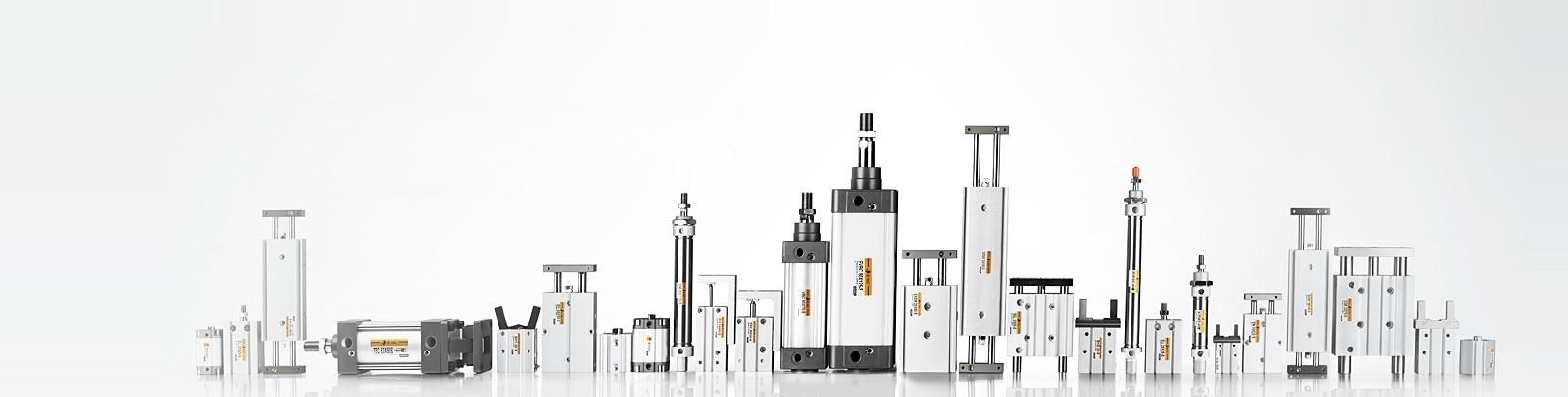
E.MC Pneumatics is a manufacturer and supplier of pneumatic components for industrial automation systems, established in 1986. With a customer-centric approach, E.MC has developed into a leading national technology company with strong research and development capabilities as well as robust production capacity. It has received widespread recognition from numerous top brands across the manufacturing industry.
 |
 |
 |
 |
 |
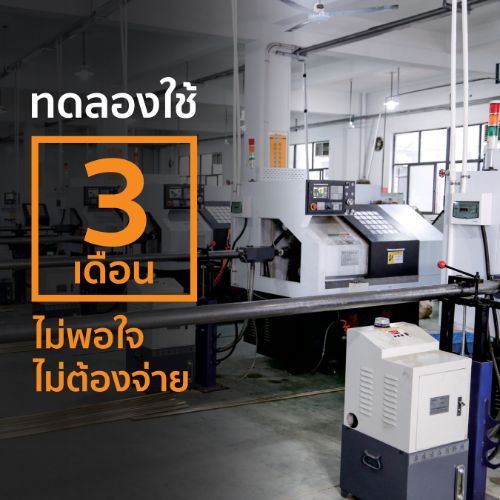 |
With expertise in fluid power and electromechanics, E.MC has established its own dedicated research and development center for pneumatics and automation systems. Continuous advancements in technology, products, engineering processes, and integration solutions have been developed to enhance the value and competitiveness of our customers and partners. This is evidenced by numerous accolades and awards received throughout the company's history.
|
Awards and Certifications
|
 |
SCMA, the official distributor of E.MC in Thailand, offers a wide range of products to meet various industrial needs. We provide training sessions to transfer knowledge about E.MC products and practical usage, helping technicians, engineers, and related personnel select and maintain pneumatic equipment effectively. Upon completion, participants receive certificates suitable for organizations aiming to systematically develop their staff's skills in pneumatics and automation systems. This training is free of charge! Register here
Main Products of E.MC Pneumatics (Pneumatic Components)
|
|
|
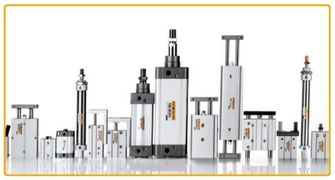
- Pneumatic Cylinders (Pneumatic Actuators) in various sizes and types, such as ISO standard, compact cylinders, guided cylinders
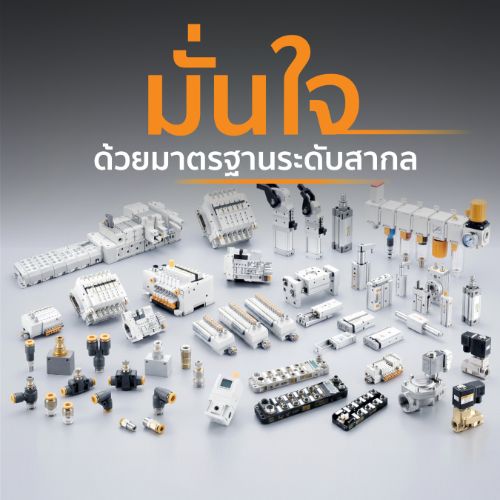
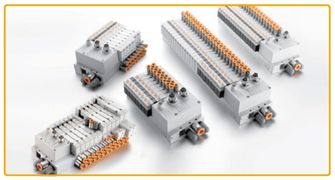
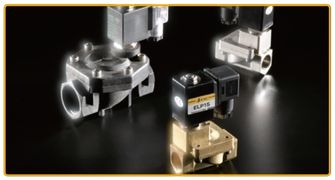
- Solenoid Valves / Directional Valves for controlling air flow direction
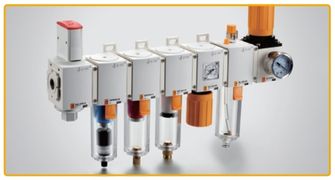
- Air Preparation Units - FRLs (Filter Regulator Lubricator sets) including Filters, Regulators, and Lubricators
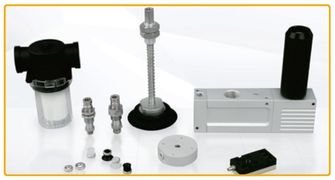
- Vacuum Components such as Vacuum Generators
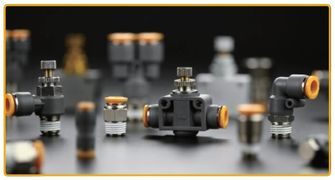
- Other accessories like Connectors, Hoses, and Silencers
|
|
|
|
|
|
|
|
IO-Link Pressure Switch |
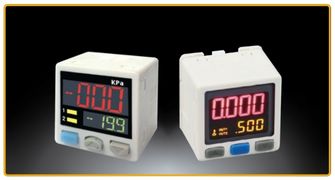
Browse the E.MC Pneumatics Catalog Click here
Browse the E.MC Pneumatics Catalog (English Version) Click here
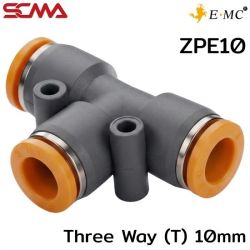 ZPE10 \ Plastic Fitting \ Three Way (T) \ 10mm \ E.MCSpecial Price THB 19.50 Regular Price THB 26.00
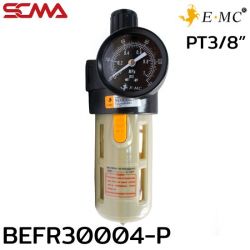 BEFR30004-P \ Air Preparation Unit \ Filter Regulator / PT3/8” \ E.MCSpecial Price THB 427.50 Regular Price THB 570.00
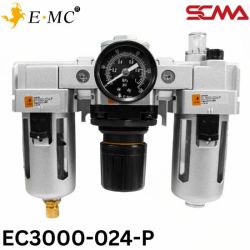 EC3000-024-P \ Air Preparation Unit \ Filter+Regulator+Lubricator / PT1/4” \ E.MCSpecial Price THB 1,245.00 Regular Price THB 1,660.00
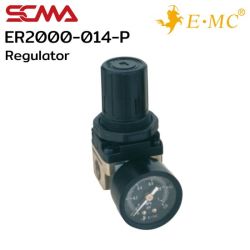 ER2000-014-P \ Air Preparation Unit \ Regulator / PT1/8” \ E.MCSpecial Price THB 337.50 Regular Price THB 450.00
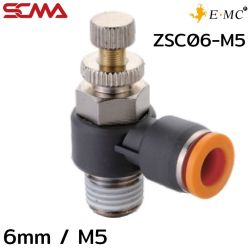 ZSC06-M5 \ Speed Controller \ 6mm / M5 \ E.MCSpecial Price THB 48.00 Regular Price THB 64.00
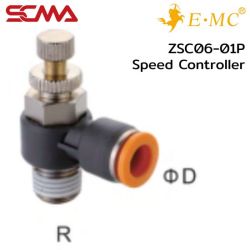 ZSC06-01P \ Speed Controller \ 6mm / PT1/8" \ E.MCSpecial Price THB 48.00 Regular Price THB 64.00
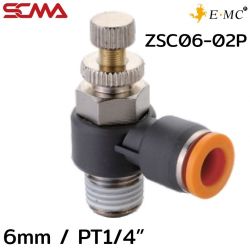 ZSC06-02P \ Speed Controller \ 6mm / PT1/4" \ E.MCSpecial Price THB 54.00 Regular Price THB 72.00
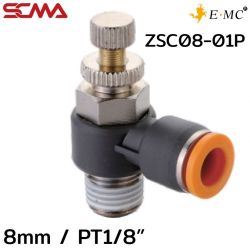 ZSC08-01P \ Speed Controller \ 8mm / PT1/8” \ E.MCSpecial Price THB 48.00 Regular Price THB 64.00
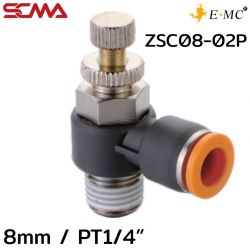 ZSC08-02P \ Speed Controller \ 8mm / PT1/4" \ E.MCSpecial Price THB 54.00 Regular Price THB 72.00
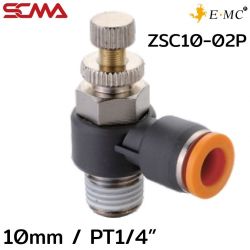 ZSC10-02P \ Speed Controller \ 10mm / PT1/4" \ E.MCSpecial Price THB 57.00 Regular Price THB 76.00
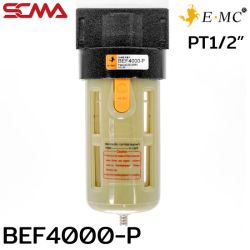 BEF4000-P \ Air Preparation Unit \ Filter / PT1/2” \ E.MCSpecial Price THB 270.00 Regular Price THB 360.00
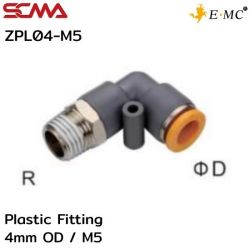 ZPL04-M5 \ Plastic Fitting \ Elbow / 4mm OD / M5 \ E.MCSpecial Price THB 14.00 Regular Price THB 18.00
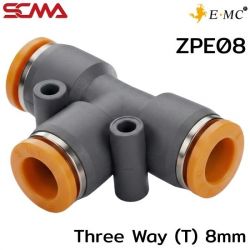 ZPE08 \ Plastic Fitting \ Three Way (T) \ 8mm \ E.MCSpecial Price THB 13.50 Regular Price THB 18.00
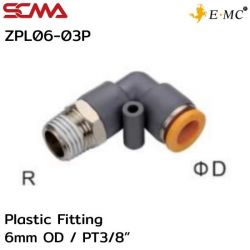 ZPL06-03P \ Plastic Fitting \ Elbow / 6mm OD / PT3/8” \ E.MCSpecial Price THB 21.00 Regular Price THB 28.00
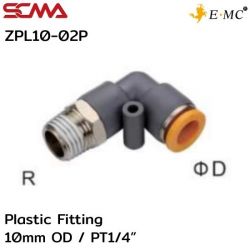 ZPL10-02P \ Plastic Fitting \ Elbow / 10mm OD / PT1/4” \ E.MCSpecial Price THB 24.00 Regular Price THB 32.00
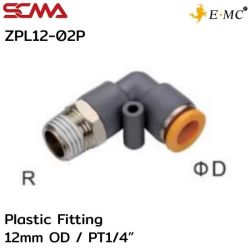 ZPL12-02P \ Plastic Fitting \ Elbow / 12mm OD / PT1/4” \ E.MCSpecial Price THB 32.00 Regular Price THB 42.00
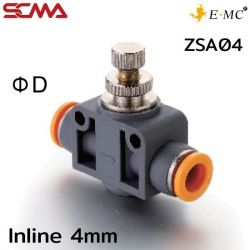 ZSA04 Speed Controller Inline / 4mm E.MCSpecial Price THB 60.00 Regular Price THB 80.00
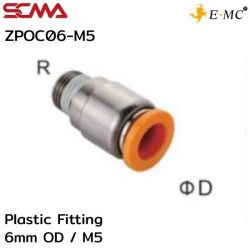 ZPOC06-M5 \ Plastic Fitting \ Straight / 6mm OD / M5 \ E.MCSpecial Price THB 13.50 Regular Price THB 18.00
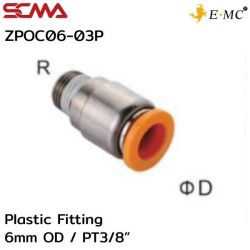 ZPOC06-03P \ Plastic Fitting \ Straight / 6mm OD / PT3/8" \ E.MCSpecial Price THB 21.00 Regular Price THB 28.00
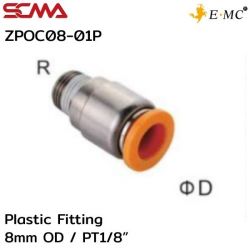 ZPOC08-01P \ Plastic Fitting \ Straight / 8mm OD / PT1/8" \ E.MCSpecial Price THB 15.00 Regular Price THB 20.00
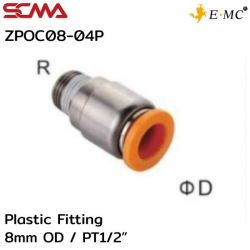 ZPOC08-04P \ Plastic Fitting \ Straight / 8mm OD / PT1/2" \ E.MCSpecial Price THB 33.00 Regular Price THB 44.00
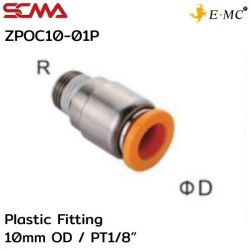 ZPOC10-01P \ Plastic Fitting \ Straight / 10mm OD / PT1/8" \ E.MCSpecial Price THB 21.00 Regular Price THB 28.00
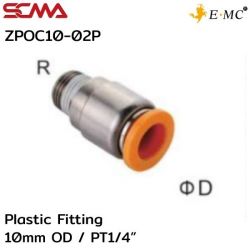 ZPOC10-02P \ Plastic Fitting \ Straight / 10mm OD / PT1/4" \ E.MCSpecial Price THB 21.00 Regular Price THB 28.00
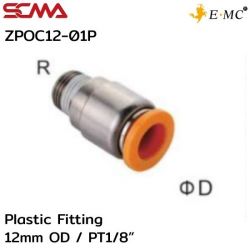 ZPOC12-01P \ Plastic Fitting \ Straight / 12mm OD / PT1/8" \ E.MCSpecial Price THB 24.00 Regular Price THB 32.00
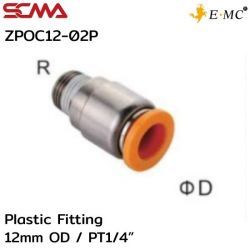 ZPOC12-02P \ Plastic Fitting \ Straight / 12mm OD / PT1/4" \ E.MCSpecial Price THB 27.00 Regular Price THB 36.00
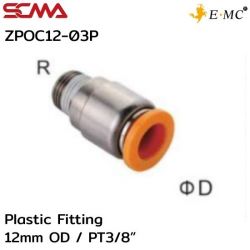 ZPOC12-03P \ Plastic Fitting \ Straight / 12mm OD / PT3/8" \ E.MCSpecial Price THB 28.50 Regular Price THB 38.00
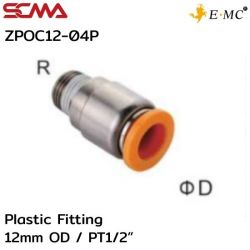 ZPOC12-04P \ Plastic Fitting \ Straight / 12mm OD / PT1/2" \ E.MCSpecial Price THB 34.50 Regular Price THB 46.00
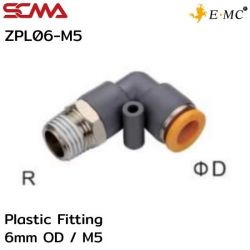 ZPL06-M5 \ Plastic Fitting \ Elbow / 6mm OD / M5 \ E.MCSpecial Price THB 13.50 Regular Price THB 18.00
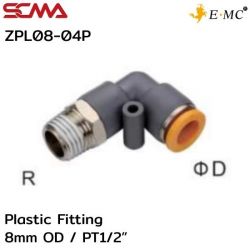 ZPL08-04P \ Plastic Fitting \ Elbow / 8mm OD / PT1/2" \ E.MCSpecial Price THB 30.00 Regular Price THB 40.00
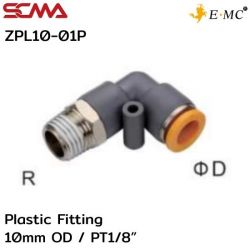 ZPL10-01P \ Plastic Fitting \ Elbow / 10mm OD / PT1/8” \ E.MCSpecial Price THB 24.00 Regular Price THB 32.00
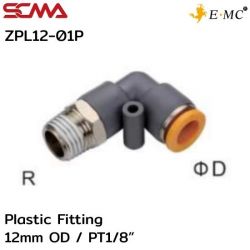 ZPL12-01P \ Plastic Fitting \ Elbow / 12mm OD / PT1/8” \ E.MCSpecial Price THB 28.50 Regular Price THB 38.00
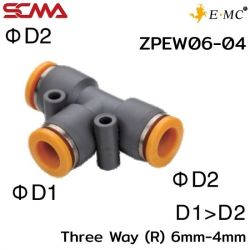 ZPEW06-04 \ Plastic Fitting \ Three Way Reducer / 6mm-4mm \ E.MCSpecial Price THB 16.50 Regular Price THB 22.00
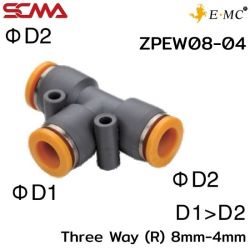 ZPEW08-04 \ Plastic Fitting \ Three Way Reducer / 8mm-4mm \ E.MCSpecial Price THB 16.50 Regular Price THB 22.00
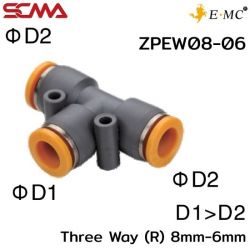 ZPEW08-06 \ Plastic Fitting \ Three Way Reducer / 8mm-6mm \ E.MCSpecial Price THB 16.50 Regular Price THB 22.00
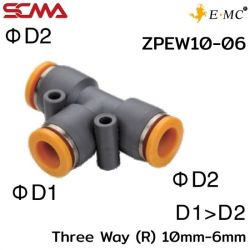 ZPEW10-06 \ Plastic Fitting \ Three Way Reducer / 10mm-6mm \ E.MCSpecial Price THB 22.50 Regular Price THB 30.00
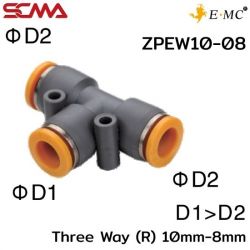 ZPEW10-08 \ Plastic Fitting \ Three Way Reducer / 10mm-8mm \ E.MCSpecial Price THB 21.00 Regular Price THB 28.00
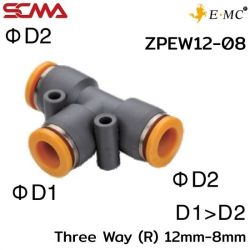 ZPEW12-08 \ Plastic Fitting \ Three Way Reducer / 12mm-8mm \ E.MCSpecial Price THB 25.50 Regular Price THB 34.00
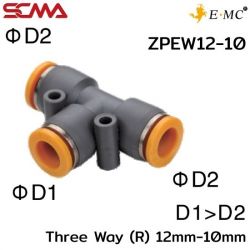 ZPEW12-10 \ Plastic Fitting \ Three Way Reducer / 12mm-10mm \ E.MCSpecial Price THB 25.50 Regular Price THB 34.00
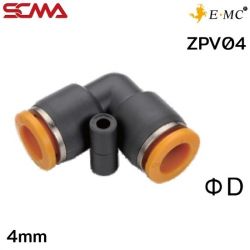 ZPV04 \ Plastic Fitting \ Elbow / 4mm \ E.MCSpecial Price THB 9.00 Regular Price THB 12.00
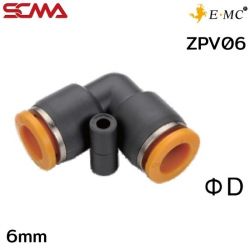 ZPV06 \ Plastic Fitting \ Elbow / 6mm \ E.MCSpecial Price THB 10.50 Regular Price THB 14.00
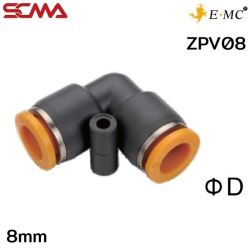 ZPV08 \ Plastic Fitting \ Elbow / 8mm \ E.MCSpecial Price THB 10.50 Regular Price THB 14.00
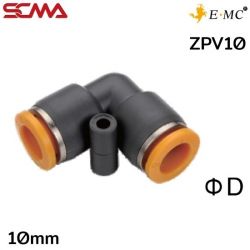 ZPV10 \ Plastic Fitting \ Elbow / 10mm \ E.MCSpecial Price THB 18.00 Regular Price THB 24.00
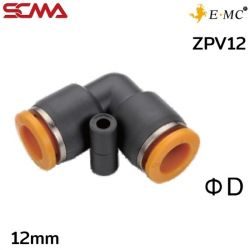 ZPV12 \ Plastic Fitting \ Elbow / 12mm \ E.MCSpecial Price THB 21.00 Regular Price THB 28.00
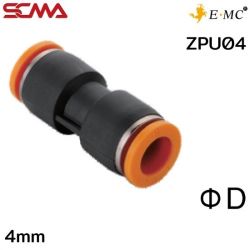 ZPU04 \ Plastic Fitting \ Straight / 4mm \ E.MCSpecial Price THB 9.00 Regular Price THB 12.00
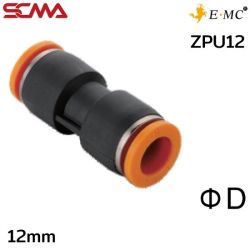 ZPU12 \ Plastic Fitting \ Straight / 12mm \ E.MCSpecial Price THB 16.50 Regular Price THB 22.00
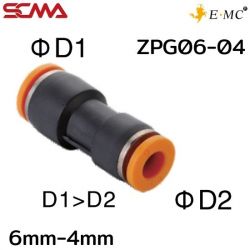 ZPG06-04 \ Plastic Fitting \ Reducer / 6mm-4mm \ E.MCSpecial Price THB 10.50 Regular Price THB 14.00
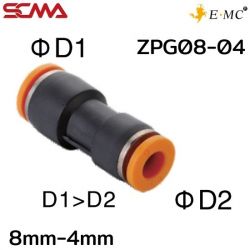 ZPG08-04 \ Plastic Fitting \ Reducer / 8mm-4mm \ E.MCSpecial Price THB 12.00 Regular Price THB 16.00
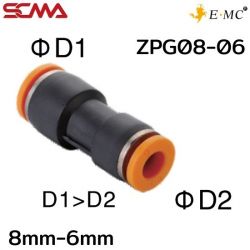 ZPG08-06 \ Plastic Fitting \ Reducer / 8mm-6mm \ E.MCSpecial Price THB 12.00 Regular Price THB 16.00
What is Pneumatic? Complete Working Principle and Components
What is Pneumatic or pneumatics, and why do almost all industrial factories need an air system as the core driving force for machinery? This article will guide readers to understand the basic structure of pneumatic systems from its meaning, working principles, to important equipment that engineers must know in order to design and maintain machines efficiently, reducing unnecessary production downtime. If you require technical consultation or immediate air solutions, contact our engineering teamhere
What is Pneumatic or the pneumatic system?
Pneumatic, also known as a pneumatic system, is technology that converts compressed air (Compressed Air) into mechanical energy to drive machines, mechanisms, or automated equipment in factories. Pneumatic systems are widely popular due to their high safety, cleanliness, and ease of maintenance. The core principle lies in using "air" as the medium for power transmission instead of liquids or electricity. This pneumatic system covers everything from simple air blowing cleaning tasks to complex robotic assembly operations. Read more detailshere
The Meaning and Origin of the Term Pneumatic
The term "Pneumatic" or "Nimatic" originates from the ancient Greek word "Pneuma," which means "breath" or "soul." In modern engineering, pneumatic systems refer to the science dealing with the movement and behavior of air or gas under pressure. It focuses on applying the properties of compression and expansion of air to create driving forces or control mechanisms.
Why are Pneumatic Systems Important in Industry?
Pneumatic systems in industrial applications are like the muscles of automated production lines. Their ability to generate quick (High Speed) and precise force makes pneumatic systems a standard for automotive, electronics, and food industries. Additionally, pneumatic systems are highly safe in explosive risk areas (Explosion-proof) as they do not produce sparks like electrical systems and have no oil leakage risks compared to hydraulic systems.
Basic Principles of Pneumatic System Operation
The operation of a pneumatics system begins with compressing normal air to increase its pressure using an air compressor. This compressed air is then transmitted through air pipes to the working equipment, where it converts pneumatic energy back into linear motion (Linear Motion) via cylinders or rotary motion (Rotary Motion) via air motors. This process relies on Pascal's law and gas laws for continuous power transmission.
Using Compressed Air Energy
Compressed air in the pneumatic system is like a battery that stores energy. When released, the air tries to expand back to atmospheric pressure, and this force is used to push pistons within pneumatic cylinders for movement. The key aspect is precisely controlling the direction and volume of airflow to ensure pneumatic equipment operates at the desired rhythm.
Complete Operation Steps from Start to Finish
The operation cycle of a pneumatic system starts with 1. Air production (Supply) by an air pump and storage in a tank, 2. Quality improvement (Preparation) through filtration and moisture separation, 3. Control via valves to determine airflow direction, 4. Actuation where the compressed air pushes pistons for movement, and 5. Exhausting air back into the atmosphere. These steps must work seamlessly together.
Simple Examples of Operation Found in Daily Life
Apart from factories, pneumatics are also present in daily life, such as bus doors that open and close with air, carpenters' pneumatic nail guns, or height-adjustable chairs using gas shocks, which use similar compressed gas principles. Even the braking system of large trucks uses air to command brakes for massive stopping power.
The Five Main Components of a Pneumatic System You Need to Know
For a pneumatic system to function properly, it requires five main components working together. If any one part is missing or damaged, the efficiency of the system will immediately decrease. Understanding the role of each component helps in accurately and quickly analyzing on-site problems.
1. Air Compressor (Air Source)
The starting point of energy in a pneumatic system is the air compressor or air pump, which draws outside air and compresses it to high pressure (typically around 6-10 bar) before storing it in an air receiver tank for distribution into the system. The size of the air pump must be calculated based on the total amount of compressed air required by all components simultaneously.
2. Air Service Unit (Air Quality Improvement Kit)
Compressed air from the compressor often contains moisture, dust particles, and oil contamination, which are enemies of pneumatic equipment. The Service Unit or FRL (Filter, Regulator, Lubricator) has the job of filtering contaminants, maintaining constant air pressure, and supplying lubricating oil to the system to extend the life of valves and cylinders. Read more about maintenance herehere.
3. Directional Control Valves (Air Flow Control Valves)
The brain of the system is the Solenoid Valve or directional control valve, which determines where air flows to command cylinders to extend or retract. Symbols on pneumatic valves indicate positions and number of ports, such as a 5/2 way valve meaning a five-port two-position valve. Learn more about valves herehere.
4. Actuators (e.g., Cylinders, Air Motors)
The part that converts pneumatic energy into mechanical force is the actuator, with cylinders or air cylinders being the most common type. They come in single-acting and double-acting varieties. The size of the cylinder must be chosen based on the required load and stroke length. For selecting a cylinder suitable for your application, seehere.
5. Air Tubing and Fittings (Tubing and Connectors)
The blood vessels of the system are air tubes or pneumatic tubing, made from polyurethane (PU) or nylon materials that withstand high pressure well. They connect to various components using pneumatic fittings or air connectors designed for easy insertion (one-touch fitting) and effective prevention of leaks.
Clear Comparison: Pneumatic vs Hydraulic Systems
A common question engineers often face is which system to use. The main difference between pneumatic and hydraulic systems lies in the "medium" used for power transmission. Pneumatic systems use compressed air, while hydraulic systems use hydraulic oil. This difference directly affects force, speed, and cleanliness of the work.
Comparison Table (Medium, Force, Speed, Accuracy)
- Medium: Pneumatic uses air (compressible) | Hydraulic uses oil (non-compressible)
- Driving Force: Pneumatic provides low to moderate force | Hydraulic provides massive force (for heavy work)
- Speed: Pneumatic works much faster (High Cycle) | Hydraulic works slower but smoother
- Accuracy: Pneumatic has moderate accuracy (difficult to stop at mid-positions) | Hydraulic is more accurate
Which system should you choose when your work involves…?
If the job requires cleanliness and speed, such as food conveyor belts or picking up electronic components, a pneumatic system is the right choice. However, for heavy metal stamping, lifting several tons of cargo, or machinery that needs massive pressure, a hydraulic system would be more suitable.
Advantages and Disadvantages of Pneumatic Systems
Choosing to use an air-based system requires considering both advantages and disadvantages comprehensively. Although pneumatic systems are popular, they have limitations that need to be managed for maximum efficiency.
Advantages: High Safety, Cleanliness, Fast Response, Low Cost
The standout advantage is safety. Air does not catch fire or explode; if there's a leak, it simply vents into the atmosphere without dirtying the factory floor. Pneumatic equipment has uncomplicated structures that are easy to maintain and repair, parts are readily available, and initial costs are lower than hydraulic or servo-electric systems.
Disadvantages: Lower Force Capability, Less Accuracy Than Hydraulic, Noisy
The limitation is "Compressibility" or the compressive nature of air, making it harder to control speed consistently compared to oil systems. If load changes, the piston speed may fluctuate. Additionally, air venting from valves can be noisy and require silencers for sound reduction. Normal air pressure (6-7 bar) has limitations in generating force when compared to hydraulic systems.
Applications of Pneumatic Systems in Various Industries
Pneumatics plays a crucial role in almost every manufacturing industry, from start to finish. What pneumatic equipment is actually used? The answer varies greatly depending on the specific characteristics of each industry.
Automotive Industry
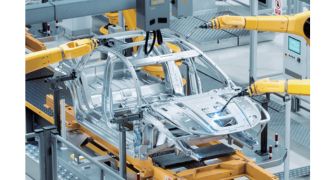
In automobile assembly lines, pneumatic systems are used for part clamping (Clamping), tire lug tightening with air blocks, and air balancers to reduce worker strain. Fast operation helps achieve target cycle times.
Food and Pharmaceutical Industry
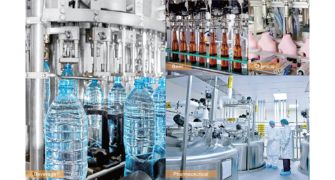
Cleanliness is a matter of life and death; pneumatic equipment is the star in packaging and food processing lines because hydraulic oil leaks that could contaminate products are avoided. Conveyor belt drives, valve opening for ingredient pipelines, all use air as power.
Factory Automation (Automation)
Pick and place machines that pick up parts and put them in boxes or sorting machines use pneumatic cylinders and grippers to work with sensors for quick and accurate sorting.
Medical Equipment
Respirators, dental tools (grinders), and some patient beds use high-precision and sterile pneumatic fittings and small air systems to ensure the highest safety for patients.
Looking for Pneumatics? Think SCMA!
If your factory is looking for high-quality pneumatic equipment or replacement parts such as pneumatic fittings, solenoid valves, or cylinders, SCMA is ready to be your engineering partner. With a complete inventory and expert team providing advice on part matching and on-site problem solving, we ensure that your machinery will return to operation quickly. View all productshere.
Summary
Pneumatics or pneumatic systems are the heart of manufacturing industries that emphasize speed, cleanliness, and safety. Understanding how they work and their components helps engineers and maintenance technicians choose the right equipment and maintain systems for longevity. If you want to enhance production efficiency with high-quality air systems, SCMA is ready to serve you at international standards. Contact us herehere for free consultation.
Frequently Asked Questions
What is E.MC PNEUMATIC?
E.MC PNEUMATIC is a manufacturer and distributor of pneumatic equipment for industrial automation systems, established in 1986. It focuses on efficiency, durability, and stability in use, along with strong R&D and production capabilities.
Is SCMA an E.MC PNEUMATIC distributor in Thailand?
Yes, SCMA is the distributor of E.MC PNEUMATIC equipment in Thailand. You can contact them for advice on selecting specifications that suit your needs and to request a quotation.
What are the main products of E.MC?
E.MC's main products cover comprehensive pneumatic work, such as air cylinders, air valves/solenoid valves, FRL quality air improvement sets, vacuum equipment, and accessories like couplings, hoses, and mufflers.
What types of E.MC air cylinders are available?
There are various models based on usage, such as ISO Standard Cylinders, Compact Cylinders, and Guided Cylinders. They cater to general work, space-limited work, and work requiring navigation/precision.
Why is an FRL set necessary for pneumatic systems?
FRL helps improve air quality before entering the system by filtering contaminants, controlling pressure to be constant, and lubricating oil supply (as needed). This reduces equipment damage issues and extends the lifespan of the system.
What information should I prepare before contacting SCMA for specification selection or quotation request?
It is recommended to prepare information such as the type of equipment needed (cylinder/valve/FRL/Vacuum), existing size or specifications, machine model, air pressure used, and job characteristics (such as stroke/load/speed/environment) for quick advice on suitable models.
What does "Pneumatic" come from?
The term Pneumatic comes from the ancient Greek word "Pneuma," which means wind, breath, or soul. It refers to using invisible energy like air to create driving force.
What is a pneumatic system?
A pneumatic system is one type of fluid power transmission system that uses compressed air as the medium for transmitting energy, converting it into mechanical energy to drive machinery and equipment in industrial work. Learn morehere.
What is the difference between Pneumatic and Hydraulic?
The main differences are that pneumatic uses compressed air, suitable for fast work with light to medium loads and cleanliness requirements. Hydraulic uses oil, suitable for heavy load work, high pressure, and smoother movement.
🤖 IFM Product Assistant
Ask about products, specs and replacement models
Hello 👋 I can answer your questions about IFM efector products.
Examples:
• What is the replacement model for PN2021?
• Which pressure sensor models cover 250 bar?
Examples:
• What is the replacement model for PN2021?
• Which pressure sensor models cover 250 bar?
🗑 Clear history