
Temperature & Humidity Controllers
Temperature & Humidity Controllers: Essential Equipment for Environmental Control
Temperature and humidity controllers are crucial devices used to adjust environmental conditions for various applications, including industrial settings, agriculture, or residential use. Maintaining appropriate environmental conditions can enhance efficiency, reduce losses, and promote human and animal health.
These devices are used to control and maintain temperature and humidity levels in environments or areas requiring climate control, such as laboratories, factories, hospitals, chemical control rooms, medical labs, etc.
Controllers typically have basic functions like monitoring environmental temperature and humidity and the ability to improve performance by maintaining desired conditions, such as turning heating or cooling systems on and off, controlling air moisture levels, or alerting through related systems when thresholds are exceeded.
Why is Temperature and Humidity Control Important?
- Increase Production Efficiency: In industrial settings, appropriate temperature and humidity levels can help machinery operate efficiently and reduce wear and tear.
- Protect Products: Goods such as food, medicine, or electronic equipment are sensitive to temperature and humidity changes. Without proper control, these products may be damaged.
- Promote Health and Well-being: Controlling temperature and humidity in homes or offices helps people feel comfortable and reduces the risk of environment-related illnesses.
Types of Temperature and Humidity Control Equipment
Temperature and humidity control equipment comes in various types based on usage characteristics and specific industry needs. Common types include:
- Temperature Controllers:
- ON/OFF Devices: Controllers that turn heating or cooling devices on or off when the temperature reaches a set point.
- PID Controllers: Controllers that use PID (Proportional-Integral-Derivative) techniques to more effectively control temperature by adjusting operation based on real-time temperature and error correction.
- Humidity Controllers:
- ON/OFF Humidity Controllers: Used to turn humidity control devices on or off when the humidity reaches a set high or low point.
- PID Humidity Controllers: Controllers that use PID techniques to provide more stable and accurate humidity control.
- Temperature and Humidity Combination Controllers:
- Combination Controllers: Devices that can control both temperature and humidity in the same area, making it convenient to adjust environmental conditions according to needs.
- Data Loggers:
- Temperature and Humidity Data Loggers: Devices used to record temperature and humidity data at specified times for analysis and review.
- Integrated Systems:
- Building Management Systems (BMS): Building management systems that integrate temperature and humidity control with other environmental and energy management systems.
Choosing the right temperature and humidity control equipment depends on usage and specific needs to ensure efficient environmental control as required.
Selecting Temperature and Humidity Control Equipment
When selecting temperature and humidity control equipment, consider the following factors:
- Accuracy: The device should be highly accurate to effectively control the environment.
- Reliability: Choose products from reputable brands with warranties.
- Functionality: Check if the device has functions that meet your needs, such as scheduling and internet connectivity.
- Installation and Maintenance: The device should be easy to install and maintain for long-term use.
Temperature and humidity control is crucial in industrial, agricultural, or residential settings. High-quality temperature and humidity controllers can help adjust environmental conditions appropriately, enhance efficiency, and promote user health. When selecting such equipment, consider the factors mentioned to get products that meet your needs and are worth the investment.
To find and select temperature and humidity control equipment, users can seek additional information from various websites or consult experts for efficient and truly responsive devices.
View Catalog Temperature & Humidity Controllers : Click Here
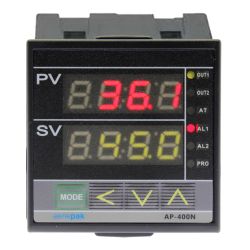 Aeropak AP-400N-201 Temperature ControllersSpecial Price THB 1,656.00 Regular Price THB 2,070.00
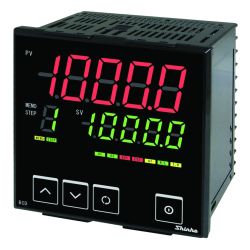 Shinko BCD2A00-16 Temperature ControllersSpecial Price THB 5,723.00 Regular Price THB 7,630.00
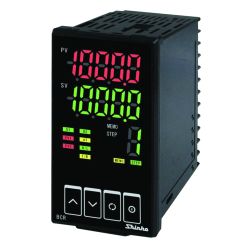 Shinko Temperature Controllers BCR2R00-00Special Price THB 3,780.00 Regular Price THB 5,040.00
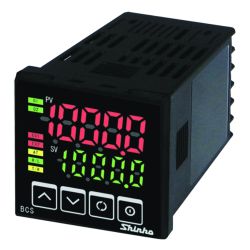 Shinko BCS2S00-06 Temperature ControllersSpecial Price THB 4,350.00 Regular Price THB 5,800.00
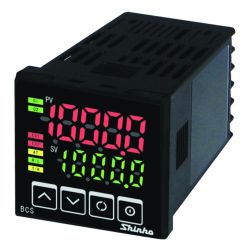 Shinko BCS2A00-06 Temperature ControllersSpecial Price THB 4,350.00 Regular Price THB 5,800.00
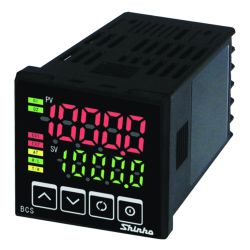 Shinko BCS2A00-16 Temperature ControllersSpecial Price THB 4,523.00 Regular Price THB 6,030.00
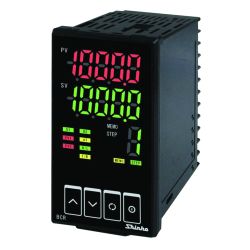 Shinko BCR2A00-00 Temperature ControllersSpecial Price THB 3,780.00 Regular Price THB 5,040.00
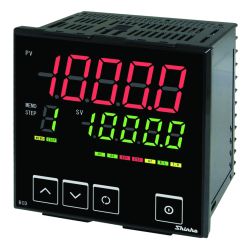 Shinko BCD2A00-10 Temperature ControllersSpecial Price THB 4,695.00 Regular Price THB 6,260.00
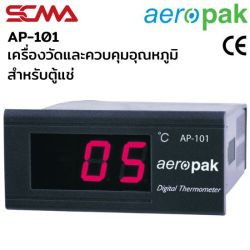 AP-101 Temperature Controllers AeropakSpecial Price THB 880.00 Regular Price THB 1,100.00
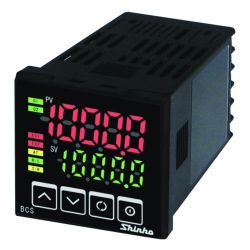 Shinko BCS2S00-10 Temperature ControllersSpecial Price THB 3,323.00 Regular Price THB 4,430.00
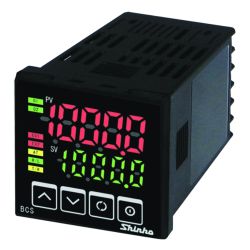 Shinko BCS2R10-16 Temperature ControllersSpecial Price THB 4,523.00 Regular Price THB 6,030.00
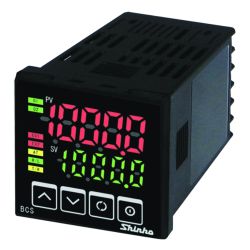 Shinko BCS2R00-07 Temperature ControllersSpecial Price THB 4,005.00 Regular Price THB 5,340.00
 Shinko BCS1R-00M00 Temperature ControllersSpecial Price THB 1,952.00 Regular Price THB 2,440.00
Delivery: 2 ต.ค. 2569
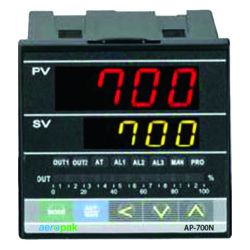 Aeropak AP-700N-101 Temperature ControllersSpecial Price THB 1,796.00 Regular Price THB 2,245.00
Delivery: 2 ต.ค. 2569
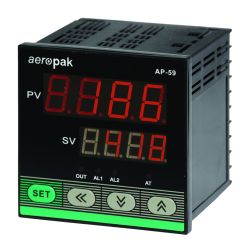 Aeropak AP-59R Temperature controllersSpecial Price THB 1,840.00 Regular Price THB 2,300.00
Delivery: 2 ต.ค. 2569
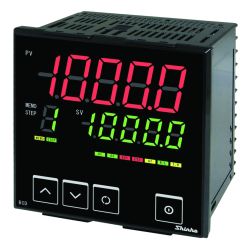 Shinko BCD2A00-00 Temperature ControllersSpecial Price THB 4,350.00 Regular Price THB 5,800.00
Delivery: 2 ต.ค. 2569
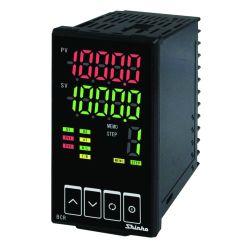 Shinko BCR2R00-10 Temperature ControllersSpecial Price THB 4,125.00 Regular Price THB 5,500.00
Delivery: 2 ต.ค. 2569
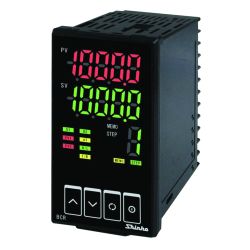 Shinko BCR2A00-10 Temperature ControllersSpecial Price THB 4,125.00 Regular Price THB 5,500.00
Delivery: 2 ต.ค. 2569
 Shinko BCS2S10-10 Temperature ControllersSpecial Price THB 3,323.00 Regular Price THB 4,430.00
Delivery: 2 ต.ค. 2569
 Shinko BCS2A10-10 Temperature ControllersSpecial Price THB 3,240.00 Regular Price THB 4,050.00
Delivery: 2 ต.ค. 2569
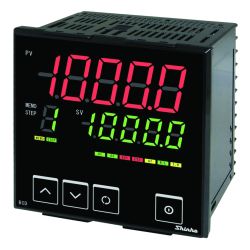 Shinko BCD2R00-10 Temperature ControllersSpecial Price THB 4,695.00 Regular Price THB 6,260.00
Delivery: 2 ต.ค. 2569
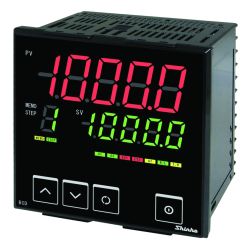 Shinko BCD2R00-40 Temperature ControllersSpecial Price THB 5,744.00 Regular Price THB 7,180.00
Delivery: 2 ต.ค. 2569
 Shinko BCR2A00-50 Temperature ControllersSpecial Price THB 4,640.00 Regular Price THB 5,800.00
Delivery: 2 ต.ค. 2569
 Shinko BCR2R00-16 Temperature ControllersSpecial Price THB 5,153.00 Regular Price THB 6,870.00
Delivery: 2 ต.ค. 2569
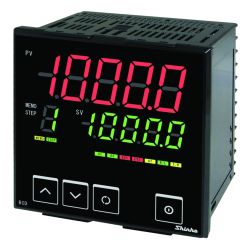 Shinko BCD2A00-15 Temperature ControllersSpecial Price THB 6,315.00 Regular Price THB 8,420.00
Delivery: 2 ต.ค. 2569
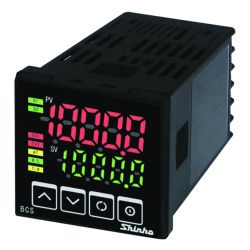 Shinko BCS2R00-17 Temperature ControllersSpecial Price THB 4,523.00 Regular Price THB 6,030.00
Delivery: 2 ต.ค. 2569
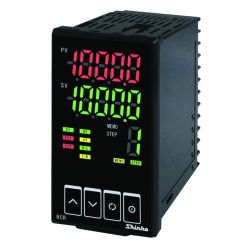 Shinko BCR2R00-16 Temperature ControllersSpecial Price THB 4,768.00 Regular Price THB 5,960.00
Delivery: 2 ต.ค. 2569
Temperature & Humidity Controllers How to Choose the Right One for Your Needs?
Are you confused about choosing Temperature Humidity Controllers? Whether it's about using 12V or 220V power, the variety of temperature and humidity controllers available in the market, or concerns over how accurately they can control humidity, this article is a complete guide to help clarify doubts and recommend ways to choose the best controller for your needs. For further consultation, visit SCMA Services
What are Temperature & Humidity Controllers? Why Are They Important?
Temperature and humidity controllers (Temperature & Humidity Controller) are electronic devices that measure, display, and control the environment within set parameters by working in conjunction with sensors to detect current values and command external equipment (such as heaters, fans, humidifiers) to operate when values deviate from set points. These devices are crucial for maintaining product quality in agriculture, such as mushroom farms requiring high humidity levels or in industries using temperature-controlled cabinets to prevent rust and damage to electronic components.
Basic Working Principle
The working principle starts with sensors sending signals of measured values to the controller. Then, the processor compares the measured value (PV) with the setpoint value (SV). If there is a difference, the system sends an output signal to command connected equipment to operate or stop operating to bring the value back into balance. Learn more about working principles at Digital Temperature and Humidity Controller Working Principle
Importance to Industry and Agriculture
Even minor errors in temperature and humidity control can lead to significant damage, such as eggs not hatching, drugs deteriorating, or servers overheating. Having an accurate temperature controller is a worthwhile investment to reduce these risks.
Types of Temperature Humidity Controllers You Should Know
There are various types of humidity controllers available in the market, categorized as follows:
On-Off Control Type
This is the simplest control type where "on" occurs when values fall below set points and "off" when they reach set points. Advantages include low cost, ease of use, suitable for applications requiring minimal precision such as small egg incubators or ventilation fans in greenhouses.
Proportional (P), Integral (I), Derivative (D) or PID Control Type
PID control systems are more complex and precise, calculating energy output rates to smoothly reach target values, reducing temperature and humidity fluctuations. Suitable for labs or controlled rooms requiring high stability. Read more about control systems at Control and Selection Temperature Control
Multi-function Controller Type
This type combines temperature and humidity control in one unit, often featuring additional functions such as timers, alarms, or RS485 data logging.
7 Key Factors to Consider Before Buying a Temperature Humidity Controller
To get the best temperature controller for your needs, consider these factors:
1. Operating Voltage (Voltage: 12V, 24V, 220V)
Check the power supply at the work site carefully. For general home or factory use, 220V AC is common, but for solar cell or automotive applications, 12V or 24V DC may be required for safety and efficiency.
2. Supported Sensor Type
Each model supports different sensors such as NTC for general use or PT100 for high accuracy, also consider the length of sensor cables to fit installation points. Read more about sensors at Temperature – Humidity Sensor
3. Measurement Range and Accuracy (Range & Accuracy)
Choose a range that covers actual usage, such as refrigerators needing to measure below zero or ovens needing high temperature measurement. Accuracy is also important, especially for research requiring decimal precision.
4. Output Type (Relay, SSR, Analog)
- Relay: Cheap, direct load connection (within current rating), suitable for On-Off applications.
- SSR (Solid State Relay): Durable, quick switching, silent operation, suitable for PID control.
- Analog (4-20mA): For valve or inverter control.
5. Size and Mounting Type (DIN Rail, Panel Mount)
Choose a type that fits your control panel such as DIN rail for space-saving or panel mount for aesthetics and clear display visibility.
6. Communication Functions and Additional Features (RS485, Alarm, Data Logger)
For modern factories, having an RS485 port to send data to computers or PLCs is essential, along with alarm functions for abnormal value alerts.
7. Budget and Reliable Brands
Temperature humidity controller prices range from hundreds to thousands or tens of thousands. Choose a brand with good warranties and after-sales service for long-term peace of mind.
Comparison Table of Popular Temperature Humidity Controllers
To get a clearer picture, let's look at the comparison of popular controller models in the market:
|
Model/Type |
Aproximate Price |
Highlights |
Suitable Applications |
|
STC-302 |
$50-$100 |
Budget-friendly, On-Off control. |
DIY projects, low-risk applications. |
|
STC-1500 |
$200-$400 |
PID control, durable materials. |
Agricultural greenhouses, mushroom farms. |
|
STC-2500 |
$600-$1000 |
PID control, RS485 communication. |
Industrial factories, cleanrooms. |
Price Comparison
Budget models are often On-Off types and may not be as durable as industrial models, suitable for DIY or low-risk applications.
Functionality Comparison (Basic vs. Advanced)
Basic models can only switch circuits, while advanced models can program complex operation modes (Profile Control) or connect to IoT.
Specialized Application Comparison (Egg Incubators, Mushroom Farms, Cold Rooms)
Incubators focus on temperature stability, mushroom farms require high humidity tolerance (sensors must be waterproof), while cold rooms need precise low-temperature measurement.
Examples of Industrial Applications
Digital temperature and humidity sensors can be applied in various industries:
Control in Smart Farms (Agricultural Greenhouses)
Used to control misting systems and ventilation fans, maintaining optimal VPD (Vapor Pressure Deficit) for plant photosynthesis.
Control in Laboratories and Drug Warehouses
Many drugs and chemicals deteriorate quickly when exposed to humidity and heat, strict control is necessary according to GSP standards.
Control in Egg Incubators and Mushroom Farms
Maintaining a temperature of 37.5°C and humidity at 60% is crucial for the hatching rate of chicks.
Control in Manufacturing Lines and Quality Control Rooms (QC)
Used to control paint ovens or aging test rooms for product durability testing.
If You're Looking for Temperature Humidity Controllers, Think SCMA!
If you are looking for high-quality temperature humidity controllers with industrial-level accuracy and durability, SCMA offers a wide range of models from budget-friendly to advanced. Our team of expert engineers is ready to provide consultation on selecting specifications and proper installation to ensure the best value solution. Browse all products at All Products
Summary
Choosing the right temperature humidity controller is not just about buying based on price but also considering specifications that fit your application needs, such as power requirements, sensor types, and control functions to achieve maximum efficiency, reduce losses, and extend equipment lifespan. For further inquiries, consult experts immediately.
Frequently Asked Questions
How to Install and Set Up Initially?
Installation requires wiring according to the diagram on the device (be careful with L, N terminals and sensor terminals). Setting up usually starts by pressing the Set button for a few seconds to enter the setpoint menu and adjust Hysteresis values. Learn more at Temperature Humidity Controller Guide
How Often Do You Need to Calibrate the Device?
For general use, calibration should be done annually. However, for critical standards (such as drugs and food), bi-annual calibration or when values seem off is recommended.
How to Choose Between Relay Output and SSR Output?
If the connected equipment draws little current and switches infrequently (such as fans, water pumps), a relay is sufficient and cost-effective. However, for heaters requiring constant temperature maintenance (frequent switching), an SSR should be used for durability.
🤖 IFM Product Assistant
Ask about products, specs and replacement models
Hello 👋 I can answer your questions about IFM efector products.
Examples:
• What is the replacement model for PN2021?
• Which pressure sensor models cover 250 bar?
Examples:
• What is the replacement model for PN2021?
• Which pressure sensor models cover 250 bar?
🗑 Clear history