
Multimeters
How to Use a Multimeter for Beginners Safely (Complete Guide)
If you are looking for your first multimeter or want to learn how to use it correctly for safety, this article will guide you from the basics of selecting one through various measurement techniques. What are the differences between digital and analog multimeters? How can this electrical measuring tool help solve repair problems? This article has all the answers in one place.
Multimeter Used in Which Industries?
-
Electricity and Electronics Industry, used for measuring and checking electrical circuits and electronics
-
Automotive Industry, used for checking the vehicle's electrical system
-
Manufacturing Industry, used for quality control and production monitoring in factories
-
Energy Industry, used for inspecting and maintaining solar and wind energy systems
View the Multimeters Catalog: Click Here
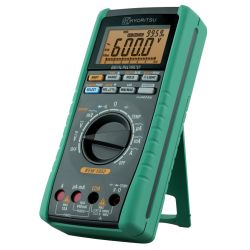 KEW 1051 KYORITSU Digital MultimetersSpecial Price THB 8,240.00 Regular Price THB 10,300.00
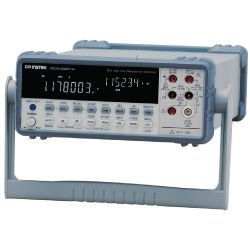 GDM-8261A GW Instek Digit Dual Measurement MultimeterSpecial Price THB 46,720.00 Regular Price THB 58,400.00
Delivery: 4 ก.ย. 2569
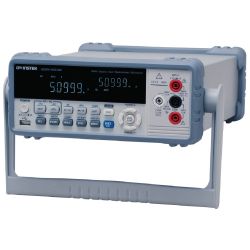 GDM-8342 GW Instek Multimeters Dual Display Digital MultimeterSpecial Price THB 20,320.00 Regular Price THB 25,400.00
Delivery: 4 ก.ย. 2569
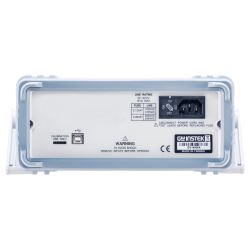 GDM-8341 GW Instek Multimeters Dual Display Digital MultimeterSpecial Price THB 16,240.00 Regular Price THB 20,300.00
Delivery: 4 ก.ย. 2569
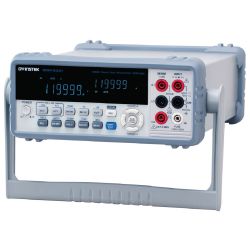 GDM-8351 GW Instek Multimeters Dual Display Digital MultimeterSpecial Price THB 20,320.00 Regular Price THB 25,400.00
Delivery: 4 ก.ย. 2569
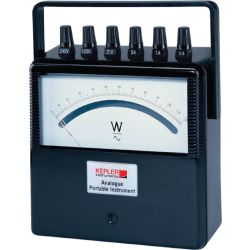 KST-2000 W KEPLER Analog WATT metersSpecial Price THB 10,800.00 Regular Price THB 14,400.00
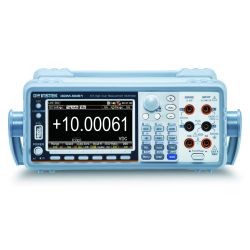 GDM-9061 GW Instek Digit Dual Measurement MultimeterSpecial Price THB 53,920.00 Regular Price THB 67,400.00
Delivery: 4 ก.ย. 2569
What is a Multimeter?
A multimeter is an electrical measuring tool that combines several basic measurement functions into one device. It can be likened to the "stethoscope of engineers" for engineering and repair work, helping us see what is invisible to the naked eye, such as voltage (Voltage), current (Current), and resistance (Resistance). Having a multimeter on hand allows for accurate and quick checks of electrical system status, troubleshooting issues on-site, and repairing electronic equipment.
Multimeter Types: Analog (Pointer) vs Digital
In the current market, multimeters are primarily divided into two main types. The choice depends on the nature of work and user preference, with interesting differences as follows:
Analog Multimeter: Advantages and Limitations
The pointer multimeter uses the movement of a coil to display values on a scale face, suitable for tasks requiring continuous observation of signal trends or quick transistor checks. Experienced technicians often prefer it due to its responsiveness, but limitations include difficulty in reading precise values and potential errors from viewing angles (Parallax Error), as well as lack of modern helper functions.
Digital Multimeter: Why It's Popular
Digital Multimeter has become the new standard in the technician industry, with a clear digital display that is easy to read and reduces errors from interpreting scales. It's suitable for beginners and professionals who require high accuracy, featuring:
- High Accuracy: Displays decimal values, reducing reading errors caused by visual interpretation.
- Multifunctionality: In addition to basic voltage measurements, it can measure capacitance, frequency, and temperature in a single unit.
- Auto-ranging System: New models automatically adjust the measurement range, simplifying use and preventing damage from incorrect range settings.
- Durability: More resilient to impacts and industrial environments compared to fragile pointer mechanisms.
The Benefits of Multimeters in Trades and DIY Projects
Having a multimeter at home or in the workshop helps to solve problems accurately without guessing, wasting time and budget. From SCMA's engineering team experience, over 80% of on-site issues can be initially diagnosed with this tool, whether it’s checking if a car battery is deteriorating, verifying if wires are broken, or inspecting electronic equipment before starting DIY projects. This reduces the risk of electrical shorts and increases safety for workers and assets.
How to Choose the Right Multimeter for Your Work
Selecting a multimeter should not be based solely on price but rather on "suitability and safety." For general use at home, a basic model is sufficient. However, if it's used to measure electricity in industrial control cabinets, a high-standard safety-rated model (CAT Safety Rating) must be chosen. Considerations include:
- Safety Category: Choose CAT III or CAT IV for household and industrial electrical work to prevent hazards from electric shocks.
- Resolution & Accuracy: Electronics work requires higher resolution than general electrical work.
- True RMS Functionality: If measuring fluctuating currents or from inverters, a True RMS model is necessary for accurate readings.
"Choosing the wrong measurement tool can lead to production line disruptions and massive revenue losses. Investing in standard equipment is the most worthwhile prevention."
Caution and Safety When Using Multimeters
Safety is the most critical aspect when working with electricity. Accidents from improper multimeter use may be severe, leading to death or equipment explosions. Therefore, before starting each use, ensure the tool's readiness and strictly follow safety rules:
- Check Test Leads Condition: Do not use damaged leads with broken insulation or loose connectors as they can cause electric leakage.
- Select Measurement Range Correctly: Always check the Selector Switch before touching the circuit. Never measure voltage (Voltage) when set to current (Current) or resistance (Ohm) mode, as it will immediately blow a fuse or damage the device.
- Avoid Exceeding Limits: Do not measure voltages or currents beyond the specified limits of the instrument.
- Wear PPE: Wear electrical gloves and safety glasses when working with high-energy panels or systems.
- Discharge Capacitors: Before measuring capacitance or repairing circuits, always discharge capacitors to prevent residual electricity.
If You're Interested in Multimeters, SCMA is Ready for Your Purchase Today!
If you are looking for high-quality and reliable multimeters, whether from leading global brands or need advice on selecting specifications that match your industrial needs, SCMA is ready to serve. We are not just a distributor but also a technical partner curating quality technology (Curated Technology) specifically for you. Our engineering team is expertly equipped to provide consultation so you can be confident in getting precise, durable, and cost-effective tools that reduce production downtime (Downtime) and enhance your operational efficiency truly. You can view product details and our services here.
Summary
The use of a multimeter is an essential basic skill for all trades. Understanding how to operate both analog and digital multimeters will help you work safely and efficiently. It's important to choose the right tool for the job, strictly follow safety rules, and regularly practice using it. If you need industrial standard measuring tools with expert advice from SCMA, we are happy to be your partner in every measurement task.
Frequently Asked Questions
What does a multimeter do?
A multimeter measures basic electrical values such as voltage (Volts), current (Amps), and resistance (Ohms). Additionally, newer models can also measure continuity, diodes, capacitance, and temperature.
What can a multimeter measure in general repairs?
In general repairs, a multimeter is used to check household electricity (AC Voltage), battery voltage (DC Voltage), broken wires (Continuity/Ohms), and faulty electronic components (Diode/Capacitance).
Which digital multimeter model is good for beginners?
For beginners, it's recommended to choose a model with an Auto-ranging system (automatic range adjustment) because it's easy to use and reduces the risk of incorrect settings. It should also be from a brand that meets safety standards such as Fluke, Sanwa or Kyoritsu, which SCMA sells and provides advice on.
What is the most important thing to watch out for when using a multimeter?
"Do not measure voltage in resistance or current measurement ranges" is the most common and dangerous mistake because it can cause internal short circuits, blown fuses, or immediate damage to the device.
🤖 IFM Product Assistant
Ask about products, specs and replacement models
Hello 👋 I can answer your questions about IFM efector products.
Examples:
• What is the replacement model for PN2021?
• Which pressure sensor models cover 250 bar?
Examples:
• What is the replacement model for PN2021?
• Which pressure sensor models cover 250 bar?
🗑 Clear history