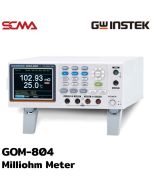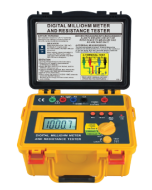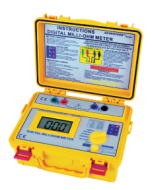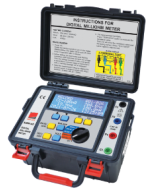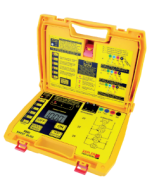
Why do motors or transformers in factories often experience abnormally high heat or frequent short circuits? These issues can be addressed by using a winding resistance tester, which is an important electrical measuring tool for analyzing equipment conditions. SCMA, as an expert in automation system solutions, provides consultation services and offers a full range of industrial tools. This article will guide you through understanding the working principles, advantages, and checklist for selecting the right winding resistance meter suitable for your specific needs.
What is a Winding Resistance Tester?
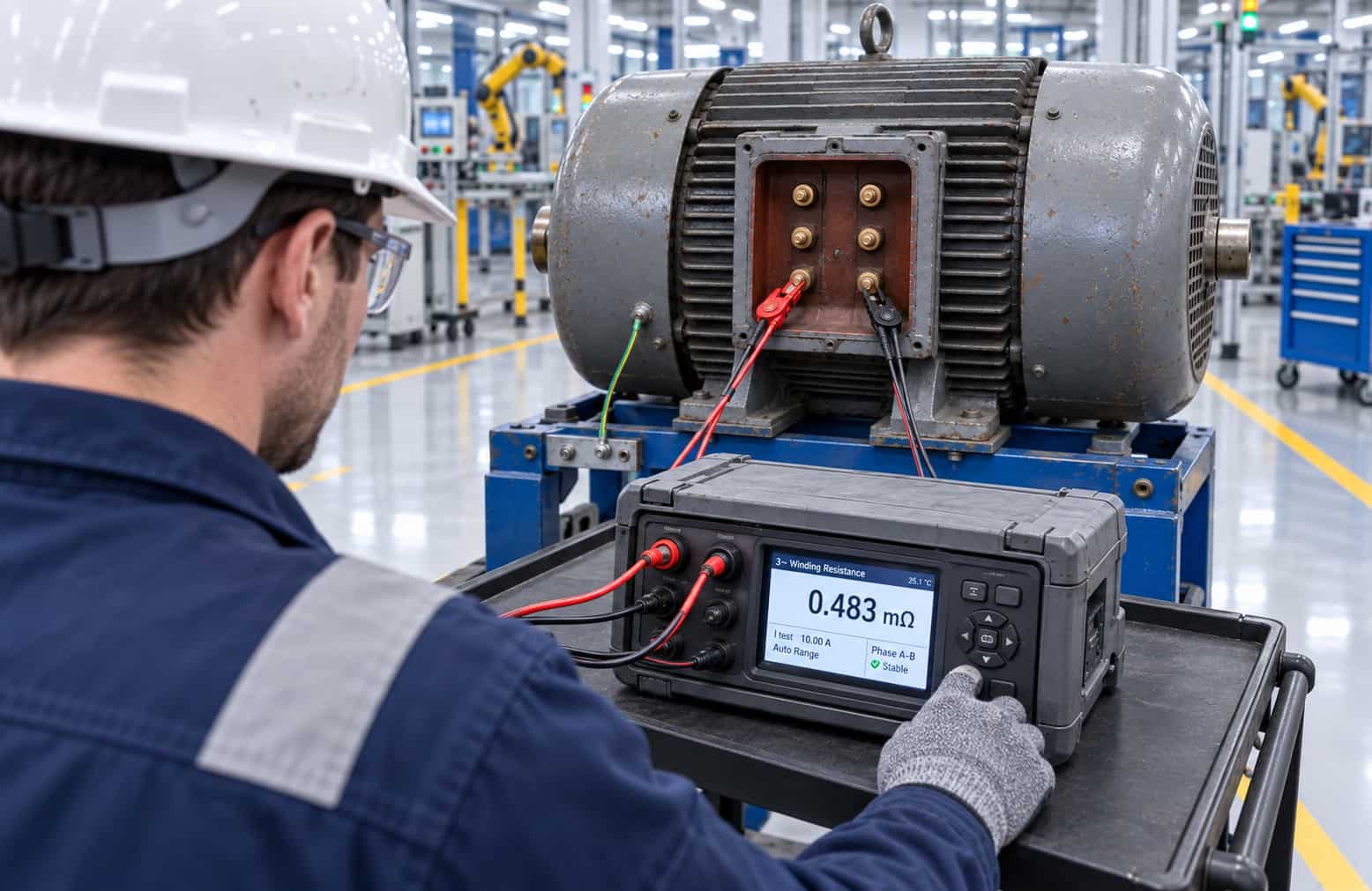
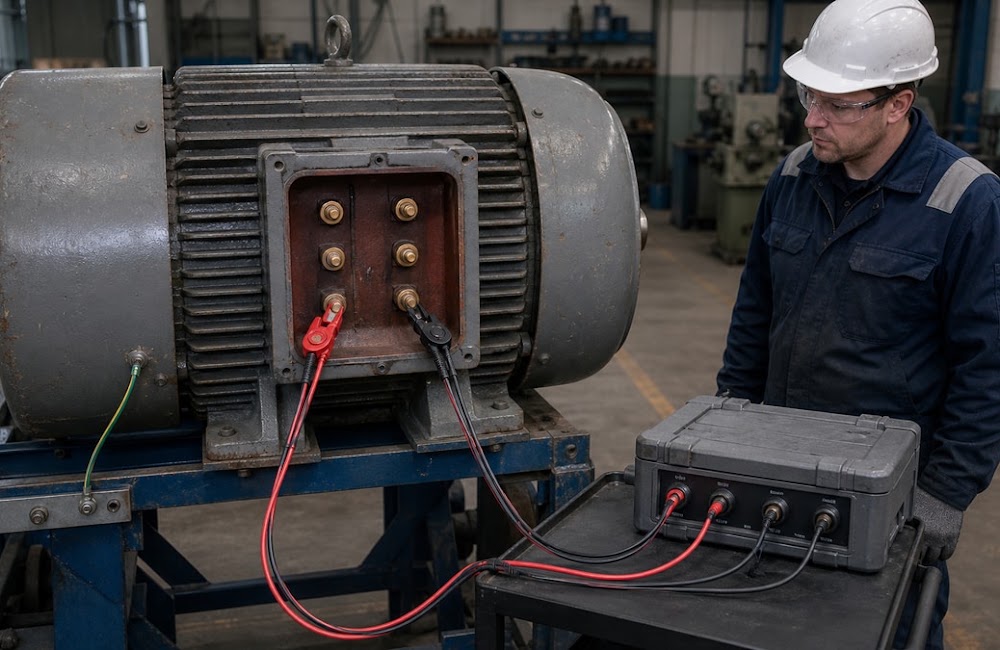
A winding resistance tester (Micro-Ohm Meter or Winding Resistance Meter) is an instrument used to measure low electrical resistance values ranging from milliohms to microohms. This type of tool is commonly used to measure windings in transformers, motors, or generators to help identify hidden faults. Early detection of short circuits or deteriorated connections can reduce severe damage according to SCMA's maintenance standards.
How a Wire Winding Resistance Meter Works
This type of measuring instrument works by supplying a direct current into the coil, leading to an accurate calculation of electrical resistance for assessing system integrity.
Test Current Supply
The device will release a stable DC current into the coil of the transformer or motor being tested. This process is designed to minimize the impact of inductance values that occur, reducing interference signals to provide the most accurate evaluation results possible.
4-Wire Kelvin Method Measurement Technique
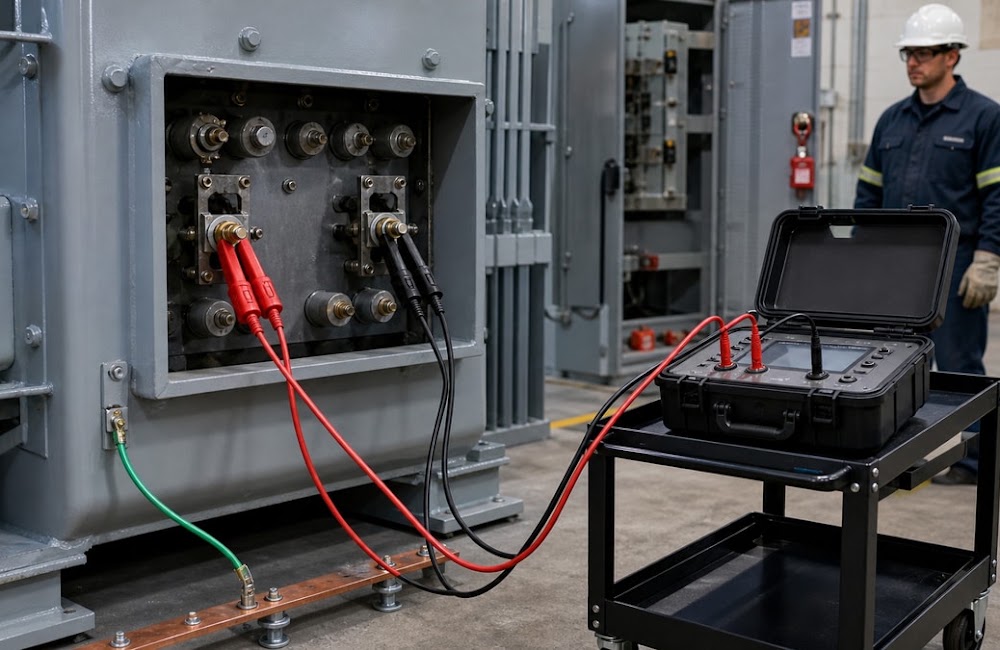
This system uses four wires for connection to eliminate issues with inherent resistance from direct measurement leads. This method is a crucial standard that helps achieve high accuracy down to micro-ohm ($\mu\Omega$) levels. Users can also apply this principle to other types of electrical measuring instruments that require high precision.
Automatic Calculation with a Microprocessor
The device measures the voltage drop across and then processes all data through an internal microprocessor. The onboard microprocessor automatically calculates resistance according to Ohm's law ($R = \frac{V}{I}$). The result is immediately displayed on the screen to reduce errors from manual calculations.
How many types of wire winding resistance meters are there?
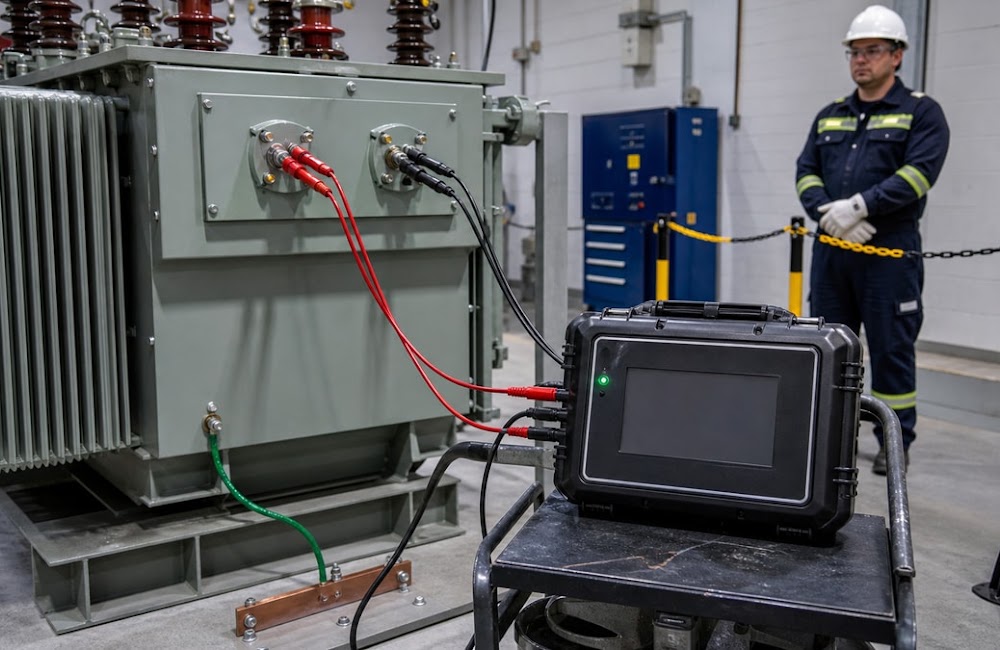
The selection of electrical resistance measuring tools must be based on the size of the equipment and the characteristics of the work area. The current models can be categorized according to their primary usage as follows:
Portable Type
This type is designed to be compact, lightweight, suitable for moving around different inspection points within a factory. Some models come with built-in batteries, making them convenient to use in areas without backup power sources. Based on the experience of SCMA's engineering team, we recommend using this type for on-site maintenance work that requires mobility.
Benchtop Type
This equipment is ideal for laboratory or production lines requiring extremely high accuracy. The instrument has complex processing functions and can record data while connecting to a computer system for detailed quality analysis reports. Those interested can view additional information on LCR Meters to compare usage in labs.
High-Power Type for Large Transformers
This model has a very high test current capacity, designed to handle the massive inductance values of high-voltage transformers at substation sites. The system features a rapid magnetic energy discharge circuit for maximum safety after testing is completed.
Maintenance of Wire Wound Resistor Measuring Instruments
To ensure the accuracy and extend the lifespan of measuring instruments, users should strictly adhere to maintenance standards. These steps will help reduce measurement errors.
Cleaning Contacts and Measurement Cables
Dust or oxide residues on contacts can cause hidden resistance values leading to inaccurate measurements. Users should regularly clean the contact surfaces of four-wire cables with a clean cloth. Storing cables in protective boxes will prevent insulation damage.
Calibration (Standardization)
All electronic devices experience internal circuit degradation over time. Sending instruments for regular calibration every year at a laboratory ensures micro-ohm level accuracy. The SCMA expert team is ready to provide electrical resistance meter calibration services according to international standards.
Discharge System Check
The discharge system is crucial for user safety, preventing hazards from residual magnetic energy in transformers. Before each use, test this circuit as per the manual to ensure it functions properly. If any abnormalities are detected, do not use the instrument to measure high-inductive equipment under any circumstances.
Usage of Wire Winding Resistance Meter
The application of this type of equipment covers various sectors in manufacturing and maintenance industries. Accurate measurement helps prevent structural damage excellently.
Temperature Rise Test Evaluation
Engineers use this tool to measure resistance before and after motor operation. Calculating the difference provides an accurate assessment of temperature rise within the winding, which is a critical indicator of whether the cooling system is functioning efficiently or not.
Phase Balance Check
In three-phase motors, the resistance values of each phase should be as close to equal as possible. Using a wire winding resistance meter for balance checks helps identify abnormalities in certain windings. Correcting unbalanced phases reduces machine vibration during operation.
Turn-to-Turn Short Detection
Copper wire insulation may deteriorate to the point of causing a short circuit across internal windings. A four-wire technique tool can detect slight decreases in resistance with sensitivity. From SCMA maintenance team case studies, identifying issues early allows timely repairs before motor failure.
Tap Changer Contact Condition Analysis
The tap changer in transformers has contacts that must withstand high currents and may develop burn marks or loosening. Measuring this area confirms the mechanical integrity of electrical connections. Avoiding contact resistance helps prevent heat accumulation issues.
Motor Production Line Quality Control
Electric equipment factories use this tool as a final quality control (Final QC) step to confirm product specifications. Checking the resistance value of every motor before delivery builds customer confidence. SCMA has an automated system that efficiently reduces inspection time for this quality check.
Joint Resistance Evaluation
In addition to windings, this tool can also measure large main wire connections or bus bars (Busbar). Loose screwing increases resistance values. This method provides clear numerical results and is safer than using a thermal imaging camera alone.
Generator Maintenance
The stator winding in generators must continuously handle massive power loads. Preventive maintenance planning with annual resistance recordings helps assess insulation lifespan. Engineers can plan machine downtime ahead of time without affecting production lines.
Magnetic Flow Meter Coil Measurement
Chemical plant flow measurement devices rely on magnetic field stability. Applying the tool to measure internal windings in a Magnetic Flow Meter confirms operational readiness. Interested parties can refer to the article How to Evaluate the Coil Resistance of Electromagnetic Flow Meters for information on this evaluation.
Benefits of Coil Winding Resistance Meters
Investing in high-standard measuring tools has a clear positive impact on overall factory management. Modern technology offers superior benefits over general multimeters.
High Precision at Micro-Ohm Level
The use of the 4-Wire Kelvin Method eliminates measurement line resistance entirely, providing reliable numbers for engineering decisions. Equipment from SCMA is designed to accurately measure high-inductive values such as transformers.
Maximum Operational Safety
The new model comes with an automatic discharge circuit immediately after measurement, protecting users from the dangers of residual magnetic energy. Reducing on-site risks is crucial for electrical power system work.
In-Depth Fault Analysis
Aside from resistance values, the data can also be used to assess operating temperatures or analyze coil tension. Identifying hidden defects such as loose connections helps teams plan maintenance more precisely.
User-Friendly and Suitable for Field Work
The device is developed with a lightweight design and clear display in all lighting conditions. Some models can be used directly on battery power, allowing engineers to immediately inspect motors on-site without removing components back to the workshop.
How to Choose a Wire Winding Resistance Meter
The decision to invest in measuring equipment requires careful consideration of specifications that match the type of electrical equipment in the factory. A tip from real-world experience is to use the checklist below to help you make a cost-effective and highly efficient purchase.
- Measurement Range: Must cover detailed readings at the micro-ohm ($\mu\Omega$) level to accommodate large coils
- Test Current: Choose an appropriate current for the transformer rating to reduce magnetic interference signals
- Metering Technology: Ensure that the system uses 4-wire (4-Terminal) technique to eliminate hidden resistance from measurement leads
- Safety System: The meter must have a highly efficient automatic discharge circuit
- After-Sales Service: It is advisable to purchase through an expert distributor such as SCMA for calibration services and proper consultation
Caution in Testing Wire Winding Resistance
Working with high-inductive electrical testing equipment requires prioritizing safety procedures. Operators should check the environment and equipment before starting work every time.
- Always disconnect power sources: Confirm isolation of the transformer or motor circuit before connecting measurement leads
- Await complete discharge: Do not remove measurement leads until the wire winding resistance meter's discharge warning signal is completely off
- Maintain environmental temperature control: Record coil temperature during measurement as temperature changes directly affect the measured resistance value
- Keep contact surfaces clean: Use fine sandpaper to clean terminal points on equipment before attaching measuring clips
Summary
In conclusion, a wire-wound resistor tester is the key that enables engineering teams to conduct in-depth analysis for efficient prevention of short-circuit issues in transformers and motors. Maintenance and selection of equipment using 4-wire techniques will help maintain smooth production processes. If your factory is looking for high-quality measuring tools and aims to elevate maintenance standards, SCMA's team of experts is ready to provide all products and integrated solutions for long-term success.
If you want to purchase a wire-wound resistor tester, you can buy it from SCMA today!
The selection of accurate measuring tools directly impacts the reduction of downtime in production lines. SCMA welcomes engineers and business owners who seek high-performance electrical testing equipment. We offer comprehensive services ranging from technical consultations to calibrations. You can visit our services to choose solutions that meet your industry's needs sustainably.
Frequently Asked Questions
Why Use the Four-Wire (4-Wire) Measurement Method?
The four-wire measurement method helps eliminate the resistance of the measuring instrument's internal wiring, allowing for accurate and precise readings of coil resistance at the micro-ohm level.
Can This Tool Measure Insulation Resistance?
This tool is designed to measure the direct current resistance of conductors (copper coils) only. If you need to measure insulation resistance, an Insulation Tester must be used instead.
Why Is Discharge Important?
The transformer coil stores magnetic energy during testing. The discharge system helps safely dissipate this energy to prevent electrical shock hazards after unplugging the wires.
How Often Should Coil Resistance Be Checked?
Engineers recommend checking during new equipment installation and including it in annual preventive maintenance plans to monitor continuous degradation trends.
Does SCMA Offer Calibration Services for This Type of Measurement Tool?
We offer calibration services for all types of electrical measuring instruments using traceable standard equipment, ensuring the accuracy of every operation.