Getting to know the Focus Keyword, such as a Dew Point Meter or a device for measuring dew point temperature, is the starting point of addressing this issue. SCMA offers consulting services and supplies industrial-grade measurement equipment. This article will guide practitioners from understanding how it works, using Secondary Keywords like dew point values in practice, all the way to techniques for selecting devices to maximize production efficiency.
What is a Dew Point Meter?
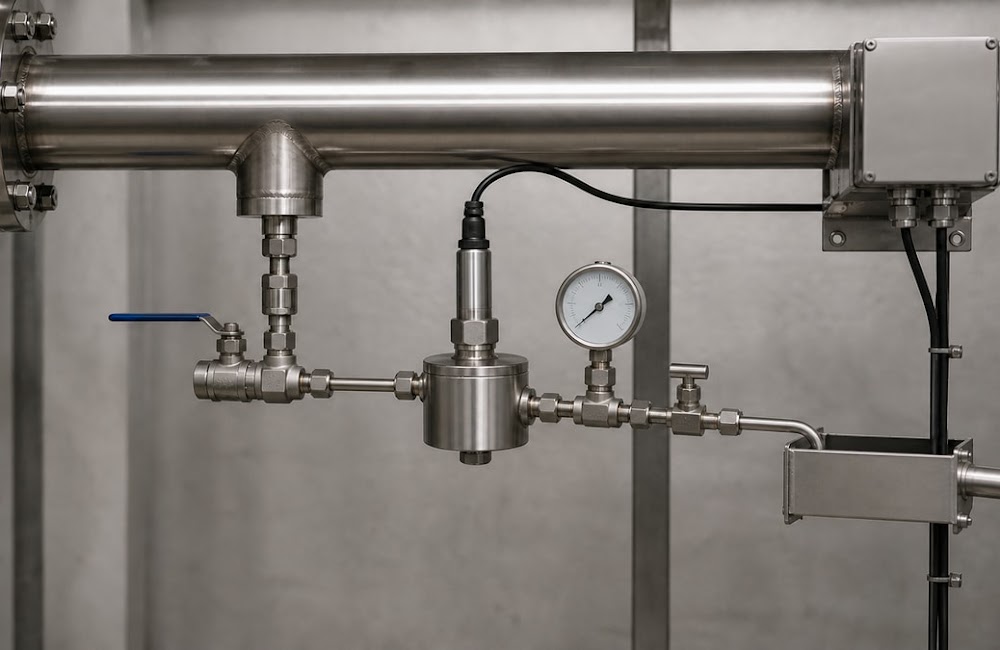
Many may wonder what type of device a Dew Point Meter is. The answer is that it's an instrument for measuring the humidity level in air or gas to determine the temperature at which water vapor starts condensing into droplets. This type of equipment also goes by other names such as Dew Point Sensor or Dew Point Transmitter, and SCMA is a leading supplier for industrial plants.
How a Dew Point Meter Works
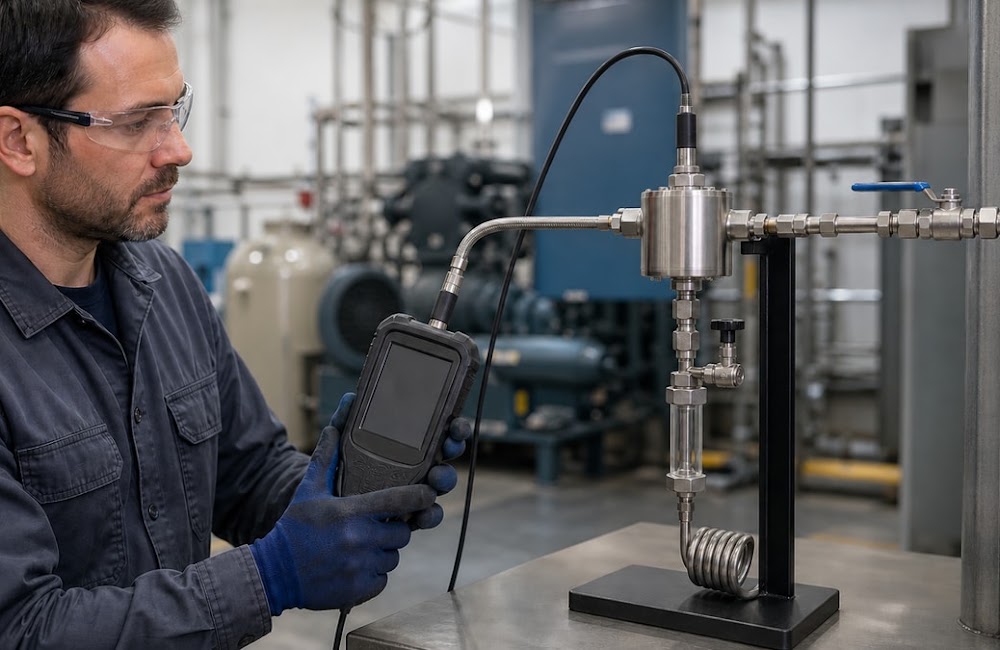
To understand how this device works, users must first know that humidity is directly related to the temperature in the system. A dew point meter uses an electrical sensor principle for processing, with details as follows:
Humidity Measurement Using Capacitive Sensors
The process starts by using a sensor to check the humidity level within the compressed air system. The material inside the measuring head absorbs water vapor. Changes in humidity affect the capacitance value of the device, which is used as a variable for calculating dew point.
Temperature Measurement with Pt100
In addition to humidity, the equipment must work together with temperature sensors simultaneously. Measuring the actual air or gas temperature is crucial for processing. The system analyzes the numbers obtained to accurately determine the point at which water vapor condenses.
Data Processing and Signal Transmission
The internal electronic circuit takes capacitance values to calculate dew point temperature, then converts them into electrical signals. The device can send standard 4-20 mA or RS485 signals to the central control system for immediate display.
How Many Types of Dew Point Meters Are There?
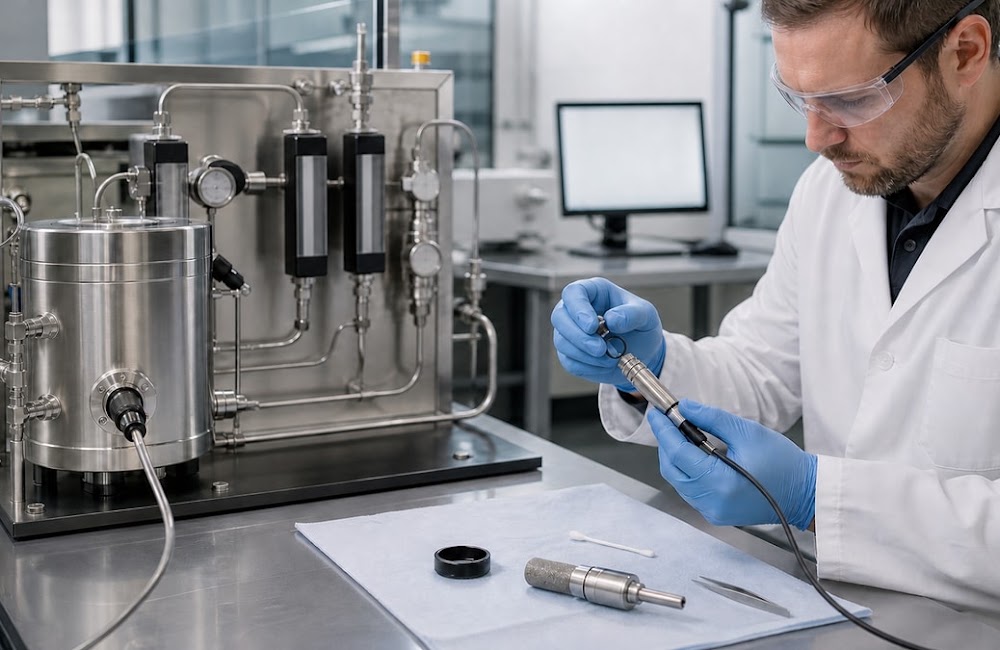
The usage models of dew point temperature meters are designed to meet different environmental conditions. Selecting the appropriate dew point measuring equipment for a job can be divided into two main types as follows:
Portable (Portable Dew Point Meter)
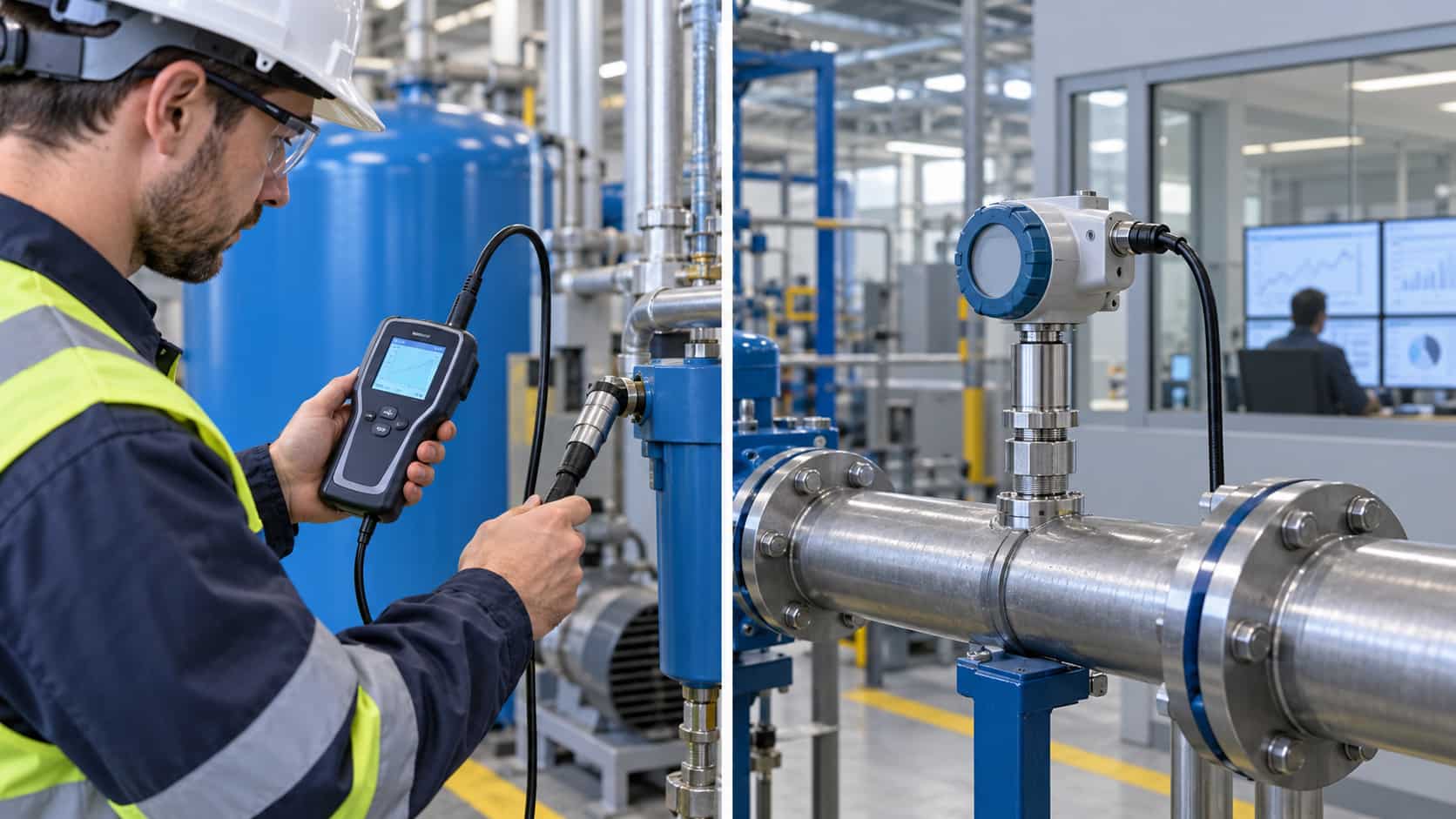
This type is suitable for on-site inspections because it is lightweight and easy to move around. The device integrates temperature and humidity measurement functions, allowing engineers to read relative humidity values directly from the display screen.
In-Line Installation Type (Transmitter / Sensor)
This sensor is designed for permanent installation for continuous moisture monitoring. Industrial plants use it by installing it in main air lines to send data back to the control room continuously.
Maintenance of Dew Point Meter
Based on the experience of the SCMA engineering team, extending the lifespan of measuring instruments requires proper maintenance to prevent damage to the sensor. We recommend the following maintenance guidelines for the equipment.
Avoid Severe Vibration
Sudden impacts or severe vibrations may cause damage to electronic components. Users should install the device securely to prevent measurement values from deviating from reality.
Regularly Clean the Sensor Head
Operators should check that the sensor head is clean and free of oil stains, dirt, or dust accumulation. These contaminants may cause the Dew Point sensor to read slower or inaccurately.
Use in Specified Environment
Operating the equipment beyond the temperature or pressure limits specified in the manual can immediately damage the device. Users must check engineering limitations before operating the system.
Calibrate Equipment on Schedule
Sending the unit to a service center for standard calibration is essential. Regular calibration ensures the accuracy of Dew Point readings, which are crucial for quality control in factories.
Usage of Dew Point Meter
The dew point meter is applied in various industries to prevent damage caused by moisture. Accurate dew point measurement primarily serves the following purposes.
Control Quality of Compressed Air Systems
Factories must ensure that no water droplets remain within the air pipe system. Controlling humidity helps extend the lifespan of pneumatic machinery, prevents rusting, and maintains product quality.
Check Efficiency of Dry Air Equipment
The installation of this equipment checks whether the dry air system operates at full efficiency as designed. If dew point temperature rises, it indicates that the desiccant may be deteriorating or there is a problem in the system requiring urgent repair.
Prevent Water Droplets in Cold Areas
Engineers use this tool to measure values for calculating and preventing ice formation on surfaces with low temperatures. Preventing water droplets inside electrical control cabinets reduces the risk of short circuits.
Advantages of Dew Point Meter
Investing in high-quality humidity measurement equipment builds confidence in production processes. The advantages of SANGI brand dew point meters from SCMA company are as follows:
Durable for High Pressure Industrial Environments
The tool is designed to withstand up to 16 bar pressure within compressed air systems. A robust structure ensures that the sensor operates safely even in harsh environments.
Provides Accurate and Reliable Measurement Values
The equipment provides accurate processing values with a deviation of only ±2 degrees Celsius. Knowing reliable numbers helps system controllers make correct decisions to adjust machinery operations.
Prolonged Stability Preventing Water Droplets
A special probe has been developed to prevent direct condensation effects from water droplets. Quick and stable responsiveness makes this tool suitable for working with air compression systems.
How to Choose a Dew Point Meter
To make an investment worthwhile, you need to consider specifications that match your work requirements. If you are looking for information on whether a Dew Point Meter is suitable for your factory, please refer to the following checklist:
- Check if the measurement range covers the dew point temperature required by your system.
- Select the device form factor according to usage needs, such as portable or fixed installation types.
- Verify the maximum pressure tolerance of the system for sensor safety.
- Evaluate output signals that support integration with existing factory control systems.
Problems When Humidity Control is Lacking
If humidity levels are neglected, the resulting damage can be significant to your business. Not having a Dew Point Meter to monitor air compression systems may lead to issues such as:
- Rust and corrosion inside air ducts shortening system lifespan.
- Water contamination in painting processes leading to substandard products.
- Pneumatic valves and cylinders malfunction due to lubricants being washed away.
- Excessive electricity consumption from air dryers working beyond capacity because of unknown dew point values.
Summary
Understanding what a Dew Point Meter is and how it works is crucial for protecting machinery. Accurate dew point measurement helps reduce downtime in production lines efficiently. SCMA is ready to be your partner for consultation and comprehensive sensor system design.
If you want to buy a Dew Point Meter, SCMA is now available for purchase!
The content of this article aims to provide accurate technical knowledge to engineers to elevate industrial standards. If you are looking for high-quality Dew Point Meters, SCMA Company is pleased to offer services from consultation toafter-sales service and project solutions. Interested parties can visit our website to browse all products or the category ofTemperature and Humidity Measurement Tools.
Frequently Asked Questions
What is an appropriate dew point value for a compressed air system?
The suitable value depends on the standards of each industry. Generally, factories set the dew point temperature to be about 10 degrees Celsius lower than the actual operating temperature.
How long does a humidity sensor last?
The average lifespan of a probe is between 2-5 years, depending on environmental conditions, oil quantity, or contaminants in the system that come into contact with it.
Why do readings show inaccuracies compared to before?
The main cause is due to dust and oil residue buildup on the sensor head. Users should regularly clean the equipment.
Where can measurement tools be installed in a system?
The best installation point is at the air outlet of the dryer, to directly check the efficiency of moisture absorption.
Does the company offer calibration services for equipment?
SCMA provides calibration services for all types of measuring instruments to ensure accuracy. Our engineering team is ready to maintain and issue certification documents for customers.