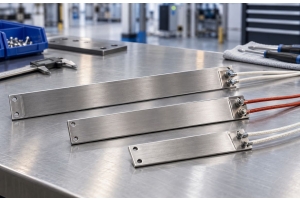
Have you ever encountered problems with uneven heat during the production process that caused damage to the workpieces? This issue can be resolved by selecting round rod heaters that meet the standards. The SCMA engineering team, a provider of complete solution packages including measurement instruments and heating systems integrated, invites you to learn about the operating principles, maintenance, and a checklist for proper purchasing. This article will help you make accurate decisions to choose equipment that precisely meets your on-site requirements.

What is a Round Rod Heater?
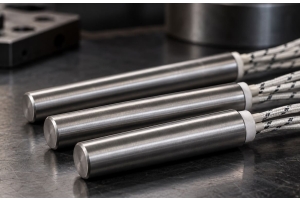
A round rod heater, also known as a cartridge heater (Cartridge Heater), is an industrial heating device that converts electrical energy into thermal energy. Its structure is designed in a cylindrical shape for easy use. It is commonly inserted into drilled holes in metal blocks to provide heat or directly immersed into liquids. Referring to international technical data regarding the question What is a rod heater?, this type of equipment is considered a crucial component in the metal forming process, as well as in plastic forming.

Principle of Operation of Round Rod Heaters
The principle of operation of round rod heaters relies on the Joule heating process. When electric current is supplied, energy flows through the high-resistance coil until heat accumulates. Then, the heat is transferred to the compressed magnesium oxide (MgO) powder inside. This type of powder acts as an excellent heat conductor and transfers the temperature to the outer casing to spread the heat to the target workpiece.

How Many Types of Round Rod Heaters Are There?
From the experience of the SCMA engineering team, we have found that selecting the heater shape that matches the nature of the work is the key to temperature control. Round rod heaters are divided into two types based on their main usage characteristics as follows:
Cartridge Heater (Cartridge Heater / Rod Heater)
This type of device is specifically designed to heat solid materials or metal workpieces. Users can insert the cartridge heater tightly into the pre-drilled hole on the workpiece. This format is widely used in mold work, packaging work, as well as high-temperature plastic injection systems that require localized heating.
Tubular Heater (Tubular Heater / Stainless Steel Heater)
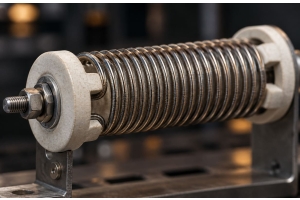
For the stainless steel tubular heater, it has higher flexibility in use. It can be used to heat in air spaces, inside molds, as well as submerged in liquids such as water or oil. The highlight is its ability to be bent into a U-shape or curved according to the shape of the work surface in various ways, to meet complex installation requirements.
Maintenance of Round Rod Heaters
Proper maintenance of round rod heaters can help extend their lifespan and prevent sudden heater failures. We have the following guidelines that can be used as a checklist for on-site inspection.
Control the temperature within the specified range
Users should always ensure that the temperature controller is in good working condition. Allowing the device to work excessively hard without proper power disconnection can cause excessive heat buildup inside the coil, leading to short circuits or burnout.
Clean the electrical terminal area
Disconnect the power source and wait for the heater to cool down before inspecting or cleaning the terminals. Check the insulation and signs of burning, and replace any damaged parts according to the manual before reconnecting the power.
Check the size of the drilled hole in the workpiece
Select the hole size based on the manufacturer's specified clearance according to the rod size, operating temperature, and power density. A hole that is too loose will reduce heat transfer and increase the internal temperature of the heater.
Prevent operation without liquid (Dry Run)
For immersion use, select a model specified by the manufacturer for that type of liquid and use the appropriate fittings. Ensure that the heating section is below the minimum liquid level specified, and use a dry run protection system as designed.
Regularly remove scale and dirt deposits
In cases where the heater is used for heating water or chemicals, scale or dirt deposits may accumulate on the external metal surface. A regular plan should be in place to remove these deposits by cleaning the equipment periodically. Allowing deposits to build up acts as a thermal insulator, reducing the system's performance efficiency.
Applications of Round Rod Heaters
Round rod heaters are used in various industries to convert electrical energy into high-level thermal energy. Common applications include the following:
Application in Plastic Molding Industry
Plastic injection molding requires high temperatures to melt raw materials. Engineers often insert heating rods into metal molds to maintain a constant temperature over time. In addition, they are also applied in the packaging industry for sealing machine sets used to close package bags.
Heating Liquids in Closed and Open Systems
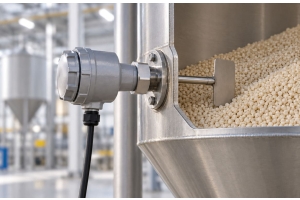
Liquid heating in production processes can be achieved by shaping heating tubes appropriately and connecting them to threaded fittings to heat water, lubricating oil, or chemicals in storage tanks. This helps maintain the liquid temperature ready for smooth feeding into the next production stage.
Heating Air Systems
Other than direct contact with the workpiece, this type of heater can also be installed in hot air systems. It is commonly used with drying ovens and industrial ovens. The radiant heat from the metal rod to the air helps achieve the most effective control of the oven temperature.
Advantages of Round Rod Heaters
Selecting this cylindrical-shaped heating device provides numerous benefits to the production line, allowing the maintenance team to easily control thermal variables, with the following notable advantages:
Even Heat Distribution
The internally compacted structure with magnesium oxide powder helps stabilize the heat conduction from the heating coil to the external metal surface, allowing the target material to receive evenly distributed temperature, resulting in a smooth production process without localized hot spots.
High Temperature Capability and Fast Response
This type of device has a high watt density, allowing it to quickly reach the desired temperature in a short time, supporting high-temperature operations, reducing the time required for machine warm-up, and increasing daily total output.
Compact Design for Easy Installation
With its small cylindrical physical form, it saves a lot of space on the work area, allowing the device to be neatly embedded into drilled holes in the metal base, reducing unnecessary heat energy loss to the outside air.
Durable Under Heavy Usage Conditions
The external casing is mostly made from high-quality materials such as stainless steel grade 304 or 316, making it strong and durable against machine vibrations during operation, resistant to corrosion from industrial chemicals, and extending the lifespan of the component parts.
How to Choose a Cartridge Heater
From the case study in the industrial factory we have previously handled, selecting the appropriate specification heater in the cartridge heater (Cartridge Heater) type that fits the application is the most important thing. For maximum efficiency, consider the following checklist:
- Size and Dimensions (Dimensions): Specify the diameter, length, and heating range of the rod. Check the depth and size of the hole according to the manual to ensure that the heating part can transfer heat to the workpiece as designed.
- Electric Power and Voltage (Power & Voltage): Calculate the wattage to match the volume of the workpiece. Specify the actual voltage supplied in the factory, such as 220V or 380V power system, to prevent equipment from short-circuiting.
- Sheath Material: Consider the working environment. If used in general air, stainless steel SUS304 can be used. If used with corrosive liquids, it is advisable to switch to SUS316 grade.
- Type of Lead Wire: For high-temperature environments outside, select heat-resistant wires appropriately, such as silicone-coated wires or fiberglass braided wires.
Safety in Installing Cartridge Heaters
Safety is the core of the heating system installation in the factory. Before installing the cartridge heater into the machine, the technician should check the following items to prevent accidents at the work site:
- Grounding System: The metal structure of the machine must be properly grounded to prevent danger from electric current leakage to the human body.
- Temperature Sensor: Choose the position that represents the process temperature and detects overheating as designed. Check the guidelines regarding distance and position from the heater and machine manufacturer.
- Prevention of Contact: Use electrical terminal covers and hot surface barriers as per the design. Do not cover terminals or wires to the extent that heat dissipation deviates from the manufacturer's specifications.
- Check the wire condition: Before supplying the main power, check the insulation of the heater cartridge wire to ensure there are no tears or damage caused by scratching during insertion into the drilled hole.
Summary
Cartridge heaters are essential components that drive the manufacturing industry forward smoothly. Understanding their operating principles and properly maintaining them can help extend the equipment's lifespan and reduce machine downtime. If you are looking for an efficient heating solution, SCMA is ready to provide expert advice and design systems that truly meet your on-site requirements.
Interested in purchasing or consulting? Contact us via LINE Official: @SCMA
If you want to buy a cartridge heater, you can purchase it from SCMA today!
Using non-standard equipment for heating may cause significant damage to the production line. As experts in measuring instruments and automatic control systems, SCMA offers high-quality cartridge heaters along with service for comprehensive project and solution design. Our engineering team is ready to visit your site to help you select the most accurate and precise operating specifications.
Frequently Asked Questions
What is the maximum temperature that the round rod heater can reach?
The maximum operating temperature depends on the model, sheath material, power density, hole size, and terminal temperature. Please check the separate specifications for the rod and wire gauge.
What are the possible causes of heater breakage?
The main cause is inadequate heat dissipation, such as overly loose drilled holes in the mold or a malfunctioning temperature control system causing excessive heat accumulation beyond the durability rating.
Can the cartridge heater be bent?
The cartridge heater cannot be bent because the internal structure is tightly insulated. If the application requires a curved shape, it is recommended to use a round tube heater instead.
What are the differences between stainless steel grades 304 and 316 when used for heater sheaths?
Grade 304 is suitable for general use and heating in air, while grade 316 has special additives that provide better corrosion resistance against harsh chemicals.
When should a new heater be replaced?
It should be considered for replacement when the device cannot reach the target temperature, takes abnormally long to warm up, or shows a clear change in electrical resistance compared to the original.