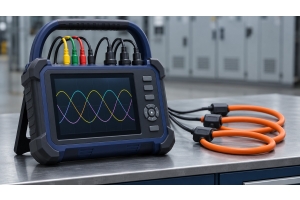
Selecting water quality meters should start with answering questions such as whether you need to monitor the acidity-alkalinity of a process, check the filtration system's efficiency, or monitor dissolved oxygen. Each question requires different parameters, sampling points, and calibration standards.
What is a Water Quality Meter?
A water quality meter is a group of instruments used to measure the properties of water according to supported parameters such as pH, conductivity, dissolved oxygen, or turbidity. Choose measurement results that align with work criteria and perform additional testing when necessary.
How Water Quality Meters Work
These devices operate using specialized sensors to detect various parameters. Based on the experience of SCMA's engineering team, understanding the working principles of water meters helps users select the most suitable instruments for real-world applications.
pH Measurement
The sensor uses a glass electrode sensitive to hydrogen ions to detect the potential difference between electrodes. A water quality pH meter converts the obtained values into numbers to clearly indicate the level of acidity or alkalinity. This process helps users control the environment to be suitable for the production process.
Dissolved Oxygen (DO) Measurement
The working principle relies on the diffusion of oxygen through a membrane into the sensor for evaluation. Some models may use optical or light systems to detect the concentration of oxygen. This type of water meter is essential for wastewater treatment systems or aquaculture industries.
Conductivity and Total Dissolved Solids (EC / TDS) Measurement
EC measures the ability of water to conduct electricity, which depends on ions and temperature. Portable TDS meters often estimate TDS from EC using a multiplier set according to the sample type. This result is used to track trends in the process together with tests suitable for the purpose.
Turbidity Measurement
Turbidity meters evaluate scattered light from particles in water. The measurement method, light source, and units may vary according to the standard of the model. Compare results under consistent methods.
Oxidation-Reduction Potential (ORP) Measurement
ORP measures oxidation-reduction potential in millivolts. It is used to monitor the reaction conditions of water together with data such as pH and temperature. Evaluating the amount of disinfectant or confirming results requires specific methods of the process.
How many types of water quality meters are there?
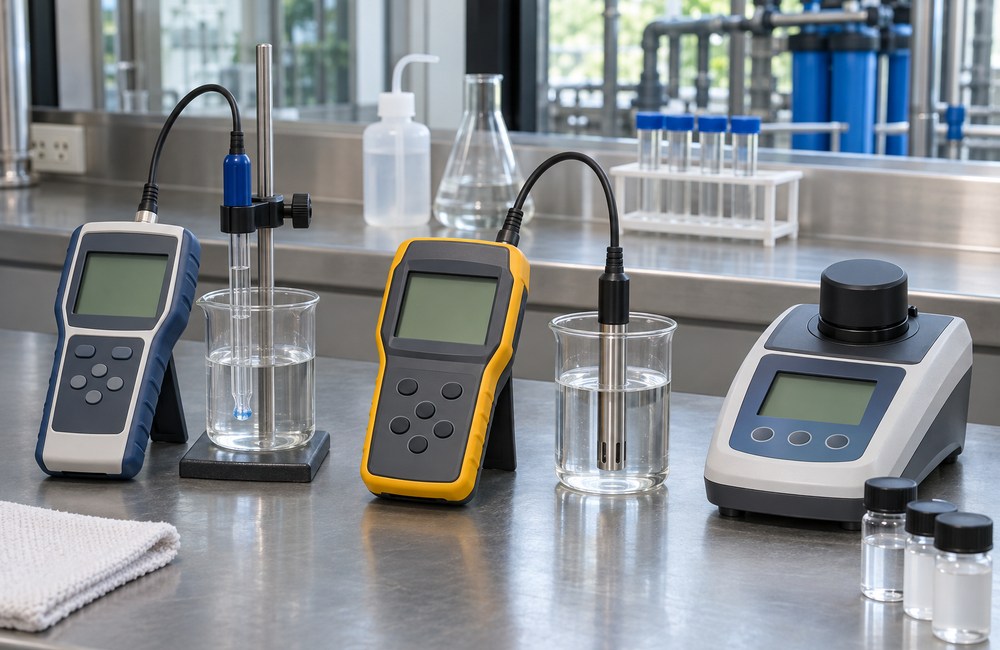
Device classification can be divided according to parameters and values to be checked. Selecting a water quality meter that matches the type of substance will help increase the accuracy of work for engineers.
pH Meters
This type of device is designed to check the level of acidity and alkalinity using a glass sensor. The use of water quality pH meters is very important in the food and pharmaceutical industries. High sensitivity sensors help users tightly control production standards.
Turbidity Meters
Turbidity meters provide light scattering values related to suspended particles. They are used to monitor raw or filtered water systems. Converting to sediment mass requires a relationship checked with system samples.
DO Meters
They assess the amount of oxygen gas mixed in water sources or treatment ponds. This value is an important variable indicating the quality of the biological environment. DO type water meters help monitor to prevent water from becoming polluted by industrial processes.
Conductivity / TDS Meters
Measures conductivity or evaluates TDS according to the meter type. Suitable for monitoring changes in feed and product water under specified criteria. Evaluating drinking water requires additional testing of related parameters.
Salinity Meters
This tool is designed to find the amount of salt or salinity present in the liquid. The usage format is suitable for the aquaculture industry or food production that requires controlling taste. Having a water quality meter that can quickly read salinity values helps reduce errors in mixing raw material proportions.
ORP Meters
Used to monitor the oxidizing or reducing conditions of water and the trend of the process. Set criteria together with pH, temperature, and the system's target substance testing method.
COD Meters
COD evaluates the equivalent oxygen amount of substances that can be oxidized under chemical test methods. Use sampling, sample digestion, and reading according to the methods specified by the work requirements.
Combo / Multi-parameter Meters
Multi-parameter meters can measure according to the supported probes. Some models require switching probes and separate calibration. Check the measurement range and reporting method before selecting from USGS multi-parameter meter guidelines.
Maintenance of Water Quality Meters
Proper care of the equipment is crucial for extending its lifespan. From SCMA's case studies, we found that well-maintained water meters provide much more stable measurement values.
Cleaning the Probe (pH Electrode)
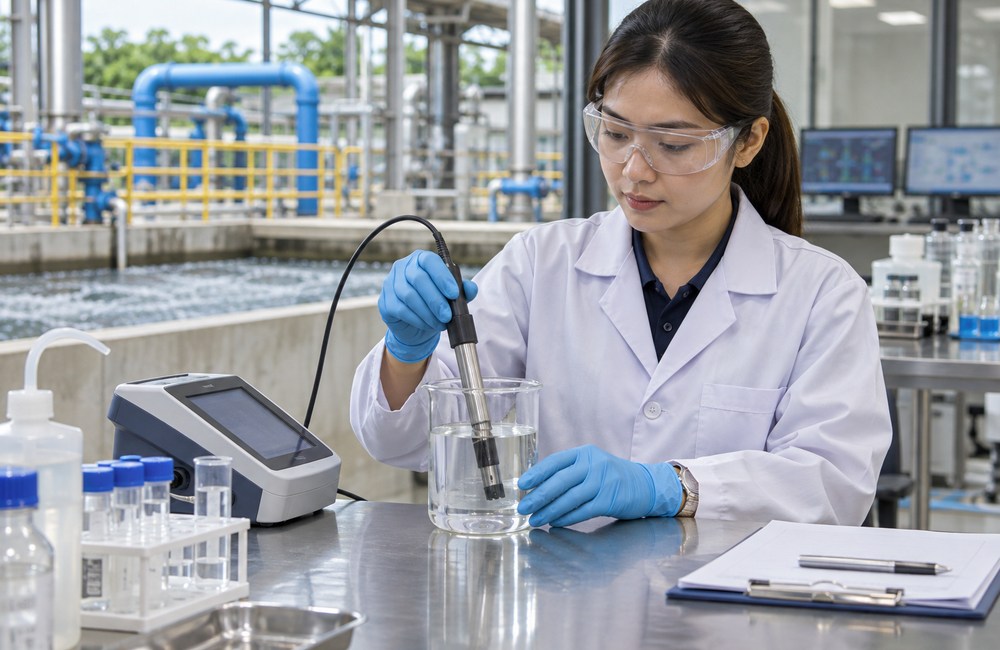
Users must clean the probe with distilled or ion-free water every time after use. It is recommended to gently wipe with a lint-free paper, absolutely avoiding rubbing or wiping forcefully. Proper care of this part helps the water quality pH meter read accurate values without distortion.
Storing the Sensor
Store the pH probe in the storage solution specified by the manufacturer. Each type of probe has different storage methods. Check the manual before soaking or storing it dry.
Calibration
Use standards that match the parameters and cover the working range, such as pH buffer, standard EC solution, or turbidity standards. Record the results and temperature according to the instrument's calibration method.
Use of Water Quality Meters in Industry
The industrial sector needs to strictly control safety standards. Applying water quality meters in the production process directly affects product quality.
Control of Acidity and Alkalinity
The food and beverage industry needs it to control taste and maintain standards. The water quality pH meter helps engineers adjust the water with glass sensors before it enters the steam boiler. Accurate inspection helps prevent metal pipe corrosion problems.
Monitoring Turbidity of Raw Water Systems
Industrial factories use this tool to assess water clarity by shining light through it. Knowing the turbidity level helps the water meter send a warning signal to clean the filters. This step effectively reduces the cost of replacing consumable parts.
Maintenance of Wastewater Treatment Systems
Environmental engineers rely on measuring dissolved oxygen levels to control bacterial activity. The DO water meter helps maintain the ecological balance in the treatment pond with electrode sensors. Good control allows factories to discharge safe wastewater.
Measuring Total Solution Concentration
High-purity water systems often track conductivity or specific resistance in the range suitable for this type of water. Check the instrument data, sampling points, temperature, and other parameters according to the process criteria.
Advantages of Water Quality Meters
Advanced technology has made parameter inspection devices more efficient in analysis. Using accurate water meters helps quickly check cleanliness.
High Accuracy in Display
Modern sensor systems provide clear and precise numerical values instead of guessing. The water quality PH meter helps users confidently assess acidity levels. This accuracy effectively reduces the error rate in production lines.
Easy and Quick to Use
Most devices are designed to be portable. Simply immerse the probe, and users can immediately read the results on the screen without waiting long. This convenience saves maintenance staff's working time.
Supports Various Inspections
Many models include multiple important measurement functions in one device. Operators can measure TDS Meter, dissolved oxygen, and conductivity simultaneously. This helps reduce the hassle of preparing multiple devices on site.
Enable Timely Quality Control
Real-time displayed data helps control standards in industry and agriculture. Using TDS meters to monitor helps prevent damage to products. This system is the core of maintaining environmental health and standards.
Supports In-depth Data Logging
Newer devices have a function to record measurement results in memory or SD Card. Users of water meters can use the data for further analysis to assess trends. Having a history log helps teams plan preventive maintenance better.
How to Choose a Water Quality Meter
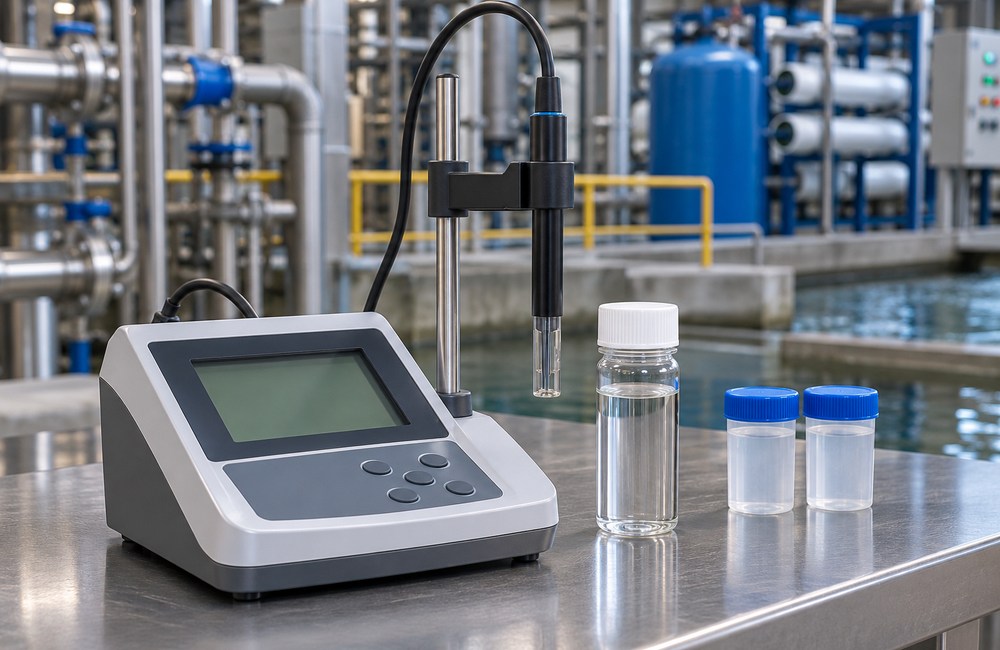
Selecting a water quality meter that matches your usage requirements affects accuracy. SCMA recommends a checklist of features to consider so that you can get the most suitable water meter.
Select parameters based on work criteria, such as pH for water conditioning, EC for monitoring electrical conductivity, or DO for aeration. Note the units and range required before comparing models.
Consider the usage format: If you need to conduct fieldwork, choose a pen-style water meter that is easy to carry, but if you are using it in a laboratory, choose a desktop model for the highest precision.
Check stability and measurement range: A TDS Meter should have a measurement range that covers the concentration of solutions expected to be encountered in the working process.
Look for a reliable brand: You should choose products from well-known manufacturers that are widely accepted to prevent problems with the device malfunctioning quickly.
Calibration service available: The dealer must provide after-sales service to adjust the water meter settings to maintain long-term accuracy.
Introduce high-quality water quality meters from SCMA
SCMA, as a provider of measurement solutions, introduces considerations for high-quality water quality meters trusted by the industrial sector
Technology from global brands: We select water quality meters from specialized manufacturers to provide engineers with the most efficient tools
Covers all parameters: Available from basic water value meters up to TDS meters for specific solutions in the electronics industry
Durable against environmental conditions: Our water quality PH meters have a durable structure, safely supporting operations in factory areas
Examples of integrated models sold by SCMA include KEPLER KWQ-86031, which measures parameters, measurement ranges, and equipment included with the upper modelKEPLER product page before purchasing
Integrated solutions: In addition to sales, we have engineers who design automated control systems that connect water meters' sensors directly to the factory's system
Summary
Applying water quality meters is essential for industries that need to maintain stable standards. Understanding the functions of each type of water meter, whether it is a PH water quality meter or a TDS meter, will help engineers work efficiently. If you are looking for measurement solutions our service is ready to be your advisor to enhance the reliability of the production process
Interested in ordering or consulting via LINE Official: @SCMA
If you want to buy a water quality meter, you can buy it from SCMA today!
Having an accurate water quality meter can significantly reduce losses from the production process SCMA Co., Ltd. is ready to provide high-quality water meters and TDS Meters selected specifically for the industrial sector. With our expertise in project and solution work, we are ready to offer advice, design, and calibration services to ensure your water quality PH meter works perfectly.
Frequently Asked Questions
What can a TDS Meter be used for?
A portable TDS meter usually evaluates total dissolved solids based on electrical conductivity, suitable for tracking trends under multipliers that correspond to samples. If you need to assess water safety, use specific tests according to water quality standards.
Why is it necessary to regularly calibrate water meters?
Continuous use may cause the sensor to deviate from the actual value. Calibration helps adjust the meter to restore its accuracy and reliability according to standards.
Which type of work is suitable for a pen-style water quality meter?
It is suitable for on-site field work or rapid inspection at various points due to its compact size, portability, and ability to read values immediately when submerged in a water sample.
Why is the sensor maintenance solution important?
This type of solution helps maintain the moisture of the glass sensor to prevent it from drying out and causing damage. Proper storage helps extend the lifespan and maintain the accuracy of the device for a longer period.
Does SCMA offer after-sales service for water meters?
We have a comprehensive service ecosystem covering maintenance work up to standard calibration. Our engineering team is ready to support customers in quickly and precisely resolving issues.