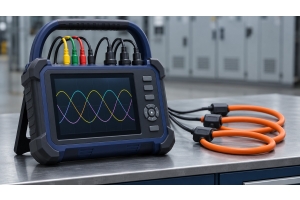
Before using the Gas Detector portable model, check that the sensor covers the gases to be monitored, the device responds to the test gas, and the alarm signal functions. This manual separates Bump Test from Calibration, along with criteria for selecting equipment suitable for the job site.
What is a Gas Detector?
A portable Gas Detector checks the concentration or status of gases that the sensor supports at the point where air enters the device and alerts according to set values. The reading result depends on the sensor set, sampling method, and environmental conditions.
Working Principle of Gas Detector
The basic working principle of Gas Leak Detector is to use Gas Sensor to detect the concentration of gas in the air. Then the system converts the measured value into an electrical signal for processing according to the following procedures.
Sensor (Sensor) Receives Concentration Value
The first step starts with using the Gas Sensor installed inside the device to receive the concentration of gas around the working area. This signal receiver has been developed to be sensitive to specific chemicals to ensure the highest detection accuracy.
Signal Conversion
The signal receiver converts the gas response into an electrical signal. Each model has different response times and limitations. Include the time it takes for the gas to travel through the sampling tube when planning measurements.
Data Processing
The system compares the read value with the set alarm criteria, such as alerting when oxygen is too low or too high, or when the target gas exceeds the limit. The settings must be under the site safety plan.
Alarm & Notification
The device may alert with sound, light, or vibration depending on the model. Users should know the meaning of the signals, including fault signals, and follow the response plan when the device alarms.
How Many Types of Gas Detectors Are There?
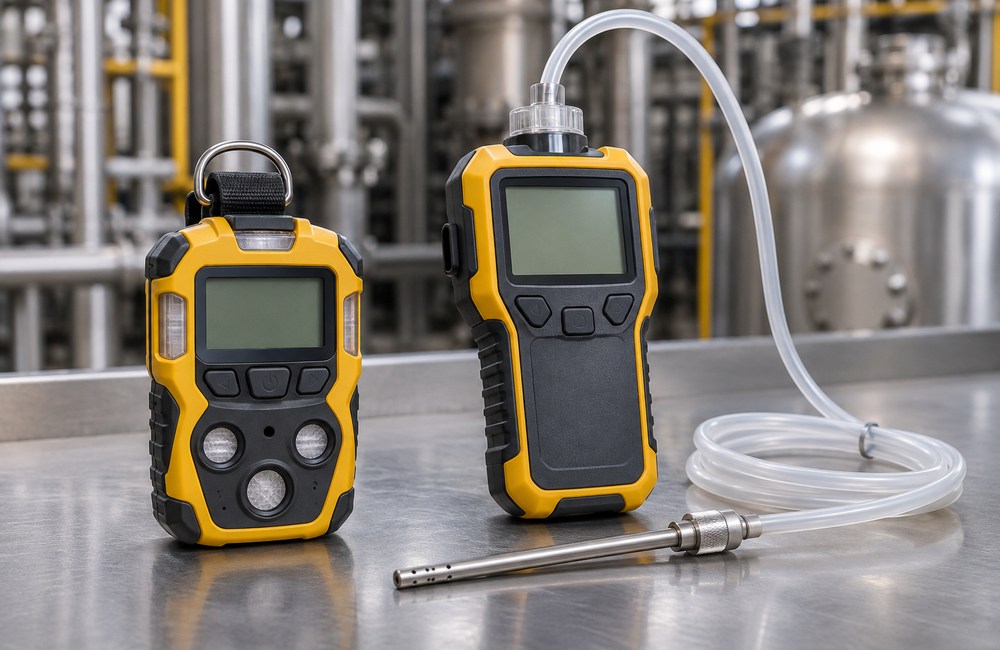
Portable detectors are used to monitor near workers or to take samples according to the model, while fixed detectors monitor selected points. This article focuses on preparing the portable device before use.
Classified by Usage and Installation Type
Fixed Gas Detector: A system designed to be installed at risk points in the factory continuously to monitor safety 24 hours a day.
Portable detectors have models with diffusion gas sensors for personal use, and models with pumps or additional pumps for sampling from distances specified by the manual. The choice depends on the position to be measured and the conditions of the area.
Classified by the Type of Main Gas Sensor
Electrochemical Sensors: Gas Sensor of this type is used to detect specific toxic gases, such as carbon monoxide or sulfur dioxide.
Flammable Gas Sensors may report in %LEL, referencing a specified gas. Check that the model and calibration are suitable for the target gas, including limitations when oxygen is low or there are interfering substances.
Maintenance of Gas Detector
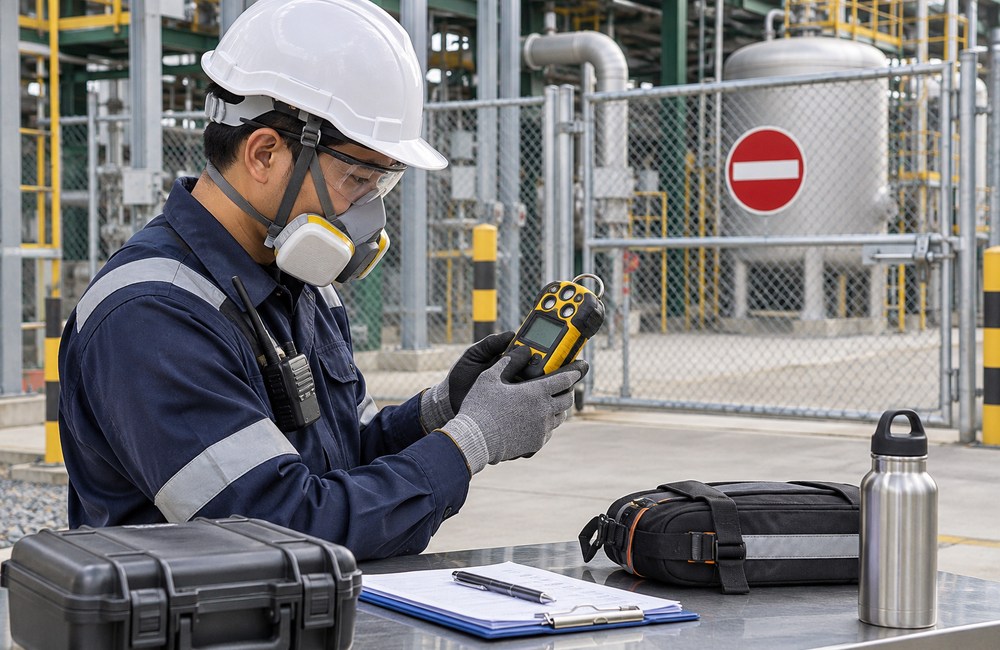
Keeping equipment always ready for use is the most important responsibility in the industrial field. The SCMA engineering team recommends the following standard procedures for maintaining Gas Leak Detector with accuracy
Perform Calibration Regularly
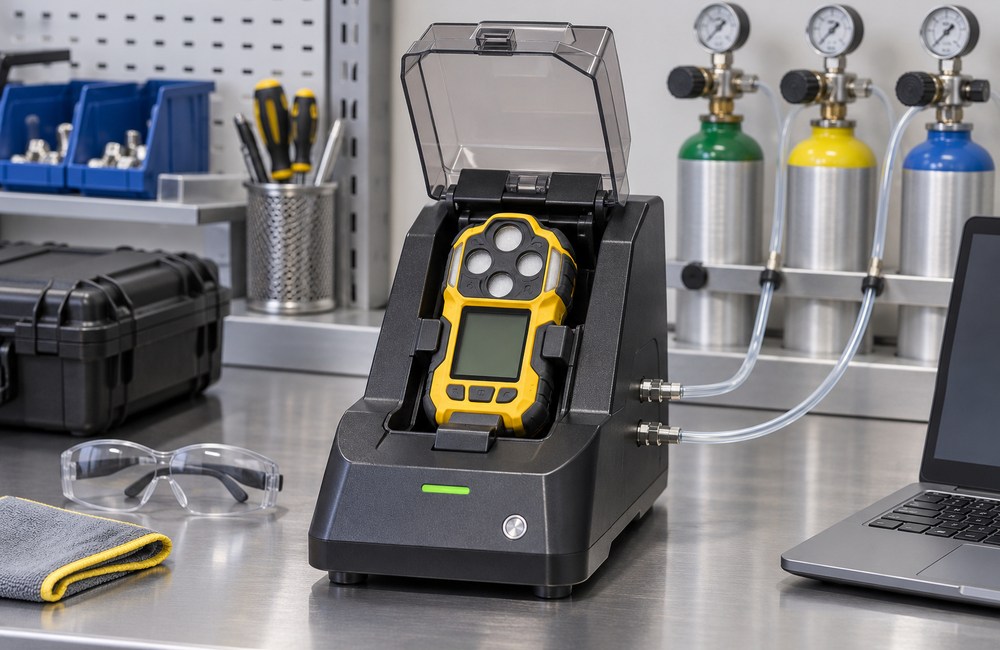
Calibration is the use of reference gas according to the manufacturer's method to check and adjust readings as specified. Perform calibration according to the model's schedule and when the readiness test fails or when there are conditions that may cause inaccuracies
Conduct a Bump Test before use
A Bump Test uses test gas to check whether the sensor responds and the alarm signal works. This step is different from adjusting the reading values. Perform a Bump Test or confirmation of calibration before each use according to the manual and OSHA guidelines. If it fails, do not use the device and follow the manual before retesting
Store in an appropriate location
When not in use, store the gas detector in a dry and clean place. Users must avoid placing the device in areas with high humidity, dense dust, or corrosive chemicals to prevent internal circuit damage
Clean the device properly
Clean the device and check the gas inlet according to the manufacturer's method. Use the cleaning agents and tools specified in the manual to avoid interfering with the sensor
Record usage and maintenance history
Safety officers should record calibration results, equipment inspection dates, and maintenance history in detail in the logbook. This information helps the engineering team to accurately assess the sensor's lifespan
Application of Gas Detectors in Industry
If asked what can Gas Detectors measure in the context of production, these devices play an important role in measuring gas concentration to protect employees' lives and the organization's property
Portable Use for Confined Spaces
Inspection in confined spaces must be part of the work plan at the designated location. The responsible person should inspect the atmosphere from outside before entering and monitor during the work according to the plan. ReferenceOSHA Atmosphere Evaluation Guidelines is an example
Fixed Installation for 24/7 Monitoring
Fixed installation systems are suitable for monitoring points where hazard assessments specify. The design team must consider the location of the sensor heads, alarms, maintenance, and connection to the response plan
Covers a Variety of Gas Detection Types
Industrial-level Gas Sensor technology supports both the detection of flammable gases to avoid explosions. The device can also detect hazardous toxic gases such as hydrogen sulfide, which is commonly found in wastewater treatment processes
Advantages of Gas Detectors
Investing in industrial safety systems always provides good returns for your business. The main advantage of installing Gas Leak Detector is creating a safe working environment
Provides Timely Early Warning
Alarms inform the workers that the measured value at that point has reached the set criteria, prompting them to evacuate, report the incident, or follow the area's plan according to the type of signal
Prevents Losses from Explosions and Fires
Flammable gas alarms are part of risk control. They are used together with reducing leak sources, ventilation, and controlling ignition sources according to the site's plan
Protects the Health and Safety of Workers
When assessing risks from colorless and odorless gases such as CO, select the sensor that matches the gas type and monitor according to the work plan, including taking action when the device alarms or malfunctions
Continuous Real-Time Monitoring
Industrial sensor systems are designed to be durable for continuous environmental measurement throughout 24 hours. Real-time monitoring by Gas Detector increases confidence for night shift engineers
How to Choose a Gas Detector
When selecting a Gas Detector that meets the conditions of your factory environment, you must analyze from several technical factors. The checklist below will help you make the right decision
Consider the usage characteristics: Choose betweenPortable Gas Detector for point inspection tasks or select to install Gas Leak Detector permanently to continuously monitor the production line
Determine the type of gas to be measured: You must be clear about what Gas Detector can measure in your area to choose the Single Gas or Multi-Gas model that matches the risk
Check the type of sensor: Choose the Gas Sensor technology that is suitable for the type of chemical to ensure high accuracy in processing
If used in hazardous areas, check the certification to ensure it is compatible with the area classification, gas type, temperature, and usage conditions specified for the model
Summary
Workplace safety starts with understanding that Gas Detector is an essential alarm device in industrial factories. Choosing a Gas Detector that comes with accurate Gas Sensor technology helps reduce the risk of chemical leaks sustainably. If you need an effective Gas Leak Detector, the engineering team from SCMA is ready to provide consultation and offerGas Detector andcomplete automated system solutions
Interested in ordering or consulting via LINE Official: @SCMA
If you want to buy a Gas Detector, you can buy it from SCMA today!
Having a Gas Detector that meets standards is the most valuable investment to prevent business losses SCMA as an expert partner in automation systems, we offer distribution services Gas Leak Detector from world-leading brands with modern Gas Sensor technology, based on the information in this article to help you make a decision. Our team is ready to visit the site and provide advice on selecting the most suitable gas measuring device for your factory.
Frequently Asked Questions
What can a Gas Detector measure?
The device can detect flammable gases, toxic gases such as carbon monoxide, as well as oxygen levels in the air, to monitor safety in high-risk areas.
How often should a Gas Leak Detector be calibrated for accuracy?
Follow the manufacturer's manual and on-site work plan, considering the results of Bump Test or verification, as well as any abnormal conditions that may affect the sensor.
What types of work are portable gas detectors suitable for?
Portable devices are suitable for personal monitoring or sampling according to the type of equipment. Use in confined spaces must be within the atmospheric testing procedure and site access authorization.
How long is the lifespan of a Gas Sensor?
Check the manufacturer-specified lifespan, the condition of the device, and actual test results for each type of sensor. Exposure to interfering substances or out-of-range environmental conditions may shorten the lifespan.
What is the difference between a Gas Detector and a Gas Analyser?
A gas detector focuses on immediate safety alerts when a leak is detected while a gas analyser provides detailed information about the chemical composition in the production process.