Leak detection at connections is a different task from monitoring accumulated gas in rooms. The starting point is to identify the type of gas, potential leak sources, air direction, and response when the alarm sounds, in order to select the appropriate detector head and usage position for the factory.
What is a Gas Leak Detector?
Gas leak detectors come in both point-specific leak detection devices and air concentration monitoring devices. Check the capabilities of the model to see what gas types, units, measurement ranges, and tasks it supports.
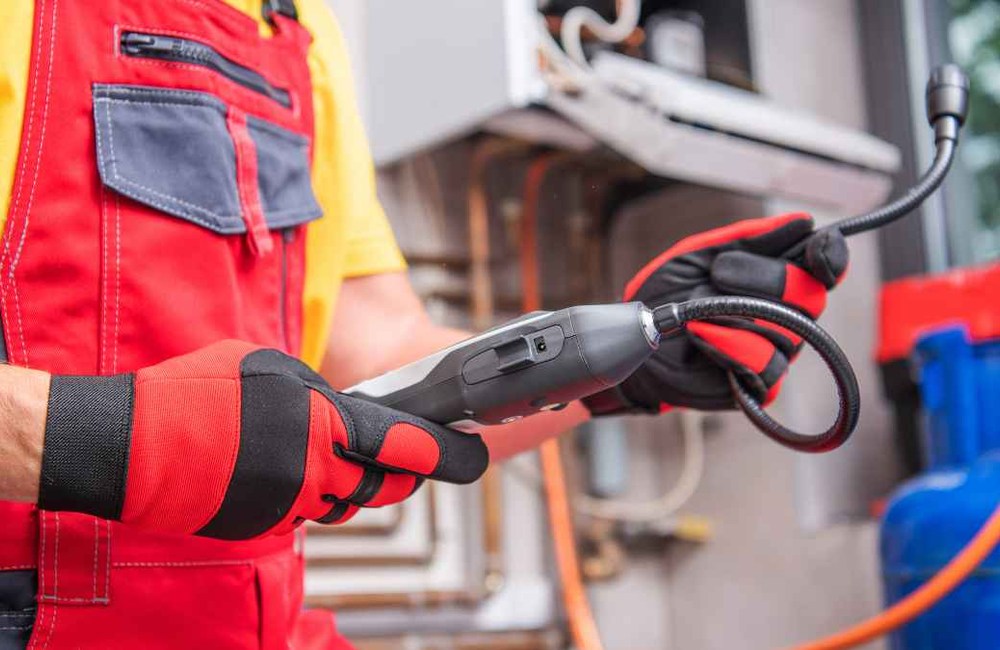
Working Principle of Gas Leak Detectors
The operation of gas sensors is complex but easy to use. The system is designed to respond quickly to changing environmental conditions.
Responsibilities and Function of Leak Detection
If you need to trace the source, use a device designed for leak tracking with a probe head suitable for the gas. Area monitoring devices report the concentration at the inspection location, thus helping to identify risky areas in conjunction with other inspections.
Measuring Gas Concentration in the Air
The device continuously evaluates the amount of gas to compare it with standard safety values. Processed data is displayed on a digital screen in real-time. Operators can use this concentration value to plan safety measures or identify hazardous zones effectively.
Warning Alerts to Prevent Hazards
When the value reaches the pre-set warning level, the device may alert through sound, light, vibration, or control systems. Connecting to shut off valves or stop processes must be designed and tested as a system according to the site's safety plan.
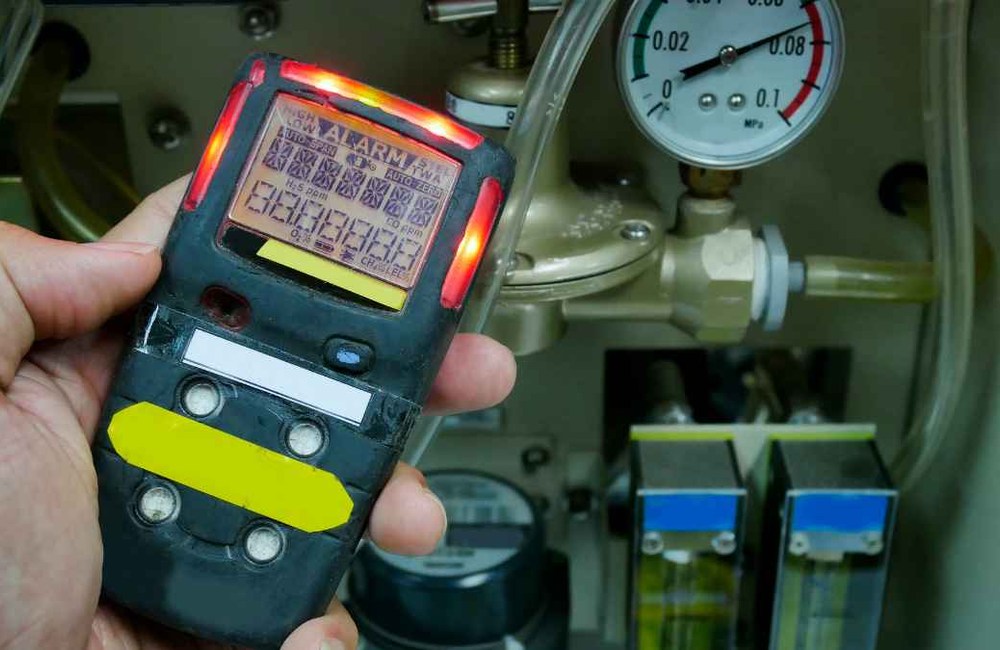
What types of gas leak detectors are there?
Based on the experience of SCMA's engineering team, selecting the appropriate device type for the application is crucial. Gas detection devices are mainly divided into two types as follows:
Fixed Gas Detector
The fixed installation system is used to monitor designated locations. Select detection points based on potential leak sources, airflow, ventilation, gas properties, and accessibility for testing, according to the example guidelines in MSA Manual
Portable Gas Detector
Portable devices may be probe-type leak tracers or personal atmosphere monitors. Select based on purpose and risk assessment. For confined spaces, follow the procedures for authorized entry, atmosphere testing, and monitoring according to the site requirements.
Maintenance of Gas Leak Detectors
Regular maintenance ensures the instrument's accuracy and availability for maximum safety. The SCMA service team recommends basic procedures that factories should follow.
Cleaning the Sensor and Housing
Users must regularly remove dust, oil stains, or debris that may obstruct the sensor's operation. Proper cleaning helps extend the lifespan of the sensor head and prevents inaccurate readings caused by external blockages.
Frequent Calibration
Determine the calibration cycle and functional testing based on the manual, sensor type, and usage conditions. Portable gas detectors should undergo Bump Test or calibration verification before use each day as per the manufacturer's guidelines and OSHA guidelines.
Inspecting the Alarm System
Responsible personnel should test the response of the detector head and alarm routes according to the approved plan. For permanent systems, check the results at the signal receiving point and confirm the status before restoring the system.
Replacing Filters and Inspecting Condition
Filters or filter paper inside the device must be replaced according to the manufacturer's specified schedule. You should carefully inspect for leaks in the air suction tube or internal vacuum pump. Complete components will help ensure the highest accuracy in air intake for analysis.
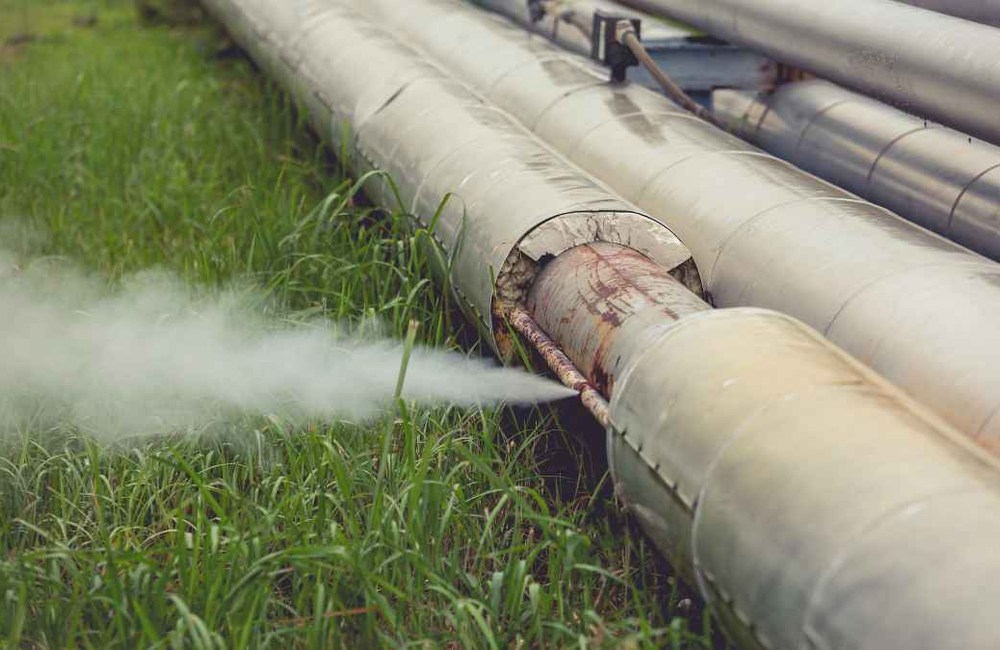
Use of Gas Leak Detectors in Industry
From the perspective of automation system experts, this device is crucial for monitoring, preventing, and alerting when leaks occur. The usage patterns in factories are as follows:
Monitoring High-Risk Areas with Permanent Installation Systems
The installation location should be along a path where gas from the risk source is likely to reach, considering air dispersion and sensor limitations along with gas density. The responsible team should confirm the on-site location.
Personal Safety Protection with Portable Devices
Personal atmosphere detectors should be worn in the position specified in the manual. Assessing confined spaces must include external measurements before entry and monitoring during work according to the site's procedures.
Common Gases to Monitor
Based on our experience serving the automotive and electronics industries, there are three main groups of gases that factories must monitor strictly. Choosing the right sensor is the most important factor.
Oxygen Level (O₂)
Oxygen level monitoring is done to prevent excessively low or high oxygen levels in the work area, especially in water pits or silos. If oxygen is low, employees may lose consciousness. If it is too high, it increases the risk of surrounding materials igniting.
Flammable Gas (Combustible / LEL)
The flammable gas sensor may display results as %LEL, which is the proportion compared to the lower explosive limit of the gas according to calibration. Check the reference gas type and sensor limitations before using the measured values.
Toxic Gas (Toxic Gas such as CO, H₂S)
Detecting carbon monoxide and hydrogen sulfide gases is aimed at preventing respiratory system hazards. These toxic gases can easily accumulate in industrial factories. Inhaling even a small amount may cause serious long-term health effects.
Advantages of Gas Leak Detectors
The main advantage of this device is its ability to quickly and accurately alert of dangers before serious incidents occur. Investing in safety technology provides long-term value.
Immediate Alert in Case of an Incident
When the device alarms, follow the area's response plan, such as evacuating and notifying the responsible person. Have the assigned team assess the leak point before starting repairs.
Prevent Damage to Life and Property
Installing an alarm system helps reduce the risk of life loss and injuries from toxic gases. Preventing explosions from flammable gases helps preserve the factory's structure. Having an effective gas leak detector is a basic risk management requirement for any organization.
Detect Invisible Gases
The intelligent sensor can accurately detect colorless, odorless gases, or gases that displace oxygen. These chemicals cannot be perceived by the general senses, so electronic devices come to protect us from these silent dangers.
Enhance Flexibility in Field Work
Current technology offers both portable, small-sized units for engineers to inspect specific points, and permanent installations to monitor high-risk areas 24/7. The variety of gas measuring instruments allows factories to design safety systems that perfectly match their production processes.
How to Choose a Gas Leak Detector
When deciding to purchase equipment safely and cost-effectively, consider the type of gas, usage patterns, and the safety standards of the device. A tip from real-world experience is to conduct a detailed risk assessment in advance.
Choose according to the type of gas: Each type of gas has different densities, so the sensor of the gas leak detector must be designed to suit the buoyancy properties of the chemicals on-site.
Consider the appropriate usage pattern: Portable models are suitable for occasional checks of risk points, while fixed installation models are suitable for installation in chemical storage rooms with constant risk.
The alarm system must be clear: A good tool should have a warning sound and flashing lights bright enough to be visible in the working environment, so that users can be immediately aware.
Certification for hazardous areas: Check the markings and scope to match the area classification, gas type, and operating temperature. Separately check the accuracy from the performance data and test results of the model.
Why Choose SCMA's Instrumentation Services?
Choosing a specialized supplier helps reduce the complexity of managing a factory. SCMA operates under a Hybrid Business Model, ready to be your comprehensive technical partner.
High-quality selected technology: We are the authorized distributor of leading global brands, ensuring the durability of the gas leak detector designed specifically for industrial work sites.
Integrated technical expertise: Our engineering team has high experience and is ready to provide "Project & Solutions" services from consultation, system design, installation, to comprehensive calibration services.
Easy and fast service: We have branches located in major industrial areas, including the Eastern Economic Corridor (EEC) in Chonburi Province and Northern Industrial Parks in Lampang Province. Our technical team can quickly resolve on-site issues.
Summary
Selecting a high-quality gas leak detector is the most valuable investment in safety for industrial facilities. This device effectively protects employees' lives and company assets from unexpected incidents. If you are looking for an automated system solution or premium measuring instruments, SCMA is ready to be your partner in designing and installing the system comprehensively for you.
Interested in purchasing or consulting via LINE Official: @SCMA
If you want to buy a gas leak detector, you can buy it from SCMA today!
SCMA helps manufacturers and engineers in the manufacturing industry to enhance the efficiency and reliability of the production process without wasting time on self-assembling complex systems. If your organization wants to order a high-quality gas leak detector, contact our engineering team directly. We offer comprehensive services so that you can fully focus on developing your core business.
Frequently Asked Questions
How often should a gas leak detector be calibrated?
Check the manufacturer's manual and the site safety plan. If the portable device fails the Bump Test or confirmation test, calibrate according to the manual and retest before returning to use.
What is LEL gas?
LEL stands for Lower Explosive Limit, which is the lower limit of concentration at which a flammable gas mixture with air can ignite under specified conditions. The %LEL value is the proportion compared to this lower limit.
What is the difference between portable and fixed installation types?
Portable types are used by employees to check safety before work. Fixed installation types monitor high-risk areas in real-time 24 hours a day.
What does a 4-sensor (Multi-Gas) meter detect?
Many models measure O₂ flammable gas in %LEL units, CO, and H₂S. The sensor set depends on the model. Choose one that covers the gases specified in the hazard assessment.
How long is the lifespan of the sensor in the device?
Check the manufacturer's specified lifespan for the sensor of that model, as well as the device status and response test results. Operating conditions and exposure to interfering substances may shorten the lifespan.