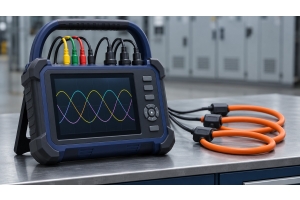
If the Vortex Flow Sensor reading is not stable, check the flow range, installation position, pipe vibration, and fluid condition before adjusting the device. This manual explains the principle of vortex generation and methods to check factors causing measurement deviation in water, gas, and steam systems.
What is a Vortex Flow Sensor?
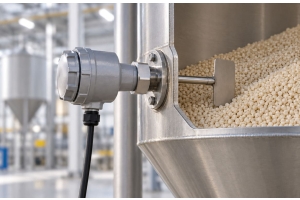
Vortex Flow Sensor or Vortex Flow Meter is an industrial device designed to measure the flow rate of liquids, gases, and steam flowing inside pipes. This type of sensor uses a physical phenomenon to accurately calculate the flow volume without relying on moving parts. This stable operation helps reduce wear problems, making it suitable for use in the harsh environments of industrial plants.
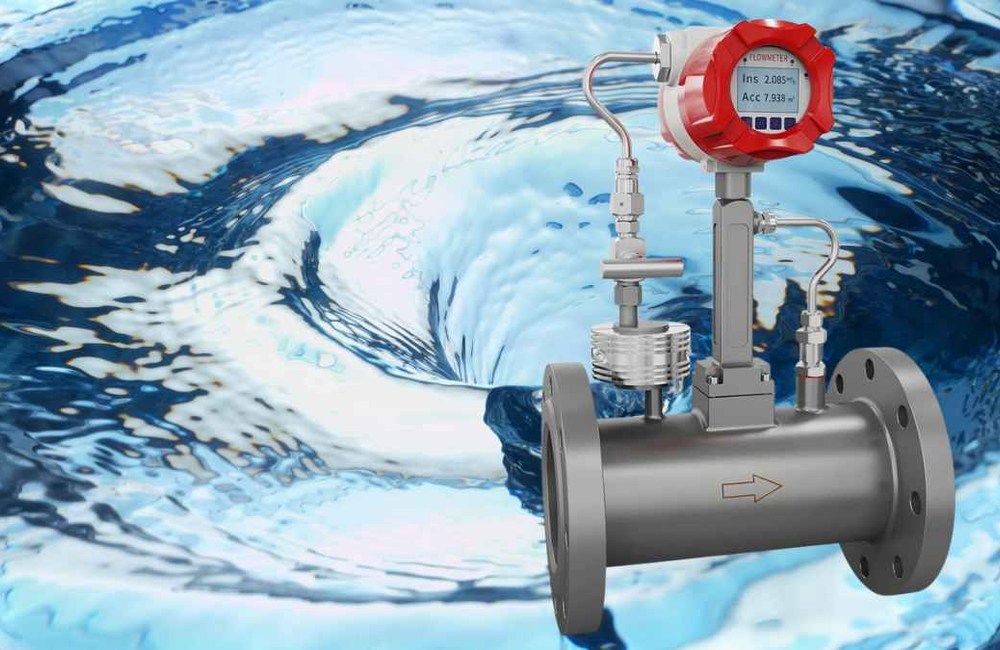
Principle of Operation of Vortex Flow Sensor
Understanding the principle of operation of this type of flow sensor will help engineering teams select and apply it appropriately for specific tasks Additional Information about Vortex Flow Sensor confirms that this device relies on a natural phenomenon that occurs repeatedly in a systematic manner
Vortex Shedding Phenomenon
The main principle of operation relies on a physical phenomenon called Vortex Shedding or Kármán Vortex Street. This phenomenon naturally occurs when a fluid flows past an obstacle in its path. The dynamic change of the fluid flow is the key to the operation of this type of flow measuring instrument
Function of Bluff Body
Inside the sensor's pipe, there is a blocking rod called a Bluff Body installed in the middle of the path. When the fluid flows past this blocking rod, the fluid flow is clearly divided into two sides. This separation results in turbulence of the fluid behind the blocking rod
Formation of Vortex
The result of the collision with the blocking rod causes alternating left and right vortex flows along the back of the Bluff Body. These vortices create alternating low and high pressure continuously. The installed sensor detects the vibration pattern of these swirling fluid flows
Flow Rate Calculation
Within the range of the device, the frequency of vortex generation is related to the velocity of the fluid. The device uses a K-factor defined for the model and pipe size to convert frequency into volumetric flow rate, according toVortex Measurement Principle of Endress+Hauser
Factors Determining Whether the Vortex Flow Sensor Can Be Used
Start with the fluid and the actual flow rate range, then check the installation conditions and the manufacturer's data for the selected size
Reynolds number and minimum flow rate
At low flow rates or with highly viscous fluids, the vortex signal may not be stable. Check the Reynolds number range or the minimum flow rate specified in the product's specifications
Fluid condition and phase
Check whether the fluid is liquid, gas, or steam, and whether the condition is a single phase according to the equipment's conditions. Gas bubbles in liquid or water droplets in gas may interfere with the measurement
Pipe size and flange size
Select the size based on the flow rate range and the pressure, temperature, and material that comes into contact with the fluid. Check the internal diameter and the centering of the gasket at the installation point
Interference from vibration and pulsating flow
Pumps, valves, and machinery may cause pipe vibration or pulsating flow. Compare the symptoms with the original equipment status and adjust the installation according to the manufacturer's requirements
Conversion to mass flow rate
Calculate the mass flow rate from volume and density. If the density changes, select a compensation method suitable for the type of steam or gas
Maintenance of Vortex Flow Sensor
This type of flow meter is easy to maintain because there are no moving parts inside. Strictly following the maintenance guidelines will help extend the service life
Checking for scale buildup
Check for changes in the signal from normal conditions and assess the possibility of scale accumulation. If the pipe needs to be opened, the responsible personnel should isolate the energy, reduce the pressure, and check the temperature according to the factory procedures before proceeding
Cleaning the sensor
Clean the parts that come into contact with the fluid according to the manual for that model. Use the materials and methods specified by the manufacturer to avoid damaging the vortex generator, seal, or signal receiving surface
Checking the signal cable
Staff should check that the signal cable and external connection points are in good working condition. The wiring should not be cracked or damaged by heat in the work area. Complete signal transmission is essential for the operation of the factory's automated system
Application of Vortex Flow Sensor in Industry
This type of device is widely accepted in leading industrial factories around the world. The application covers from basic production processes to advanced control systems
Energy and Steam Industry
Engineers often use this type of sensor to measure the flow rate of boiling steam and hot steam in power generation systems. The flow meter can effectively withstand high temperatures in steam boilers. Measuring gas quantity in energy systems also helps factories accurately assess production costs
Water Management Systems
Used to measure water or solutions in processes that are within the equipment's specifications and without interference exceeding the requirements. Systems with sediment, air bubbles, or high viscosity must evaluate the technology suitable for the working conditions
Chemical and Petrochemical Industry
In hazardous areas, check the equipment certification to match the area classification, gas, and temperature. Also check the contact materials according to the type and concentration of substances. The absence of moving parts is a mechanical feature
Advantages of Vortex Flow Sensor
Investing in modern measurement technology brings long-term benefits to industrial organizations. This type of flow meter has several features that clearly reduce the workload of maintenance teams.
No Moving Parts
The structure with no moving parts helps reduce wear caused by internal friction within the pipe. This feature helps extend the sensor's lifespan significantly. Organizations can save a huge amount of annual maintenance costs.
Versatile
This type of sensor can measure the flow rate of liquids, gases, and steam in a single device. Factories do not need to purchase multiple types of instruments to measure fluids in different states. Centralizing measurement technology helps reduce the complexity of managing spare parts inventory.
High Accuracy and Stability
The accuracy depends on the flow rate range, Reynolds number, and installation conditions. Check the specification for allowable error for the fluid and the required model size.
Supports Temperature and Pressure Compensation
Reporting mass flow requires a density value suitable for real conditions. Saturated steam may rely on temperature or pressure, while superheated steam often requires both values and data supported by the model.
Evaluate Pressure Drop by Model
The vortex generator creates a pressure drop. Calculate it based on model data, size, flow rate, and density to evaluate the impact on pumps or fluid delivery systems.
How to Choose a Vortex Flow Sensor
Deciding on a measurement technology requires careful consideration of on-site engineering factors. The SCMA engineering team recommends the following important checklist for selecting Vortex Flow Sensor:
Type of Medium: Check the state of the fluid to determine whether it is liquid, gas, or steam in order to select a suitable corrosion-resistant body material
Flow Range: Evaluate the minimum and maximum flow rates of the system to ensure the sensor operates accurately within the specified measurement range
Pipe Size and Pressure-Temperature: Check the pipe diameter size, as well as the resistance to maximum temperature and pressure levels in the production process
Output Signal: Choose a communication system compatible with the factory control system, such as analog signal 4-20mA or digital communication system
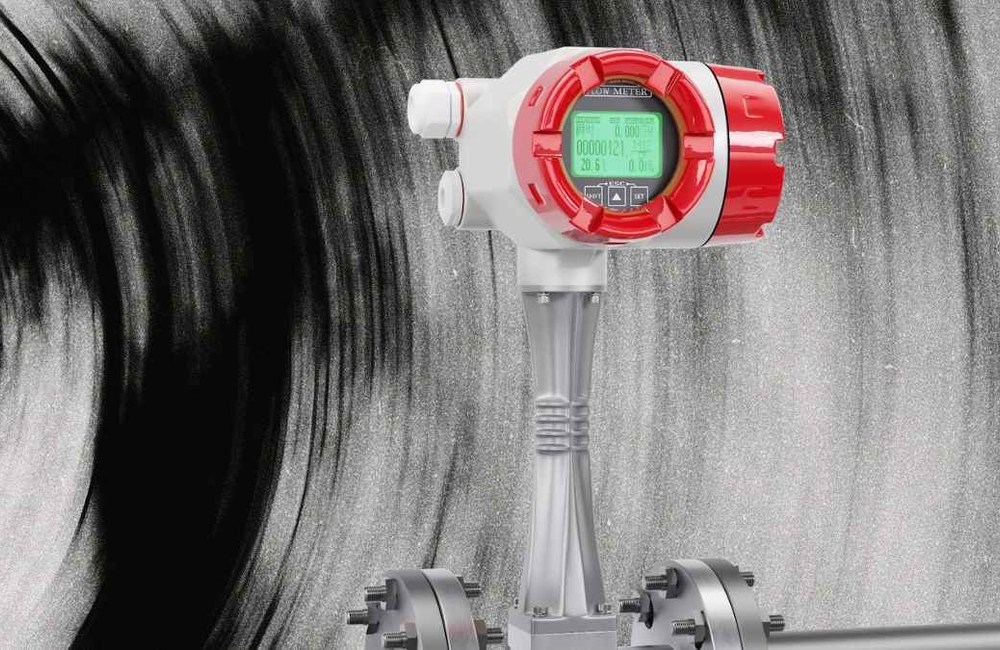
Precautions for Installing Vortex Flow Sensor
Improper installation can have serious effects on the accuracy of the automatic system's reporting results. Operators must pay special attention to the installation position of the flow sensor
Straight pipe length: Check the requirements of the model according to the source equipment, such as bends, valves, or pipe size changes, by measuring the starting and ending distances according to the manual
Pipe vibration: Avoid installing near pumps or valves that generate strong vibrations, which may interfere with the measurement signal
Flow direction: Observe the arrow on the body and install it strictly in line with the liquid flow direction in the piping system
Heat insulation: For steam, check the insulation position, the distance to be kept from the neck of the device, and the signal transmitter temperature coordinates according to the manual of that model
Summary
In summary, Vortex Flow Sensor is a crucial component for accurately measuring the flow rate of liquids, gases, and steam in modern industries. Choosing the right equipment can help reduce machine downtime and sustainably improve production efficiency. If you need consultation or are interested in high-quality measuring instruments, you can visit our services to receive support from expert engineers.
Interested in purchasing or consulting via LINE Official: @SCMA
If you want to buy Vortex Flow Sensor, you can buy it from SCMA today!
Selecting an accurate flow sensor is the first step toward improving product quality and reducing long-term production costs for your organization. SCMA Co., Ltd. is pleased to offer comprehensive design and installation services for measuring instruments (Project & Solutions) by our experienced engineering team. We are ready to deliver Vortex Flow Sensor that meets all durability requirements to ensure your factory operates efficiently.
Frequently Asked Questions
Can Vortex Flow Meter measure steam?
This device can accurately measure steam. The sensor is designed to be durable against high heat and pressure in industrial steam systems.
How often should the equipment be cleaned?
Determine the inspection schedule based on the fluid condition, history of deposits, signal changes, and the manual for that model.
Can this sensor be installed vertically?
Check the direction permitted by the manufacturer. For liquids, upward flow in vertical pipes often helps fill the pipe, but installation still depends on the model, fluid condition, and piping layout.
Are there parts that need frequent replacement?
The internal structure has no moving parts that need to rub against each other, so users do not need to frequently replace consumable parts as in older models.
Can it measure highly viscous liquids?
It is not recommended to use it for measuring highly viscous liquids. Excessively high viscosity can hinder vortex formation, leading to inaccurate measurements.