Have you ever wondered why the measured temperature values in the production process are so inconsistent that they cause work to stall? Solving this issue starts with using a Temperature Calibrator alongside calibration services from SCMA, which adhere to international standards. This article will delve into the working principles, benefits, and a checklist for selecting calibration equipment so that you can truly reduce wasted time in your factory.
What is a Temperature Calibrator?
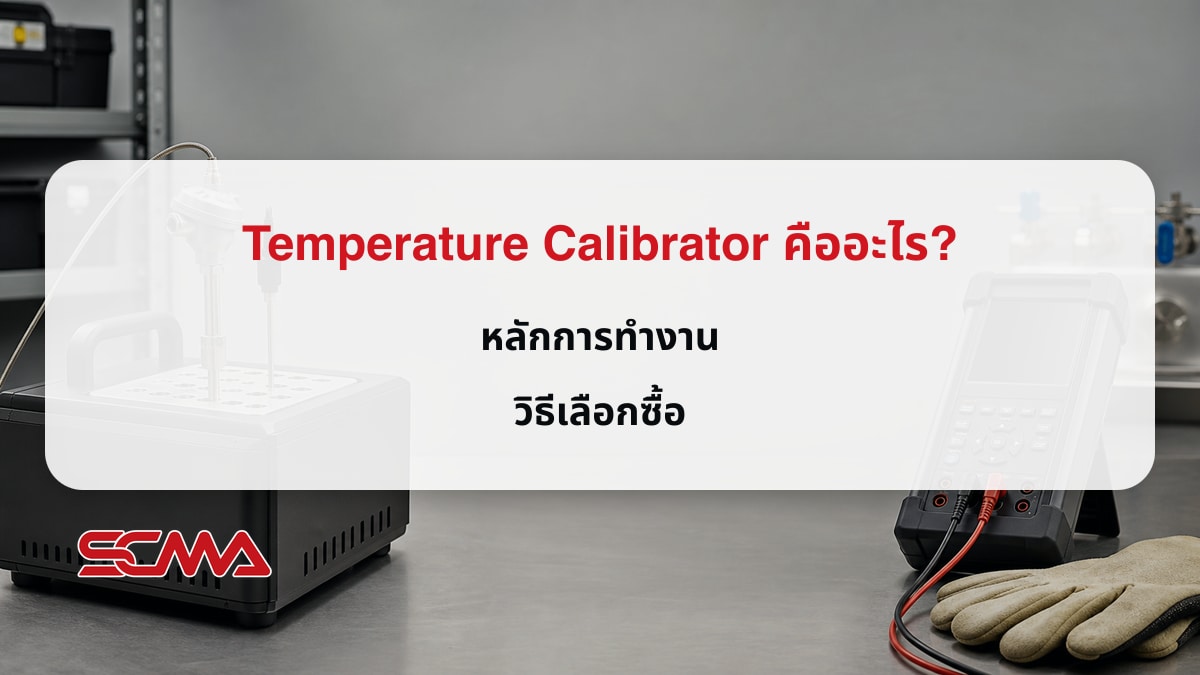
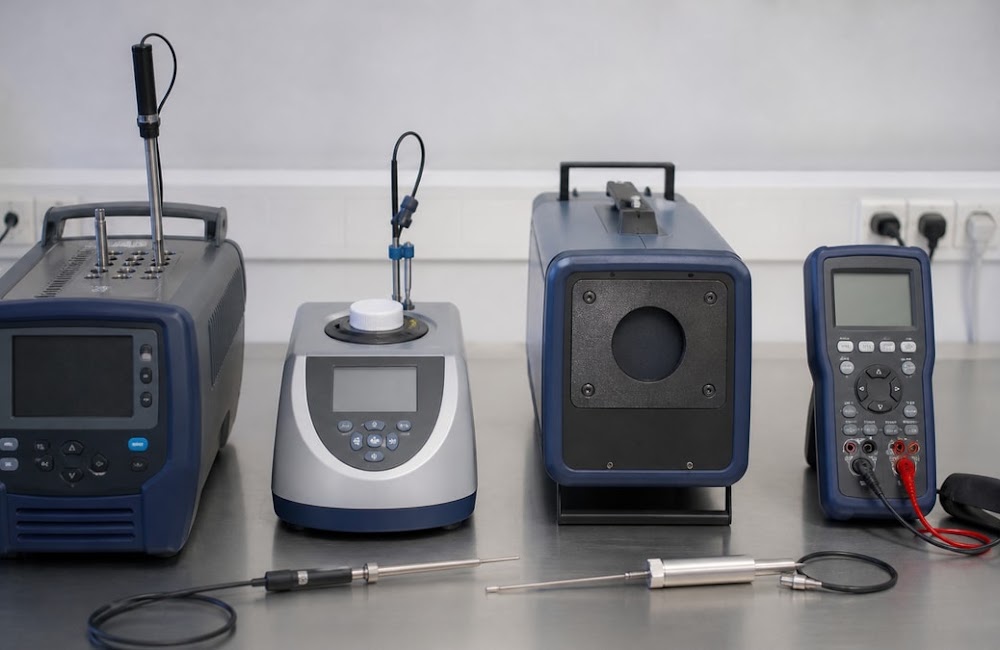
A temperature calibrator is an accuracy verification device for measuring heat and cold. It functions by generating temperatures or simulating electrical signals to send to the destination sensor. This tool is crucial as it serves as a reference source for checking discrepancies during the calibration of industrial systems.
When Should You Calibrate Measuring Instruments?
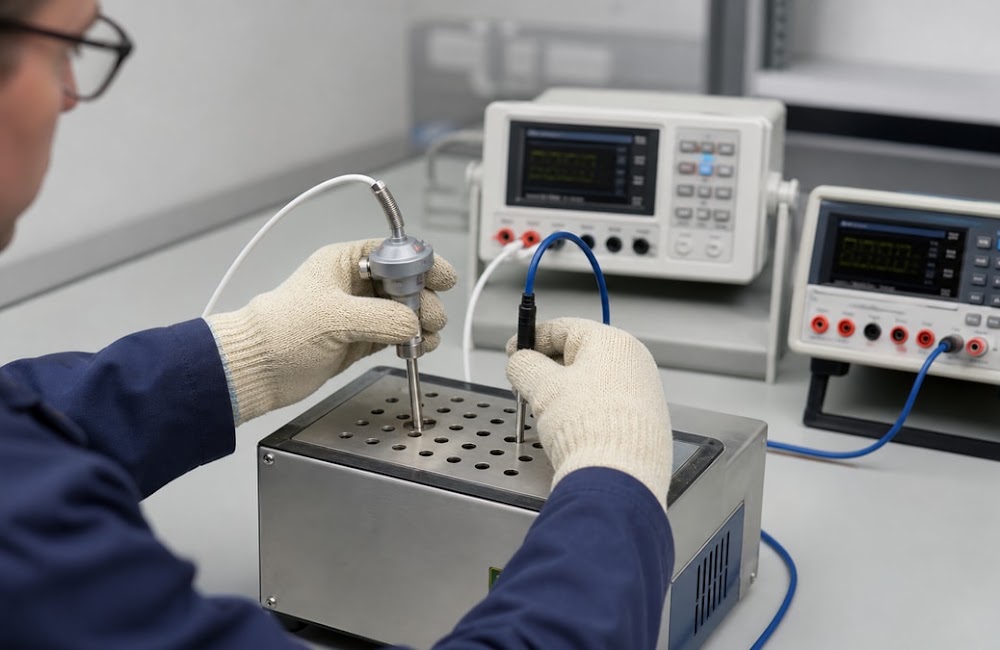
The appropriate time for calibration begins with checking the manual of each measuring instrument, which clearly specifies the duration or usage cycle. Operators must continuously monitor temperature readings; if values from sensors start to deviate, they should immediately plan for calibration at a standard service center.
How a Temperature Calibrator Works
The operation of a Temperature Calibrator is designed to evaluate the accuracy of measuring devices. This type of equipment primarily functions in managing temperature values and signals from sensors as follows:
Signal Simulation Mode (Source)
The device acts as an electrical signal source, sending simulated signals to the target system for testing its response. This method allows engineers to check the performance of a Temperature control system without relying on real environmental conditions, which is a crucial step in preventive calibration.
Measurement Mode (Measure)
This mode reads electrical signal or temperature values directly from sensors. The data obtained will be compared with preset standard values. Working this way helps technicians accurately identify discrepancies.
How Many Types of Temperature Calibrators Are There?
Selecting the right type of Temperature Calibrator for specific tasks is very important. SCMA categorizes calibration tools based on their usage into 4 types as follows:
Dry Block Calibrator
The dry block calibrator is widely popular due to its ease of use and quick heating capability. Users simply insert the sensor probe into a metal block slot to read values, making it ideal for wide-range temperature calibration and easy portability on-site.
Calibration / Micro Bath Calibrator
The liquid bath calibrator uses water or oil as a medium to transfer heat. Its highlight is providing high stability and accuracy in calibration. It can freely immerse oddly shaped temperature probes for testing.
Infrared Calibrator
This tool is specifically designed for calibrating infrared thermometers. The device simulates a target surface with precise temperatures, enabling remote-sensing sensors to read and accurately compare values effectively.
Surface Calibrator
The surface calibrator was created to test adhering measuring devices. This equipment creates a smooth surface with constant temperature values, allowing contact-surface sensors to attach closely and receive heat for accurate processing.
Maintenance of Temperature Calibrator
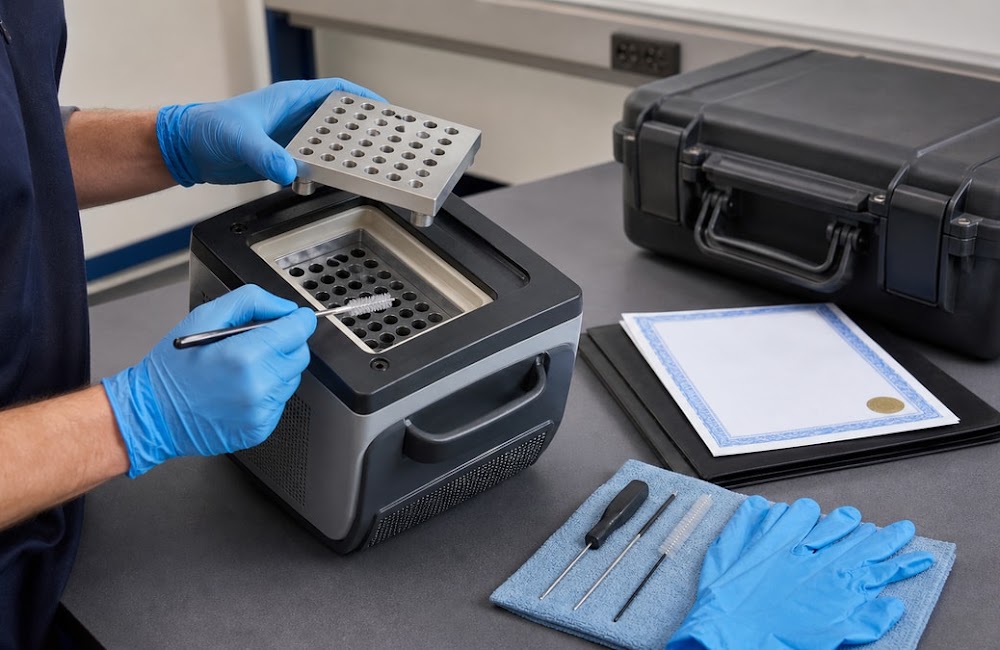
To ensure the long-term highest accuracy of the Temperature Calibrator, proper maintenance is essential. The SCMA engineering team has guidelines for maintaining the Sensor and the device as follows:
Cleaning and Storage
Use a damp cloth to clean the exterior of the device, avoiding harsh chemicals. Store it in a shockproof box to prevent moisture and dust. It is important to be careful not to drop the device's Sensor, causing damage.
Energy Management and Battery
The user should charge the battery fully according to the specified period to extend its lifespan. If there are no plans to use the Temperature Calibrator for a long time, it is advisable to remove the battery immediately. This helps prevent chemical leakage that can damage internal circuitry.
Instrument Calibration
The reference standard device itself must also undergo regular calibration at least once a year. The operator must ensure that the instrument can be traced back to international standards, for which SCMA has a team of experts ready to provide comprehensive care in this area.
Usage of Temperature Calibrator
The use of a Temperature Calibrator in an industrial plant helps ensure that control systems operate safely and meet standards. This tool covers the testing of sensors and various other equipment as follows:
Simulating and Delivering Temperature Signals
This function simulates voltage values to test control systems without waiting for machinery temperatures to rise in reality. It sends simulated signals to controllers to check system safety connections, reducing the risk of on-site damage.
Calibrating Sensors (Sensor Calibration)
This step involves checking and comparing the error readings of temperature probes directly. Engineers adjust the read values to match standard measurements. Detailed calibration ensures that processing systems receive accurate temperature data.
Transmitter Calibration
This is testing and adjusting transmitter settings so they can correctly convert sensor data into standard electrical signals. Working with a Temperature Calibrator in this step confirms that the signals sent to central control systems are not distorted.
Benefits of Temperature Calibrator
Investing in temperature calibrators provides a worthwhile return through reduced risks in the manufacturing process. High-quality calibration tools from SCMA offer these standout benefits:
High Accuracy and Versatility
The equipment can create signals and simulate temperature values to accurately test various types of sensors. This flexibility allows operators to maintain measurement instruments comprehensively within the factory, reducing the need to purchase multiple types of tools.
Establish Industry Standards
Regular calibration ensures that measuring devices operate correctly according to specified specifications, resulting in consistent product quality and compliance with international standards. This builds brand credibility in customers' eyes.
Suitable for Various Applications
New models of calibrators can measure and simulate electrical signals diversely. Besides temperature measurement, they can also test equipment within the entire control loop, enhancing preventive maintenance capabilities effectively.
Comprehensive Service Support
Selecting tools from SCMA comes with international standard calibration services included. We have a team of expert engineers available for consultation from the purchasing stage to after-sales care, simplifying management processes.
How to Choose a Temperature Calibrator
Selecting a Temperature Calibrator involves considering several factors to meet production standards. Here is a checklist for engineers when choosing calibration equipment:
- Evaluate the Type of Sensor Used: Check if your factory primarily uses RTD or Thermocouple, and choose a device that accurately simulates signals.
- Determine Temperature Range: Select an instrument with specifications covering the lowest and highest temperature ranges in your production line.
- Consider Accuracy: The accuracy of the calibrator must always be better than the measurement tool's standard you intend to calibrate.
- Select a Device Suitable for Your Needs: If portability is key, choose Dry-Block; otherwise, if testing Temperature Controller, opt for Multifunction Calibrator.
- Trustworthy Distributor: Purchase from a company with service centers and an engineering team to minimize long-term issues.
5 Mistakes to Avoid During Temperature Calibration
Even with good Temperature Calibrators, incorrect practices can lead to inaccurate results. Here are precautions during operation for the most accurate readings:
- Neglecting Room Temperature Adjustment: External environment affects calibration outcomes.
- Dipping Sensor Probe Too Shallowly: The temperature probe must be at an appropriate depth within the heating block.
- Failing to Wait for Thermal Stabilization: Recording data before the device and probe reach thermal equilibrium leads to inaccurate results.
- Omitting Cold Junction Compensation (CJC): For thermocouple work, setting reference points correctly is crucial.
- Maintaining Calibration Intervals Too Long: Strictly adhere to intervals specified in the manual.
Summary
A Temperature Calibrator is crucial for maintaining the accuracy of Sensors within a factory. Proper calibration helps prevent damage and reduces downtime of machinery. If you are looking for Temperature Solutions, we provide comprehensive services.
If you want to purchase a Temperature Calibrator, SCMA is available today!
The selection of standardized measuring tools directly impacts production quality and reduces long-term losses. If your organization needs high-performance Temperature Calibrators, SCMA is ready to provide consultation services with a team of expert engineers to enhance the standards of Sensors in your factory.
Frequently Asked Questions
Which type of work is suitable for Dry-Block Temperature Calibrator?
It is ideal for fieldwork that requires high mobility because it is portable and can quickly achieve temperature without the need for oil as a medium.
If a Sensor reads slightly inaccurate values, do you have to replace it immediately?
No immediate replacement is necessary. Engineers can use calibration tools to adjust settings and correct deviations back to standard accuracy.
What are the differences between self-calibration and sending for professional service?
Sending to a certified service center will provide an accuracy certification, which is crucial for quality system verification in factories.
How often should Temperature Controllers be calibrated?
The general standard recommends testing at least once a year or as specified by the manufacturer's manual.
Does SCMA offer consultation services before purchasing measuring tools?
We have a team of expert engineers ready to assess your site and provide advice on selecting equipment that is specifically suitable for your production line.