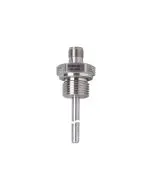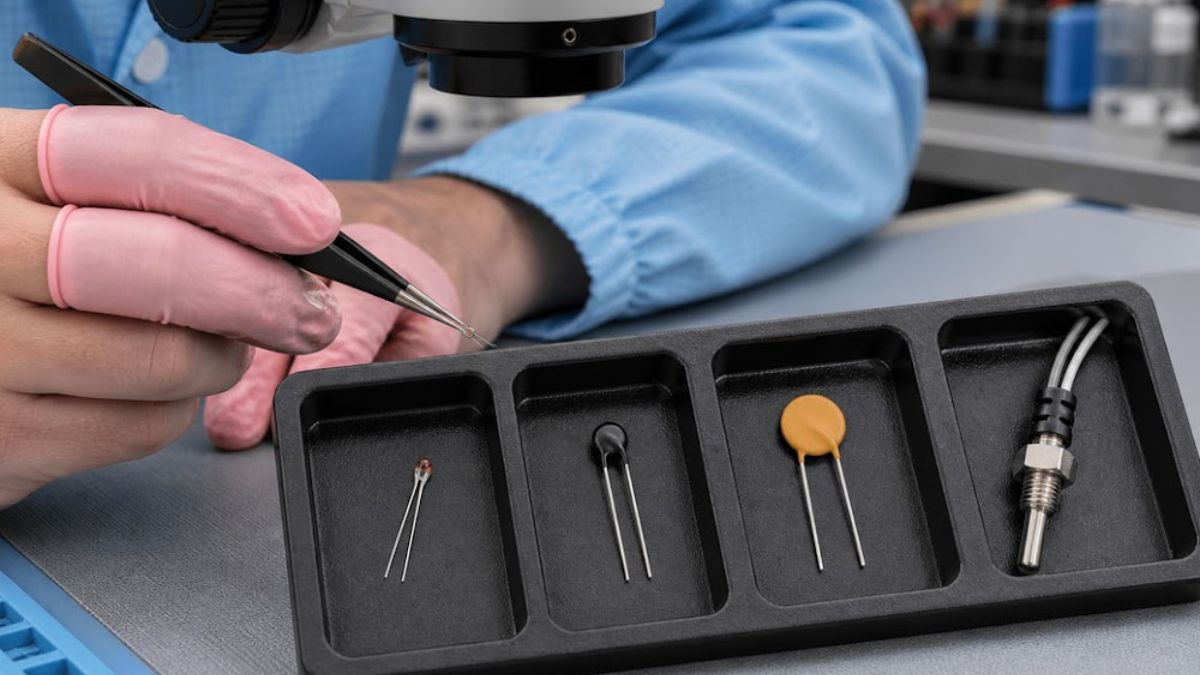
Are you facing issues with machinery shutting down due to excessive heat? Choosing a high-quality Thermistor may be the most effective solution for maintaining stable temperatures. A thermistor is a highly accurate type of Temp Sensor, and SCMA offers comprehensive consulting and design services for industrial sensor systems. This article will delve into how they work, how to select them, and proper maintenance methods to extend their lifespan.
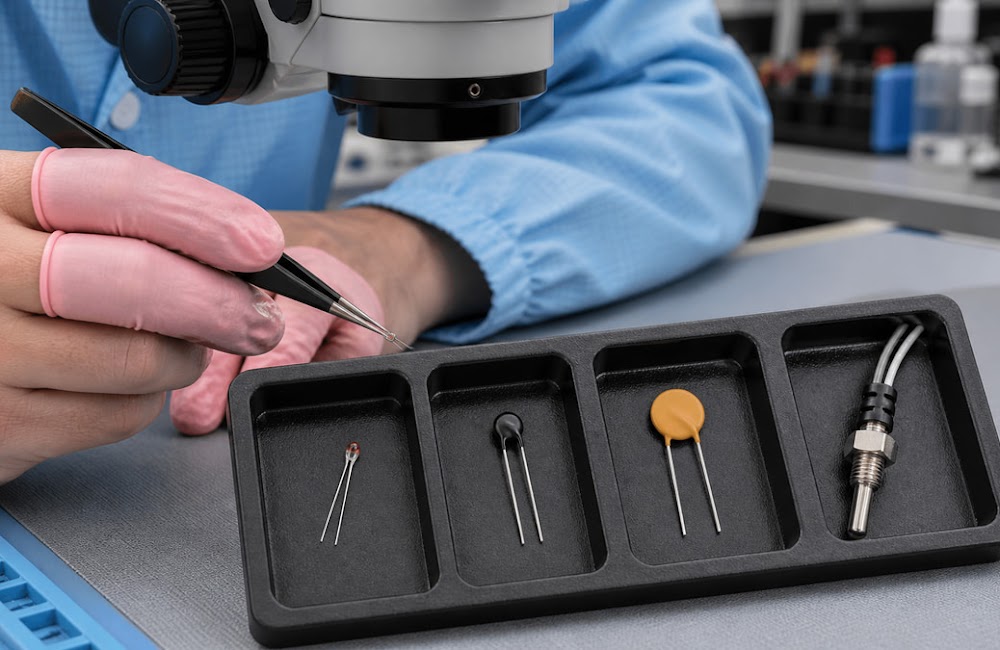
What is a Thermistor?
A thermistor is a type of temperature sensor or Temp Sensor that operates by changing its electrical resistance according to the ambient temperature changes. Thermistor devices are widely applied in electronic circuits, household appliances, and large-scale industrial control systems due to their high sensitivity to temperature changes, allowing for rapid detection of temperatures.
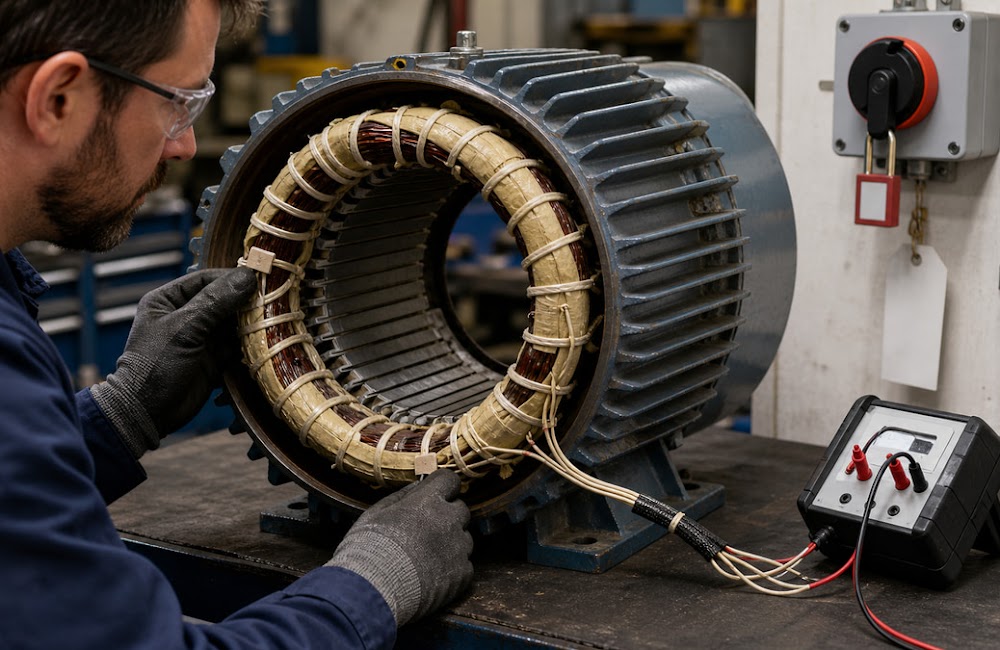
The Working Principle of a Thermistor
A thermistor works by utilizing the temperature-sensitive properties of semiconducting materials. When the ambient temperature around the sensor changes, its internal resistance rapidly adjusts accordingly. The universal working principle of a thermistor used as a Temp Sensor in industry converts these changing resistance values into electrical signals, which are then sent to controllers for accurate temperature processing.
How many types of thermistors are there?
The classification of thermistors is based on the behavior of resistance values in response to changes in temperature. This type of temperature sensor can be divided into two main types:
NTC (Negative Temperature Coefficient) Type
The NTC thermistor has the characteristic that its resistance value decreases as temperature increases. This type of thermistor is widely used as a Temp Sensor for general temperature measurement due to its high accuracy in normal operating temperatures.
PTC (Positive Temperature Coefficient) Type
The PTC thermistor has the characteristic that its resistance value increases as temperature rises. This type of operation makes the PTC thermistor suitable for preventing overheating in electrical circuits, functioning like a switch to cut off power when the Temp Sensor detects excessive heat.
Thermistor Maintenance
Based on the experience of the SCMA engineering team, proper maintenance of thermistors is crucial for preserving the accuracy of Temp Sensors. To prevent damage and extend their lifespan, follow this checklist:
Regular Cleaning
Clean the measuring head of the thermistor and wires using a dry cloth or slightly dampened cloth to remove accumulated dust. Be cautious not to use corrosive cleaning agents on Temp Sensors as they may damage the sensor's coating.
Inspect Wires and Connectors
Check for insulation damage on the wires and observe any rust buildup around the thermistor connectors. Damage in these areas can cause hidden resistance, leading to inaccurate readings from the Temp Sensor.
Avoid Vibration and Impact
The internal structure of a thermistor is made of brittle semiconductors; therefore, it should be protected from severe impacts. Installation in high-vibration areas may cause damage to internal components.
Control Operating Temperature Range
Users must ensure that the thermistors are used within the temperature range specified by the manufacturer. Exposing Temp Sensors to excessive heat can rapidly degrade semiconducting materials, leading to loss of accuracy.
Calibration
Regularly calibrating thermistors against standard values is an essential maintenance step for SCMA. It's recommended to calibrate Temp Sensors according to the specified intervals to ensure that temperature control systems continue to function correctly.
Thermistor Usage
In a case study where SCMA provided system maintenance for a customer, we found that thermistors are versatile devices with wide-ranging applications. The use of Temp Sensors covers the following temperature control systems.
HVAC Control and Conditioning Systems
The use of Thermistors in conjunction with temperature controllers helps maintain the indoor cooling conditions efficiently. The Temp Sensor works together with humidity sensors to command the HVAC system to adjust temperatures in balance.
Industrial Mechanics Equipment
In actual work sites, thermistors are installed to detect engine and coolant heat. Using Temp Sensors can prevent motor burnout by immediately shutting down operation when the motor reaches a temperature higher than the set value.
Electronic Circuit Design
PTC type Thermistors are used in current limiting circuits to prevent overcurrent. Engineers can also connect Temp Sensors with microcontrollers to create digital thermometers for real-time temperature readings.
Advantages of Thermistor
The most prominent advantage of thermistors is their high sensitivity in detecting heat. The resistance value of a Thermistor changes clearly even when the environment changes slightly. This type of Temp Sensor also has compact size and provides high accuracy at ±0.1°C, helping factories save energy efficiently in control systems.
How to Choose a Thermistor
Selecting the right thermistor for an industrial application requires careful consideration of specifications for the best results. Key criteria for selecting Temp Sensors include:
- Select the type that fits the job: Decide between NTC thermistors for general temperature measurement or PTC thermistors for high-temperature circuit protection.
- Evaluate Temperature Range: Check the maximum operating temperature of your application to ensure it does not exceed the limits supported by the Temp Sensor (typically ranging from $ -50^\circ\text{C} $ to $ +150^\circ\text{C} $).
- Consider Mounting Type: Thermistors come in probe styles for liquid measurement in pipes and surface-mount types for attaching to machinery.
- Check Base Resistance Value: Verify the resistance value of the thermistor at $ 25^\circ\text{C} $ matches the specifications required by your PLC or controller system.
- Environmental Durability: Consider the protection level (IP Rating) if installing Temp Sensors in outdoor areas, or consult SCMA's engineering team to match models with existing machinery.
Cautionary Measures for Using Thermistors
Despite the many advantages of thermistors, users must be aware of certain limitations to prevent measurement errors. Cautionary measures when using Temp Sensors include:
- Avoid Self-heating Issues: Electrical current flowing through a thermistor can cause self-heating, leading to inaccurate temperature readings.
- Non-linearity: Thermistors do not have linear responses to temperature changes. Using Temp Sensors over wide temperature ranges may require compensation circuits.
- Temperature Limitations: Thermistors are unsuitable for applications with temperatures exceeding $ 300^\circ\text{C} $. For such high-temperature measurements, consider using alternative sensor types.
Summary
In summary, a thermistor is an important temperature control sensor in the industrial sector. Understanding the types and proper maintenance methods of thermistors can help reduce machine downtime. If you are looking for Temperature Sensors for Industrial Systems, SCMA is ready to be your partner in consultation and system design tailored to your needs.
If you want to buy a Thermistor, you can purchase from SCMA today!
Selecting non-standard temperature measurement equipment may cause damage to the entire production system. Thermistors selected by SCMA are guaranteed with international quality and durability standards. We have a team of expert engineers ready to provide advice on selecting Temp Sensors and offer comprehensive thermistor services to enhance your factory efficiency.
Frequently Asked Questions
How is a Thermistor different from an RTD?
A thermistor is made of semiconducting material, responds faster, and provides high accuracy in narrow temperature ranges. An RTD (Resistance Temperature Detector), on the other hand, is made of metal and is suitable for applications requiring wider temperature measurement ranges.
Can the thermistor wiring be extended?
The wiring can be extended but caution must be taken regarding increased wire resistance which may cause Temp Sensor reading errors. Therefore, recalibration should always be done.
What is the lifespan of a Thermistor?
If used within specified temperature limits and cleaned properly, thermistors can last for several years without needing replacement.
What are signs that a Thermistor has failed?
When the Temp Sensor displays rapidly fluctuating temperature readings or reads significantly different from actual temperatures, it indicates potential sensor damage.
How often should thermistors be calibrated?
For industrial systems requiring high accuracy, SCMA recommends calibrating thermistors at least once a year to maintain production standards.