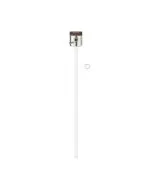
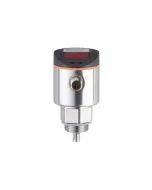
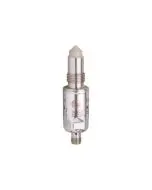
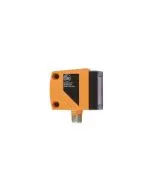
Level sensors are crucial devices in various industrial flow control systems, used to monitor and determine the levels of liquids or materials in tanks or containers. If you're looking for high-quality level sensors for your industrial work, SCMA offers comprehensive and highly efficient solutions for you. Let's get to know SCMA’s level sensors.
What is a Level Sensor?

A level sensor is a device used to measure and monitor the levels of liquids or materials in tanks or containers, such as oil storage tanks, water tanks, silos, etc. The level sensor functions by sending an alert signal when there is a change in the liquid or material level within the container, helping the control system decide whether to add or remove materials from the container.
How Do Level Sensors Work?
Level sensors (Level Sensors) operate differently based on their type but generally use technology to detect levels through physical means or electrical signals. Upon detecting a level change, the sensor converts the data into an electrical signal and passes it on to the control system for further processing and action.
What are the types of level sensors?
Level sensors come in various types based on their working principles and applications. We will introduce each type of sensor, including Optical, Capacitive, Ultrasonic, Radar, Vibrating, and others. Each type has its own advantages and is suitable for different applications.
Optical Level Sensors
Optical level sensors use the principle of light detection to measure the level of transparent liquids or solids. They emit a beam of light that hits the surface of an object and measures the reflected light with a receiver. These are suitable for materials such as glass, plastic, and water.
Capacitive Level Sensors
Capacitive level sensors use changes in capacitance to detect levels by calculating the dielectric constant of a material. They are suitable for measuring non-conductive materials such as liquids, plastic granules, flour powder, and sand.
Ultrasonic Level Sensors
Ultrasonic level sensors use high-frequency sound waves to detect levels by sending out a sound wave and measuring the time it takes for the echo to return, calculating the level. They can be used with both solids and liquids. The advantage is that they do not come into contact with materials, preventing contamination, but may be affected by temperature and air bubbles.
Microwave and Radar Level Sensors
Microwave and radar level sensors use the principle of reflecting electromagnetic waves similar to ultrasonic sensors, but they operate at microwave frequencies. This allows them to penetrate dust or vapor well, making them durable in high-temperature environments with higher accuracy and complexity in calculation. They are suitable for applications requiring precision and used in harsh conditions.
Vibrating and Tuning Fork Level Sensors
Vibrating and tuning fork level sensors work by measuring changes in the frequency of vibration of a probe when it comes into contact with material. Normally, they vibrate at their natural frequency; when the tip of the probe touches the material, the added mass causes the frequency to drop. The sensor detects this change in frequency and converts it to a level measurement. They are suitable for applications involving viscosity, air bubbles, or dust.

How do different level detection methods differ?
The main difference between each type of level sensor lies in the method of level detection. Some types are contact sensors that must come into contact with the material being measured, such as float, capacitive, and conductive sensors, among others. Other types are non-contact sensors, such as ultrasonic and radar sensors, which are suitable for different applications.
Level Sensor Usage
Level sensors (Level Sensor) are widely used in various industries, from manufacturing, food, chemical, pharmaceutical to energy sectors. The primary functions of level sensors include:
- Monitoring and controlling the levels of raw materials, chemicals, or products in tanks, silos, or reactors to control production processes.
- Measuring levels during transfer from one container to another to ensure the correct amount is transferred.
- Preventing overflow or shortages of substances in processes to avoid hazards or damage to machinery.
- Detecting leaks or abnormal quantities of substances in the system to alert before serious problems occur.
- Recording and reporting level data for trend analysis or inventory control.
In addition to industrial applications, level sensors are also applied in other areas such as:
- Measuring water levels in dams, rivers, or wastewater treatment systems.
- Measuring oil or gas levels in vehicles such as cars and airplanes to display readings for users.
- Controlling water or coolant levels in machinery or hydraulic systems.
- Checking the level of granular or powdered materials during conveying or storage processes in agricultural industries.

What Should You Consider When Choosing a Level Sensor?
When choosing to use a level sensor, the following factors should be considered:
- Type of substance being measured - liquid, solid, powder, viscous liquid, etc.
- Usage characteristics - point measurement or continuous measurement, at what level, how much accuracy is required
- Environmental conditions during use - temperature range, pressure, presence of dust or foam, vibration
- Installation limitations - space size, installation direction, measurement distance
- Compatibility with control systems - what type of sensor output is required, calibration needed or not
If you are interested in Level Sensors, Contact SCMA Today!
If you are looking for high-quality level sensors for your industrial work, SCMA is ready to provide consultation and offer products that meet your needs. We have been experts in automation systems and measurement equipment in the industry for a long time. Our team provides advice from product selection, installation, to maintenance so that you can use our level sensors with maximum efficiency. For inquiries or price quotes, contact us via our website or phone number. We are happy to serve you.

Summary
Level Sensors are crucial devices in the control systems of various industrial production processes. There are numerous types of level sensors that differ based on their operating principles and applications, which require careful selection to suit our specific working conditions. SCMA understands the importance of this point well, andis ready to provide services for consultation and recommending level measurement systems that best meet customer needs, thereby enhancing operational efficiency and reducing long-term costs. If you are looking for the best level sensor solutions, why not consult with SCMA? We are fully prepared to serve you.
Frequently Asked Questions
What are level sensors?
Level Sensors are devices used to monitor and measure the level of liquids or materials in tanks or containers. They convert the level measurement into an electrical signal that is sent to a control system for further action.
How many types of distance sensors are there?
Level sensors come in various types based on their operating principles, such as Optical, Capacitive, Ultrasonic, Radar, Vibrating, etc. Each type is suitable for different applications and must be selected according to the installation conditions and limitations.
What are water level sensors?
For measuring water levels, commonly used level sensors include Ultrasonic Level Sensors that use sound waves to detect water levels, float-type sensors that rely on a float for reading the level, or radar sensors based on electromagnetic wave reflection, which are highly accurate and resistant to corrosion.
How many types of level transmitters are there?
Level Transmitters, or devices that transmit level signals, come in several types based on their operating principles such as float-type (Float), radar-type (Radar), ultrasonic-type (Ultrasonic), capacitive-type (Capacitance), etc. The output of the level transmitter may be analog 4-20mA, Voltage, Switch, depending on the device and must match the control system in use.