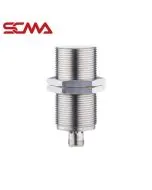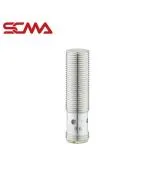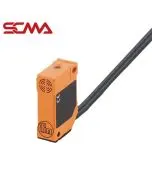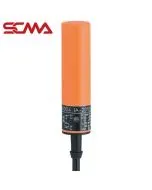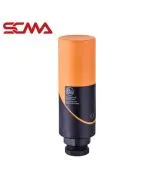

A proximity sensor, or Proximity Sensor, is a crucial device in automation systems and numerous industrial applications. SCMA (SCMA), an expert in measurement tools and automatic systems, offers services including consultation on selecting the right proximity sensors for specific uses.
A proximity sensor is a type of sensor used to detect objects without direct contact with them, allowing detection without causing damage to the target object. It works by using changes in an electric or magnetic field near the front surface of the sensor; when an object approaches, it triggers a signal for further control.
What is a Proximity Sensor?
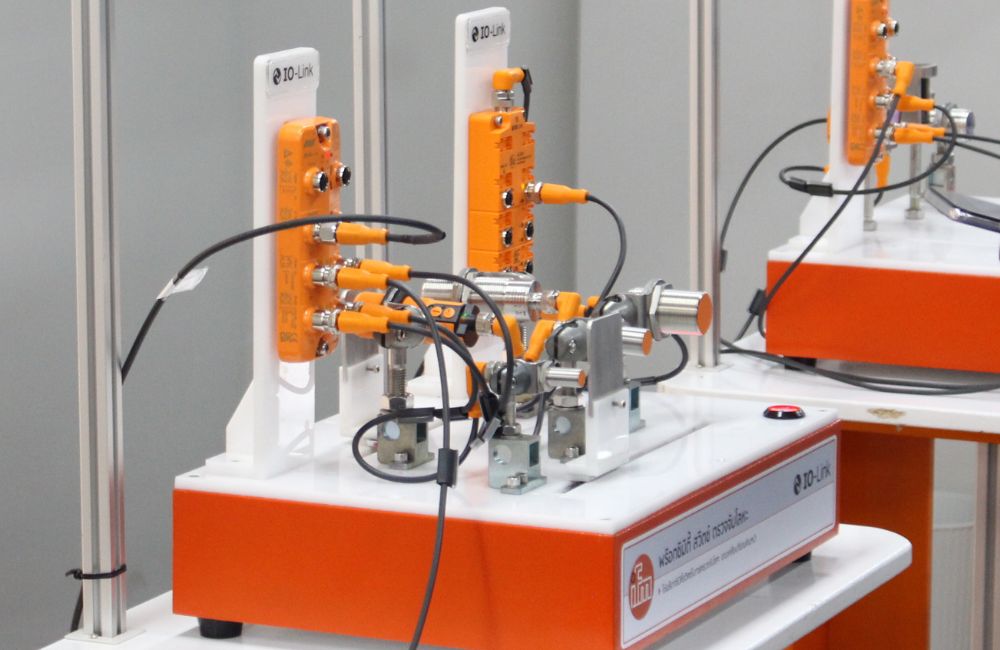
Proximity Sensors (Proximity Sensor) are designed to track metal or other objects without direct contact. Proximity sensors are non-contact detection sensors suitable for fragile, easily broken items, or those that do not require contact, making them last longer than contact-type sensors.
What Are Proximity Switches (Proximity Switch)?
The term proximity switch is often used interchangeably with proximity sensor, but there are some differences. A proximity sensor detects objects within its working range without contact, while a proximity switch functions to open or close circuits upon detection of the target object by the sensor.
How does a Proximity Sensor work?
In general, a proximity sensor works by sending data about the detection of objects or object movement in the form of electrical signals. When an object enters the operational range of the sensor, it causes a change in the output status of the sensor. Each type of proximity sensor has different working principles as follows:
Working principle of Inductive Detection Sensor
An inductive proximity sensor or metal detection sensor (Inductive Proximity Sensor) works based on the principle of induced current flow, which occurs due to the loss of external magnetic energy when passing through a conductive material. The sensing coil creates an alternating magnetic field (AC), and measures changes in impedance caused by the induced current.
Working principle of Capacitive Detection Sensor
A capacitive proximity sensor works based on changes in capacitance between the sensor and an object, which is affected by distance and size of the object. This influences the amount of electrical charge. This type of proximity sensor measures changing capacitance values that vary with approaching objects.
Working principle of Magnetic Proximity Switch
A magnetic proximity switch (Magnetic Proximity Switch) uses a magnet at the end of the switch. When the magnet attracts and opens the switch, the sensor also connects to work accordingly. Generally, proximity sensors are not dependent on the color of an object's surface but only consider physical movement and changes in position.
How to Use a Proximity Sensor
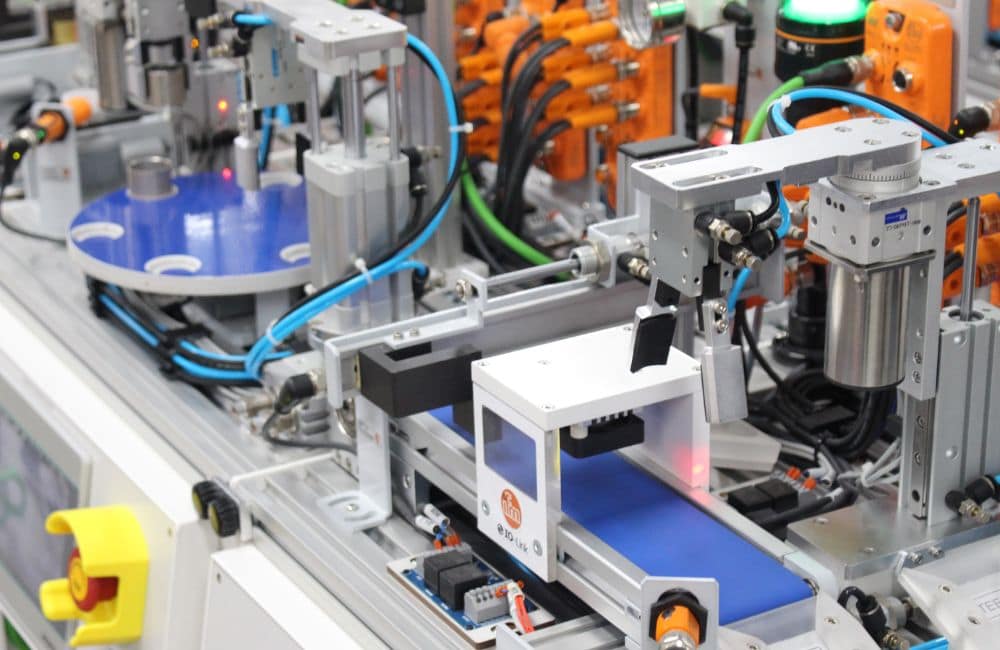
The use of proximity sensors can be applied in various environments and types of work, especially for tasks that require detecting objects at specific distances such as:
- Standard object positioning
- Logistics, transportation, or supply chain systems
- Quality control and inspection of parts
- Automatic system control work
- Material level measurement
- Food and agriculture industry
Proximity sensors are a better choice than other types of sensors if used in conditions with water or oil, especially capacitive type sensors which can be applied to mediums such as water, resin, and metal powder depending on the dielectric constant of the object.
How many types of proximity sensors are there?
Proximity sensors can be primarily categorized into three main types:
- Capacitive
- Magnetic
- Inductive
Each type has different characteristics and is suitable for specific applications, as detailed below:
Capacitive Proximity Sensor
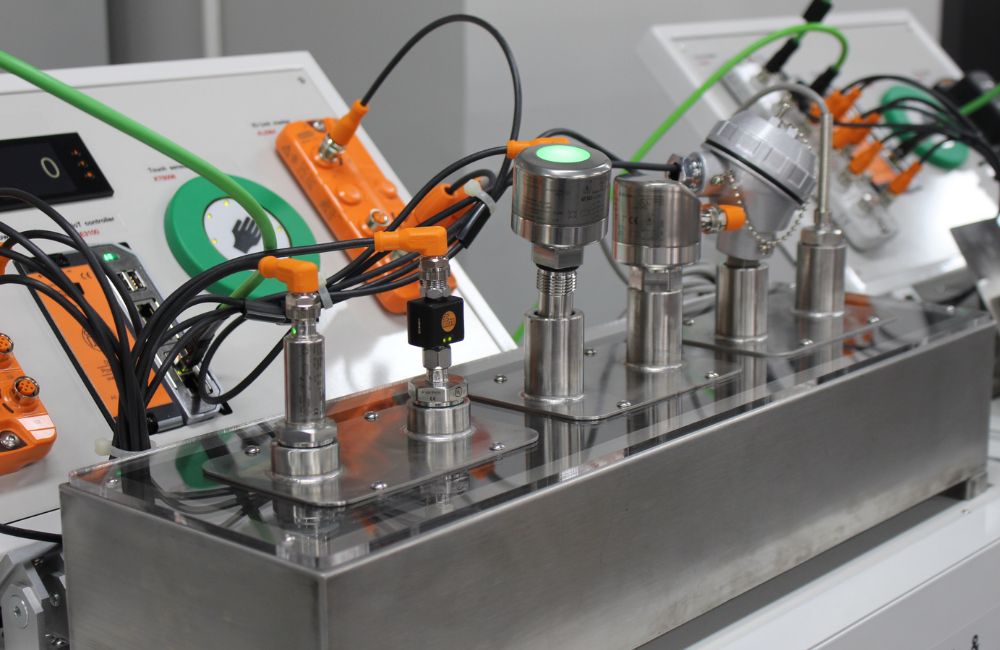
A capacitive proximity sensor (Capacitive Proximity Sensor) works similarly to a capacitor, with parallel signal distribution. It starts working when there is an electrical field change caused by objects passing through it. Capacitive Proximity Sensors are ideal for non-metallic materials or close-range applications such as liquid level measurement. However, these sensors can be affected by environmental factors and interference from other sensors. Factors to consider include shape, output type, detection range, target characteristics, IP rating, installation method, response time, etc.
Inductive Proximity Sensor
An inductive proximity sensor (Inductive Proximity Sensor) consists of a coil wound around an iron core. When metallic objects enter the magnetic field area created by the coil, there is an inductance change that triggers the sensor to work. It is suitable for detecting metals at close range or in hazardous environments where it may be affected by other sensors or nearby metal objects and must be installed carefully. Factors to consider include usage characteristics, switching frequency, output type, response distance, installation method, target type, detection range, and structure.
Magnetic Object Detecting Sensor
A magnetic object detecting sensor (Magnetic Proximity Sensor) is designed to detect objects using an internal magnetic field. It works exclusively with ferromagnetic materials and has high speed, making it suitable for applications requiring rapid detection changes. Considerations include sensor size, detection range, object characteristics, magnet position and sensitivity, IP level, output type, and operating frequency.
What are the Benefits of Proximity Sensors? Why Are They Important?
Proximity sensorsare a crucial component in modern industrial automation systems. They offer the advantage of detecting objects without direct contact, reducing the risk of damage to fragile workpieces. Proximity sensors can operate in environments with liquids, dust, and high temperatures. They have a fast response time and a longer lifespan than touch sensors. Additionally, they can detect through packaging materials, which enhances flexibility and efficiency in production lines.
If you are interested in proximity sensors, contact SCMA today!
SCMA or S.C.M.A., experts in automation systems and high-quality measurement tools for industrial applications, is ready to provide consultation and recommend suitable proximity sensors for your needs. With a knowledgeable team experienced in production processes,we are happy to serveyou from requirement analysis, design installation, to maintenance, to increase the efficiency of your factory.
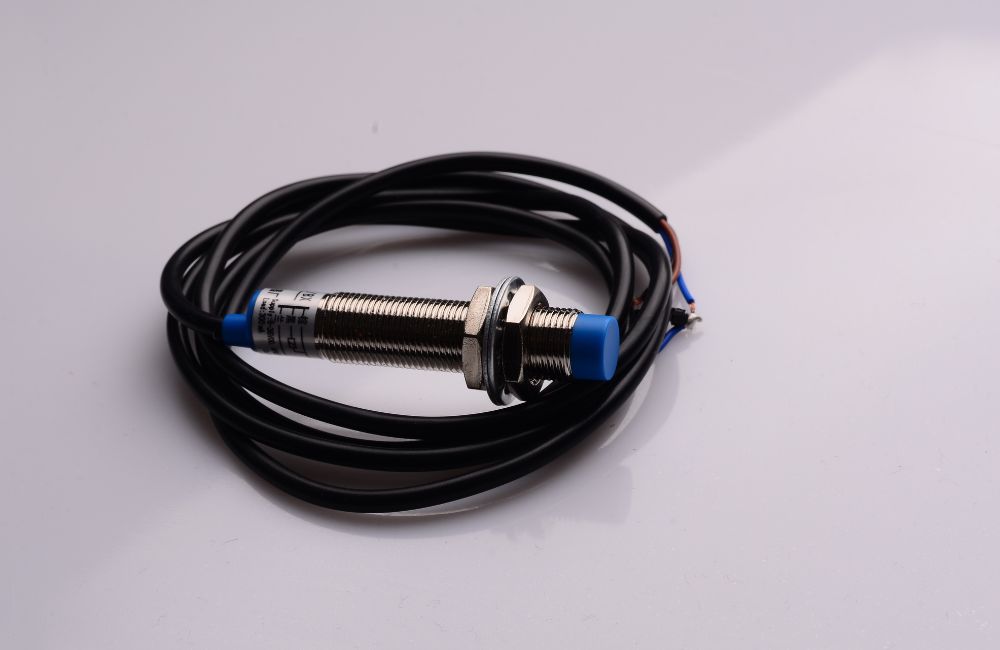
Summary
Proximity Sensor is a crucial device in modern manufacturing industries, with non-contact detection capabilities, durability, versatility, ease of use, and the ability to meet various application needs such as detecting metal, non-metal, liquids, and dust. This helps significantly improve production efficiency and quality. If you are looking forhigh-quality proximity sensors along with expert consultation,SCMA Company is the best solution for you. We are ready to be your business partner in developing your factory towards success.
Frequently Asked Questions
How many types of Proximity Sensors are there?
Proximity Sensors can be broadly categorized into three main types: inductive sensors for detecting nearby metal objects, capacitive sensors suitable for both metals and non-metals, and ultrasonic sensors for longer distances and a variety of materials.
Which type of Proximity Sensor is used to detect metallic and non-metallic equipment?
Capacitive Proximity Sensors are suitable for detecting objects that are both metal and non-metal, as they rely on changes in the capacitance between the sensor and the target object.
How does an Inductive Proximity Sensor work?
An inductive sensor uses a coil to create an alternating magnetic field. When a metal object enters this field, it induces eddy currents which cause changes in the inductance value. The sensor measures these differences and sends out a signal.
What does a Capacitive Proximity Sensor detect?
Capacitive Proximity Sensors are suitable for detecting various materials, including metals and non-metals as well as liquids, dust, plastics, glass, wood, etc., depending on the dielectric constant of each type of object.