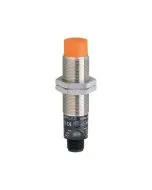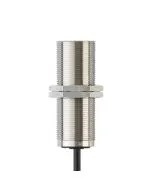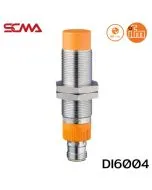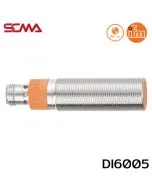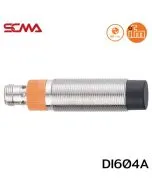

Speed Sensors, or rotational speed sensors, are important devices used to control the operation of machinery and vehicles. Speed Sensors measure the rotation speed of various equipment and send this data to the control system for appropriate adjustment. The services of SCMA provide advice on selecting the right speed detection devices suitable for your work.
How do Speed Sensors Work?

Speed Sensors, or speed detectors, work by detecting changes in magnetic fields or light. When an object or wheel with magnets or reflective surfaces moves past the sensor, it counts the number of rotations and converts this into a rotational speed value (RPM) to be sent to the control system for further calculation.
What are the Benefits of Speed Sensors?
Speed Sensors are crucial components in vehicle and machinery control systems. Data from speed detection sensors is used for automatic gear shifting calculations, fuel injection, displaying speed, and other related functions. Having accurate and durable speed detection systems helps prevent problems, extend the lifespan of equipment, and improve overall system efficiency.
Types of Speed Sensors
There are four types of vehicle speed sensors:
Magnetic Pickup Type (Electromagnetic Pickup Type)
It works on the principle of electromagnetic induction between a permanent magnet attached to the drive wheel and a pickup coil. As the wheel rotates, an alternating voltage proportional to the speed is generated in the coil. It is easy to use but has moderate accuracy, suitable for applications that do not require high precision.
MRE Type (Magnetic Resistance Element-MRE)
It works on the principle of changing resistance under a magnetic field using magnetoresistive materials. As the wheel rotates, the magnetic field causes changes in the resistance value of the MRE material, offering higher accuracy but at a higher cost than coil types.
Reed Switch Type
It works on the principle of opening and closing magnetic switches. When the magnet on the wheel passes by, it triggers the reed switch to operate. Suitable for installations with limited space, low cost but lower rotational speed tolerance and moderate accuracy.
Photo Coupler Type (Light Detection Set)
It works on the principle of interrupting light using a patterned disc or gear. As the disc rotates, the light from an LED is interrupted in pulses and detected by a phototransistor, providing signals proportional to speed. It offers high accuracy and can be installed close to the measurement point but at higher cost with more maintenance.

How to Use Speed Sensors
Speed Sensors are widely used in various industries, from automotive and machinery to speed control devices. Important examples of their use include:
- Measuring engine RPM or crankshaft speed
- Detecting vehicle speed to display on the speedometer and control operation
- Measuring RPM in machinery to prevent over-speeding
- Controlling speed in conveyor systems, elevators, and escalators
- Using with tachometers in various testing equipment
The demand for Speed Sensors across different types of work is increasing. Users need to choose the appropriate sensor type based on job requirements, cost, and desired accuracy.
Tips About Speed Sensors
- If a vehicle's speedometer needle is behaving abnormally or the automatic transmission is malfunctioning, it may be due to dirty or damaged Speed Sensors. Cleaning or replacing the sensor should be considered.
- Before deciding that a Speed Sensor is faulty, check if the plug and wiring are loose or disconnected; this can often be easily fixed.
- Some models of Speed Sensors are rare and expensive. Consider using second-hand parts as a cost-saving alternative.
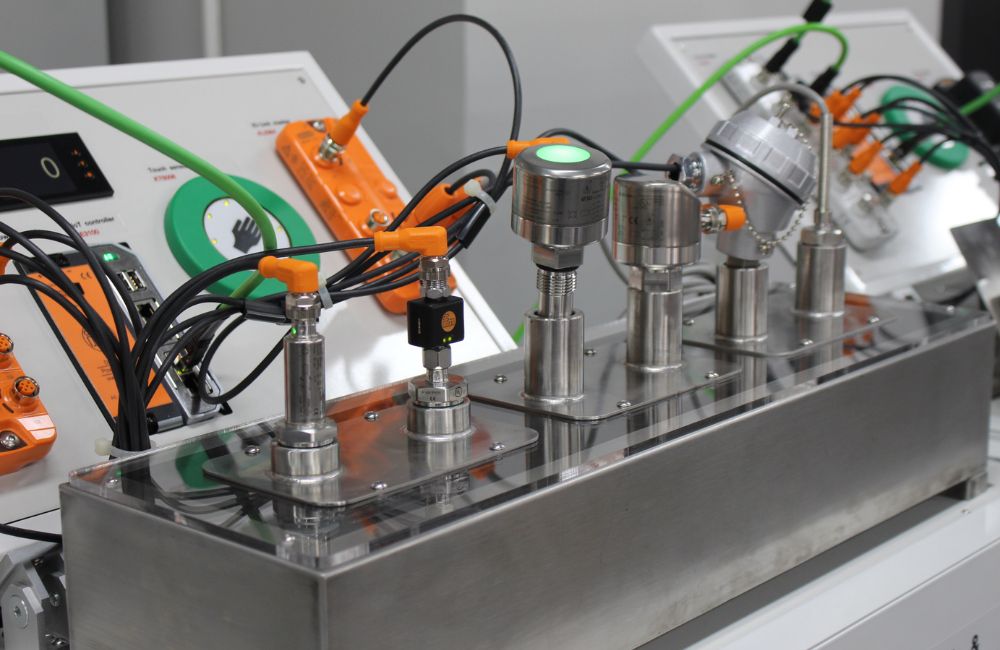
If you are interested in Speed Sensors, contact SCMA today!
SCMA is an expert in all types of Speed Sensors. Whether you need them for any application, we are happy to provide consultation and quick service with our team of professional engineers, offering quality products that meet every requirement. Customers can trust SCMA in selecting the right Speed Sensor solution tailored to their needs. We are also pleased to offer guidance throughout the installation process to ensure your work achieves maximum efficiency.
Summary
Speed Sensors are crucial for detecting rotational speed and controlling various systems in automotive, machinery industries, and more. Choosing the right Speed Sensor and installing it correctly will help your system operate efficiently, safely, and extend its lifespan. If you have any questions or need further information about Speed Sensors and our services at SCMA, feel free to contact us immediately. Our team is ready to serve you with full capability to meet your Speed Sensor needs comprehensively.

Frequently Asked Questions
What is the function of a speed sensor?
A speed sensor, or speed detector, measures the rotational speed in various equipment such as engines, car wheels, rotating shafts, and belts. It sends this data to the control system for accurate calculation and adjustment of operations.
How many types of speed sensors are there?
There are four main types of speed sensors: electromagnetic, magneto-resistive (MRE), reed switch, and photoelectric. Each type has different working principles, accuracy levels, and prices based on their intended use.
What impact does a faulty engine RPM sensor have?
If the engine RPM sensor is faulty, it will not accurately detect rotational speed. This can lead to incorrect speed display, automatic gear shifting issues, and abnormal fuel injection, causing the engine to operate inefficiently. It may result in jerking, gear failure to shift, or even engine stall during driving, affecting safety and vehicle lifespan. Therefore, repair or replacement of the sensor should be done as soon as possible.
What is the function of an engine speed detector?
The primary role of a speed detection device for engines is to measure the rotational speed of the crankshaft or camshaft and send this data to the Engine Control Unit (ECU) for precise calculation of ignition timing, fuel injection quantity, air-to-fuel ratio, and other commands that ensure smooth and efficient engine operation across all RPM ranges.