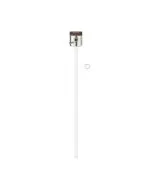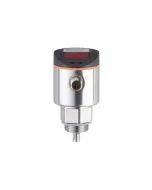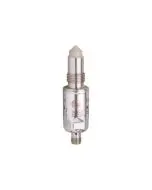
Are overflowing liquid tanks or empty water pump operations causing damage to your production line? Choosing an accurate liquid level sensor is the correct solution. The expert SCMA engineering team in automatic systems is ready to consult and design precise solutions for you. This article delves into how they work, types, maintenance methods, so that you can choose liquid level measuring equipment worth using over the long term.
What is a Liquid Level Sensor?
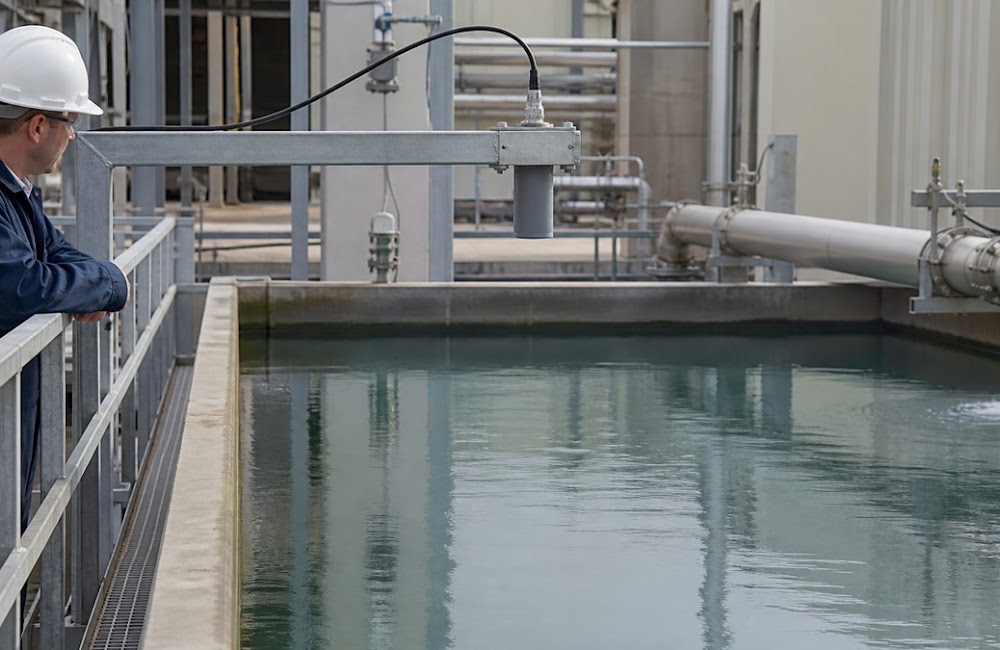
A liquid level sensor (Liquid Level Sensor) is an instrument that detects the height, volume, or quantity of liquids inside storage containers. This device converts measured values into electrical signals sent to automatic control systems to command pump operations, warn of critical levels, or record data. Level Sensor is crucial in preventing damage during industrial production processes.
How Liquid Level Sensors Work
Understanding the working principles helps users select the appropriate technology for their real-world environment. Each type of liquid level sensor has a different detection process as follows:
Ultrasonic Working Principle (Ultrasonic)
This technology uses high-frequency sound waves emitted to hit the surface of the liquid in a tank. The sensor calculates distance from the time it takes for the sound wave to bounce back to the measuring head. Measuring levels with this method does not require direct contact with chemicals, thus reducing corrosion problems.
Optical Working Principle (Optical)
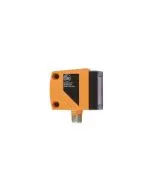
The optical system uses infrared beams shot at the surface of the liquid to find reflection points or refraction of light. This type of water level measuring equipment responds quickly and is suitable for detecting critical points to prevent small containers from overflowing.
Float Working Principle (Float)
This relies on buoyancy principles, where when the water level changes, a float moves up and down accordingly to activate an internal magnetic switch. Float switches are simple mechanisms that are durable and commonly used in general water tanks.
Pressure Working Principle (Pressure)
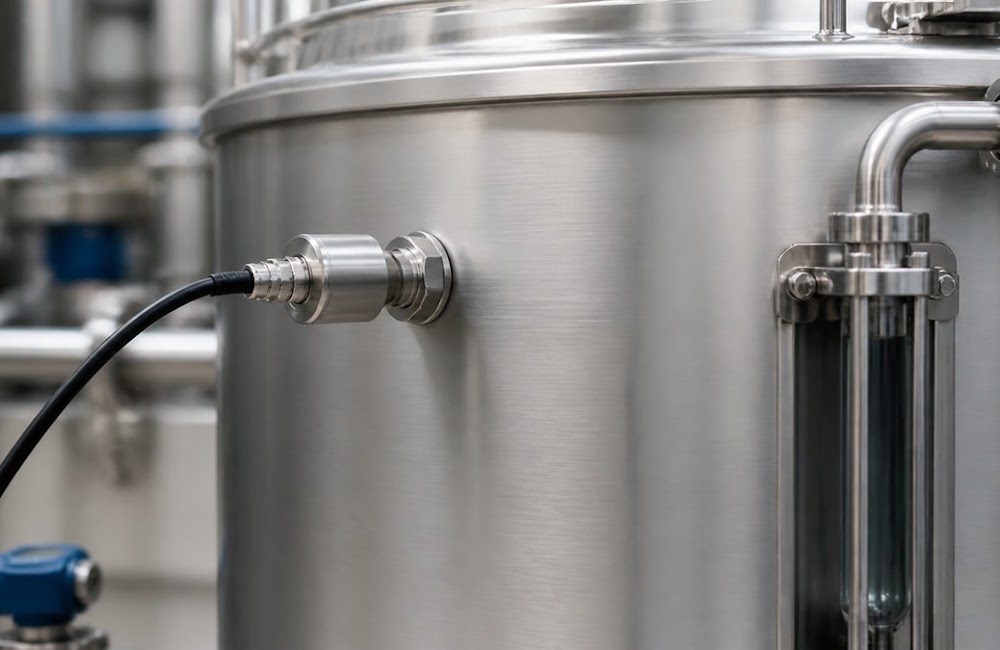
The measuring head is installed at the bottom of the tank to detect hydrostatic pressure caused by the weight of liquids. The sensor converts pressure into an electrical signal indicating height. This technique provides high accuracy even in very deep tanks.
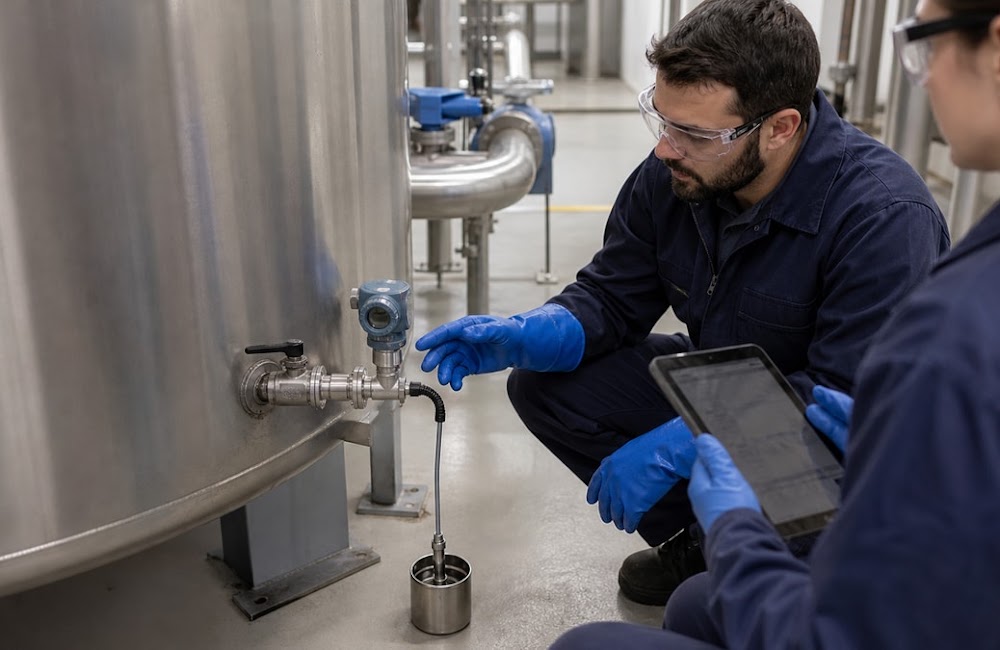
How many types of liquid level sensors are there?
Based on the experience of the SCMA engineering team, selecting a sensor type must be based primarily on the chemical and physical properties of the liquid. We can categorize liquid level sensors into 5 main types.
Ultrasonic Level Sensors
This type of sensor works by using reflected sound waves to calculate the distance between the measuring head and the surface of the liquid. Installation is easy, as it can be mounted on top of a tank. It is particularly suitable for measuring corrosive liquids because there is no direct contact with the substance.
Capacitive Level Sensors
Detects changes in capacitance values between the probe and the tank wall when liquid replaces air. This technology is an appropriate choice for chemical, oil, or non-conductive liquid level sensors.
Optical Level Sensors
Works on the principle of light refraction when the measuring head comes into contact with a liquid. The device is compact and highly accurate in pinpointing specific positions. It is commonly used as a switch to prevent water pumps from running dry, thus avoiding overheating.
Conductive Level Sensors
Uses electrode probes dipped into the tank to detect conductivity when liquid touches the measuring rod circuit will activate. This type of water level sensor is cost-effective and has a simple structure, suitable for controlling tap water or wastewater with sufficient electrical conductivity.
Vibrating Level Sensors
The tuning fork vibrates at a constant frequency; when liquid comes into contact with it, the vibration frequency changes, triggering an alert signal. This device is highly durable and performs well with viscous liquids without mechanical moving parts issues.
How to Maintain Liquid Level Sensors
Proactive maintenance helps extend the lifespan of equipment, preventing machine downtime caused by incorrect signal transmission. Users should consistently follow guidelines for maintaining liquid level sensors.
Clean Sensor Heads Regularly
Dust, dirt, or chemical buildup around the sensor head directly affects detection accuracy. Clean the liquid level sensor with appropriate cleaning agents suitable for the material type to maintain optimal performance.
Check Seals and Connections for Integrity
Avoid moisture and fluid leakage into internal circuit boards by regularly inspecting O-rings and connection points. Replace any seals or parts that show signs of wear, cracks, or deterioration over time immediately.
Calibrate According to Schedule
All sensors may drift from their initial accuracy after prolonged use. Calibration with standard equipment ensures the signal's correctness for Level Sensors and increases confidence in automated control processes.
Prevent Impact and Vibration Damage
The internal structure of the device contains delicate electronic circuits that can be damaged by severe impacts. Extreme care must be taken during installation or disassembly to prevent damage to liquid level sensors.
Operate Within Specified Parameters
Avoid operating in environments exceeding equipment specifications such as temperature, pressure, or viscosity levels higher than those specified. Exceeding these limits can significantly shorten the lifespan of liquid level sensors.
Usage of Liquid Level Sensors
The primary function of the equipment is to convert liquid levels in real-world scenarios into electrical data for processing in SCADA or PLC systems. Usage can be categorized according to technology types as follows:
Ultrasonic Sensor Usage
Installed above sewage tanks, chemical storage tanks, or silos, with the advantage of non-contact measurement, this type of liquid level sensor reduces maintenance costs due to no parts coming into contact with corrosive substances.
Radar Sensor Usage
The electromagnetic waves of radar can penetrate steam, dust, or air bubbles on water surfaces excellently, making it suitable for installation in chemical reaction tanks with high temperature and pressure, providing accurate level measurements that are not affected by environmental conditions.
Capacitive Sensor Usage
Widely used in food and beverage factories to measure syrup levels, vegetable oil, or liquids with foam. Capacitive sensors can detect through certain thin plastic tank walls, reducing contamination risks.
Float Switches and Tuning Fork Level Sensors Usage
The primary function is to serve as a critical level warning switch, installed to prevent tank overflow or shut down the system to prevent pump damage. Float switches are the basis of water control systems in small to medium-sized industrial buildings.
Advantages of Liquid Level Sensors
The installation of liquid level sensors enhances safety in production processes, preventing chemical spills from tanks or pump failures due to overwork. The system can send real-time data to the central control for automatic valve opening and closing. Level Sensor technology helps factories reduce material loss costs, save energy, lighten labor inspection burdens, and increase long-term profit efficiency.
How to Choose a Liquid Level Sensor
The SCMA engineering team recommends the following considerations for selecting liquid level sensors to ensure that customers receive accurate, durable solutions that meet their needs and are cost-effective. The factors to consider include:
- Type of Use: Clearly define whether continuous (Continuous) measurement is required to monitor volume over time or point-level (Point Level) detection is needed for pump control.
- Liquid Properties: Determine if the liquid is conductive, corrosive, foamy, viscous, or has vapor pressure. This information will help in selecting appropriate sensor materials and technologies suitable for chemical level measurement.
- Tank Environment: Evaluate temperature, internal pressure, tank size, and shape. These factors affect the measuring range of liquid level sensors.
- Output Signal: Choose a signal type that your existing control system supports, such as 4-20mA, 0-10V, or various digital signals to ensure seamless system integration.
Summary
Liquid level sensors are crucial engineering tools for maintaining process balance. Selecting the appropriate Level Sensor or float switch technology based on liquid properties helps prevent damage and enhances automation sustainably. Our services team is ready to provide consultation, design, and installation of industrial measurement tools and various sensors for the highest return on investment.
If you want to buy liquid level sensors, SCMA is now available!
System errors in water level detection can result in massive production costs. Therefore, choosing a knowledgeable partner is crucial. SCMA imports and distributes leading global liquid level sensor brands, along with on-site analysis services by specialized engineers. Interested in upgrading your factory control system? Check out All Products and contact us for the best solutions. Find more information about Level Sensors at this link, or read reference information about Level Sensors.
Frequently Asked Questions
What are non-contact liquid level sensors?
Ultrasonic and radar technologies can measure levels without the probe touching the liquid, suitable for harsh chemical applications.
Which sensor should be used if there are bubbles in the liquid?
Avoid ultrasonic types as they absorb sound waves. Instead, use radar, capacitive, or bottom-tank pressure sensors.
What kind of work is a float switch suitable for?
Suitable for general tank water control where the liquid is not viscous and has a simple structure that is durable and cost-effective to install.
Can Level Sensors send data to mobile phones?
New generation sensors can connect to IoT Gateways to convert signals, sending level alerts through smartphone apps.
How often should liquid level sensors be calibrated?
The standard interval is once a year or based on usage conditions. For harsh chemical applications, more frequent checks are recommended for safety reasons.