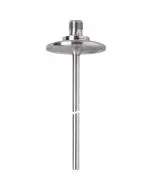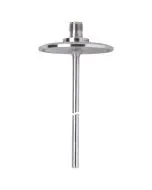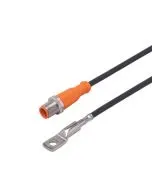

Does production line heat issues cause your workflow to stall? Temperature sensors, or Temp Sensor, are crucial in addressing this problem. The SCMA engineering team is ready to provide accurate temperature sensor solutions, including industrial-grade humidity and temperature meters. This article delves into the working principles, types, as well as techniques for selecting temperature detectors that meet your real-world needs to reduce losses in the factory.
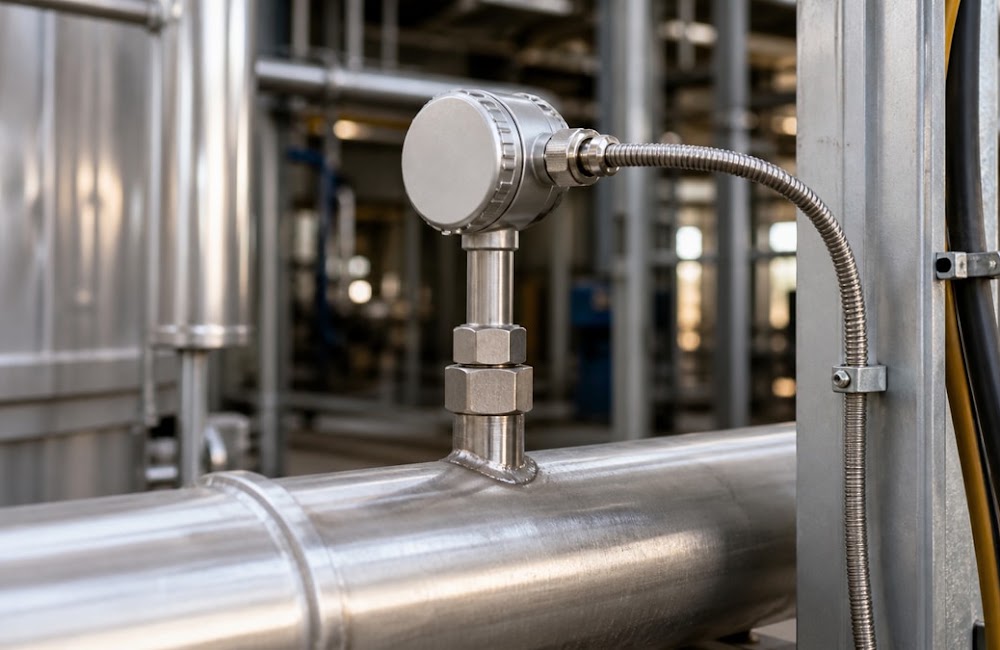
What is a Temperature Sensor?
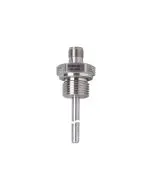
A temperature sensor is an electronic device that measures the level of heat or coldness in the environment, objects, or liquids during production processes. The device then converts the readable temperature value into electrical signals for display or transmission to control systems as required. Temperature sensors are vital components that help maintain safety standards across all industry sectors.
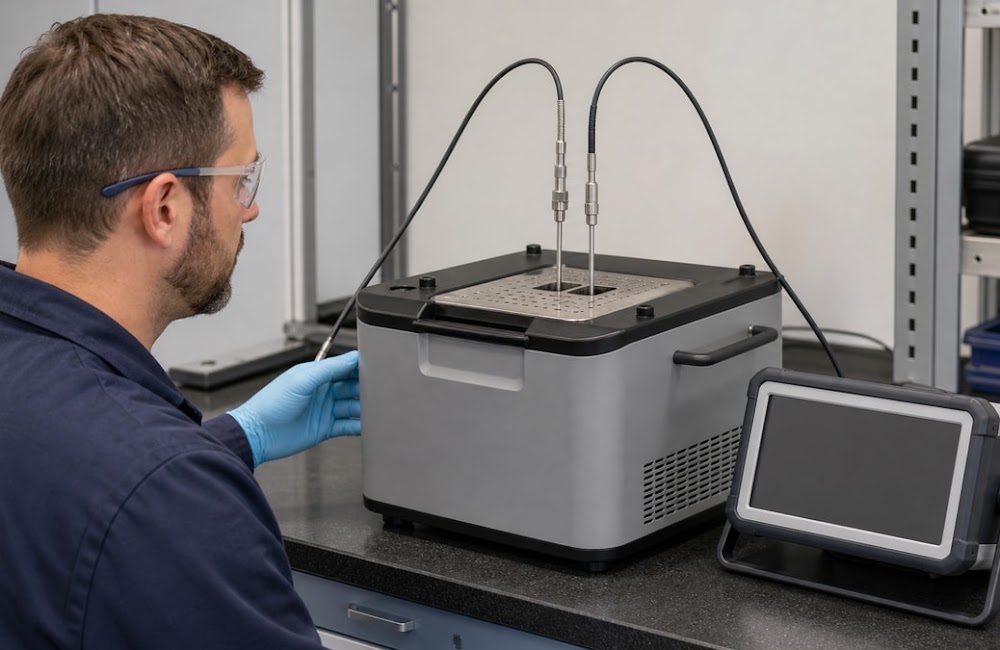
Working Principles of Temperature Sensors
The main mechanism of these devices involves detecting changes in temperature and converting them into physical electrical signals. The operation can be direct contact with objects for high accuracy, or non-contact using infrared radiation where circuits read these signals to control heating or cooling systems further. Learn more about the signal conversion principles of temperature sensors.
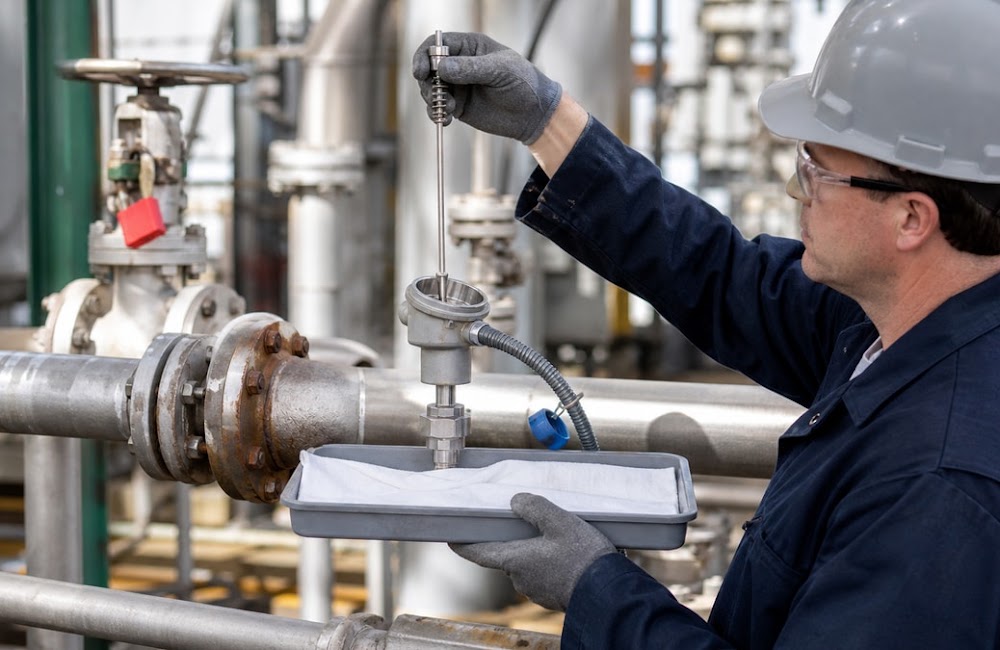
How many types of temperature sensors are there?
Selecting the right Temp Sensor for your specific application is crucial. Based on SCMA's experience, commonly used equipment in general industries can be categorized into 3 main types as follows:
Thermocouple
A thermocouple measures temperature based on the voltage difference of two different metals that are connected together. This type of device is ideal for high-temperature applications and is highly durable in harsh environments, making it commonly found in metal furnaces or high-heat processes.
RTD (Resistance Temperature Detector)
An RTD measures temperature by observing the change in resistance value of a metal as the temperature changes. The widely used model is PT100. This type of temperature sensor is suitable for applications requiring high accuracy and excellent stability, meeting the needs of food or pharmaceutical industries.
Thermistor
A thermistor is made from semiconducting material and has a notable advantage in its rapid response to temperature changes. It is highly sensitive within a narrow range of temperatures and is cost-effective, making it suitable for integration into temperature and humidity measuring devices in HVAC systems.
Maintaining Temperature Sensors
Proper maintenance of temperature sensors helps extend their lifespan and maintain accuracy. The main guidelines for maintaining measuring instruments are as follows:
Clean Regularly
The probe is the part that directly interacts with the environment. Users should use a soft cloth dampened with water or alcohol to clean dust and dirt from around the probe regularly. Accumulation of these residues may act as thermal insulation, causing the temperature sensor to read inaccurately.
Avoid Mechanical Stress
The signal wires and sensors are delicate; operators must be careful not to bend or break the measuring wire or cause severe impact. Directly pulling out the cable can damage internal wiring or Temp Sensor connection points, so this should be avoided.
Environmental Protection
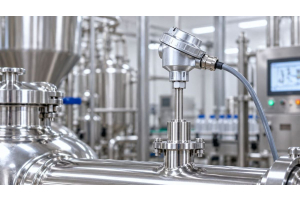
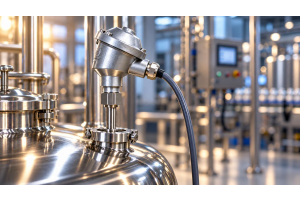
The industrial workplace is challenging; protective sleeves (Thermowell) should be installed in areas with extremely high temperatures or chemical exposure. If using a temperature and humidity meter in wet environments, use waterproof plugs to prevent moisture from seeping into the internal circuit.
Calibration
Sensors should be checked against reference standards at least once a year to correct usage-induced deviations. If the deviation exceeds acceptable limits, new equipment must be replaced immediately. SCMA offers international standard calibration services to ensure your tools operate with confidence.
Industries Using Temperature Sensors
New industries require precision to reduce errors, temperature sensors are therefore widely used in various sectors to enhance production quality as follows:
The Food and Beverage Industry
Temperature detectors play a role in monitoring and maintaining heat levels according to hygiene standards during food processing, whether pasteurization, freezing, or baking. These devices help maintain quality and prevent spoilage of raw materials effectively.
The Pharmaceutical and Medical Supplies Industry
The production and storage of vaccines require a strictly controlled environment. This industry must use temperature and humidity sensors to control product quality, as well as monitor the heat of sterilization autoclaves according to medical standards.
The Plastic and Packaging Industry
Heat is a key variable in plastic molding. Temperature sensors are installed in extruders, plastic pellet dryers, labeling machines, to control the melting of plastics at optimal points, reducing issues with misshapen parts and waste in the factory.
The Electronics and Semiconductor Industry
Semiconductor assembly is sensitive to humidity and heat. Temp Sensor functions to maintain a constant environment within clean rooms, preventing static electricity damage, enhancing yield rates of electronic components.
The HVAC and Air Conditioning Industry
Large building ventilation systems, hospitals, or factories require the use oftemperature and humidity sensorsto maintain appropriate conditions. Accurate data feedback to central control systems helps compressors operate efficiently, leading to long-term energy savings.
Benefits of Temperature Sensors
Temperature sensors are not just reading devices but crucial components of automated systems. Installing high-quality equipment provides the following key benefits to factories:
High Accuracy
High-quality devices can read hot and cold temperatures, converting them into digital signals with precision up to decimal points. Temperature measuring sensors that are accurate help system controllers clearly see production process variables, reduce guessing, leading to correct decision-making.
Automatic Operation
Sensor signals can be sent directly to PLCs to control other equipment such as air conditioners, cooling systems, steam valves, etc., to start or stop operations immediately when temperatures reach thresholds. This creates seamless automated production systems.
Safety
When the system overheats beyond set criteria, temperature detectors will send warning signals or shut down machinery instantly. This function helps prevent accidents, fires, and severe property damage, serving as a critical safety barrier for factories.
Energy Savings
Knowing the actual temperature allows systems to order electrical appliances or heaters to work only as necessary. Temperature and humidity measuring devices that are accurate prevent excessive energy use, significantly reducing electricity costs in industrial plants.
How to Choose a Temperature Sensor
Selecting the right specifications for your application is crucial. The SCMA engineering team recommends the following criteria before purchasing temperature sensors:
- Temperature Range: Select equipment that can accommodate the highest and lowest temperatures of your working environment.
- Accuracy: Consider how much deviation the manufacturing process can tolerate.
- Installation Style: Determine whether to use immersion temperature sensors, surface contact, or non-contact infrared types.
- Environment: Evaluate if the area is humid, corrosive, or has significant vibrations to choose appropriate housing materials.
Symptoms of Temperature Sensor Malfunction That Should Be Checked
To prevent production line damage, immediately check your Temp Sensor if you encounter the following abnormalities:
- The temperature display remains constant and does not change even when the surrounding environment becomes warmer or cooler.
- A sudden high or negative reading from a temperature detector without any physical reason supporting it.
- Flickering, unstable readings that correspond to electromagnetic interference symptoms.
- Damaged cable of the temperature and humidity meter, visible corrosion marks, or bent measuring heads.
Caution in Installing Temperature Sensors on the Job Site
Based on SCMA's engineering team experience, improper installation is one of the top causes for equipment to read inaccurately. Operators should pay attention to these installation details:
- Measurement Position: The sensor must be installed at a point that represents the overall temperature and not in an area with stagnant air or disturbed by heat from other sources.
- Wiring: Separate the signal wires of the temperature sensor from high voltage cables to prevent electrical noise (Noise).
- Immersion Depth: For probe types, immerse the sensing head into the liquid deep enough as per the specifications of the specific temperature sensor.
- Mitigating Moisture: Always seal cable connections tightly to prevent water from entering circuits which can cause short-circuits.
Summary
The temperature sensor is a device that measures and converts heat into electrical signals for use in controlling automated systems in factories efficiently. Choosing the right Temp Sensor or humidity and temperature meter according to job type, and maintaining them properly can significantly reduce losses. If you are looking for accurate measurement solutions, SCMA is ready to be your technical partner read more about temperature sensors for in-depth specialized techniques.
If you want to buy a temperature sensor, SCMA is available today!
Investing in high-quality measuring tools ensures the quality of your business. SCMA Co., Ltd. is a distributor of world-class technology equipment. We have high-quality temperature sensors and an engineering team that can design solutions to fit seamlessly into your existing systems, eliminating the hassle of finding equipment. Let us handle accuracy so you can focus fully on expanding your business browse all products or contact our experts immediately.
Frequently Asked Questions
What is PT100?
PT100 is an RTD sensor made of platinum, with a resistance value of 100 ohms at 0 degrees Celsius, providing extremely high accuracy.
Which type of temperature sensor has the fastest response time?
Thermistors (Thermistor) are the type that respond to changes most quickly compared to thermocouples or RTDs.
Why does the measured temperature fluctuate?
This is due to signal wires being placed close to high-voltage power lines, causing electromagnetic interference (EMI) to disrupt the circuit.
Is a Thermowell necessary?
It is essential if installing sensors in pipes with high pressure, fast-flowing liquids, or harsh chemicals to prevent damage to the measuring head.
How often should sensors be calibrated?
According to general industrial standards, it is recommended to calibrate (Calibration) at least once a year to maintain production process standards.