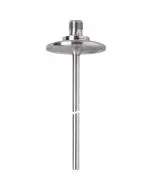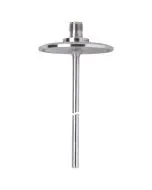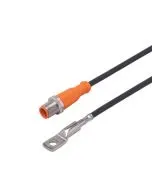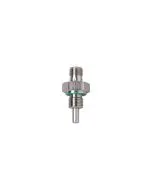
Is your factory facing issues with unstable water or chemical temperature control? SCMA, as an expert in automation systems, is ready to provide consultation to solve these problems. This article will delve into the details of liquid temperature sensors so that you can apply them effectively and enhance production efficiency.
What Are Liquid Temperature Sensors?
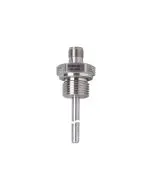
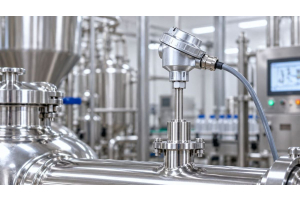
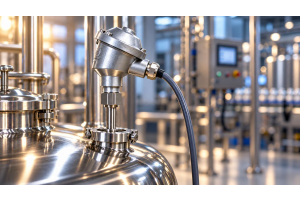
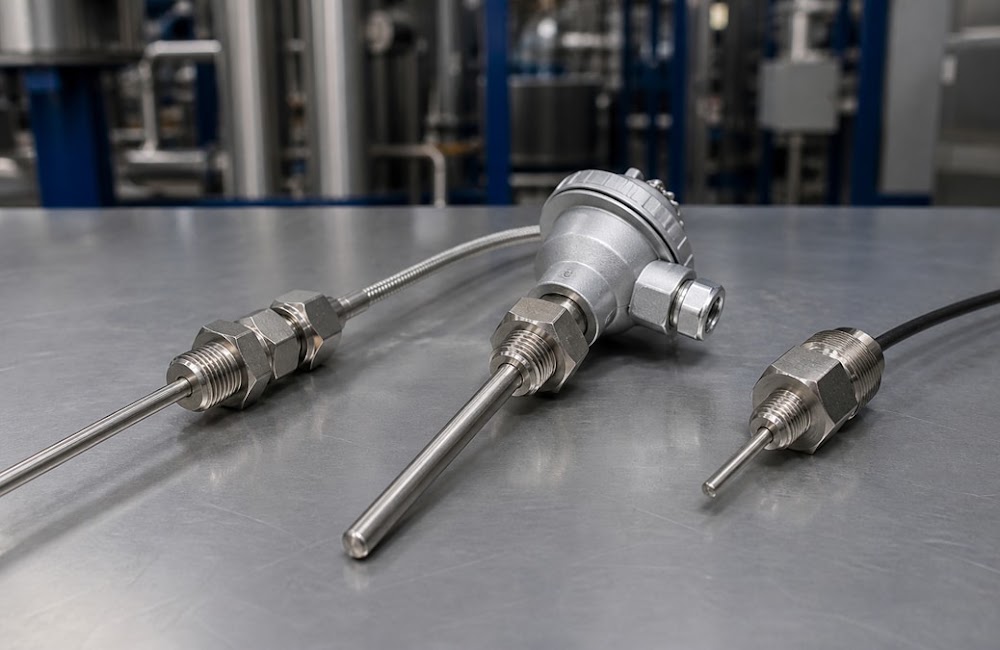
Liquid temperature sensors (Liquid Temperature Sensor) are crucial devices designed to measure the heat of water or chemicals in a system. The device then converts the measured value into an electrical signal, which is delivered to the automation system for monitoring and controlling production processes.
How Do Liquid Temperature Sensors Work?
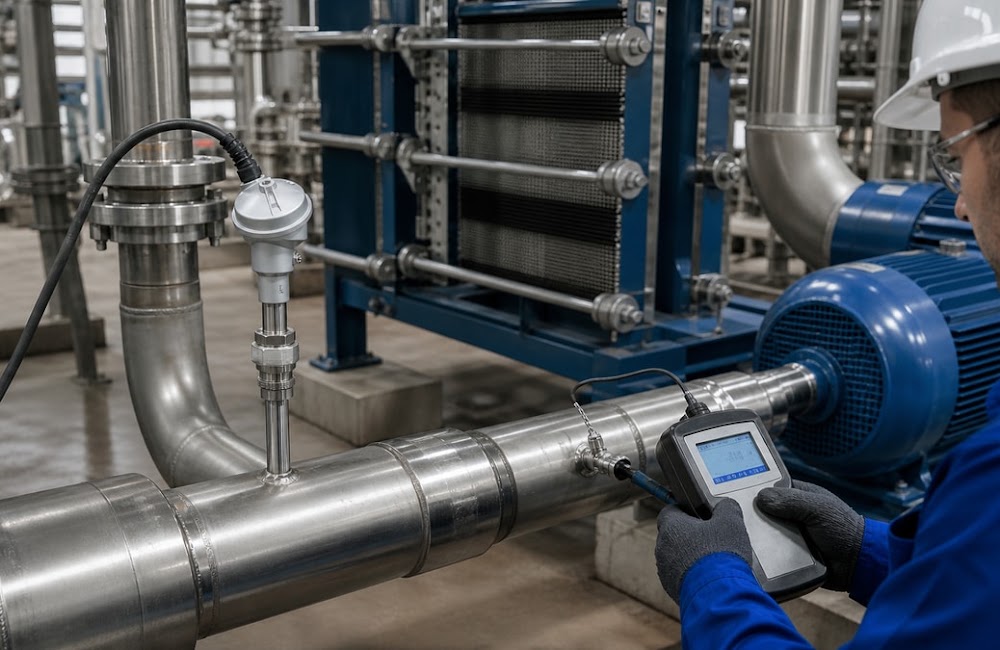
The operation of these devices begins with placing the sensing head directly in contact with the liquid to detect physical heat. The sensor converts changes in resistance or electrical pressure into electronic signals, which are then sent to a central control system for display or machine operation commands.
How many types of liquid temperature sensors are there?
Selecting the right heating measurement equipment involves considering details that suit each specific application. We can categorize liquid temperature sensor types based on their operating principles into three main categories:
Thermocouple
A thermocouple works by utilizing an electrical voltage difference when two different metals are connected at the measurement point. This type of equipment responds excellently to changes and is particularly suitable for applications that require contact with extremely high heat or industrial furnaces.
RTD (Resistance Temperature Detector)
The PT100 RTD probe works by changing its electrical resistance value, which increases as the temperature of the solution rises. Most engineers opt for this type of equipment in applications requiring highly accurate international standard precision to control delicate manufacturing processes.
Thermistor
A thermistor operates similarly to an RTD by changing its resistance value but uses semiconducting materials in production. This component offers a quick response to temperature changes and is commonly installed in small electronic devices or cooling systems.
Maintenance of Liquid Temperature Sensors
Proper maintenance extends the lifespan, prevents damage from scale buildup or leaks. The repair and maintenance team should strictly follow these sensor maintenance steps.
1. Cleaning
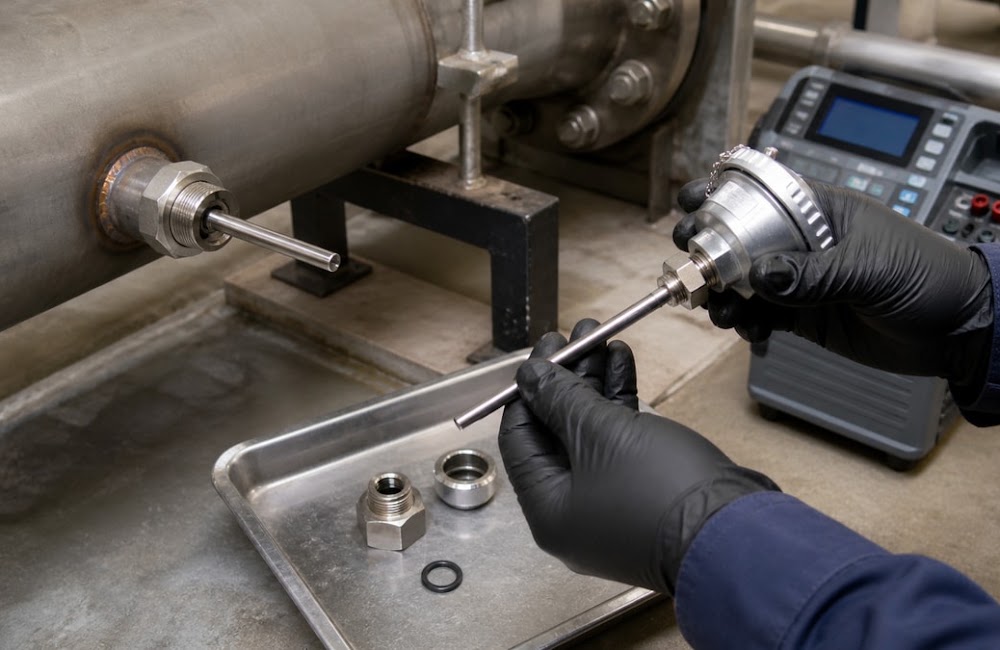
Continuous exposure to solutions can cause scale buildup on the probe (Probe). Operators must remove the equipment for specialized cleaning with a solution, never use hard objects to scrub to prevent damage to the measuring head.
2. Electrical Connection Inspection
Regularly check the terminals and wires for loose connections or burn marks. If there is moisture or rust buildup at the connection points, clean them thoroughly to prevent data signal distortion.
3. Leak Detection
The O-Ring in the installation threads may deteriorate over prolonged use. Technicians must observe for fluid leaks at the connection points. If rubber deterioration is observed, replace the part with appropriate torque.
4. Calibration and Replacement
Users should periodically compare readings to a standard thermometer to confirm accuracy. If significant discrepancies are found, recalibration (Calibration) must be done immediately or replaced if the equipment has reached its end of life.
Usage of Liquid Temperature Sensors
The use of liquid temperature sensors in industrial settings requires consideration for the type of tool that matches the environment. The SCMA team provides initial recommendations for using each type of equipment as follows:
Thermocouples for Heavy Industry
Thermocouples are designed to withstand harsh environments or wide measurement ranges, commonly seen in high-pressure boiler heat measurement systems. Such work requires particularly durable equipment.
RTDs for Processes Requiring Precision
The RTD family is suitable for food and beverage industries as well as pharmaceutical production processes that require strict standards. This type of liquid temperature sensor provides excellent stability, ensuring every product meets the set standards.
Benefits of Liquid Temperature Sensors
Investing in high-quality measurement equipment from a reliable distributor like SCMA will yield long-term returns. Industrial-grade liquid temperature sensors offer numerous benefits to the production process, including:
High Precision Standards Compliance
The devices deliver stable measurement results and can provide continuous real-time signals. Accurate data helps control systems operate efficiently, reducing errors that could negatively impact product quality.
Toughness in Industrial Environments
Most probe sensors are made from materials resistant to chemical corrosion and high pressure. A robust structure reduces unexpected machine downtime (Downtime), ensuring smooth production line operations.
Flexibility in Application
Operators can choose various sensor head types according to specific needs. SCMA has a team of engineers ready for consultation and custom-made equipment orders to perfectly fit the actual site constraints.
Integration with Automation Systems (Automation)
Sensors can be directly connected to smart control systems like PLCs. The system can immediately shut down water pumps if excessive heat is detected, preventing severe damage to machinery.
Raising Safety Standards in the Factory
Maintaining water temperature within standard levels is crucial for safety. High-quality measurement equipment reduces risks of chemical boiling accidents, protecting both worker lives and organizational assets.
How to Choose a Liquid Temperature Sensor
Selecting measuring instruments requires an understanding of the nature of the solution, temperature range, and desired accuracy. You can use these criteria to evaluate before making a purchase for maximum value.
- Sensor Type: Choose between RTD (Resistance Temperature Detector) for high precision or Thermocouple for extreme heat resistance
- Probe Material: Stainless Steel is the popular choice for general applications, while PTFE (Teflon) suits corrosive chemical contact jobs
- Temperature Range: Check specifications to ensure that the equipment supports your system's maximum temperature
- Waterproof Level: Specify IP67 or IP68 standards if you intend to use it as a Submersible Temperature Sensor
- Thread/Fitting Size: Verify thread size to match existing ports or pipes to avoid new pipeline system upgrades
Installation Precautions for Liquid Temperature Sensors
Incorrect installation is a major cause of equipment malfunction or premature failure. Installers should follow safety guidelines and technical precautions as follows:
- Installation Position: Avoid installing near areas with excessive water turbulence
- Cable Management: Route signal cables away from high voltage power lines to prevent electromagnetic interference affecting measurements
- Probe Immersion Depth: Ensure that the probe tip is immersed deep enough in liquid for full thermal contact
- Environmental Temperature: Be cautious not to let the terminal head come into contact with temperatures exceeding the electronic circuit's tolerance level
Summary
Liquid temperature sensors are crucial for maintaining stability in industrial manufacturing processes. Understanding their operation, selecting the right one, and proper maintenance will help your machinery operate at peak efficiency. If you're looking for temperature and humidity sensors or high-quality measuring equipment, SCMA is ready to be your technical partner to deliver the best results for your business.
If you want to buy liquid temperature sensors, you can purchase them from SCMA today!
SCMA Co., Ltd. is an expert in process sensors (Process Sensors), with extensive experience working with leading factories. We are not just a distributor of industrial products, but we also provide comprehensive technical services from consultation, system design (Project & Solutions) to calibration or after-sales service contact SCMA today for direct advice from our expert engineers, or read more about sensor knowledge articles on our website.
Frequently Asked Questions
What is a PT100 RTD Temperature Sensor?
The PT100 is an RTD temperature sensor with a resistance of 100 ohms at 0 degrees Celsius. It is highly popular due to its stable and accurate readings.
Why does the temperature reading fluctuate?
This issue can be caused by electrical interference, incomplete grounding installation, or heavy buildup of scale on the probe area.
Which type of sensor is most resistant to chemical corrosion?
Sensors with a Teflon (PTFE) or specialized engineering plastic coating are highly resistant to acids, alkalis, and harsh chemicals.
How often should measuring instruments be calibrated?
The appropriate frequency depends on each factory's standards. Generally, it is recommended to calibrate at least once a year to ensure production quality.
Does SCMA offer temperature control system design services?
We have a team of expert engineers ready to provide Project & Solutions services from equipment selection through installation and testing until the system is fully operational.