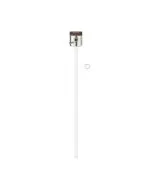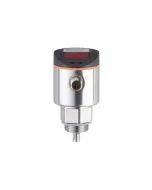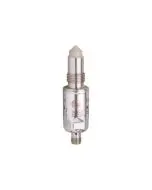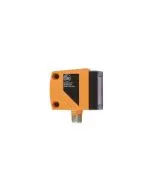
Many industrial plants often face issues with inaccurate liquid or material level control, leading to losses or production disruptions. Level Sensors are crucial tools that address these problems with precision and a variety of technologies. This article by SCMA will explain what level sensors are, their types, and which type suits different applications, along with professional selection guidelines.
What Are Level Sensors?
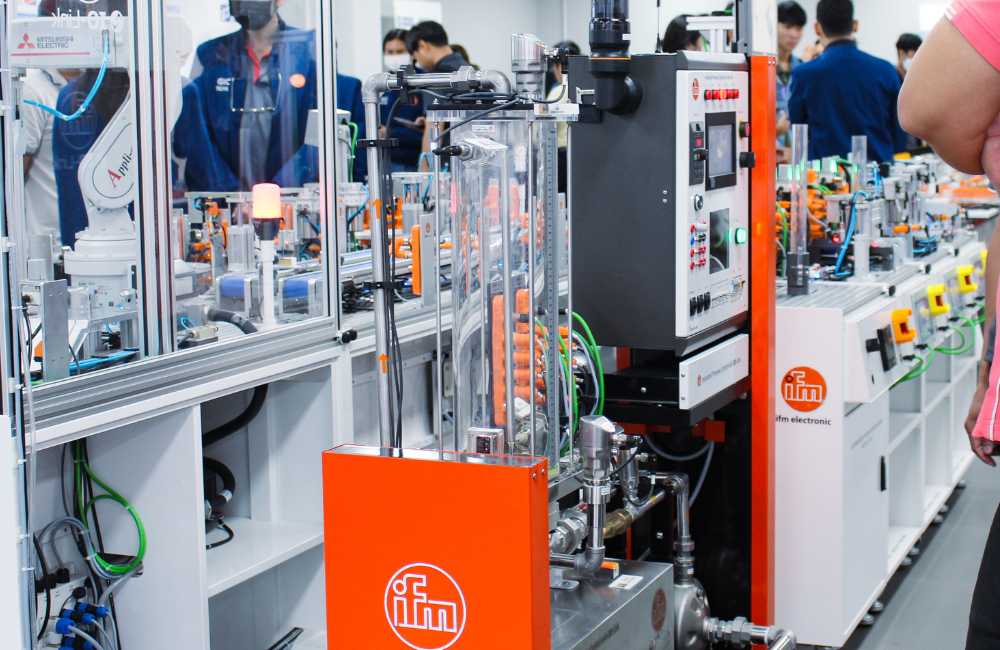
Level sensors (Level Sensors) are critical components in flow control systems for industrial applications, tasked with measuring and controlling the levels of liquids, powders, or solids within tanks or containers automatically. These level sensors convert measured levels into electrical signals and transmit them to central control systems, enhancing accuracy and efficiency in production management. SCMA is ready to provide consultation and comprehensive Level Sensor solutions for all businesses.
How Do Level Sensors Work?
The operation of level sensors (Level Sensors) depends on the technology and type of sensor, generally relying on detecting physical or electrical signal changes such as light signals, sound waves, or electromagnetic waves to convert level data into electrical signals. These are then transmitted to automated control devices in factories. In an Automation system, these water level sensors can support both contact and non-contact material measurement applications, enhancing flexibility and accuracy in industrial production processes.
Features of Level Sensors
Level sensors have prominent features that are crucial for controlling flow in industrial systems, including accuracy in measurement, stability in continuous operation, and the ability to withstand diverse environments such as high temperatures or harsh chemicals. Modern liquid level sensors are also designed for easy installation and maintenance, support automation systems, and can connect efficiently with smart control systems like Smart Factory.
What are the types of level sensors?
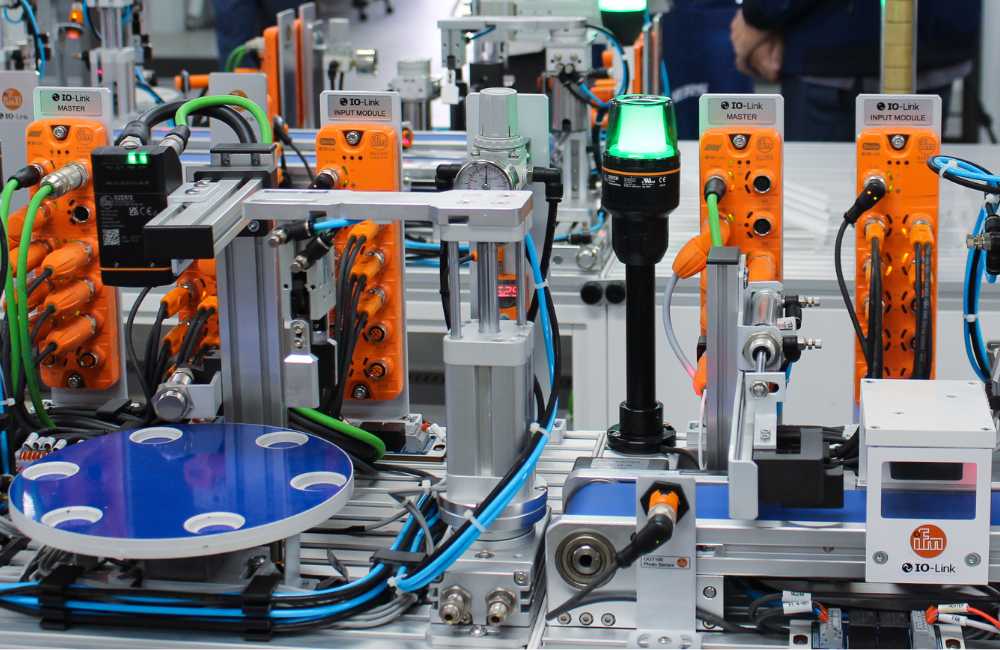
Level sensors are designed in various types to cater to different applications and materials being measured. Each type of level sensor has distinct operating principles, advantages, and limitations to suit the automation requirements of specific industries.
Optical Level Sensors
Optical Level Sensors or optical sensors use light or infrared detection methods to measure the level of liquids or transparent materials. They are suitable for inspecting transparent materials such as water, glass, or plastic. This type of sensor is ideal for applications requiring high accuracy in clean environments.
Capacitive Level Sensors
Capacitive Level Sensors or capacitive sensors rely on changes in electrical capacitance between the sensor and the material being measured. They can measure liquids, powders, or non-conductive plastic granules effectively. Suitable for applications requiring measurement of diverse materials without direct contact with liquid or powder inside tanks.
Ultrasonic Level Sensors
Ultrasonic Level Sensors or ultrasonic sensors use high-frequency sound waves to detect levels by sending and receiving sound waves to calculate distance. Suitable for measuring both liquid and solid levels without direct contact with the material, making them a popular choice in factories dealing with potentially contaminating substances.
Microwave and Radar Level Sensors
Microwave and Radar Level Sensors or microwave and radar sensors use electromagnetic waves to measure levels. They can penetrate steam or dust well, are durable in high temperatures, and suitable for harsh environments. This type of sensor offers high accuracy and is ideal for long-term reliable applications.
Vibrating and Tuning Fork Level Sensors
Vibrating and Tuning Fork Level Sensors or vibrating and tuning fork sensors use changes in the vibration frequency of probes to measure levels. Suitable for applications with sticky materials, air bubbles, or fine powders in tanks, providing accurate and reliable measurements even in dusty or highly viscous conditions.
Applications of Level Sensors
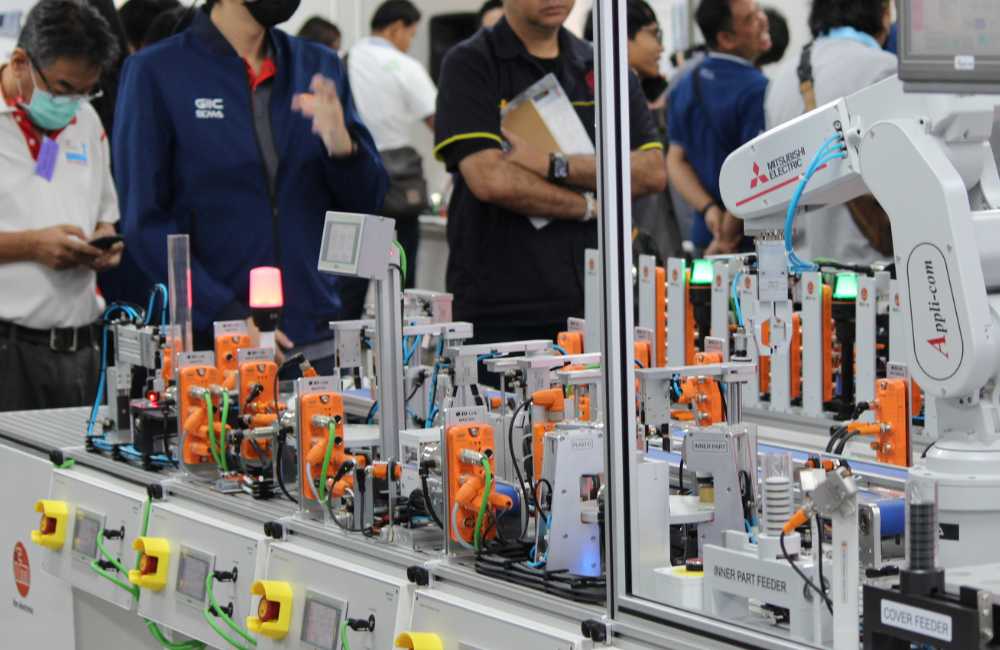
Level sensors are widely used in various manufacturing and industrial processes, such as controlling material levels, preventing overflows, or ensuring safety in automated systems. SCMA is ready to provide services and consultations to enhance the efficiency of your applications.
Examples of level sensor applications
- Control and monitor the levels of liquids such as oil, drinking water, or chemicals in storage tanks to prevent overflows or shortages.
- Measure levels during material transfer between containers for accurate quantity control.
- Alert on leaks or abnormal quantities to reduce the risk of machinery damage.
- Measure water levels in wastewater treatment systems or reservoirs for industrial and municipal use.
- Control the level of powdered materials, plastic pellets, or animal feed in conveying and silo systems.
- Used for measuring oil or liquid levels in vehicles such as cars and airplanes.
- Support Smart Factory and Automation systems across all industries.
What Should Be Considered When Selecting a Level Sensor?
Choosing the right level sensor (Level Sensor) is crucial to the efficiency of automatic control systems in industries. Each type of liquid level sensor has different characteristics and limitations. SCMA provides professional advice to help you find the best solution for your needs.
Factors to Consider When Selecting a Level Sensor
- Type of material being measured, whether it is liquid, solid, powder, or viscous liquid.
- Measurement characteristics, such as point level (Point Level) or continuous level (Continuous Level).
- Operating environment conditions, such as temperature, pressure, dust, air bubbles, or pH levels.
- Installation limitations, such as limited space, installation direction, and measurement distance.
- Compatibility with control systems, sensor output should match the existing system, such as Analog 4-20mA, Voltage or Switch.
- Maintenance and calibration frequency for long-term accuracy in use.
- Budget and cost-effectiveness of investment, choose a Level Sensor that meets both quality and cost requirements.
If you want to buy level sensors, SCMA is now available!
Level Sensors are important tools that help enhance safety and increase efficiency in industrial production process control SCMA is ready to provide comprehensive services for procurement, sales, and consultation on all types of level sensors. Whether it's Level Sensors for liquids, powders, or granular materials, SCMA has a team of expert engineers who are dedicated to providing advice from product selection, installation, to post-sales maintenance, so that your business can move forward confidently in the era of industrial automation.
Summary
Level Sensors are crucial components in modern industrial automatic control systems. With a variety of types and operational principles that meet every need, choosing the right level sensor can truly enhance efficiency, reduce risks, and increase safety in production. As a leader in Automation and Instrumentation solutions, SCMA is a trusted partner for comprehensive care, consultation, and services on all kinds of liquid level sensors and measuring devices for the Thai industry.
Frequently Asked Questions
What are Level Sensors?
Level Sensors, or Level Sensors are devices used to measure the level of liquids or materials in tanks or containers used in industries. They convert level signals into data that can be transmitted to control systems.
How do Level Sensors work?
Level sensors operate using various technologies such as light, sound waves, or electromagnetic waves to measure the level of media inside a tank and convert it into an electrical signal for processing.
What types of Level Sensors are there?
Level Sensors come in various types such as Optical, Capacitive, Ultrasonic, Radar, and Vibrating, each suitable for different applications.
What are Water Level Sensors?
Water level sensors are specifically designed to measure water levels in various settings such as industrial water, drinking water, or wastewater treatment systems. There are multiple technologies available for selection based on characteristics and environmental conditions.