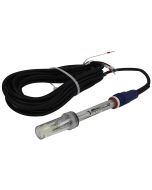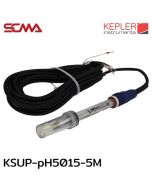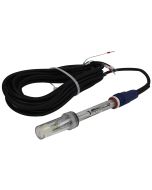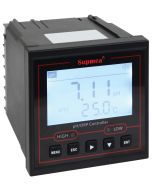

Have you ever wondered why measuring acidity (pH) is important in the food, water, or agriculture industries? Many organizations and users often face problems of not being able to control quality or standards without accurate and precise pH meters. This article SCMA will help you understand how these devices work, how to choose the right pH Meter, and recommend types and applications for various tasks so that you can confidently select the appropriate pH measuring equipment.
What is a pH Meter?

A pH meter, also known as a pH Meter or acidity-alkalinity measuring device, is an electronic instrument used to measure the level of acidity in solutions by detecting hydrogen ion (H+) concentration and displaying pH values accurately from 0 to 14. These devices are commonly used in laboratories, industries, drinking water, food, agriculture, as well as for field applications such as water pH meters and pH measuring equipment.
How a pH Meter Works
A pH meter (also called an electrode or pH Meter) works by using a probe in conjunction with a voltmeter. The probe converts the electrical potential generated from hydrogen ion exchange in solutions into pH values displayed on the screen immediately. Therefore, choosing a high-quality pH meter is crucial for accurate and reliable pH measurements.
What can a pH meter measure?

The use of a pH meter is not limited to laboratories but extends to measuring the acidity and alkalinity levels in various solutions and liquids for diverse purposes, including:
- Measuring the pH level of drinking water, utility water, and industrial process water to control water quality and ensure safety standards are met.
- Measuring the pH level of food and beverages to check quality and safety, preventing microbial contamination.
- Measuring soil pH for agriculture to help farmers adjust the soil conditions suitable for different crops.
- Measuring the pH level of water in aquariums and swimming pools to ensure safety for aquatic life.
- Measuring pH levels in scientific research and education for professional testing and experimentation in laboratories.
pH meters and water pH meters have thus become essential measuring devices in many industries.
What are the different types of pH meters?
In the market, there are various types of pH meters to meet the needs for measuring pH in different applications. Whether it's laboratory work, fieldwork, food production process control, or even soil pH measurement, each type of pH Meter is designed to suit specific usage requirements.
Tabletop pH meter
Tabletop pH meter is suitable for high-precision measurements in laboratories such as industrial plants and research institutions. It can measure a wide range of pH values and supports connectivity with various accessories.
Pen-type pH meter
pH pen meter or portable pH meter is a compact and easy-to-use device suitable for field testing, agricultural work, and quick pH measurements. It's convenient to carry around.
Field pH meter
Field pH meter is designed to withstand harsh environments and is suitable for measuring pH in natural water, wastewater, or factories that require continuous off-site measurements.
Food pH meter
pH meter for food has probes specifically designed for viscous liquids such as milk and fruit juice or liquids with suspended particles. It provides accurate and safe measurements suitable for food and beverage factories.
Soil pH meter
Soil pH meter is used to measure the acidity or alkalinity of soil, helping farmers plan planting more efficiently and prevent issues related to overly acidic or alkaline soils.
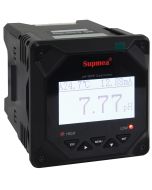
pH Controller for Solution
PH Meter and Controller is suitable for industrial production lines. It can be installed with an automatic system to control the pH of water or solutions in real-time, enhancing production efficiency.
Why is a pH Meter Important?

Selecting the right pH meter is crucial in science and industry as it helps to check the quality and safety of various products. pH meters also reduce risks and costs in production processes, providing accurate data for planning and quality control. Moreover, using high-standard water pH meters truly enhances industrial safety.
Read more >> What is pH Measurement? Why Measure pH?
How to Use a pH Meter
Using a pH meter correctly is the key to accurate measurements. It's important to understand how to use and maintain the pH Meter properly, as follows:
- Prepare the pH Meter and Electrode Check that the equipment is ready for use and that the electrode is not damaged.
- Calibrate the Instrument with Buffer Solution Adjust the reading before each measurement to ensure accurate pH readings.
- Immerse the Electrode in Sample Solution Ensure that the electrode comes into contact with the liquid or water being measured.
- Read the Value on the Screen Wait for the numbers to stabilize and then record the measurement result.
- Clean the Electrode After Use Rinse with distilled water, and store the electrode in storage solution to extend its lifespan.
pH Measurement Equipment Each type of equipment may have additional details according to the user manual.
Applications of pH Meters in Industries
pH meters are important devices that help raise production standards across various industries, as follows:
- Drinking Water and Utility Water Industries to control and maintain water quality according to standards.
- Food and Beverage Industries to check the safety and taste of products.
- Chemical and Pharmaceutical Industries to verify purity and safety of products.
- Agricultural Industry used to evaluate soil pH levels to increase productivity.
- Environmental Industry to measure wastewater, groundwater, and natural water sources.
Therefore, a pH meter is an indispensable tool in the production process and quality control.
If you want to purchase a pH Meter, SCMA is now available for your needs!
Choosing high-quality pH meters directly impacts the accuracy and efficiency of pH measurements in all industries. SCMA is ready to serve with consultation, advice on selecting pH meters and related accessories. Whether you need equipment for laboratories or field use, SCMA is a reliable technical partner.
Summary
pH meter is a crucial device that helps ensure accurate quality control in industries and everyday life. Understanding how it works and selecting the appropriate usage will enhance efficiency and safety at every step. If you want reliable results, choosing the right tool is the most important thing.
Frequently Asked Questions
What is a pH Meter?
A pH meter, also known as a pH Meter, is an electronic device designed to accurately measure the acidity or alkalinity of solutions.
How do you use a pH measuring tool?
Using a pH meter involves calibrating the instrument, immersing the probe in the solution, waiting for the reading to stabilize, and then reading it on the display. It is suitable for both laboratory and field use.
How many ways are there to measure pH?
Measuring pH can be done using a pH meter, a pH pen, or litmus paper depending on the requirements and desired accuracy.
What equipment is used to measure pH?
There are several types of pH measuring equipment available for different applications:
- pH Meter: Provides accurate measurements suitable for research and industrial use.
- pH Pen: Ideal for field work and agriculture.
- Litmus Paper: Used for rough measurements in everyday tasks.
- Soil pH Meter: Specifically designed to measure pH levels in soil.
- pH Measurement and Control System: For installation in industrial automatic systems.