Ever wondered how loud the noise from machines that constantly operate falls into the category of illegal noise levels according to safety regulations? SCMA Co., Ltd. (SCMA), as an expert in measurement instruments and automation systems, would like to introduce our service regarding accurate standard noise measurement solutions in factories. This article will take you deep into legal criteria, working principles, and checklists for selecting Sound Level Meter to sustainably protect employees' health.
What is Factory Noise Standard?
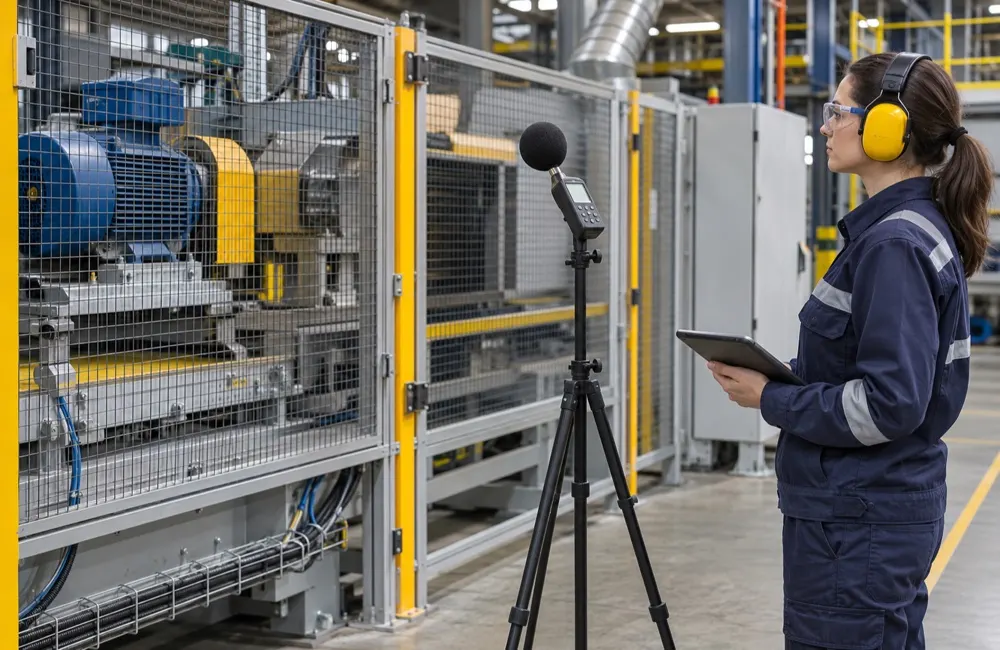
Factory noise standards according to Thai law set the weighted average noise level over time that employees are exposed to (TWA) according to working duration. For an 8-hour period, the standard is no more than 85 decibels A (dBA). For other durations, refer to the noise level table in the Department of Labour Welfare and Protection's announcement. The measurer should select Sound Level Meter or accumulated noise quantity measuring device suitable for the employees' noise exposure characteristics.
How the Standard Sound Level Meter in the Factory Works
Based on the experience of SCMA's engineering team, the sound level meter functions by converting sound pressure waves into electrical signals to assess how many decibels of sound are illegal. There are 3 main steps as follows:
Receiving Sound Through a Microphone (Microphone)
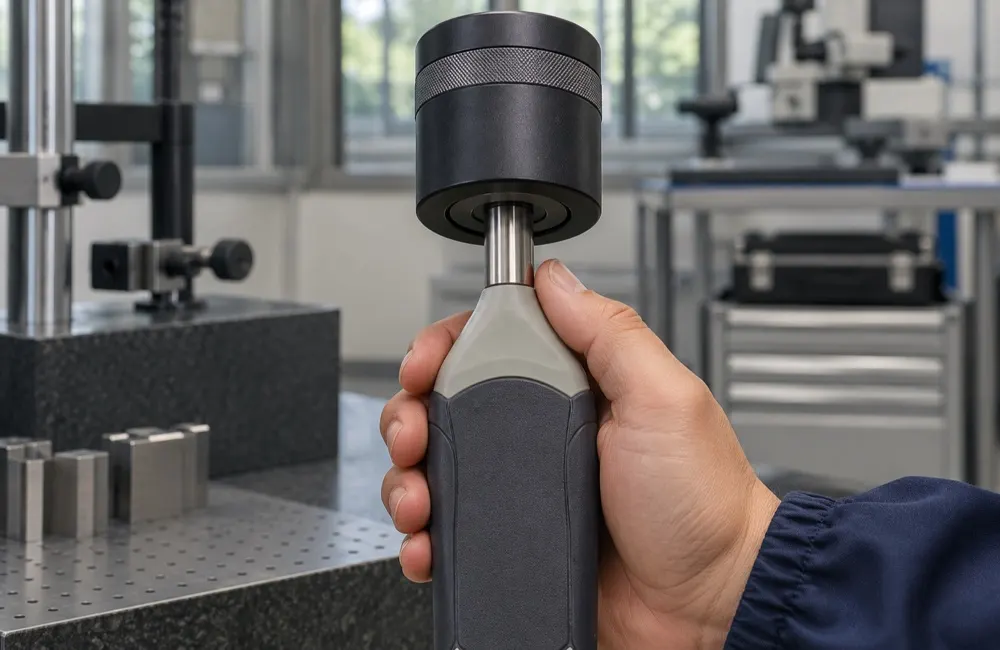
This device is responsible for receiving the sound pressure distributed in the air within the working area. Then, it converts the physical sound waves into weak electrical signals and sends them to the internal circuit. Choosing a high-quality microphone helps ensure accurate measurement of the standard sound level in the factory.
Signal Processing (Processing)
The internal circuit of the device receives the electrical signal, adjusts and amplifies it to make it clearer, while weighting the sound frequency to be close to human hearing ability. This step is very important for evaluating whether the current environmental sound level is illegal in decibels or not.
Displaying the Loudness Level (Display)
The device displays the value according to the selected mode, such as sound pressure level or average value. The result from one measurement point must be considered together with the duration of exposure to the sound and the type of sound before comparing with the criteria.
How Many Types of Standard Sound Level Meters Are There in the Factory?
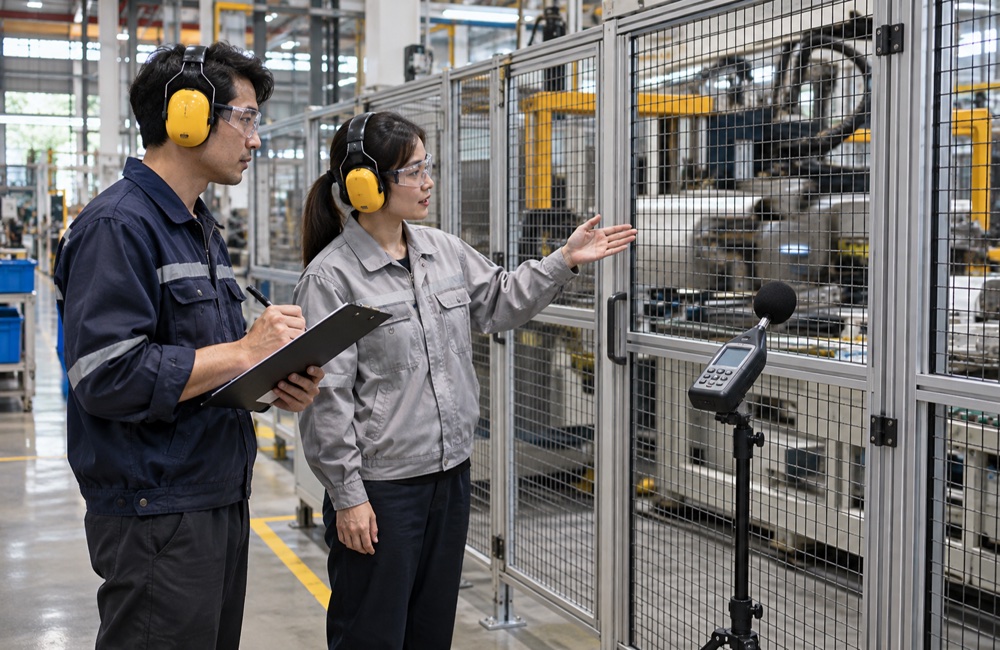
Selecting a measuring instrument to check how many decibels of sound are illegal must refer to international standards, which classify the accuracy level into 2 main types to meet the following usage requirements:
Class 1 Sound Level Meter (Type 1)
Class 1 meters have stricter tolerance criteria than Class 2, making them suitable for tasks requiring high accuracy. The reliability of the report also depends on calibration, measurement method, and the qualifications of the measurer.
Class 2 Sound Level Meter (Type 2)
Class 2 meters can be used when they meet the relevant standards and measurement methods. Announcement of the Labor Standards and Welfare Department's Measurement Criteria specifies the use of sound meters according to IEC 61672 or IEC 651 Type 2 or equivalent.
Maintenance of Standard Sound Level Meters in the Factory
Proper maintenance of equipment helps extend its lifespan and maintains the accuracy of determining whether the sound level in decibels is illegal. The SCMA team recommends the following practices:
Daily and Post-Use Maintenance
The battery should be removed every time the device is not in use for a long period to prevent chemical leakage. Use a dry soft cloth to clean the device body. Always wear a windscreen on the microphone. Store the equipment in a completely dry impact-resistant box to be ready for the next factory sound level measurement.
Calibration and Inspection Management
Before each use, calibrate the field according to the manufacturer's manual using a sound calibrator according to IEC 60942 or equivalent, as per the announcement of the Department of Labour Welfare and Protection. Calibrate with a standard calibration unit once a year. For the company's own equipment used for internal measurement and analysis, calibration should be done every two years.
Using Standard Sound Level Meters in the Factory
Using SCMA's standard sound level meters in real-world applications is crucial for risk management and preventing issues related to illegal decibel levels. There are four main reasons for this:
Protecting Employees' Hearing
The quiet danger from machinery can cause permanent hearing loss. Standard sound level measurements in the factory help alert employees to wear protective equipment in a timely manner. This is a sustainable way to ensure the safety of human resources from illegal decibel levels.
Compliance with Legal Requirements
Having clear numerical data helps the factory control sound levels within the government's safety standards. This prevents disputes when someone suspects illegal decibel levels and avoids fines that may result from neglecting factory sound standards.
Checking the Health of Machinery
Changes in the sound level of machinery from the recorded original value may indicate wear or abnormalities. It should be checked together with operational and maintenance data.
Improving Overall Work Efficiency
An environment that prevents illegal decibel levels helps reduce the accumulated stress of operational staff. When working in areas where factory sound levels are within safe limits, it results in better focus, fewer accidents, and promotes overall organizational productivity.
Advantages of Standard Sound Level Meters in Factories
An accurate sound level measurement solution helps enhance workplace safety. Investing in a device that checks how many decibels of sound are illegal has four important benefits.
Proactive Safety Inspection
The device quickly detects sound levels that exceed the factory's standard sound levels, allowing safety officers to assess risks and implement preventive measures immediately, helping reduce employee illness statistics when exposed to illegal decibel levels.
Confidence in Legal Compliance
Record sound levels, the duration of employee exposure to sound, measurement methods, and calibration data for evaluation according to relevant criteria. If the average over eight hours is 85 dBA or higher, hearing conservation measures must be provided according to Ministry Regulation.
Preliminary Machine Condition Assessment
Tracking sound trends of machines under similar operating conditions helps maintenance teams select additional inspection points.
Comprehensive Industrial Functionality Features
New measurement devices come with an average value calculation mode, offering various frequency measurement formats suitable for different industries. Having a complete set of equipment helps accurately determine how many decibels of sound are illegal under different conditions, in accordance with factory sound standards.
How to Choose a Standard Sound Level Meter for Factory Use
When deciding to purchase equipment to achieve cost-effective results, consider comprehensive functions. Here is a checklist to evaluate which type of sound level meter you should buy to check sound standards in the factory and prevent illegal noise levels in decibels.
Select the Class and standard of the instrument to suit the measurement method. Work requiring strict tolerance criteria may use Class 1.
The measurement range and mode should support the sound to be evaluated. The Ministry's regulations set a maximum noise impact or impulse noise level of 140 dB and a continuous steady noise level of 115 dBA. Therefore, the measurement method must match the type of noise and include time-weighted average evaluation.
Frequency Evaluation Function: Supports frequency weighting value adjustment (Frequency Weighting), such as A-weighting, to align with standard sound measurement in factories, simulating human ear perception.
Data Logging Function: Choose a model with memory to store statistical average values to analyze and monitor long-term illegal noise levels in decibels.
Reliability of the Distributor: Choose a brand with after-sales service, calibration, and full maintenance by professionals.
Long-term Cost-effectiveness (Total Cost of Ownership): Consider the durability of the equipment, battery life, and calibration costs for a cost-effective investment in the long run.
Calibration and Sales of Sound Level Meters from SCMA Experts
As SCMA is a technical partner, we understand well that accuracy is the key to work. Therefore, we have selected only world-leading sound level meters that meet international standards, ready to provide comprehensive services to assess how many decibels of sound are illegal.
World-class Quality Products: Distribute durable sound level meters in factories that provide accurate values.
Standard Calibration Services: Ensure that your equipment can accurately measure how many decibels of sound are illegal.
Solution Design: The engineering team is ready to assess the standard sound level problems in the factory on-site.
Accessible Service Center: Branches cover major industrial estates, ready to provide quick assistance.
Summary
Factory sound standards are important requirements that should not be neglected. Understanding how many decibels of sound are illegal and using standard sound level meters will help protect employees' health and sustainably improve production efficiency. SCMA is ready to be a partner to deliver quality equipmentOur Services comprehensively.
Interested in purchasing or consulting via LINE Official: @SCMA
If you want to buy standard sound level meters for the factory, you can buy from SCMA today!
Investing in standard safety equipment is the most valuable decision. SCMA would like to offerSound Level Meters (Sound Level Meters) solutions that have been certified for accuracy, helping you confidently control factory sound standards. No more worries about how many decibels of sound are illegal. Contact our engineering team today for free consultation.
Frequently Asked Questions
What is the illegal noise level according to safety standards?
For an 8-hour work period, the weighted average noise level (TWA) standard is no more than 85 dBA. If working for other durations, compare with the table or calculate according to the relevant regulations.
What are Sound Level Meters?
Sound level meters are used to measure the loudness of sound at specified locations and times. If employees move work locations or are exposed to different noise levels during different periods, assess based on the noise level and duration received, or use an accumulated sound level meter according to the criteria.
What are the differences between Class 1 and Class 2 sound level meters?
Class 1 has stricter accuracy standards than Class 2. The selection should consider the instrument standards, measurement methods, and the characteristics of the noise from the work together.
How often should sound level meters be calibrated?
Calibrate in the field before each use, and send for calibration with a standard calibration unit according to the scheduled intervals announced. Generally once a year, while instruments used by the workplace for internal measurement and analysis should be calibrated every two years.
What services does SCMA offer regarding sound level meters?
We sell leading brand instruments, along with after-sales service, calibration services, and provide advice on noise standards in factories by professional engineers.