Have you ever encountered problems such as damaged equipment or electrical shorts caused by reversed wiring during the installation of an electrical system? Performing a Polarity Test or electrical polarity testing is an important step that helps eliminate these issues from the source. The SCMA engineering team, experts in electrical measuring instruments, is ready to provide you with a comprehensive solution. This article will delve into an easy-to-understand checklist method for testing, ensuring your work is as safe as possible and minimizing downtime on the production line.
What is a Polarity Test?
A Polarity Test in an electrical installation system checks whether the conductors are connected to the terminals as designed, such as the phase and neutral wires being in the correct position, and single-pole switches disconnecting the phase wire as required. Polarity testing is part of the electrical system acceptance inspection.
Principle of Operation of Polarity Test
Have the responsible person select the testing method according to the type of circuit and applicable requirements. List the items to be tested after disconnecting the power source, and assess the necessity for testing while the power is on.
1. Dead Test (No Power Test)
Before performing a dead test, the responsible person should disconnect the power source, prevent backfeeding, and confirm that there is no voltage according to the approved procedures. Then, check the continuity of the conductors and the terminal connections according to the circuit diagram, and compare the results with other relevant test items.
2. Live Test (With Power Test)
Only qualified personnel should perform live testing when the testing method and requirements allow. Select the equipment and procedures according to the risk assessment. A single neutral-to-ground voltage value close to zero cannot confirm the polarity or the safety of the system.
How are transformer terminals different from terminals in installed circuits?
Transformer terminals indicate the relationship of voltage between windings and the position of the terminals brought out. This information is important when connecting transformers according to type, such as parallel connections. Check the manufacturer's label and diagram. Checking terminals in an installed system has a different purpose.
1. Subtractive Polarity
Subtractive Polarity refers to when windings are connected in a specified manner for testing, the voltage under consideration will be the difference of voltage between two windings. Use the symbols on the manufacturer's label and diagram as primary information.
2. Additive Polarity
Additive Polarity refers to when windings are connected in a specified manner for testing, the voltage under consideration will be the sum of voltage between two windings. Follow the specific procedures of the transformer and the specified coordinates.
Maintenance of Polarity Test Equipment
Based on the field experience of the SCMA engineering team, regular maintenance of the polarity test equipment helps extend its lifespan and maintain measurement accuracy. The technical team should strictly follow the basic maintenance checklist as follows:
1. Cleaning the Device Body
Users should clean the electrical measuring instrument only with a slightly damp cloth or mild cleaning solution. Harsh chemical substances must be strictly avoided. Proper maintenance of the surface helps prevent the accumulation of dust or moisture that may interfere with internal circuits.
2. Calibration Check
The electrical safety testing equipment must be calibrated periodically by a certified laboratory. Sending the instrument for calibration ensures that the polarity test remains highly accurate and reliable under all operating conditions.
3. Inspection of Test Leads
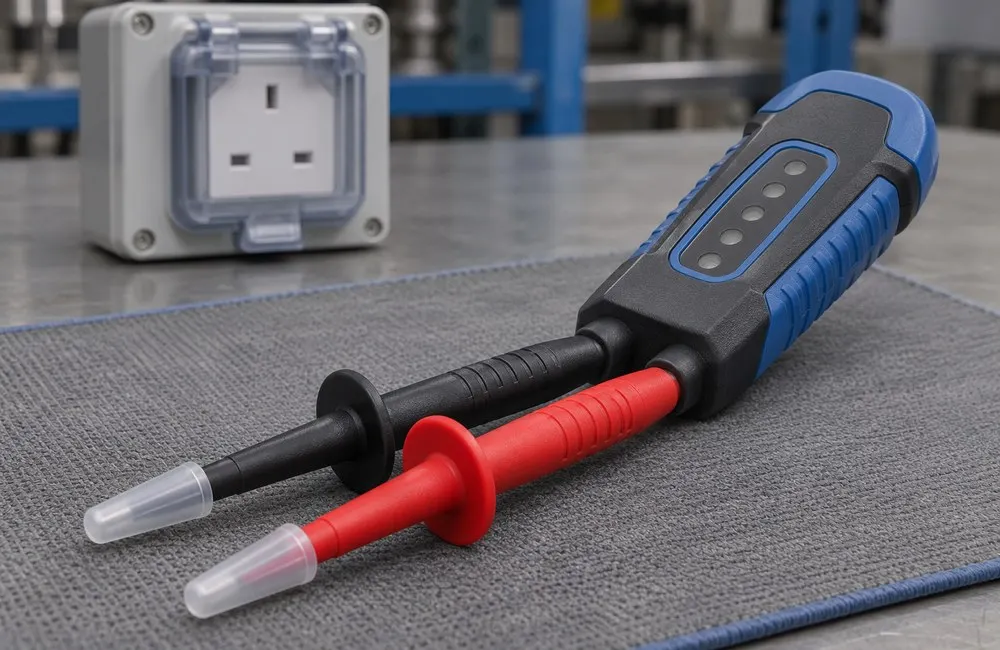
Before each operation, check the test leads and probes for any signs of damage, cracks, or wear. Intact test leads prevent resistance measurement errors, ensuring accurate polarity test results and preventing risks from electrical leakage.
4. Preventive Maintenance in Large Systems
For polarity testing in large transformers, a systematic preventive maintenance plan should be established. Regularly inspecting the coordination with other protective systems helps effectively reduce the risk of production line interruptions.
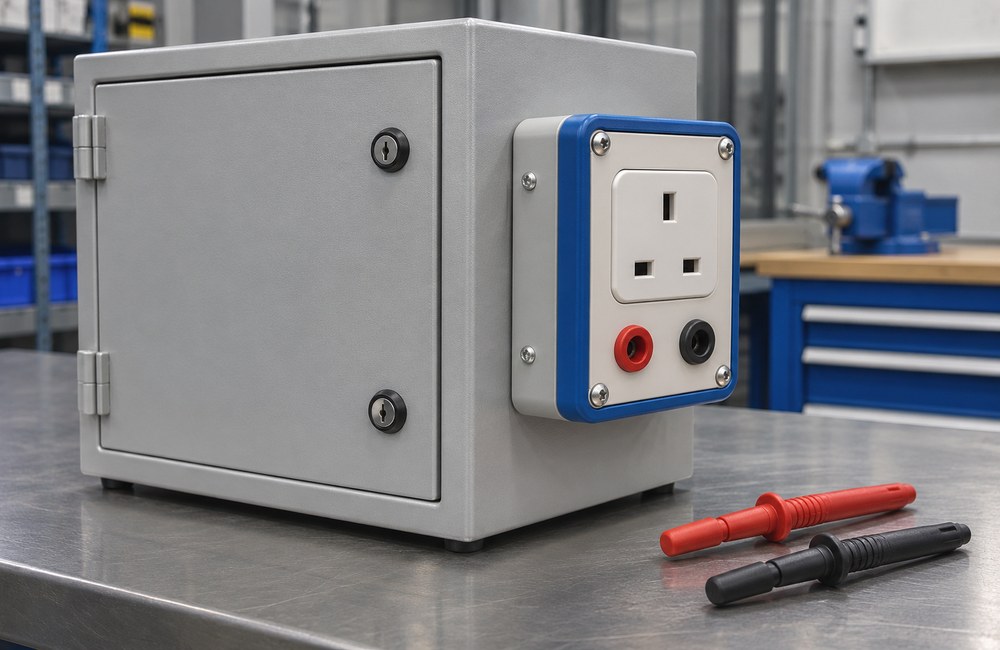
Application of Polarity Test in Industry
The process of polarity testing is widely used in industrial factories to confirm the correctness of wiring connections. This inspection is extremely important to the overall system stability.
1. Personnel Safety
Polarity checks help identify wiring that may leave internal components of the device energized even when the switch is turned off. It should be read together with insulation test results and circuit breaker devices.
2. Operation of Equipment and Machinery
Confirming the correct polarity ensures that motors or electronic devices on the production line operate in the right direction, preventing machinery from rotating in the wrong direction, which may cause serious damage to mechanical components and result in business losses due to downtime.
3. Pre-Actual Power Supply Inspection
This testing procedure is a standard requirement that must always be performed before actual power is supplied to the system. Checking the continuity of wiring with electrical measuring instruments ensures that the circuit breaker will correctly disconnect the circuit in case of an emergency.
Advantages of Polarity Test
Emphasizing the polarity testing procedure provides valuable results in terms of both protection and efficiency. The main advantages of detailed system inspection are as follows.
1. Maximum Safety in Operations
Confirming that conductors are connected according to the diagram reduces the risk of incorrect connections. Other items should be checked before putting the system into operation.
2. Extended Equipment Lifespan
Avoiding incorrect polarity helps transformers and heavy machinery operate stably. Maintaining proper power supply conditions reduces wear on internal circuit boards, helping to extend the lifespan of business assets.
3. Enhanced Performance in Audio and Video Systems
In the installation of communication systems, polarity testing helps check the phase direction of speakers to ensure they work in harmony. The result is accurate and precise sound dimensions, effectively eliminating distortion problems caused by wave interference.
4. Verification of Compliance with Standards
Recording test results with modern instruments confirms that the wiring in the building complies with international engineering standards. These data are important evidence for evaluating the quality of work, providing confidence to project owners.
How to Choose a Polarity Test Tool
Selecting the right polarity test tool should primarily consider the nature of the work to achieve maximum value. The SCMA team recommends the following guidelines for selecting electrical measuring tools to make the correct decision.
Select according to the type of use: If you need to check control panels, choose a device that can check polarity and breakers in one unit for convenience.
Look for comprehensive functions: Consider Multifunction Testers that can measure earth loop impedance in one device.
Check the type of measurement (CAT) and the voltage specified at the measurement position, as well as the device rating, test leads, and probes. Use them according to the lowest rating of the complete set.
Select a reliable brand: It is advisable to purchase from a distributor that can provide after-sales service and long-term calibration of electrical safety testing equipment.
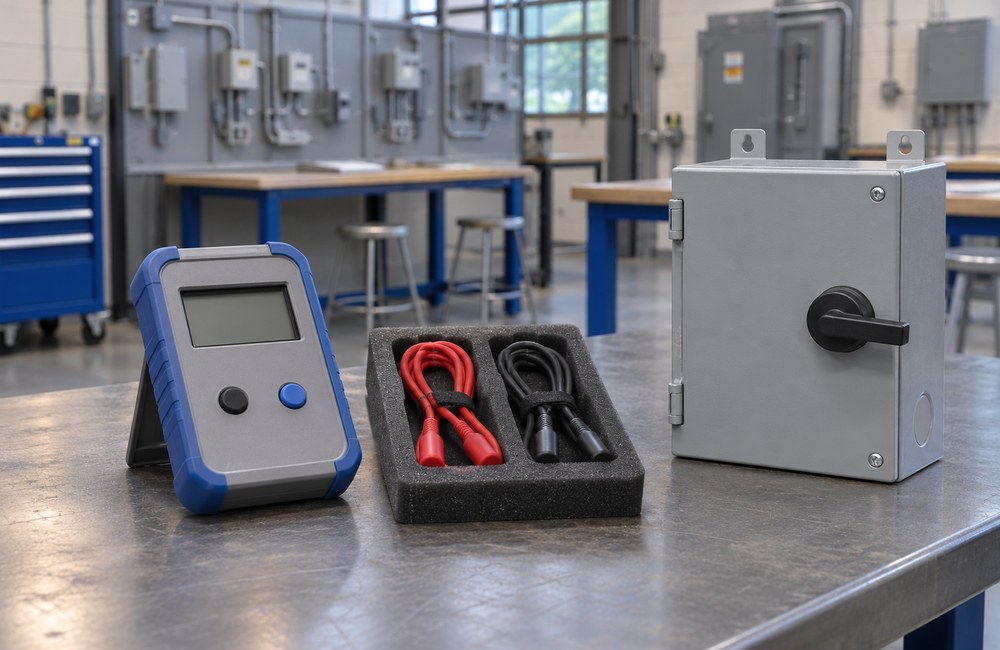
Recommended Test Equipment from Leading Brands by SCMA
Investing in quality tools is an investment in the long-term stability of your business. SCMA has carefully selected electrical measuring instruments that meet all types of testing needs for you.
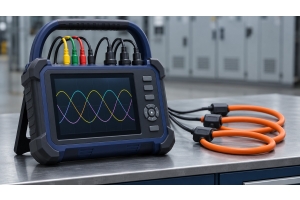
Multifunction Testers product line is suitable for comprehensive electrical system testing in one device.
Electrical safety testing equipment of high quality, durable for harsh working environments in factories.
Standard accessories and test leads that help engineers work more accurately and efficiently.
Technical consultation services to select the appropriate equipment for each type of transformer work.
Summary
The Polarity Test is a crucial element in maintaining safety standards and extending the lifespan of equipment in industrial factories. Choosing accurate electrical measuring instruments and electrical safety testing tools will effectively prevent damage. The SCMA team is ready to be your partner in supplying multifunction testers with comprehensive measurement solutions that fully meet your business needs.
Interested in purchasing or consulting via LINE Official: @SCMA
If you want to purchase a Polarity Test device, you can contact SCMA today!
Safety in industrial factories is something that cannot be compromised. Accurate polarity testing is the first line of defense in preventing losses. SCMA offers the distribution of global electrical measuring instruments along with a team of consulting engineers. If you are looking for a reliable solution, you can visit our official website.
Frequently Asked Questions
Is a Polarity Test necessary for residential premises?
Polarity testing is one of the items in the list of circuit verification checks for installed or modified circuits, such as socket and switch connections. The responsible person should conduct the test in accordance with system requirements and other safety items.
Can a general multimeter be used to test polarity?
It depends on the testing method and the instrument's specifications. The responsible person should select an instrument suitable for the task and confirm the power source is disconnected before measuring continuity. Voltage measurement under power must use methods and equipment appropriate for the measurement location.
What are the negative effects of reversing the wire polarity?
The effects depend on the type of circuit. For example, if a single-pole switch disconnects the neutral wire instead of the live wire, the device may stop working but internal components may still have voltage. The rotation direction of a three-phase motor is related to the phase sequence and must be tested separately.
How often should a Polarity Test be performed?
Conduct the test according to the inspection list when there is installation or modification, and according to the maintenance plan and site requirements. Transformer inspection intervals should be viewed in the manual and usage characteristics.
Does SCMA offer calibration services for testing instruments?
SCMA Company offers after-sales service and accepts calibration of all types of electrical measuring instruments, ensuring your instruments are standardized and always ready for accurate use.
References
IET – Guidelines for Reducing Unnecessary Live Testing
Fluke – Basic Guide to Electrical Installation Testing
Fluke – CAT Ratings and Voltage of Test Leads
U.S. Bureau of Reclamation – Transformer Manual, Section 2.16 Transformer Polarity