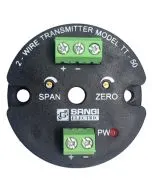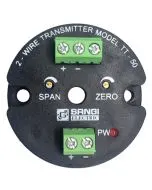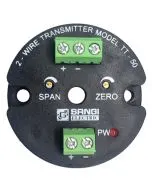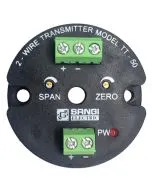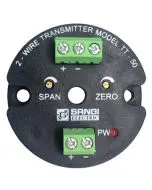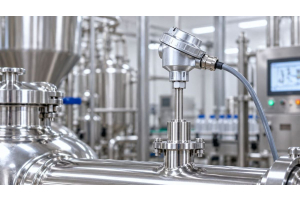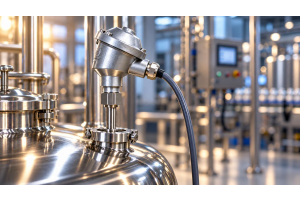

A transmitter is a crucial device used for managing data and signals in an automated system. It converts measurable parameters into standard signals for further control and analysis. The operation of the transmitter is therefore at the heart of high-precision measurements in industries ranging from production processes to quality control, all the way to various safety systems. Today,SCMA would like to present the proper use of transmitters!
What is a Transmitter?
A transmitter is a device that receives parameter values from processes such as temperature, pressure, or flow rate and converts the measured value into standard signals like current signal 4-20 mA or voltage signal 0-10 V to be sent on to control systems or other devices. Transmitters are crucial in automated systems requiring precise process control, found across various industries in both standalone transmitter form or as integrated modules within a single unit.

How does a Transmitter Work?
The operation of the transmitter starts with a sensor unit measuring physical values such as pressure or temperature. The system then sends signals to an internal processing unit within the device, which adjusts and converts the signal into an appropriate format. Finally, it is output through an Output port like electrical or digital signals to control devices or display systems such as PLCs or SCADA systems. This type of operation helps ensure stable and reliable system control.
What is the function of a Transmitter?
The primary function of a transmitter is to convert measurable signals from processes into usable signals in automatic control systems, with the aim of enhancing analysis and control efficiency. Additionally, transmitters help reduce noise, increase data accuracy, and can be used alongside alarm or monitoring systems in industrial plants. SCMA services support various types of transmitters to align with different operational sectors.
What are the features of a Transmitter?
Transmitters have characteristics that meet diverse requirements for control and measurement systems, capable of supporting both industrial automation systems and high-precision laboratory systems.
- High accuracy and stability in measuring various parameters
- Resistant to harsh environments such as high temperatures, humidity, or dust
- Support digital communication types like HART, Modbus, PROFIBUS
- Have noise protection systems and can easily connect to other control devices
- Calibrated for result accuracy
Transmitters are divided into two main types based on signal characteristics
Transmitters can be categorized into two major groups according to the type of output signal they produce, namely pneumatic and electrical. Each type is suitable for different applications.
1. Pneumatic Signal
This is a transmitter that uses compressed air pressure as the medium to transmit signals. It is commonly used in areas with explosion risks or environments where electrical usage is restricted. The advantages of this system include high safety and durability, but it has limitations regarding accuracy and slower response compared to electrical types.
2. Electrical Signal
Electrical signal transmitters are the most popular in industrial systems due to their high precision, ease of installation, and convenient integration with automatic control systems.
- Standard Current Signal: Uses a standard current signal of 4-20 mA, suitable for long-distance data transmission without signal loss.
- Standard Voltage Signal: Such as 0-10 V, used in internal systems with short-range signal transmission and do not require high current stability.

Transmitter Categorized by Usage Characteristics
In addition to being categorized by signal type, Transmitters are also classified based on the measurement requirements, which helps in selecting appropriate equipment for each type of measurement efficiently.
Pressure Transmitter
Pressure Transmitter is an instrument used to measure pressure in systems such as gas or liquid pressure. It is widely used in chemical, petrochemical, and energy industries among others. The accuracy of Pressure Transmitter significantly impacts safety and process control.
Temperature Transmitter
An instrument used to measure temperature in processes, often working with RTD or Thermocouple sensors. This type of transmitter is highly stable and used in systems requiring continuous temperature control.
Level Transmitter
Used to measure the level of liquids or solids in tanks, such as water, oil, or plastic pellets. It is applied in inventory management systems and processing industries.
Flow Transmitter
Measures the flow rate of fluids in pipes or closed systems, often used with various types of Flow Sensors such as Venturi, Ultrasonic, or Magnetic Transmitters. The specific type depends on the nature of the fluid and required accuracy.
pH Transmitter
Used in processes requiring control over pH levels such as wastewater treatment systems or food and beverage production. It connects with Electrochemical Sensors for precise measurement.
Torque Transmitter
An instrument used to measure torque in machinery, commonly applied in automotive and mechanical engineering industries to analyze the efficiency of drive systems or motors.
What are the benefits of a Transmitter?
Transmitters play a crucial role in automated systems, especially in processes that require precise and stable control.
- They help convert data from sensors into processable information.
- Increase the efficiency of production control systems.
- Reduce risks associated with human intervention in dangerous areas for actual measurements.
- Work seamlessly with SCADA and PLC systems.
- Support Predictive Maintenance with accurate data.
How to use a Transmitter?
Using a transmitter requires considering its suitability for the type of parameter being measured and the existing control system.
- Select the appropriate type of Transmitter based on the measurement required (e.g., pressure, temperature).
- Check for supported standard signals in your control system (4-20 mA, 0-10 V).
- Install it at an appropriate and safe location.
- Calibrate for accurate measurements.
- Connect to control systems such as DCS, PLC or alarm systems.
Applications of Transmitter in Industry
Transmitters are widely used across various industries to control processes and enhance production efficiency.
- Chemical and Petrochemical Industries
- Power Plants and Energy Systems
- Food and Beverage Factories
- Wastewater Treatment and Environmental Systems
- Automotive and Machinery Industries
If you are interested in purchasing Transmitters, SCMA is ready to serve you today!
SCMA offers a wide range of transmitters that meet international standards, providing consultation for selecting the right equipment suitable for your system. Our experienced team from field work ensures comprehensive calibration and installation services to ensure confident, safe, and highly efficient use. Contact SCMA today for tailored solutions.

Summary
The transmitter is a crucial component in automatic systems, playing roles from measurement to signal conversion and data transmission to control systems. SCMA supports the use of transmitters with advanced engineering standards to meet modern industrial control needs. If you need accurate, reliable equipment with comprehensive services, choose SCMA!
Frequently Asked Questions
What is the function of a Transmitter?
Transmitter is primarily responsible for receiving measurable signals such as pressure or temperature, and converting those values into standard signals to be sent to an automatic control system, enabling precise control and monitoring of the production process.
What is a Four-Wire Transmitter?
A four-wire transmitter (4-wire transmitter) has separate wires for power supply and signal transmission, making it highly stable in signal transmission. It is suitable for applications requiring high accuracy and durability.
What is the function of a Converter?
A converter (Converter) converts the form of signals from one type to another, such as converting voltage signals into current signals or digital signals into analog signals, to be compatible with the control system in use.
How does a Pressure Transmitter work?
The principle of operation for a Pressure Transmitter is to receive pressure from liquids or gases through a pressure sensor, converting it into an electrical signal, and then sending the data to the control system for processing. It is used for measuring pressure in tanks, reservoirs, or pipeline systems in industrial plants.