Temperature/Humidity Sensor is a crucial device that helps maintain an appropriate environment in both industrial and everyday settings. Choosing the right sensor can significantly reduce costs and improve operational efficiency. Company SCMA presents comprehensive information about temperature and humidity sensors to help you select the most suitable option for your needs.
What is a Temperature /Humidity Sensor?
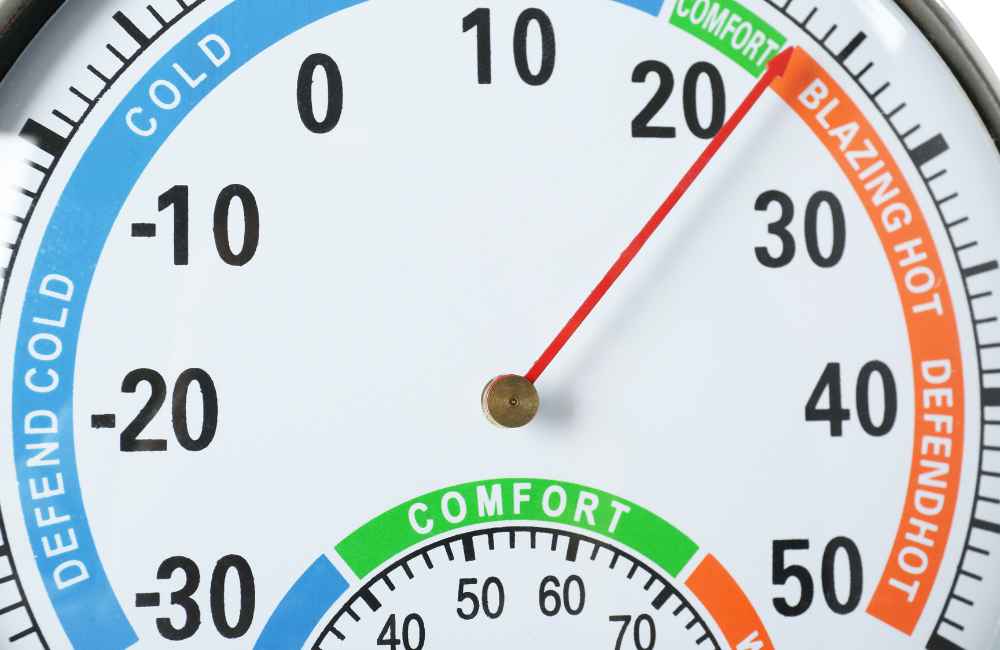
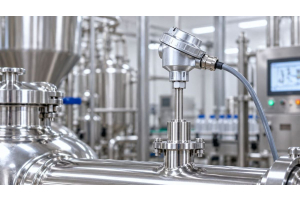
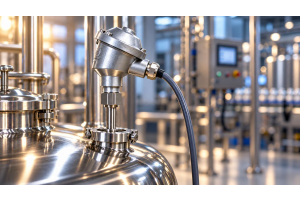
Temperature/Humidity Sensor is a device used to measure temperature or humidity in the area of use. It is an essential tool for controlling environments across various industries, from temperature-controlled rooms and food processing facilities to cold storage units, clean rooms, and warehouses. High-quality sensors help prevent damage to equipment or materials that require environmental control while offering versatile installation options and easy connectivity with display screens or control systems.
How many types of Temperature / Humidity Sensor are there?
Temperature and humidity sensors can be categorized into two main types based on their display characteristics to meet different usage requirements:
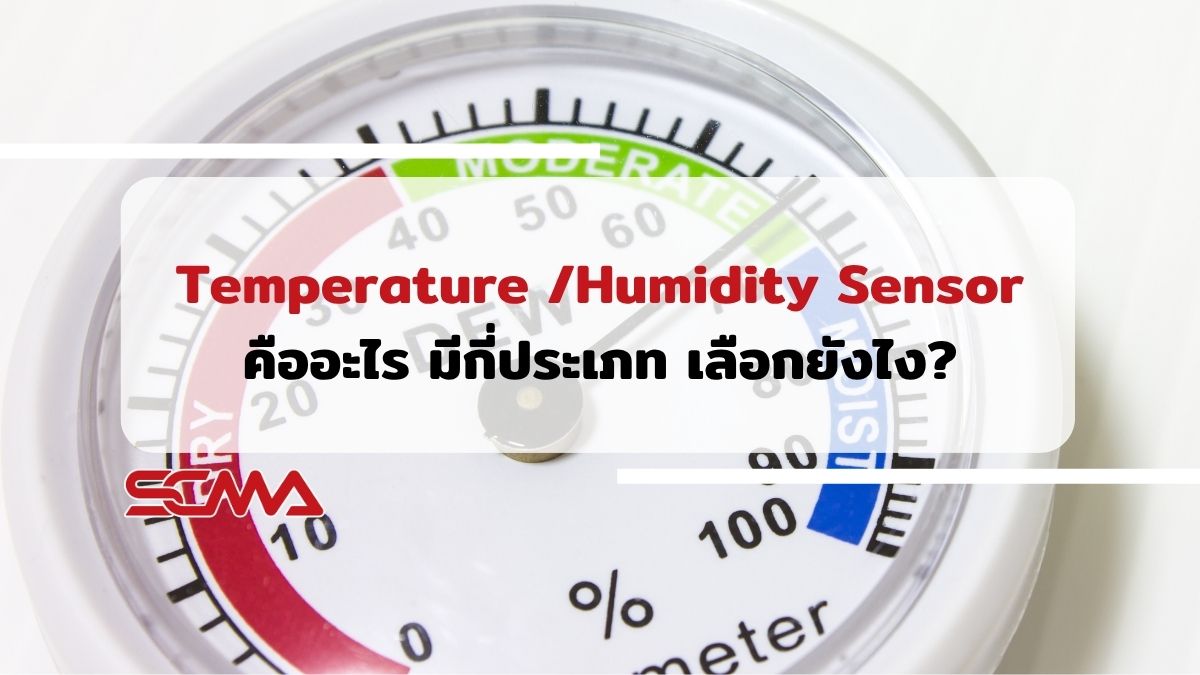
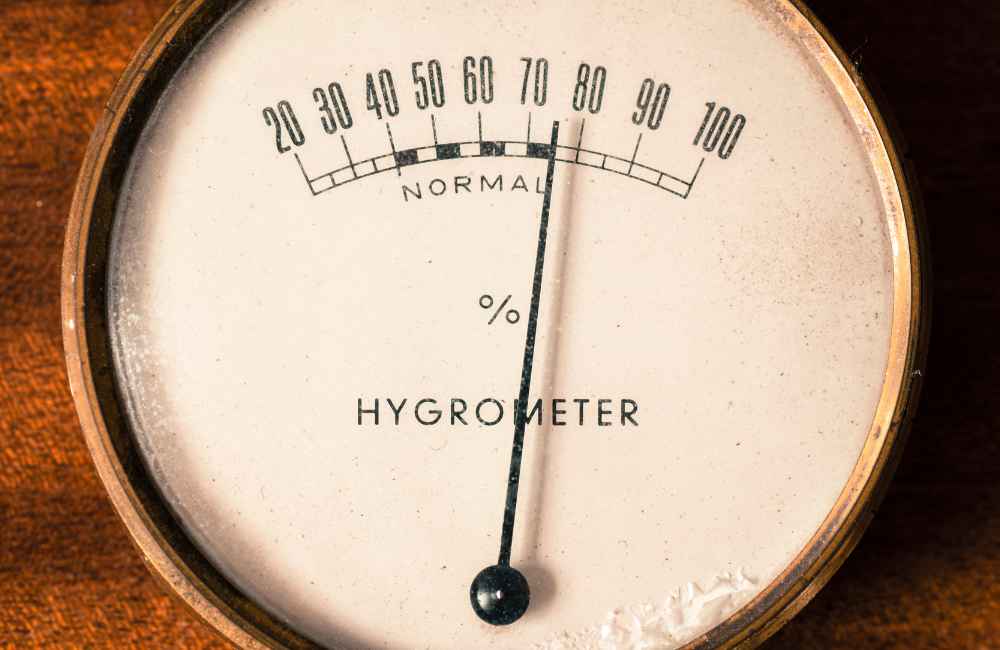
- Analog Thermo-Hygrometer - A dial gauge meter type of measurement device, easy to read from a distance without the need for batteries. It is durable in various environmental conditions and suitable for permanent installation in factories or warehouses.
- Digital Thermo-Hygrometer - A digital measurement device displaying clear numerical readings with high accuracy. It comes with many additional functions such as maximum-minimum value recording, abnormal condition alerts, and automatic control system connectivity.
How to Use a Temperature and Humidity Meter
Using a digital temperature/humidity sensor is easy and convenient. Follow the basic four steps below to get accurate measurement readings:
- Step 1: Turn on the device and wait for it to initialize - Press and hold the power button (Power) for 2-3 seconds. The display screen will turn on, and you should wait approximately 30 seconds for the sensor to adjust to its environment before obtaining accurate and stable readings.
- Step 2: Read the values from the display - The temperature and humidity will appear simultaneously on the LCD screen. Electronic sensors at the tip of the meter detect and update real-time readings every 1-2 seconds.
- Step 3: Select your preferred display units - Press the °C/°F/DP button to switch between Celsius, Fahrenheit, or dew point. The Dew Point function helps assess condensation risk, which is crucial for quality control work.
- Step 4: Use special functions as needed - Press the MAX/MIN button to view recorded high and low values. This function is useful for monitoring temperature and humidity fluctuations over time.
Where are Temperature /Humidity Sensors Suitable for Installation?

Temperature and humidity sensors are suitable for installation in various locations, from warehouses or factories that require strict environmental control to scientific laboratories and even home use to check the efficiency of air conditioning systems. The sensor helps measure and display real-time temperature and humidity values, allowing precise environment control and data utilization for planning or system improvements.
What are the Benefits of a Temperature / Humidity Sensor?
Temperature and humidity sensors are important tools that help prevent health issues, structural damage, and property loss. They also enhance energy efficiency by maintaining optimal temperature and humidity levels. Maintaining humidity at 40-60% helps reduce the growth of mold and dust mites, while appropriate temperatures can significantly save on air conditioning costs.
In industrial and business settings, temperature and humidity sensors help maintain product quality, prevent food spoilage, and protect electronic equipment from damage. Selecting high-precision sensors and maintaining them regularly ensures efficient system operation, reduces losses, and increases long-term business profits.
Which Temperature / Humidity Sensor Model is Worth Considering?
1.KEPLER Digital Thermo-Hygrometer (Thermo-Hygrometer) model KTH-05
https://scma.co.th/kepler-kth-05.html
2.KEPLER Temperature & Humidity Meter (Temperature & Humidity Meter) model KTH-798SD
https://scma.co.th/kepler-kth-798sd.html
3.KEPLER Temperature & Humidity Meter (Temperature & Humidity Meter) model KTH-799SD
https://scma.co.th/kepler-kth-799sd.html
4.KEPLER Temperature & Humidity Meter (Temperature & Humidity Meter) model KTH-62MD
https://scma.co.th/kepler-kth-62md.html
5.KEPLER Temperature & Humidity Transmitter (Temperature & Humidity Transmitter) model KTH-3203
https://scma.co.th/kepler-kth-3203.html
6.KEPLER Temperature & Humidity Transmitter (Temperature & Humidity Transmitter) model KTH-303S
https://scma.co.th/kepler-kth-303s.html
7.KEPLER Temperature & Humidity Transmitter (Temperature & Humidity Transmitter) model KTH-303D
https://scma.co.th/kepler-kth-303d.html
8.KEPLER Temperature & Humidity Meter (Temperature & Humidity Meter) model KTH-70
https://scma.co.th/kepler-kth-70.html
9.KEPLER Temperature Meter (Temperature Meter) model KTH-3801A
https://scma.co.th/kepler-kth-3801a.html
10.KEPLER Temperature & Humidity Meter (Temperature & Humidity Meter) model KTH-809R
https://scma.co.th/kepler-kth-808r.html
How to Choose a Temperature & Humidity Sensor
Choosing the right temperature and humidity sensor requires considering four key factors to ensure that you get an equipment that meets your needs and is worth the investment:
Accuracy in Measuring Temperature and Humidity
Accuracy is a crucial aspect of humidity sensors, typically with temperature deviation not exceeding ±1°C and relative humidity deviation not exceeding ±2% RH. If used in industries such as food or pharmaceuticals that require high accuracy, choose sensors with lower deviations and calibrate them at least once a year against standard institutions to maintain accuracy.
Additional Features of the Temperature & Humidity Sensor
Temperature & Humidity Sensor new models come with features that enhance usability, such as maximum-minimum recording, WiFi/Bluetooth connectivity for smartphone data viewing, automatic alert settings, and continuous data logging. These functions make tracking and controlling the environment more convenient and efficient.
Select Based on Suitability for Installation Location
The installation location is a crucial factor in choosing humidity sensors, with indoor areas requiring wall-mounted or table-top models. Factories or warehouses should opt for Industrial Grade models that are dust and moisture resistant, while outdoor areas require sensors with IP65 protection level or higher to withstand weather conditions.
Select Based on Digital Display Presentation
A digital display makes readings easier and clearer compared to needle types. Choose a screen large enough for viewing distance, with backlighting for use in dark areas, and displaying both temperature and humidity simultaneously on one screen. Good models should have large numbers that are easy to read from afar, along with clear status symbols.
Interested in Temperature/Humidity Sensors? You can now purchase from SCMA!
Company SCMA, the leader in measurement and quality control equipment, is now offering high-quality Temperature/Humidity Sensors in various models to meet every need from basic to industrial levels. We have a team of experts ready to advise you on selecting the appropriate temperature sensor for your requirements, along with comprehensive after-sales services, guaranteeing each item, providing spare parts and repair centers within the country. Additionally, we offer calibration services according to international standards to ensure measurement accuracy. For special offers, contact SCMA today.
Summary
Temperature and humidity sensors are crucial devices for controlling the environment to suit various applications. Choosing the right temperature sensor can help reduce costs, maintain product quality, and improve operational efficiency by considering several factors such as accuracy, functionality, installation conditions, and display format. SCMA is ready to be your trusted partner in consulting and selling high-quality products with complete after-sales services so that you can invest confidently and maximize benefits from using Temperature/Humidity Sensors.
Frequently Asked Questions
What is a Temperature Sensor?
Temperature Sensor is an equipment that converts temperature values into electrical signals for display or system control. It works on the principle that certain materials have properties that change with temperature, such as resistance, voltage, or expansion, allowing accurate and continuous temperature measurement.
How many types of Temperature Sensors are there?
Temperature Sensors can be divided into four main types: Thermistor which uses semiconductor materials, RTD (Resistance Temperature Detector) using pure metals for high accuracy, Thermocouple measuring over a wide temperature range, and IC Temperature Sensor providing ready-to-use digital signals. Each type has its own advantages and disadvantages depending on the application.
What is the function of a Humidity Sensor?
A humidity sensor measures the amount of water vapor in the air and converts it into relative humidity (%RH) values to control environmental conditions appropriately. It helps prevent damage from excessively high or low humidity, such as mold growth, corrosion, or material cracking, while also maintaining product quality and ensuring occupant comfort.
How many types of Humidity Sensors are there?
Humidity Sensors can be categorized into three main types: Capacitive which measures changes in electrical capacitance for high accuracy and stability, Resistive measuring resistance changes cost-effective for general use, and Thermal sensing air heat conductivity used where extremely high precision is required.