

SCMA would like to present basic knowledge about "air pressure gauges," which are important devices in various fields, including meteorology, aviation, and quality control processes in industrial factories. This type of pressure measuring instrument can accurately and continuously display changes in atmospheric air pressure. This article will help you understand how air pressure gauges work, what types there are, and how they can be applied to different tasks. We also recommendSCMA services for those seeking reliable air pressure measurement solutions.
What is an Air Pressure Gauge (Barometer)?
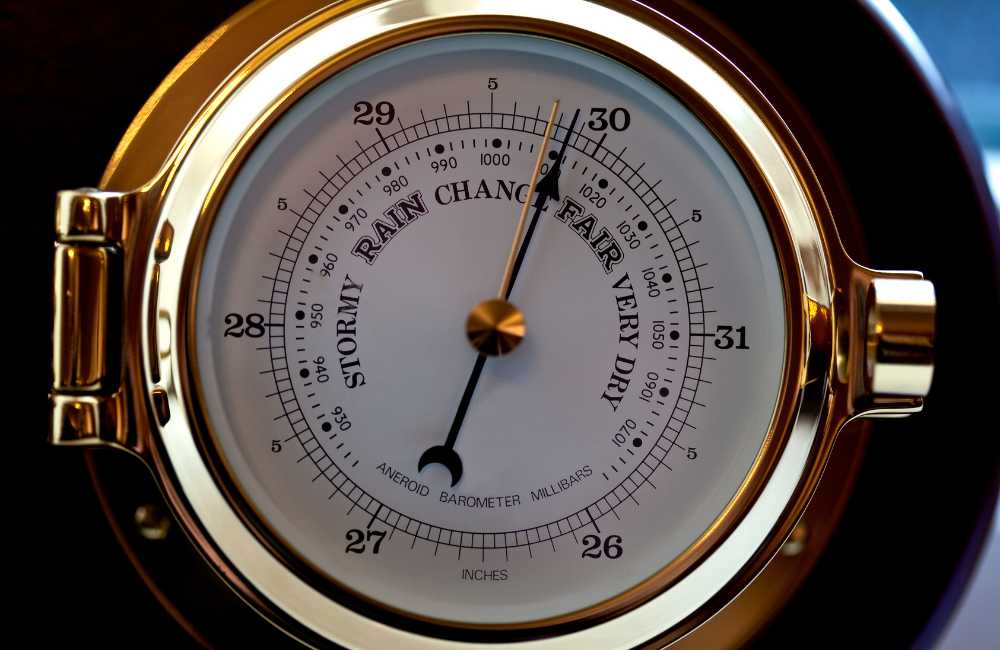
An air pressure gauge, or barometer, is a tool designed to measure atmospheric pressure on Earth. It is commonly used in weather forecasting, altitude measurement, and controlling pressure in closed systems. This device can accurately detect changes in air pressure due to weather conditions, height, or internal machinery systems. There are various types of pressure measuring instruments available for different applications, including mechanical and digital models. Common units of measurement include hPa, mbar, and mmHg.
How Air Pressure Gauges Work
The working principle of an air pressure gauge depends on the type of instrument. For example, a mercury barometer works by relying on atmospheric pressure to push mercury in a glass tube, causing its level to change. A mechanical aneroid barometer uses thin metal plates that deform according to changes in air pressure and indicate values through mechanical levers and pointers. Digital air pressure gauges use pressure sensors to detect electrical signals and process them into numerical readings. Therefore, the choice of instrument should take into account accuracy and specific purposes.
Benefits of Barometers
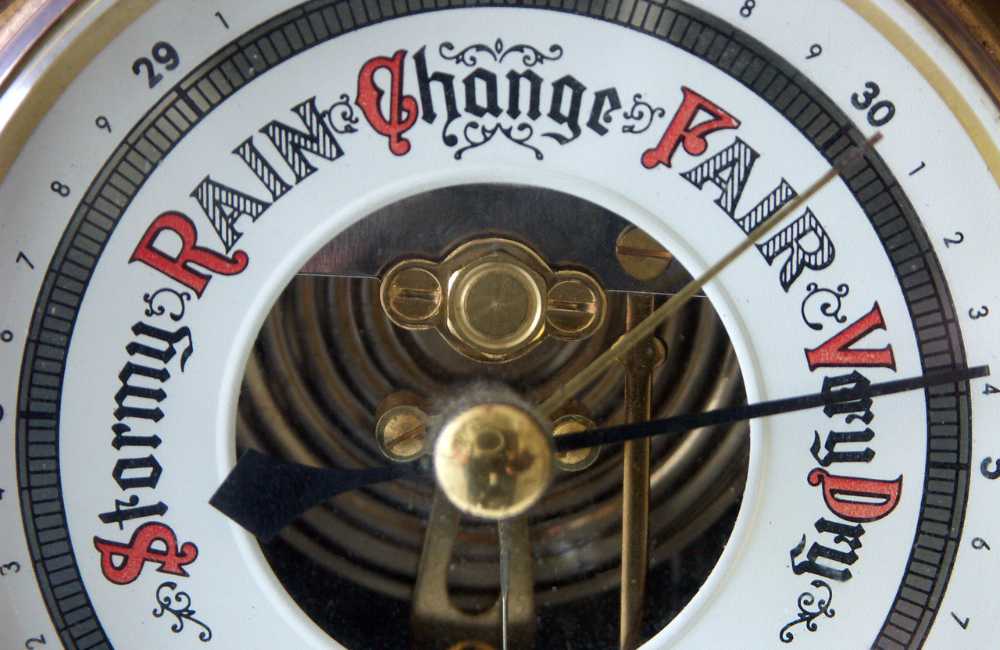
Barometers play a crucial role in analyzing and controlling various environmental conditions, such as tracking weather trends in meteorology, measuring aircraft altitude in aviation, or controlling production system pressure in industries. Additionally, they enhance safety in manufacturing processes that require precise pressure values and are used with IoT systems to collect real-time data. These pressure measurement tools are therefore invaluable in practical applications.
What are the types of air pressure gauges?
Air pressure gauges can be categorized into several types based on the mechanisms and technologies used for measuring pressure values. Each type has characteristics suitable for different applications, ranging from field use to installation in automatic systems or data analysis work.
Mercury Barometer
A mercury barometer is an air pressure measuring tool that uses the principle of liquid balance. It consists of a sealed glass tube filled with mercury placed upright in a container holding a certain amount of mercury. Atmospheric pressure causes changes in the level of mercury within the tube, which correlates to atmospheric pressure values. This instrument is accurate but requires careful handling for storage.
Aneroid Barometer
An aneroid barometer measures air pressure without using liquids but instead uses mechanical mechanisms through thin metal sheets (aneroid capsule) that expand or contract according to changes in atmospheric pressure. This mechanism is transmitted to the measuring needle via gears, making it convenient for field use and eliminating concerns about chemical leaks. It is suitable for general work across all industries.
Altimeter
An altimeter is an instrument adapted from a barometer used to measure height above sea level based on changes in atmospheric pressure at different elevations. It is commonly used in aviation and terrain survey industries, serving as a precise spatial data measurement tool for travel and field research.
Barograph
A barograph is an air pressure measuring instrument that continuously records data using mechanical mechanisms from multiple aneroid barometers connected to a pen and graph paper. This allows for detailed observation of atmospheric pressure changes over time, making it commonly used in weather stations or labs requiring continuous data analysis.
What are the units of atmospheric measurement?
The values obtained from air pressure gauges can be displayed in various units such as millimeters of mercury (mmHg), hectopascals (hPa), millibars (mbar), or pounds per square inch (psi). The unit used depends on the standards of each country or industry. These measurement units can be compared using standard formulas, which should be understood for accurate interpretation of data from different types of air pressure measuring instruments.
Applications of Air Pressure Meters in Industry
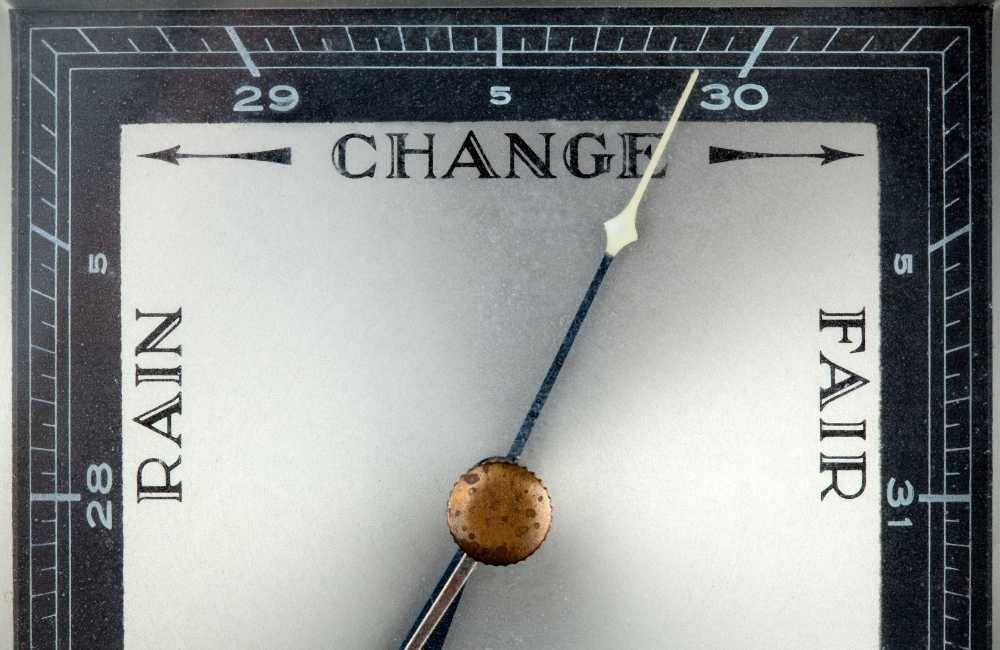
An air pressure meter is a crucial tool in the industrial sector as it can effectively control production processes and monitor quality. It has various applications, including:
- Controlling pressure in production systems such as steam boilers or pressurized tanks
- Checking pressure levels in laboratories or clean rooms
- Using it in HVAC systems to control temperature and humidity
- Maintaining conditions in clean rooms for the electronics industry
Guidelines for Using Air Pressure Meters
To ensure long-lasting use and accurate results from air pressure meters, follow these guidelines:
- Avoid impact or vibration during use and storage
- Regularly check and calibrate the equipment to maintain accuracy
- Store in a dry place, away from high humidity directly
- Use within the appropriate measuring range for each model
If you are interested in purchasing a barometer, SCMA is now available for your purchase!
Barometers are important tools in various applications, whether it's for weather monitoring, pressure measurement in control systems, or measuring altitude in specialized work. If you're looking for high-standard air pressure measurement devices that come in digital, mercury, or aneroid models,SCMA offers a wide range of models to meet every need, whether for field work, laboratories, or indoor control systems. We also provide expert advice services to help you choose the most suitable equipment within your budget.
Summary
A barometer, or barometer, is a crucial tool for measuring atmospheric pressure and applying it in various fields such as weather forecasting, industrial work, or indoor environmental control. With continuous technological advancements, SCMA aims to be part of delivering quality solutions for accurate and reliable air pressure measurement.
Frequently Asked Questions
How many types of air pressure measuring tools are there?
Air pressure measurement devices come in various types, primarily categorized as follows:
- Mercury Barometer
- Aneroid Barometer
- Altimeter
- Barograph
- Digital or Electronic Type
How do air pressure measuring tools work?
The operating mechanism varies depending on the type of device, for example, mercury-based devices rely on atmospheric pressure to compress a column of mercury and measure its level. Aneroid barometers use changes in the deformation of metal plates to measure pressure, while digital types employ sensors that convert pressure into electrical signals for display. These measuring tools provide results tailored to their specific applications.
What are the units used to measure air pressure?
Units of measurement commonly used with air pressure gauges include mmHg, mbar, hPa, and psi. These units can be converted into one another for comparison purposes, especially when comparing data from international sources. The choice of unit should consider the user's understanding and relevant industry standards.
Why use an air pressure measuring tool? How important is it?
Air pressure measurement tools are crucial for environmental control, weather forecasting, altitude assessment, and production quality management. These devices enable more accurate analysis and prediction of atmospheric conditions or internal system pressures, enhancing safety and efficiency in operations.




