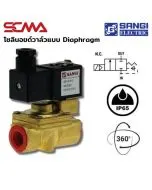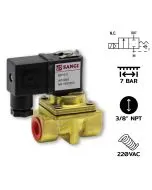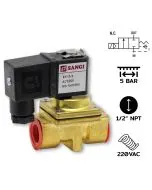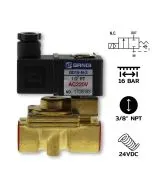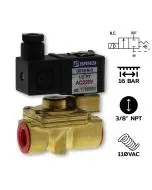
What does a solenoid valve do? is a common question when maintenance technicians can't diagnose machine issues, such as cylinders not moving and production lines coming to a halt. Problems with solenoid valves that are stuck can be resolved by replacing them with the correct model parts from SCMA services. Order high-quality solenoid valve replacements through our online system. Our team of engineers is ready to help you review the specifications of new solenoid valves accurately, preventing issues from purchasing the wrong model that cannot be installed.
What is a solenoid valve? Understand the basics before ordering parts
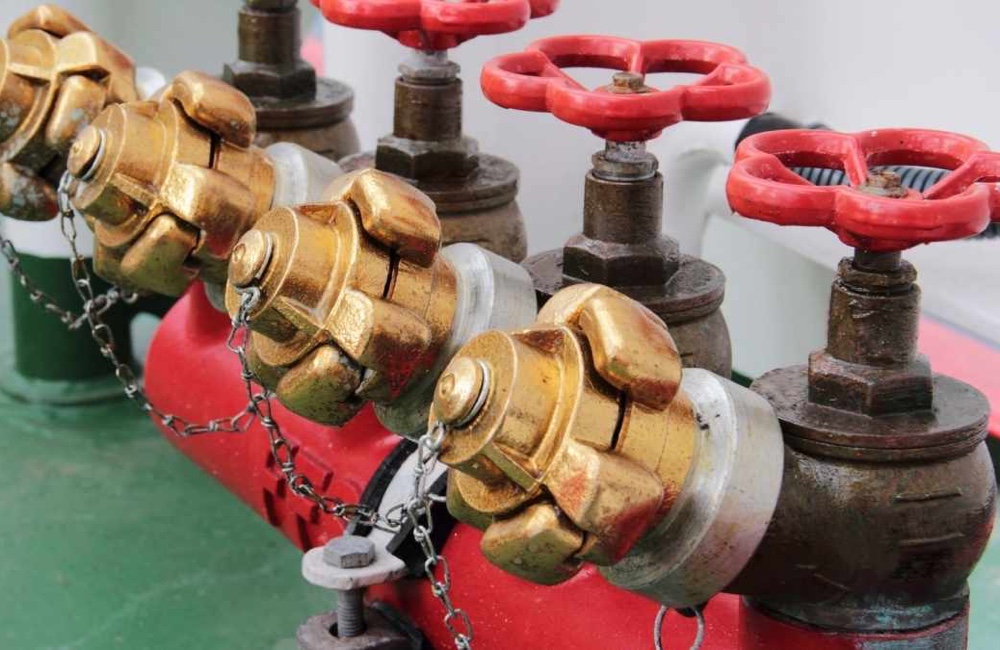
Maintenance engineers should lay the groundwork for understanding what is a solenoid valve? to ensure that on-site technicians are aligned. This device uses electromagnetic power to control the flow path, covering everything from pneumatic systems, water, and even oil systems. It acts as the "command switch" in automation systems. The valve receives electrical signals from the PLC cabinet and converts commands into mechanical movement to open compressed air channels. Understanding what does a solenoid valve do? will help you diagnose machine issues more accurately.
What is a solenoid, and how does a solenoid coil work?
Dive deep into the internal structure to answer what a solenoid is. This component is an electromagnetic assembly consisting of a solenoid coil (Coil) wound around an iron core. When current flows through the coil, it generates an induced magnetic field that attracts the iron core (Plunger), overcoming spring pressure. The lifting mechanism of the iron core initiates the entire system's operation. Choosing a solenoid with good heat resistance can help prevent coil burnout on-site.
Deep Dive into Solenoid Valve Operation on Machinery
Let's take a closer look at the solenoid valve operation. When the iron core is pulled up, the spool inside the valve sleeve moves immediately. The movement of the spool opens a path for compressed air to flow from port P through to port A or B to push the cylinder. When the electrician cuts off the current, the magnetic field disappears and the spring force pushes the spool back to its normal position, allowing the compressed air remaining in the cylinder to be discharged via the exhaust pipe. Explaining what solenoid valve functions at this step helps technicians trace the pneumatic circuit more easily.
How Many Types of Solenoid Valves Are There? How Do You Choose the Right One for Your Load?
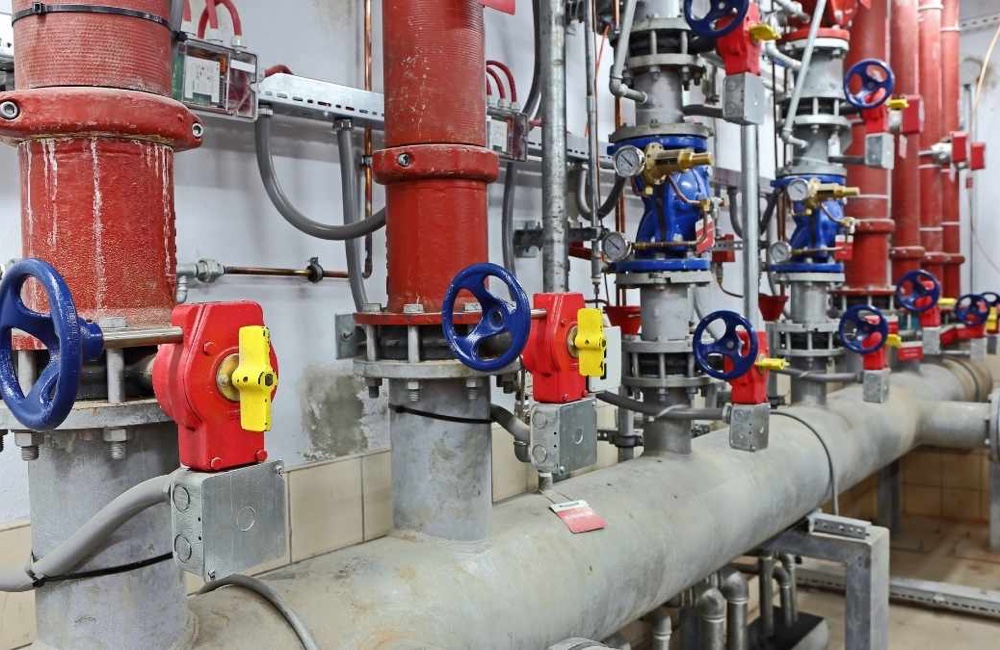
Selecting solenoid valves that fit your machinery depends on the internal design principles. How well solenoid valve functions is determined by the type we install.
Direct Acting Type (Direct Operation)
This type of valve uses electromagnetic power to directly pull the valve core open. This mechanism responds quickly to commands, and its internal structure is not complex. Engineers prefer to use solenoid valves of this type in low-pressure systems and for flow control tasks with small volumes where components can function well even without compressed air to push the spool.
Pilot Operated Type (Pilot Operation)
This type of valve uses compressed air from the system to help push the spool, reducing the load on the electromagnetic coil. Solenoid valves of this type can handle large port sizes and high-pressure compressed air in industrial settings very well. Maintenance technicians prefer using them with large cylinders that require massive volumes of airflow.
How to Read Solenoid Valve Specs to Match the Original Pneumatic Circuit
To order cross-brand replacement parts, accurate spec reading is necessary. Knowing what a solenoid valve does alone isn't enough; you must understand the details before placing an order.
- Engineers need to read the nameplate on the body thoroughly, checking if the working port is 3/2-way or 5/2-way. They also have to match the symbol with the type of cylinder.
- Using a three-way valve to drive a two-way cylinder will immediately cause pneumatic system errors.
- Check whether the circuit status is normally open (NO) or normally closed (NC) to prevent the cylinder from moving in the wrong direction when turning on the machine switch.
- The most critical point is checking the coil voltage of the solenoid valve, such as 24VDC or 220VAC, of the original unit.
- Incorrect wiring specifications, like supplying 220VAC to a solenoid coil designed for 24VDC, will cause the coil to burn out irreparably.
Solenoid Coil Burnout and Spool Sticking Issues and Initial Troubleshooting Methods
Field technicians can diagnose solenoid issues from external symptoms. A hissing air leak sound coming from the muffler indicates a torn seal on the spool shaft, while dust particles from the air compressor getting stuck and causing scratches is another symptom. Overheating coils emitting a burning smell usually indicate that the spool is stuck against the valve housing; the coil tries to draw excessive current beyond its rating to overcome friction. Technicians must stop the machine, remove and replace the solenoid valve parts immediately before heat damages the PLC board. Understanding what a solenoid valve does helps assess damage faster.
Predictive Maintenance of Solenoid Valves Reduces Downtime
Preventive Maintenance helps extend the lifespan of parts. The maintenance department should systematically plan to check solenoid valves.
- The best prevention is controlling air quality from the source, install Air Line Filters (FRL) at the machine inlet to trap moisture and dust.
- Moisture mixed with compressed air will wash away lubricating grease inside the solenoid valve, causing the spool to stick eventually.
- Maintenance staff must schedule regular checks of the control cabinet's cooling fan, excessive heat buildup shortens coil lifespan.
- Check the tightness of electrical connections. Loose terminals cause high resistance leading to overheating and eventual damage to the solenoid valve.
- Replace silencers at intervals; clogged silencers restrict airflow causing the solenoid valve operation to malfunction.
Summary
In summary, what does a solenoid valve do? This component is crucial for switching air direction in pneumatic circuits. Choosing durable solenoid valves reduces downtime effectively. SCMA offers online procurement of high-quality solenoid valve brands, our team verifies specifications according to engineering standards and delivers promptly for immediate machine repairs.
If you want to purchase, SCMA is ready to serve today!
SCMA provides a strong online service that saves your time. Customers simply take pictures of the nameplate of damaged parts and send them via our Line OA; our engineering support team will match high-quality replacement brands to fit your needs. We check port thread sizes and voltage specifications free of charge. SCMA delivers nationwide quickly. Maintenance technicians can install the solenoid valve, wiring, and nuts perfectly on machines, solving issues with ordering incorrect solenoid specifications.
Frequently Asked Questions (FAQ) About Solenoid Valve Operation
Q1: What is the function of a solenoid valve in hydraulic systems? Is it different from pneumatic systems?
A: The main function is to control the direction of flow. However, the internal structure differs; hydraulic valves are cast iron and can withstand high oil pressure, while pneumatic valves use lightweight aluminum and focus on quick position switching.
Q2: What is a solenoid valve? How does a 5/3 way (Closed Center) type work in a system?
A: A solenoid valve of the 5/3 way type has an additional central position. It's commonly used when engineers want to command the cylinder to stop at mid-stroke when power is cut off, as air will be blocked on both sides, causing the piston rod to remain stationary.
Q3: Can only the solenoid coil be replaced if the valve housing is not damaged?
A: Yes, it can. If an engineer checks and finds that the internal spool still slides smoothly without obstruction, a technician can order and replace just the solenoid coil with the original specifications. This method helps factories save significantly on maintenance costs.
Q4: What happens if 220VAC power is applied to a solenoid valve specified for 24VDC?
A: The solenoid coil will burn out immediately. Electrical engineers must use a multimeter to measure the line voltage before connecting it to the valve every time to ensure safety during assembly.
Q5: What angles should be photographed and sent to SCMA for comparing solenoid valve specifications?
A: Take clear photos of the solenoid valve's nameplate. We need to see the air circuit symbol, port thread size, and voltage number on the coil head. With this information, our engineers can match replacement models 100% accurately for you.