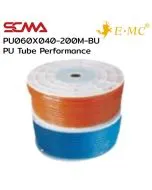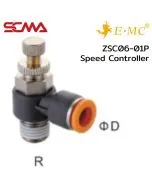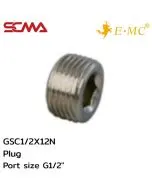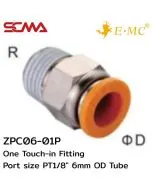
What are pneumatic parts? This is a difficult question when air machinery malfunctions, and the piston gets stuck. On-site mechanics may misname pneumatic parts, leading to incorrect orders and wasted time adapting machines. SCMA offers an in-depth guide on pneumatic components and pneumatic cylinders, with specifications matching your model. Our online ordering service has a real engineering team to review specs, preventing 100% of incorrect purchases.
What are pneumatic systems? Why do factories choose pneumatic air systems?
The first question new mechanics often ask is What are pneumatic systems?. The engineering answer is a technology that transmits power using compressed air (Compressed Air). This mechanism converts wind energy into mechanical energy to drive machinery. Pneumatic air systems meet the needs of modern industries, offering high speed, cleanliness, and safety from electrical sparks. These systems are very easy to maintain, making them popular for assembly parts and packaging lines.
Diving Deep into What Pneumatic Components Are and How They Are Categorized by Engineering Function
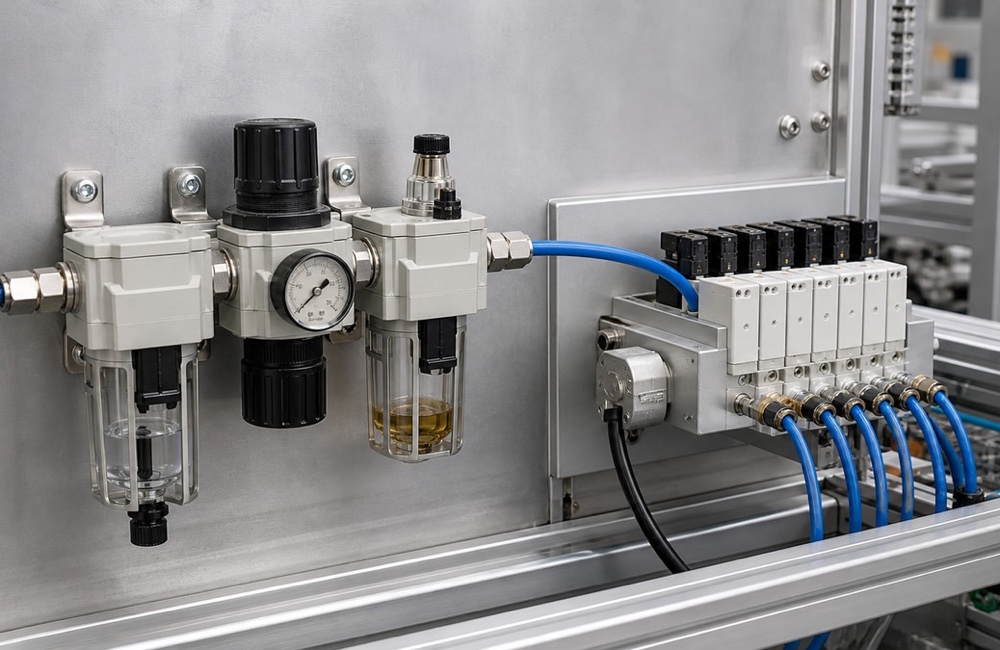
To answer the question of what pneumatic components are, one must look at the entire air circuit from start to finish. Engineers need to group parts for quick analysis of any issues.
Air Preparation Sets (Air Preparation)
The structure starts with an air compressor feeding into an air preparation set. These devices capture water and dust before releasing clean air into the system. Technicians must filter the air to protect the pneumatic system as a whole. The rubber seals inside valves will last longer when clean air is used.
Directional Control Valves (Directional Valve)
The filtered compressed air then flows to directional control valves, which switch the direction of airflow. These devices receive electrical signals from the PLC cabinet to open and close air paths as programmed. The operation of the valve acts like a brain coordinating pneumatic system functions accurately.
Actuators (Actuator)
The air circuit ends at the final actuator, which uses compressed air for work. This part converts pneumatic energy into mechanical motion to directly interact with parts. Pneumatic working equipment must apply force or pull loads as calculated by engineers.
Accessories and Connectors (Accessories)
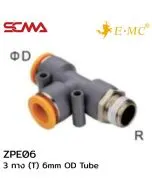
The components that complete the circuit are polyurethane air hoses and quick-connect fittings. These devices act like blood vessels, transporting compressed air to various points throughout machinery. The smooth operation of pneumatic cylinders relies on the integrity of these connection points.
Air Preparation Set (FRL Unit) Frontline Protection for Pneumatic Systems
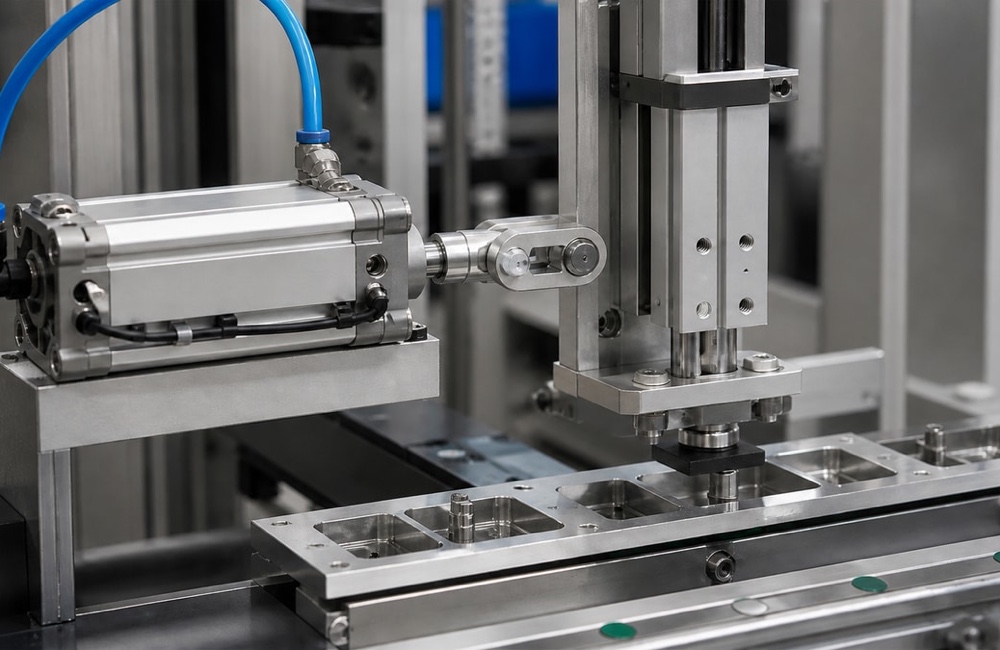
Factory air from the main pump is full of dust particles and water droplets. Maintenance technicians must install an Air Filter, Pressure Regulator, and Lubricator at the front of machinery to capture these contaminants. The FRL unit cleanses the air, stabilizes pressure, and captures impurities, protecting the pneumatic system throughout its loop from premature seal damage inside valves. Neglecting this step can lead to early machine failure.
Pilot-Controlled Valves: The Brain of Pneumatic Systems
Solenoid Valve (Solenoid Valve) functions as an air switch inside machinery, receiving electrical signals from the PLC cabinet to direct compressed air to push cylinders according to programmer settings. Engineers must select 3/2, 5/2, or 5/3 valve configurations that match the pneumatic system's operational requirements on-site. Misreading circuits can result in incorrect air port allocation, causing cylinders to move out of sequence and potentially damaging machinery.
Pneumatic Actuators: The True Hero at Machinery Interfaces
This category converts compressed air back into mechanical movement, with pneumatic actuators taking on the task of pushing, pulling, lifting, or rotating workpieces directly.
Air Motor (Air Motor)
This device transforms air pressure into rotational force. Air motors provide high torque and are resistant to overload without burning out, making them a preferred choice in areas with fire risk or painting booths within factories.
Workpiece Gripper (Air Gripper)
Air pincers serve to grip workpieces for transfer across assembly stations. Engineers must assess the weight and shape of workpieces to select appropriate jaw spacing, as gripping too tightly can damage products on production lines.
Vacuum Ejector
Technicians use vacuum ejectors in conjunction with suction heads to pick up circuit boards or glass panels. This device uses Venturi principles to create suction without relying on large vacuum pumps, providing a perfect solution for preventing surface scratches during part handling.
Pneumatic Cylinders and Pneumatic Actuators Drive Manufacturing Lines
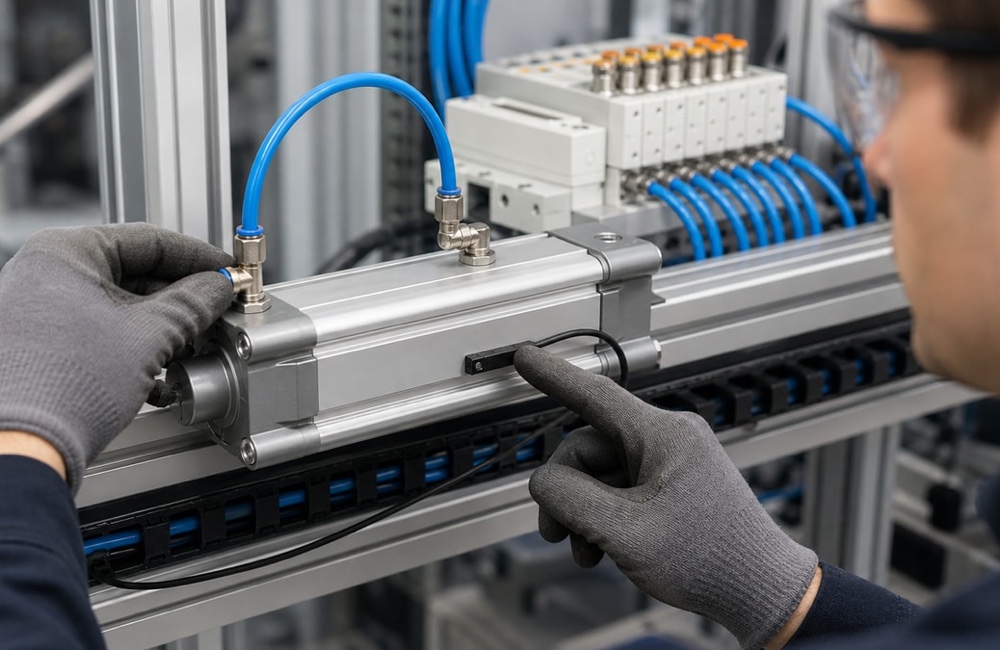
Delve into the popular actuator that every factory must have, pneumatic cylinders, which convert compressed air pressure into linear motion.
Reading Cylinder Bore Size
Engineers need to check the bore size to calculate the force applied to workpieces. The cylinder bore size is directly proportional to the force exerted on the workpiece. Choosing a pneumatic cylinder that is too small will result in insufficient power for heavy loads, and internal seals may fail due to overloading.
Evaluating Stroke Length
Craftsmen must measure the stroke length to match the original part-handling distance of machinery. Replacing parts requires selecting an exact stroke length; ordering incorrect specifications can result in the cylinder not reaching its target or colliding with workpieces, causing damage.
Pneumatic Leaks and Emergency Part Evaluation Methods
The hissing sound of air leaks at pneumatic joints is a major cause of rising energy costs. Technicians must know how to assess faulty points for quick on-site repairs.
- Craftsmen need to check bent air lines at joints that move frequently; cracks in PU hoses are the primary source of compressed air leaks.
- Inspect loose quick-connect fittings (Fittings); internal locking mechanisms wear out from frequent disconnection and should be replaced immediately.
- Listens for hissing sounds around cylinder rods; if present, it indicates rod seals have deteriorated due to dust particles scraping against them.
- Check rubber gaskets inside solenoid valves; accumulated heat in front of machinery causes the rubber to harden, leading to constant air leaks through exhaust ports.
- Making on-site repairs for small parts often isn't worth the downtime. Ordering a new set of replacement parts with original specifications is the quickest and most reliable solution.
Summary
All this information should answer what pneumatic components are. These parts are gears that keep the pneumatic air system running. If your machinery parts need replacement, SCMA offers high-quality pneumatic replacements ready to ship. Our online ordering service accurately finds matching specifications for you.
If you want to buy, you can purchase from SCMA today!
SCMA offers convenience for maintenance teams. Customers don't need to know the exact part names; simply take a photo of the damaged pneumatic component or Nameplate and send it via the SCMA Line OA. Our Technical Support team, consisting of real engineers, will identify the product type, compare thread sizes and flow rates for free. We deliver pneumatic cylinders quickly so mechanics can install them perfectly on machines.
Frequently Asked Questions (FAQ) about Pneumatic Equipment
Q1: What pneumatic equipment should maintenance teams stock as spare parts?
A: Maintenance teams should stock standard PU air hoses, air connectors, mufflers, and seal repair kits for main cylinders. These items are not expensive but their absence can cause machines to stop working immediately.
Q2: How does pneumatic equipment differ from hydraulic systems? Which one is better?
A: Pneumatic systems use air, providing high speed and cleanliness. They suit general assembly and packaging tasks. Hydraulic systems use oil to generate massive pressure but move slower, making them suitable for metal stamping presses.
Q3: Can pneumatic equipment use hydraulic oil instead of compressed air?
A: Absolutely not. The design and rubber seals are made to withstand compressed air only. Introducing oil would cause the seals to swell, leak, and corrode parts until they fail.
Q4: Is it possible to mix spare parts from different brands in pneumatic systems?
A: Yes, it is possible. Pneumatic equipment adheres to international thread standards. With an engineer's help to match thread sizes, operating pressure, and flow rates, the components can be assembled perfectly.
Q5: Worried about mismatched mounting hole distances when ordering pneumatic cylinders online from SCMA? What should I do?
A: No need to worry. Our SCMA engineering team will handle it. Measure the pitch of the existing mounting holes, take a photo and send it via Line. We'll check the engineering drawing to confirm that the specifications match perfectly.