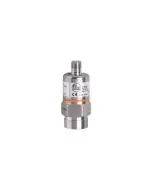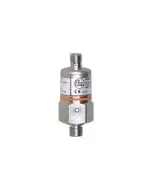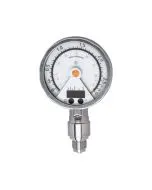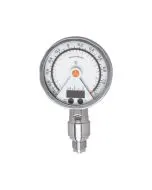
What is a Vacuum Pump and how important is it in today's industries? This article will delve into all the questions about vacuum systems to help users select the right vacuum pump at the best value. Understanding the working principles of vacuum pumps can reduce errors in operation and extend the life of machinery. If you have any doubts or need an expert to evaluate specifications, please visit the Vacuum Pump product category page on SCMA's website to contact our engineering team for free consultation.
What is a Vacuum Pump (Vacuum Pump) and what are its important functions?
To understand Vacuum Pump, it's essential to know that this equipment is used to remove air and moisture from a closed system to create a vacuum or negative pressure. The primary function of the vacuum pump is to eliminate gases and contaminants that may adversely affect production processes or cooling operations. Creating a vacuum is an indispensable step in industrial work, packaging jobs, or even HVAC installations. An efficient vacuum will ensure proper operation of systems, preventing moisture buildup that could cause corrosion within pipelines.
How does the Vacuum Pump work?
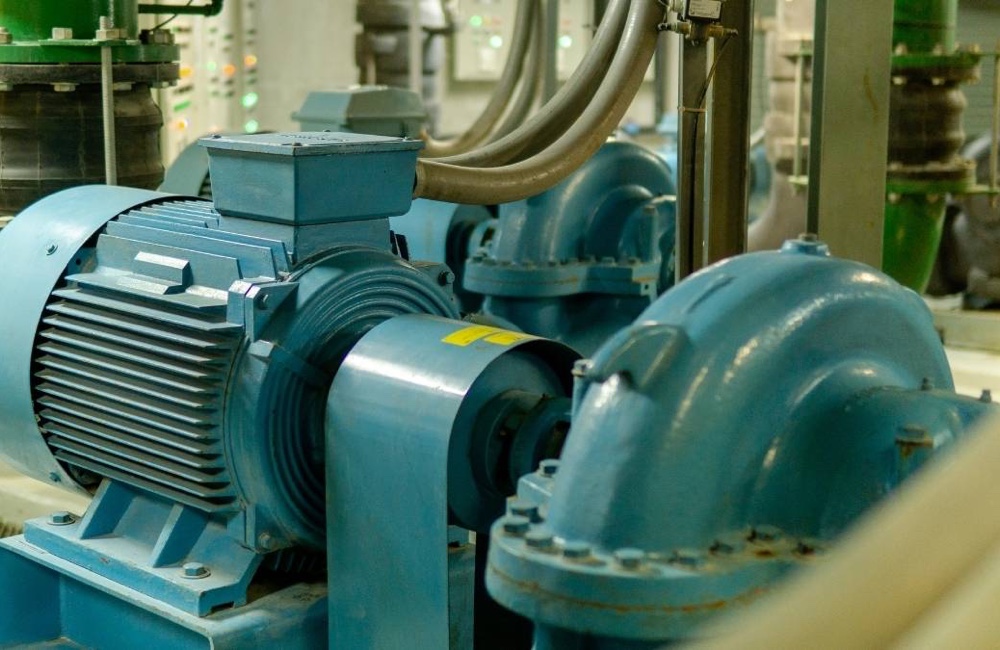
The working principle of a Vacuum Pump relies on creating pressure lower than the surrounding atmospheric pressure. The vacuum pump continuously draws molecules of air or gas out of sealed areas. Key components such as impellers, rotors, or pistons rotate to sweep air outside. Each type of vacuum system operates differently based on mechanical structure, but the main goal is to maintain a steady and stable vacuum level to meet high-precision workload requirements and prevent pressure surges.
How Many Types of Vacuum Pumps Are There? Know the Different Kinds Before Deciding
Selecting the right vacuum pump requires understanding how many types these devices are divided into. Understanding the various vacuum air systems and industrial types will help ensure that your investment is efficient and best suited to meet job requirements.
Oil-Sealed Rotary Vane Type
This type of vacuum pump relies on oil as a lubricant and seal for gaps between the rotor and stator to prevent air from reversing. Using oil allows for deep pressure levels and excellent heat dissipation, making it popular in heavy industries that require high suction power and continuous operation over long periods.
Oil-Free/Dry Pump Type
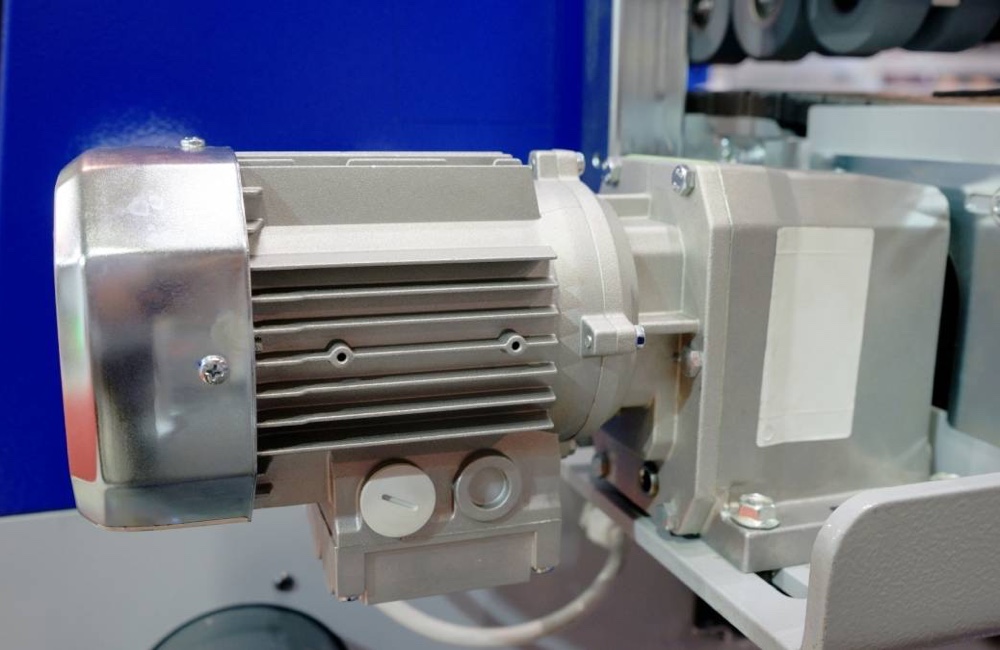
The oil-free vacuum pump is designed to prevent oil particle contamination in the system or working environment. This type of vacuum uses special coatings or wear-resistant parts instead, making it ideal for laboratories, food industries, and semiconductor manufacturing plants.
Liquid Ring Vacuum Pump
This type of pump uses water or other liquids to create a ring seal inside the suction chamber. This method is suitable for drawing in gases with high humidity or containing dust particles. Users often search for what vacuum means in the context of using liquids, which refers to creating empty space with a water ring to expel air.
Using Small Vacuum Pumps in Laboratories
For small-scale work, using small vacuum pumps is an ideal choice due to their compactness and low noise levels. These small vacuum pumps are mostly oil-free, easy to move around, and provide sufficient suction power for chemical filtration or deaeration in lab experiments.
Deep Dive: What Are the Differences Between a Single Stage and Two Stage Vacuum Pump?
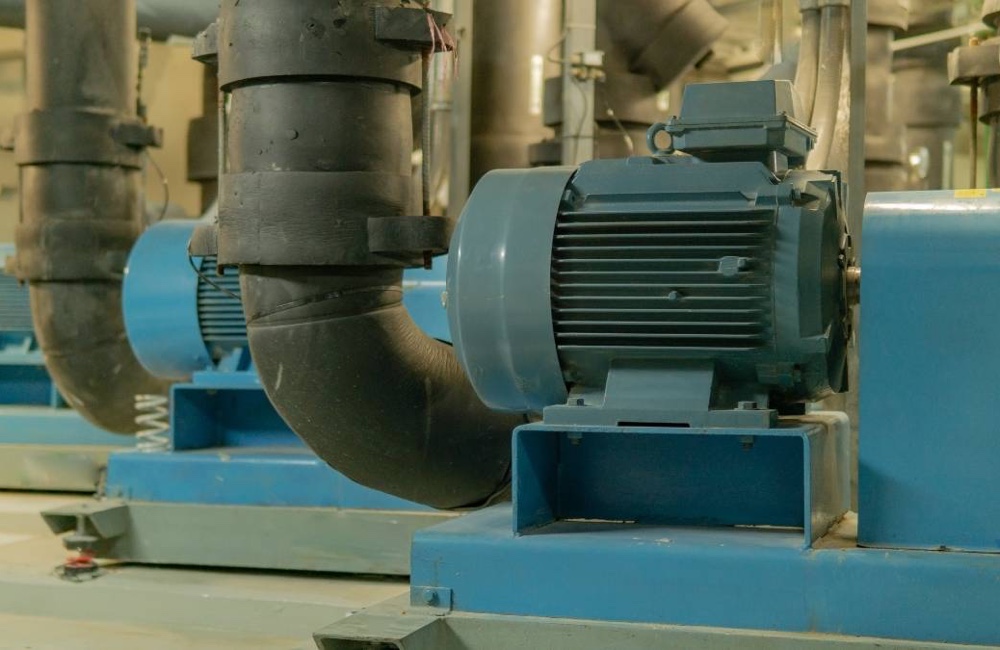
The clear difference between a single-stage (Single Stage) and two-stage (Two Stage) vacuum pump is their ability to achieve lower pressure. A one-stage pump has only one rotor set, providing basic vacuum levels at a cheaper cost, while the two-stage model features two rotor sets arranged in series to further extract remaining air from the first stage, allowing for deeper and faster vacuum creation. The choice between these systems depends on how precise and deep the required level of pressure is.
What Should You Consider When Buying a Vacuum Pump?
Evaluating specifications before purchasing a vacuum pump is crucial to avoid issues such as motor malfunction or insufficient suction power. Users should assess various factors to ensure they get an industrial vacuum air pump that meets their needs.
- Consider the CFM (Cubic Feet per Minute) value, which indicates the speed of air intake by the vacuum pump; higher values mean faster suction.
- The level of vacuum (Micron Rating) that the machine can achieve; for high-precision work, choose a unit with the lowest micron rating possible.
- Evaluate based on the type of job; general vacuum air installation may use basic specs, but lab work might require oil-free pumps to prevent contamination.
- Consider additional features such as an anti-suck back valve or efficient cooling systems for extending the life of your vacuum pump.
Maintaining and Changing Oil for Vacuum Pump to Extend Lifespan
Proper maintenance is crucial in extending the lifespan of all types of vacuum pumps. Neglecting care can cause rapid deterioration and damage to the system.
Frequency of Changing Vacuum Oil
The oil should be changed after each high humidity operation or at least every 50-100 hours of use. Allowing the oil to become cloudy or change color will immediately affect the suction power of the vacuum pump.
Correct Steps for Oil Change
The old oil must be drained while the machine is still warm to allow contaminants to flow out easily. Then, add specific grade vacuum oil until it reaches the mid-level on the oil sight glass. Do not use incorrect types of oil under any circumstances.
Signs That a Vacuum Pump Is Starting to Have Issues
If you notice that the vacuum point is no longer as deep as before, there's excessive white smoke coming out through the exhaust port, or there are unusual rattling noises from the bearings, it indicates that the vacuum pump needs urgent inspection and maintenance.
Summary
Understanding how a Vacuum Pump or vacuum pump works helps engineers and technicians design efficient vacuum systems. Choosing the right industrial vacuum air pump will reduce errors and save long-term costs. For further consultation, the SCMA engineering team is ready to compare specifications and provide accurate vacuum system equipment for your specific needs.
If you want to buy, you can purchase from SCMA today!
Selecting a standard industrial vacuum pump is an important consideration that should not be overlooked. SCMA leads in the distribution and consultation of all types of vacuum pumps and vacuum systems. If you are looking for high-quality vacuum pumps or need product specifications tailored to your needs, contact SCMA for purchase immediately to receive professional and quick service.
Frequently Asked Questions
What is the function of a Vacuum Pump in an air conditioning system?
It functions to remove air and moisture from the refrigerant lines to prevent moisture from freezing and blocking, and to prevent acid corrosion in the system.
How do a Pump differ from a Compressor?
A Pump works to draw out air to create negative pressure or vacuum conditions, while a Compressor works to compress air to higher pressures than normal levels.
How long should an Air Vacuum process take?
Generally, it should take about 15-30 minutes depending on the size of the system and the length of the refrigerant lines. Using a micron gauge will help confirm completeness with the highest accuracy.
What are the main types of Vacuum Pumps used in industry?
The main types include oil-sealed pumps that can achieve deep vacuum levels suitable for heavy-duty work, and oil-free pumps that focus on cleanliness to prevent contamination in the system.