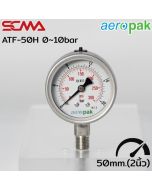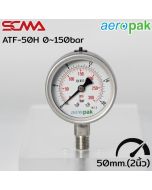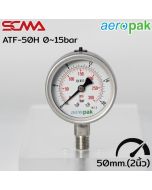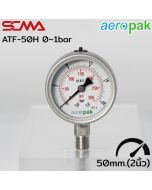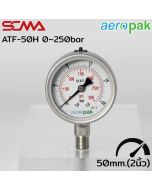
What is a Pressure Gauge and how does it affect safety in industrial systems? This article delves into the details of pressure gauges, from basics to understanding their working principles thoroughly. It also provides tips on selecting pressure gauges that offer good value for investment. Readers will learn about proper equipment selection. If you need expert help comparing specifications, you can contact SCMA's procurement and consultation services immediately.
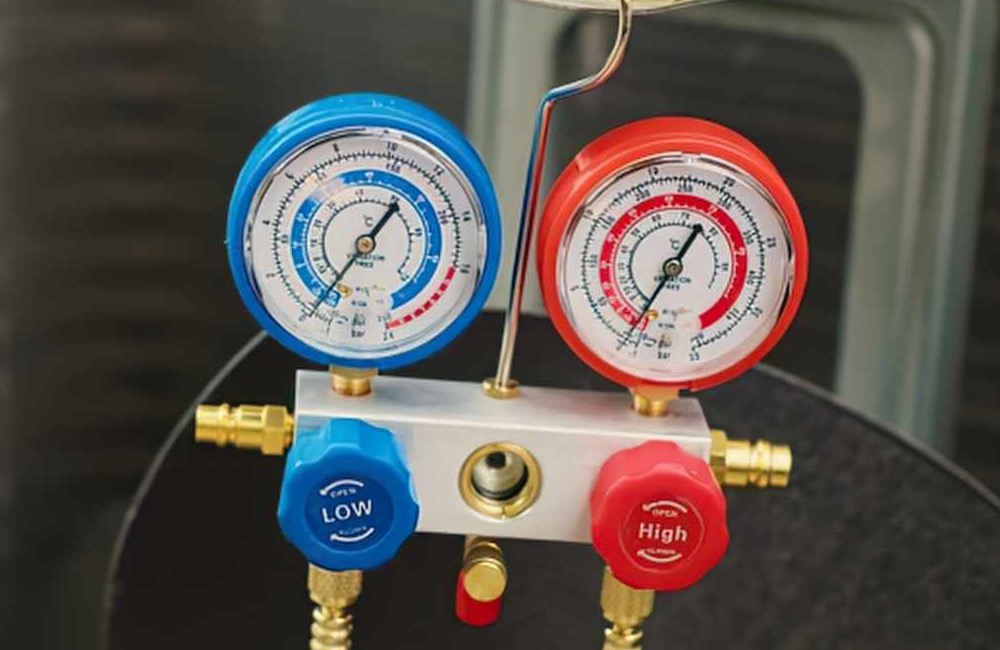
What is a Pressure Gauge? Why is it important in industrial work?
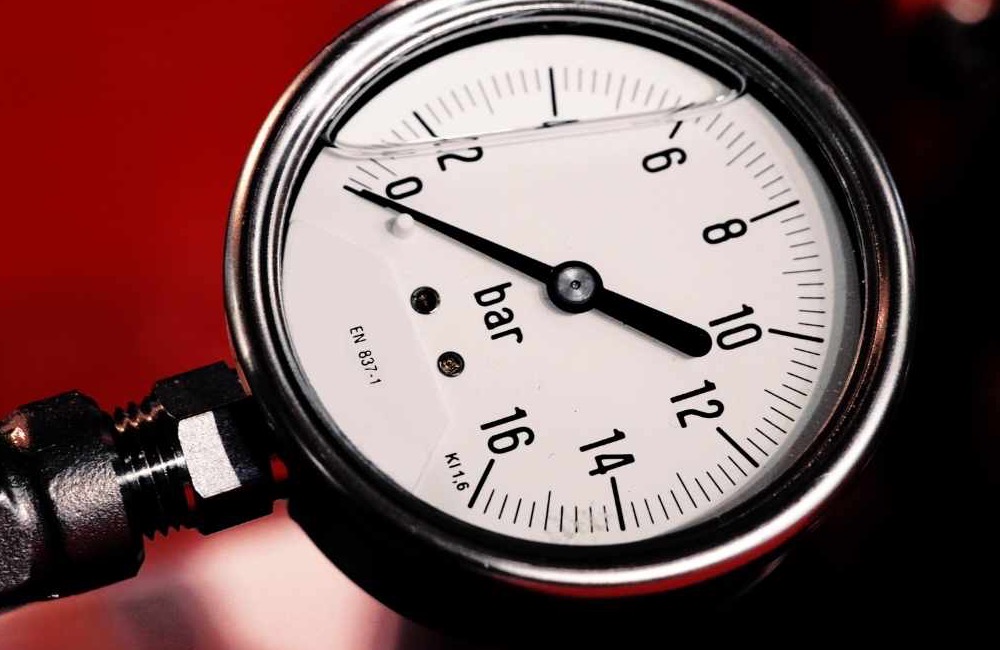
The device known as Pressure Gauge is a mechanical tool designed to measure the pressure of fluids, whether liquid or gas, within closed systems. The installation of a pressure gauge is crucial for the safety of machinery operation; without it, operators cannot know the internal pressure status in pipes. Understanding the working principles of pressure gauges helps engineers quickly analyze causes of abnormalities. Comparing prices and brands of pressure gauges is an investment worth making to protect piping systems, hydraulic systems, and pneumatic systems from explosions or damage.
How does a Pressure Gauge work?
To understand the working principle of a pressure gauge, start by studying its internal structure, most commonly the Bourdon tube system. This coiled metal tube in the shape of an S bends when fluid pressure is applied; as pressure increases, the tube tries to straighten out slightly. This slight movement is transmitted through gears and mechanisms to push the needle on the pressure gauge to indicate a value on the dial. Different models of pressure gauges may have more complex internal mechanisms depending on their measurement range, such as diaphragm or capsule types. When purchasing, always check both the price and the accuracy of the internal mechanism.
How Many Types of Pressure Gauges Are There? Dry vs Oil-Filled
Engineers can classify types of pressure gauges based on structural characteristics and working environments. Choosing the correct gauge helps extend its lifespan and reduces issues with needle swing that make readings difficult.
Dry Gauge: Suitable for What Types of Work?
A dry gauge is a basic model where only dry air exists inside the housing, suitable for general work where machinery does not experience severe vibrations or sudden pressure changes. For example, installing an air pressure gauge on the front of an air compressor or small household water pump systems.
Liquid-Filled Gauge: Advantages and Disadvantages
The housing of a liquid-filled gauge is filled with glycerin or silicone to reduce needle vibration, allowing maintenance technicians to read hydraulic pressure gauges more steadily and accurately. However, if the rubber seal deteriorates, oil may leak out and contaminate the work area.
Digital Pressure Gauge: For High Precision
In production processes requiring high precision, a digital pressure gauge provides a numerical display that reduces visual reading errors. Using digital pressure gauges allows engineers to accurately record the lowest and highest pressure values.
Types of Pressure Gauges for Specific Applications (e.g., Air Pressure Gauge, Water Pressure Gauge)
Machinery systems with specific requirements need special types of gauges, such as gasoline pressure gauges where the housing and seals must withstand chemical corrosion. Selecting a gauge that matches the type of fluid is an engineering requirement to ensure factory safety.
How to Read and Understand Pressure Measurement Units (PSI, Bar, kPa)
Meanings of Commonly Found Gauge Units
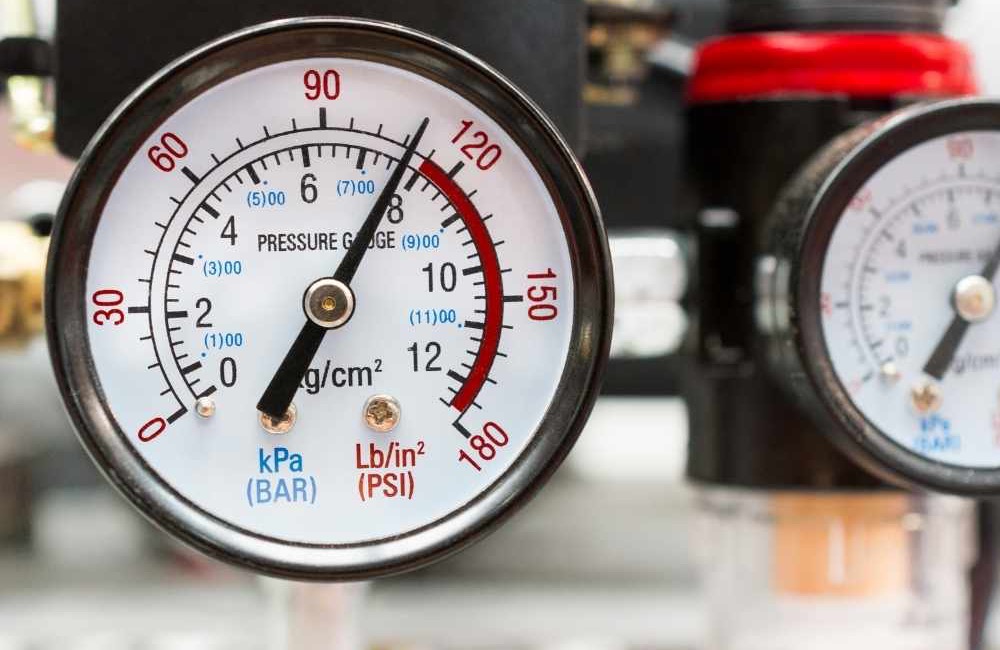
The gauge pressure meter displays a variety of measurement units according to the manufacturer's standards. The unit PSI (Pounds per Square Inch) is commonly used in America, while the unit Bar or kg/cm² is preferred in international and Asian systems. Reading incorrect units can lead to severe damage to machinery systems.
Basic Pressure Unit Conversion Methods
Comparing pressure values is a basic skill for engineers. A value of 1 Bar is approximately equal to 14.5 PSI or 100 kPa (kilopascals). Memorizing this simple conversion formula helps quickly adjust settings on the pressure control valve without needing to refer to a comparison table.
Understanding Pressure Values, Such as What Does 100 PSI Mean?
The number 100 PSI on a digital pressure gauge screen means there is a force of 100 pounds acting on an area of one square inch. For comparison, the tire pressure of a typical car is around 30-40 PSI. Therefore, 100 PSI is considered high and dangerous if a pipe were to burst.
How to Select the Right Pressure Gauge for Your Job? What Should You Consider?
Selecting the specifications of a pressure gauge involves considering several factors together to ensure safety and obtain the most durable equipment. Users should check the following engineering factors:
- Selecting the Measurement Range (Pressure Range): Choose a gauge with a maximum scale twice the normal operating pressure to prevent pipes from stretching out of shape.
- Dial Size: Select an appropriate diameter for the dial based on employee visibility, such as 2.5 inches or 4 inches.
- Casing and Thread Material: Brass is suitable for general air and water systems, while stainless steel is ideal for chemicals and industrial food applications.
- Thread Size and Type: If you're unsure whether a quarter-inch thread equals how many millimeters, the answer is approximately 13 millimeters. Always check if it's an NPT or BSP thread.
- Precision (Accuracy Class): General air pressure gauges can tolerate some level of deviation, but leak testing work requires equipment with high precision levels of 0.1% and above.
Installation and Precautions to Extend Equipment Lifespan
Proper installation of pressure gauges significantly extends the lifespan of equipment. Maintenance technicians must avoid risky behaviors that prematurely damage the gauge.
- Correct Installation Steps: Use a wrench only on the brass bottom thread base; gripping and twisting the casing of the pressure gauge with your hands is the main cause of needle misalignment and mechanism failure.
- Common Installation Errors: Not installing a siphon (Siphon Tube) or heat trap coil before entering the gauge in steam work leads to rapid damage from heat to internal mechanisms.
- Maintenance and Initial Inspection: If using an oil-filled gauge, remove the top rubber plug to balance the internal air pressure before starting machinery operation.
- Warning Signs When a Pressure Gauge May Be Damaged: If you notice that the needle does not return to zero when there is no pressure or if the digital face of the pressure gauge flickers off, it indicates that the sensor has been damaged.
Summary
A Pressure Gauge is an essential safety net for industrial plants. A thorough understanding of the principles and operation of a Pressure Gauge helps engineers select gauges that meet specifications and are safe, whether analog or digital pressure gauges. We are ready to provide consultation SCMA, offering high-quality pneumatic equipment at the most suitable prices for every application.
If you want to buy, SCMA is available today!
Selecting a Pressure Gauge from a certified brand is something engineers must prioritize to prevent accidents with machinery. SCMA offers various models of oil gauges and digital pressure gauges that match customer drawings we help compare specifications, explaining how 1/4 inch threads equal how many millimeters, before offering special Pressure Gauge prices for you to order with confidence.
Frequently Asked Questions
What is the role of a Pressure Gauge in a pipe system?
This device displays real-time pressure values of fluids inside pipes, helping operators control pressure within safe limits of machinery.
What does 100 PSI mean?
It means there is a force or pressure of 100 pounds acting on an area of one square inch. It's a commonly used unit of measurement in American industrial systems.
What makes Pressure Gauges for boilers special?
Gauges for boilers must withstand extremely high temperatures and work with siphon tubes to reduce steam heat before it reaches the gauge mechanism.
How many main types of pressure sensors are there?
The four main types, based on their reference characteristics, include absolute pressure gauges, gauge pressure gauges, vacuum pressure gauges, and differential pressure gauges (Differential Pressure).
Why does the needle of a Pressure Gauge stay at a certain point instead of returning to zero?
This happens when internal Bourdon tubes receive excessive pressure beyond their limits (Overpressure), causing permanent deformation in metal. Springs cannot return to their original position, requiring immediate replacement of the gauge.