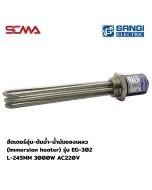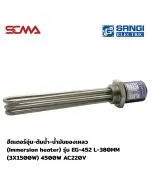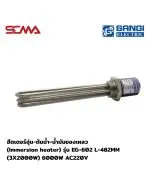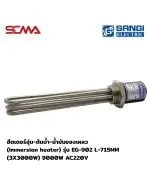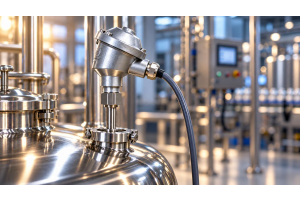
Are you looking for an immersion heater to solve your heating problems in the production process? This article will take a deep dive into every aspect of hot water immersion heaters, from selecting the type and materials to calculating the correct wattage, so that you can make the most cost-effective decision over the long term. If you need expert consultation, you can check out SCMA.
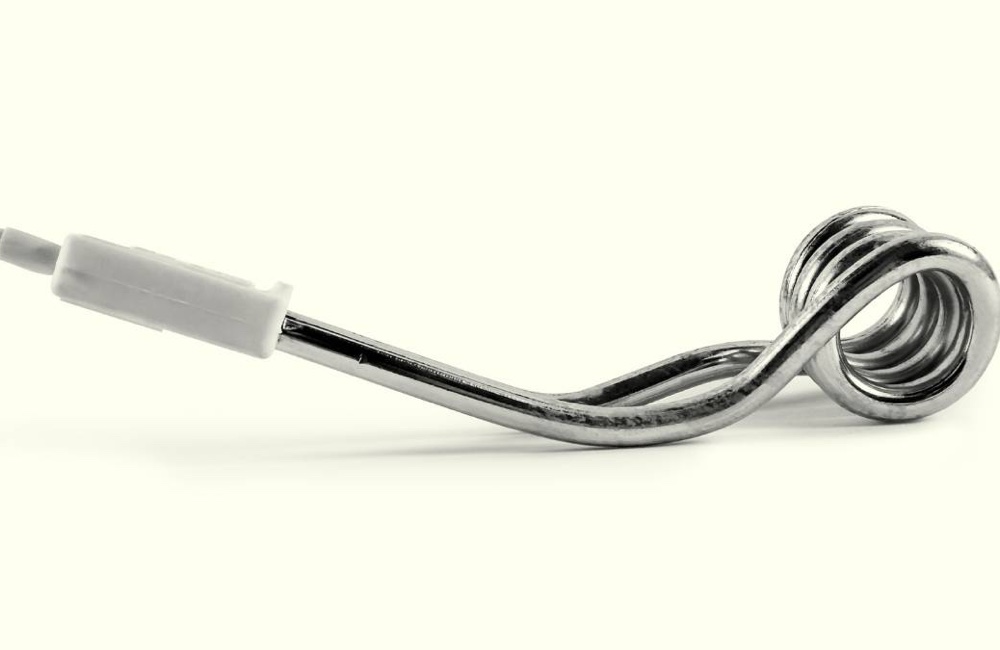
What is an Immersion Heater? Understanding the Types and Basic Function
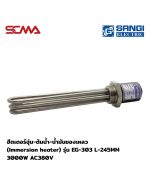
An immersion heater, or Immersion Heater, works by converting electrical energy into heat through a resistance wire inside a metal tube. Heat is directly transferred to the liquid when the tube is submerged. The types commonly used with liquids include submersible (Immersion) heaters that are installed via flanges or threads and are suitable for large tanks, while tubular heaters can be bent to fit specific areas. A key difference between industrial hot water immersion heaters and general heating elements is that liquid heaters must have an insulation design using materials with higher corrosion resistance to prevent electrical leakage into the water.
Why Are Heater Materials Important? Which Type to Choose?
Selecting the material for an immersion heater is crucial in determining its lifespan and system safety. Our engineers recommend considering the chemical properties of the target liquid before making a purchase decision.
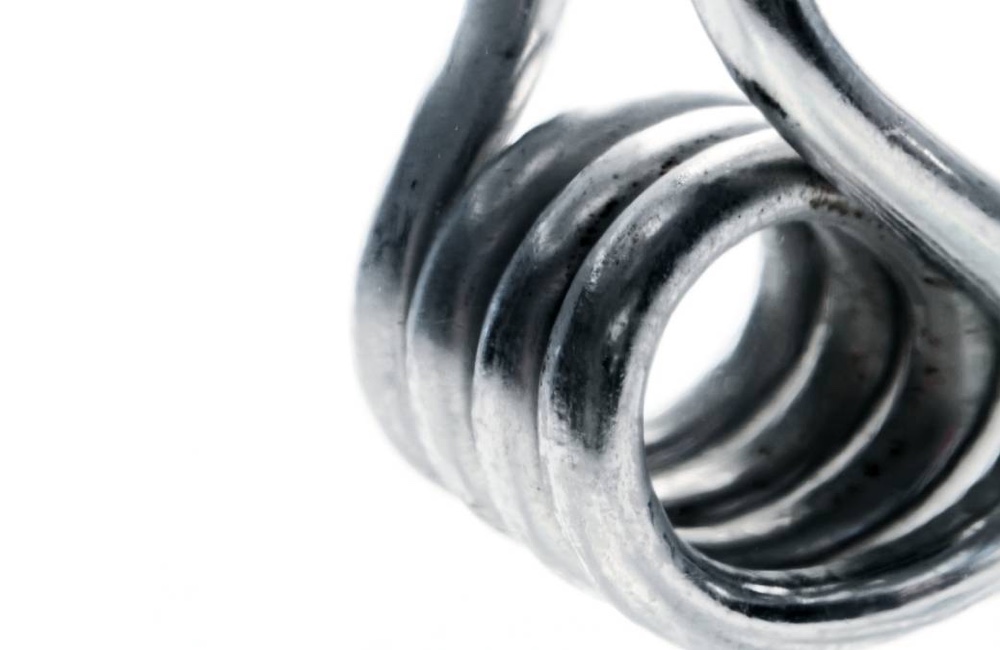
Stainless Steel (SUS304, SUS316L): Suitable For What Types of Work?
SUS304 grade stainless steel is suitable for general hot water heaters that do not involve severe acid or alkali conditions. Meanwhile, the SUS316L grade has higher corrosion resistance and is the best choice for heating certain chemicals or even salty water to prevent premature pipe leakage.
Copper Pipe: Advantages and Limitations
Copper pipes excel in heat conductivity, allowing rapid energy transfer to water. However, they are not suitable for concentrated chemicals, limiting their use to clean water heaters or hot water storage tanks with temperatures no higher than 177 degrees Celsius.
Selecting Materials Resistant to Chemicals and Oil
When using immersion heaters for heating oil, melting furnaces, or specific chemicals, choose tubing materials with a low watt density to prevent oil from burning on the pipe surface. Consulting material science experts can effectively reduce production downtime (Downtime).
How to Calculate the Appropriate Wattage for Tank Size
Accurate heater wattage calculation helps prevent insufficient heating or excessive electricity consumption. The SCMA team has basic calculation principles that you can apply in real-world applications as follows: If you are interested in additional equipment information, you can read about Immersion Heater models on our website.
Wattage Calculation Formula for Boiling Water
The basic formula to find P (kilowatts) is P = (volume of water in liters × temperature increase required in Celsius) / (860 × time required to heat up in hours). Calculating the heater wattage with this equation will help you get an initial power value to specify equipment suitable for your tank size.
Example of Selecting a 3000w Heater for Real-World Use
Assuming you need to boil 100 liters of water within the specified time, the calculation indicates that 3 kilowatts are required. Choosing one 3000w heater may seem straightforward, but from an engineering perspective, we recommend distributing power by using two 1500w heaters to help extend the lifespan of the heating coil.
Factors to Consider: Volume of Liquid, Desired Temperature, Time
In addition to the calculation formula, you must consider environmental factors such as heat loss through uninsulated tank walls. To ensure that the water heater reaches the target temperature within the specified time, it is advisable to add a safety factor for heat loss (Safety Factor) of approximately 20-30%.
Applications of Water Heating Immersion Heaters in Various Forms
Submerged or immersion heaters can be applied across various sectors, from large industrial plants to small businesses. Let's look at some common real-world applications that we encounter.
Industrial Applications: Warming Oil and Boiling Chemicals
In manufacturing, immersion heaters play a crucial role in warming oil tanks to maintain the liquid state for use, as well as in metal plating processes where chemical temperature must be kept constant. Choosing specifications that are durable under harsh conditions directly impacts product quality. You can read more about international immersion heater standards to aid your decision-making.
Immersion Heaters for Home Use: Can They Be Used in Fish Tanks?
Many people wonder if water heating immersion heaters can be used to adjust the temperature of fish tanks during winter. The answer is yes, but users must choose types with robust insulation against electrical leakage and proper grounding to ensure maximum safety for aquatic life.
Immersion Heaters for Hot Water in Residential and Hotel Use
In service businesses such as hotels and residential buildings, 2000W water immersion heaters are commonly installed in centralized hot water boilers or large-scale water heaters. These systems require highly reliable equipment to ensure continuous hot water supply without power interruptions.
Water Heating Immersion Heaters 220V: What You Need to Know Before Installation
In Thailand, the standard voltage for single-phase electrical systems is 220 volts. Installing immersion heaters at 220V is the most common practice in small factories and commercial buildings alike. Key considerations include ensuring that the wire size can adequately support the current (amps) of the water heater to prevent overheating and fire hazards. Initial wiring must ensure secure connections at terminals, with grounding and earth leakage circuit breakers (ELCB) always installed for maximum safety according to engineering standards.
Caution and Installation Guidelines for Maximum Safety
To prevent damage to the Immersion Heater and extend its lifespan as much as possible, users should strictly follow the manufacturer's cautionary measures and installation guidelines as follows:
- Adequate Liquid Level: The key to using an immersion heater is ensuring that the liquid level covers the heating zone (Heating Zone) of the pipe at all times. If water dries up or falls below the threshold, the pipe will eventually overheat and burn through.
- Installing a Thermostat for Temperature Control: The system should be designed to work in conjunction with automatic temperature control devices. You can read an article about the importance of Thermostat to understand the shutdown mechanism when a set temperature is reached, which helps prevent water from boiling over.
- Potential Hazards if Used Incorrectly: In cases where large tanks are used, engineers recommend installing Submersible Level Sensor to immediately signal a power cut when the water level drops to dangerous levels, effectively preventing fire accidents.
Tips for Maintaining Heater Lifespan
Predictive Maintenance is a strategy that SCMA always recommends to reduce Downtime in production lines. Proper maintenance of immersion heaters can be done easily with the following steps:
- How to Clean Scale Deposits: Limestone or scale deposits on the surface of the heater tubes act as an insulator, causing the equipment to consume more electricity. Gently scrub them off using a brass brush or use appropriate descaling agents suitable for the material of the tube.
- Frequency of Condition Checks: For immersion heaters that operate continuously 24 hours, it is advisable to check electrical resistance (Ohm) and current flow (Amp) every 3-6 months to assess the condition of the heating coil.
- Signs That a Heater Is Approaching End-of-Life: If you notice that your 3000W water heater takes an unusually long time to heat up or if circuit breakers trip frequently, this indicates potential electrical leakage or damage to the coils. Immediate professional inspection is recommended.
Summary
In summary, selecting a water heater or immersion heater that provides value requires careful consideration of materials and accurate water heater calculation, along with installing safety systems that meet standards. If you are looking for precise heating solutions, SCMA's team of expert engineers is ready to provide consultation to design systems tailored to your industrial needs. You can explore our services in detail at Our Services.
If you want to purchase, SCMA is now available for sales!
All this information reflects the importance of having a technical partner who truly understands your systems for business growth. If you are ready to elevate your production processes and looking for high-quality water heaters or 2000W water heaters, visit our SCMA Measurement Tools Products page to browse and receive consultation. We offer comprehensive solutions that meet international safety standards.
Frequently Asked Questions
Can a water-boiling heater be operated continuously for 24 hours?
Yes, if the specifications are designed and wattage is calculated appropriately based on the volume of water, along with installing a thermostat to automatically control the heating cycles.
What material should I choose for a chemical boiling heater that has acidic properties?
For corrosive chemicals, titanium, quartz glass tubing, or stainless steel coated with Teflon should be selected to prevent corrosion penetration.
How do you solve the problem of breaker tripping when turning on the heater?
This issue is caused by electrical leakage or short circuits. Use a multimeter to check the resistance between the power terminals and the pipe casing; if the needle moves, it indicates that the internal insulation has deteriorated, requiring replacement of the heater.
Can a 220V water-boiling heater be connected directly to a 380V system?
No direct connection is possible with a three-phase 380V power supply as it would cause immediate coil failure. However, it can be adapted using a Star (Y) circuit configuration along with the neutral wire, but this must be done by an expert electrician.
What is the typical lifespan of an immersion heater?
Average lifespan ranges from 1 to 3 years, depending on water quality, regular scale cleaning maintenance schedules, and ensuring that water levels do not fall below the heating element's level.