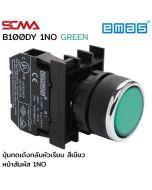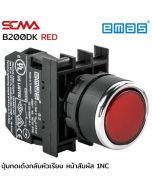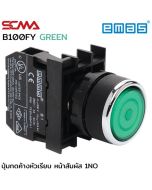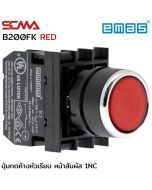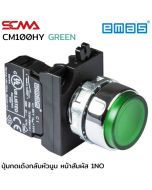
What is a push button switch? And how do we choose the right one for our electrical system and control panel? If you're wondering about the small device known as a button, or commonly referred to as power button, this article provides comprehensive answers, including what button means in an engineering context, and how to use it correctly with magnetic contactors. You will learn from the basics of Push Button Switch principles and operation all the way to selecting the right one for your needs. If you're looking for quality equipment, visit our electrical control panel services for guidance in designing your system.
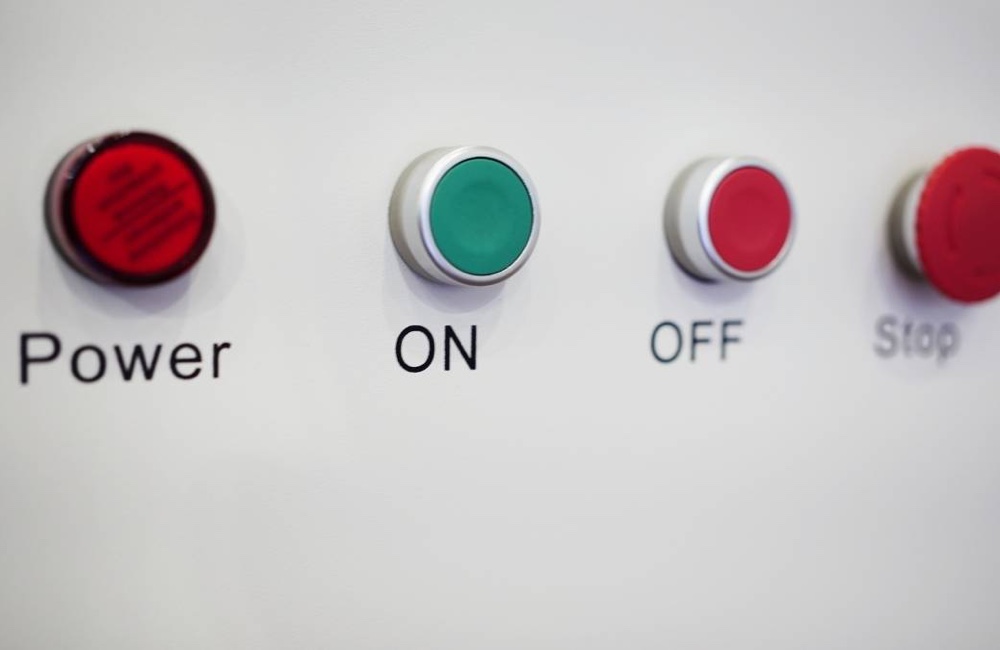
What is a push button switch, and why is it important in electrical work?
A push button switch is an electrical switch used to control the on-off circuit by receiving commands from users through button pressing, which causes internal contacts to connect or disconnect, thus turning circuits on or off. Compared to other types of switches, this type often works with control circuits that include devices like relays to operate large amounts of power, commonly seen in industrial control panels and everyday machinery. Its basic function is typically as a power button, serving to start or stop system operations.
How does a Push Button Switch work?
When discussing the Principles of Operation for Push Button Switch, it relies on a combination of mechanical and electrical mechanisms. Inside, there is a spring and contacts. When we press down on the button switch, the button's shaft pushes the contacts to move into contact or separate from each other, allowing electric current to flow through or break the circuit. Upon releasing the pressure, the spring will push the button back to its original position in basic models. In motor control circuits, this device is often used to operate the coil of a magnetic contactor to start the power circuit. Understanding the structure of the push button switch is crucial for designing and wiring electrical circuits correctly and safely.
How many types of push button switches are there? Know before you buy
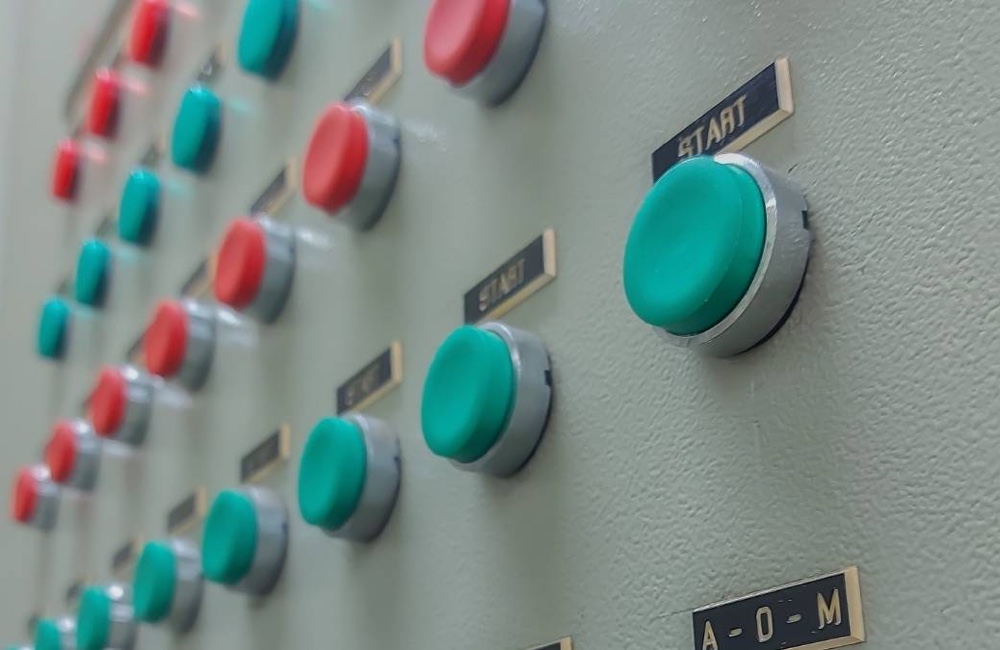
Selecting the right push button switch for your work requires understanding the different types first. Generally, we can categorize push buttons based on their functionality and appearance as follows:
Categorized by Functionality: Momentary (On-Off) and Latching (On-On)
The first type is a standard switch used to start (Start) and stop (Stop) operations. It usually bounces back after being pressed. Another popular type is the latching push button switch, where pressing the button locks it in place until another press releases it.
Categorized by Appearance: Illuminated Push Button Switches
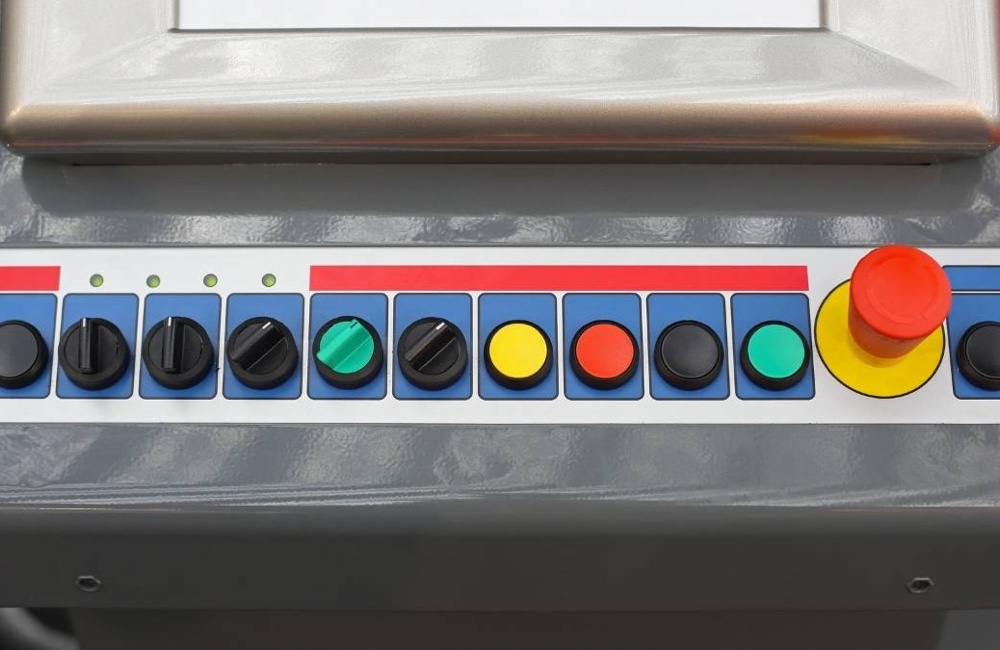
In areas requiring clear indication of machine status, illuminated push button switches are often chosen. These have an LED inside that lights up when the circuit is active or power is supplied, reducing errors and enhancing operator safety.
Emergency Stop Switch (E-Stop)
This push button switch is designed for maximum safety with a large head and red color for visibility. It typically uses a latching mechanism (locks immediately upon pressing) to cut off all circuits in emergencies, requiring a twist or pull to unlock before the system can resume operation.
Selector Switch
Although not involving direct button pressing, rotary selector switches are categorized under control panel components. They are used for rotating to change operating modes such as Manual or Auto. For more detailed information, you can read the article at What is a Selector Switch?
Understanding Common Push Button Switch Symbols
In reading wiring diagrams, understanding the symbols of a push button switch is an essential skill. These standard symbols and colors indicate what function the button serves in the control system.
Start Button Symbol (Green Color)
In general control circuits, the start system command button (Start) is usually designated as green to meet international standards. The engineering symbol will be an open contact face (NO), indicating that the current cannot pass until the button is pressed to complete the circuit.
Stop Button Symbol (Red Color)
In contrast, the system stop command button (Stop) uses red as a safety observation point. The symbol will be a closed contact face (NC), which means that the current will be immediately cut off when the button is pressed.
No and NC Contact Symbols in Wiring Diagrams
Somewhat models may have designed contact blocks that combine both types, such as 1NO+1NC contacts. In wiring diagrams, these symbols are clearly separated to allow engineers to accurately connect them with devices like relays and magnetic contactors.
How Do NO (Normally Open) and NC (Normally Closed) Contacts Differ?
The two types of contacts are the heart of a push button switch. The NO (Normally Open) contact is in an open circuit state by default, where electricity cannot flow until we press the button to connect the circuit. Conversely, the NC (Normally Closed) contact is in a closed circuit state by default, allowing current to flow continuously and being cut off when pressed. Therefore, choosing which type of contact to use depends on the push button switch operation principle, whether we want to command start (use NO contacts) or stop (use NC contacts) to correctly signal to magnetic contactors.
Factors to Consider When Buying Push Button Switches
Before deciding to purchase a push button switch for installation in your system or understanding what button means in technical manuals, you should consider these important factors to ensure that the switch buttons are durable and safe for use.
- Selecting Mounting Hole Size: You must check the mounting hole size of the control panel to match the equipment. Standard sizes range from 22mm holes down to 19mm for smaller panels.
- Making Material (Plastic vs Metal): The switch housing can be made of metal, stainless steel, or plastic. Selection depends on strength requirements; in high-impact environments, a metal option is recommended.
- Dust and Water Protection Level (IP Rating): For outdoor installations, check the IP rating of push button switches to prevent moisture and dust from entering circuit boards.
- Voltage and Current Ratings: Consider specifications from leading manufacturers like Schneider Electric or ABB, such as models supporting 230-240VAC voltage ratings to prevent contact burns.
- Button Color and Standard Meanings: Choosing colors is a basic safety requirement. Common colors include black, red, green, and blue, which must be selected according to the machine's function.
Summary
Push button switches are essential components in control panel systems, whether they are momentary or push button switch on/off types. Understanding their functionality and contact types will help you design circuits correctly and safely. If you need more detailed advice or articles about industrial equipment, please visit our electrical control panel service from SCMA.
If you want to buy, you can purchase from SCMA today!
This knowledge-based SEO article about selecting and using push button switch is written to help readers understand what a power button is and how to use it effectively with relays. Additionally, SCMA also offers comprehensive industrial control system management services (including industrial SEO services for businesses). If you have any further questions about push button switches or need advice on selecting them, please consult our experts immediately.
Frequently Asked Questions
How do NO and NC push button switch types differ?
NO (Normally Open) means the circuit is open by default, allowing current to flow only when the button is pressed. NC (Normally Closed) means the circuit is closed by default, allowing current to flow until the button is pressed to break the circuit.
What does a push button switch with latch mean?
This refers to a type of switch where pressing it once locks the switch in place to keep the circuit active continuously. Pressing it again releases the lock and resets the switch, breaking the circuit.
What are the advantages of illuminated push button switches?
The main advantage is that they provide clear visual feedback on system status for operators, significantly reducing operational errors.
What is the standard hole size for mounting a push button switch?
The most common and industry-standard hole size found in electrical control panels is 22mm.
Can push button switches be used to directly operate motors?
It's not recommended to use push button switches to directly supply power to large motors. Instead, they should be used to command relays and magnetic contactors for maximum durability and safety.