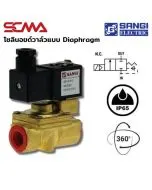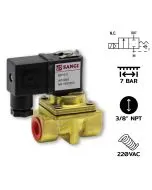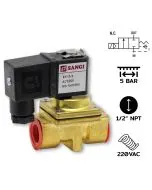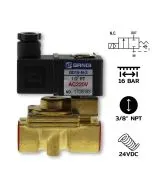
Having production lines halted due to stuck or inaccurate valve operations? SCMA is ready to deliver world-standard measuring tools and control systems to address every pain point for factory engineers. This article compiles information on solenoid valves and solenoids to help you use equipment correctly, reduce downtime risks, and maximize operational efficiency.
What are Solenoid Valves?
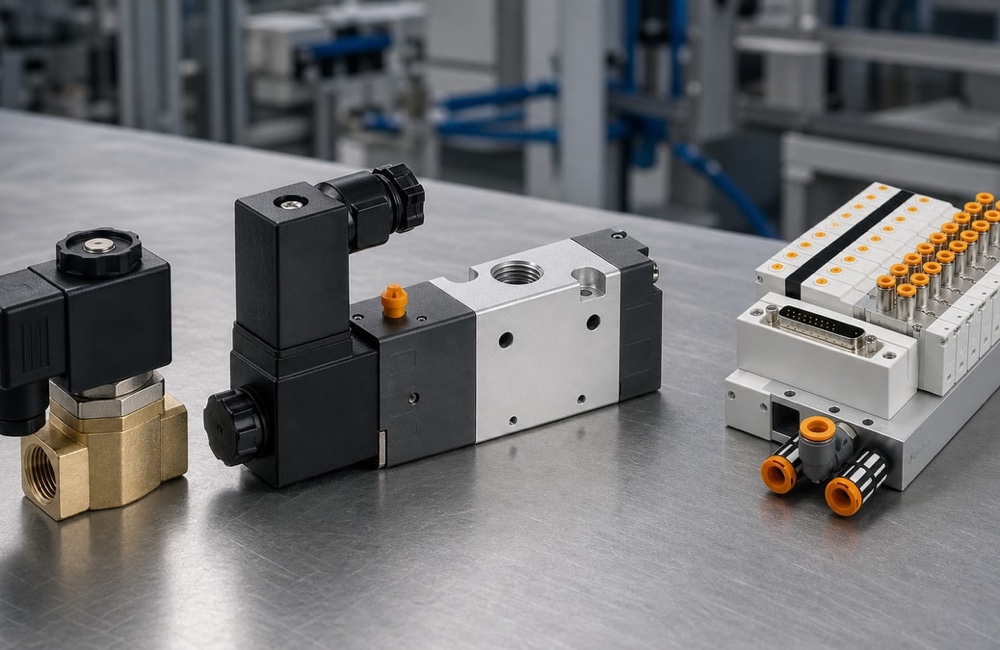
A solenoid valve is an automatic valve that controls the flow of liquids or gases using electricity. This device uses an electromagnetic coil to create a magnetic field that pulls an iron plunger inside, causing it to move and open or close fluid pathways. Understanding what a solenoid is involves using electrical systems to command operations instead of manual rotation, enabling precise control and rapid response at the millisecond level.
How Solenoid Valves Work
The operation starts with supplying electric current to the coil, generating magnetic force that lifts or pushes down the valve plunger to change its state. Each model has a code based on the number of ports and positions, such as 2/2, 3/2, or 5/2, where the first digit represents the number of inlets/outlets, and the second digit indicates the number of operating states. Studying the principles of solenoid valves will help ensure correct and safe design for pneumatic and hydraulic systems.
The Operation of Each Type of Solenoid Valve
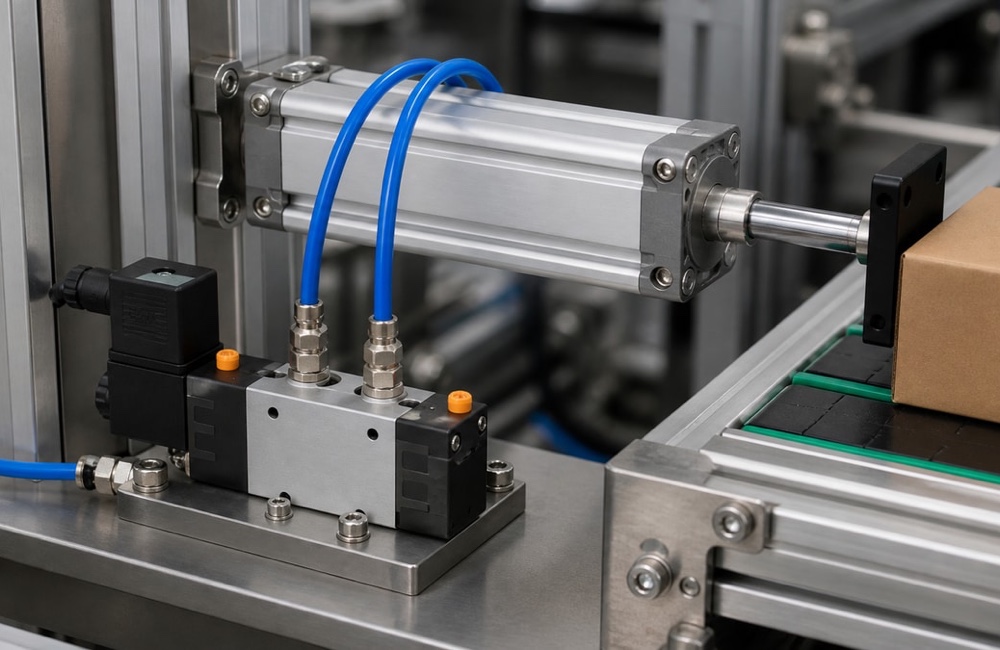
The selection of open-close control systems directly affects pressure and flow rate in the manufacturing system, divided into three main types according to internal mechanisms
1. Direct Open-Close System
This system uses electric coil force to pull the Plunger straight through, opening the fluid passage directly. The advantage is that it works immediately without relying on input pressure to open. This model is mostly produced in small sizes due to the need for a powerful coil to lift the valve if the system pressure is too high.
2. Indirect Open-Close System
This type of valve relies on the difference in pressure between the inlet and outlet to help lift the diaphragm, opening the main passage. The electric coil serves to open a small Pilot hole to release pressure above the diaphragm. Suitable for large pipes but must have minimum system pressure to function.
3. Hybrid System
This is a combination of the Direct and Pilot systems' strengths. The Plunger is directly connected to the diaphragm, allowing the valve to work even at zero pressure (Zero Pressure). It provides higher stability than standard models when inlet pressure is not constant.
Types of Solenoid Valves According to Number of Positions and Inlets/Outlets
Correctly specifying the valve code helps in selecting equipment that matches machine design. The engineering team should clearly check the number of ports and operating status before actual installation for accuracy.
- 2/2 Way: Has 2 ways (in-out) with 2 positions (open-close). Used to control water, air, or general gas flow.
- 3/2 Way: Has 3 connection points with 2 positions. Used to control single-acting cylinders.
- 5/2 Way: Has 5 connection points with 2 positions. Used to control double-acting cylinders in pneumatic systems.
- 5/3 Way: Similar to the 5/2 model but adds a central position (Center) for stopping or releasing air as per job requirements.
How to Select Solenoid Valves That Suit Your Application
Selecting valves that do not meet the specifications can harm machinery and increase the risk of leaks in production systems. The information below is a crucial checklist to help you choose the right model for your actual application.
- Type of Fluid: Specify whether it's water, air, oil, or chemicals to select valve materials (Brass, Stainless) and seals (NBR, EPDM, FKM) that are compatible
- Operating Pressure (Pressure): Check the minimum and maximum pressure of your system to ensure optimal performance of the valve
- Connection Size: Choose thread size to match pipes such as 1/4", 1/2" or 1"
- Voltage: Specify the type of electrical current used for control, such as 24VDC or 220VAC
Maintaining Solenoid Valves to Extend Their Lifespan
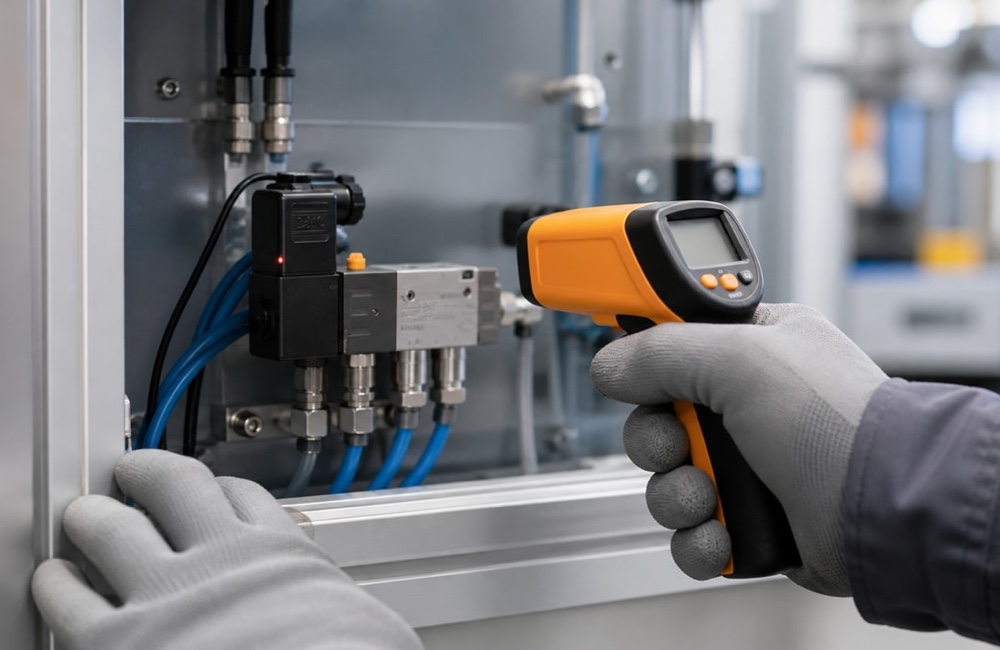
Prevent production line disruptions by planning equipment checks according to usage conditions and timeframes. Proper maintenance saves costs and ensures valves operate at peak efficiency over the long term
- Install a Filter: Dust or dirt is the primary cause of valve sticking or seal leakage
- Check Coil Temperature: If it's abnormally hot, it may be due to unstable voltage or incorrect valve selection
- Listen for Sounds: Humming or vibrations indicate abnormal valve shaft operation or internal blockages
- Inspect for Leaks: Regularly check connections and rubber seals to prevent energy loss in the system
If You Want to Buy Solenoid Valves, SCMA is Ready to Serve You Today!
SCMA understands that accuracy and fast service are at the heart of industry. We're not just sellers of Solenoid Valves, but we are a "Technical Partner" ready to provide engineering consultations and solutions from leading brands such as E.MC Pneumatic to ensure your machinery operates continuously at maximum efficiency.
Summary
Selecting the correct solenoid valve according to the type of flow and pressure helps ensure the stability of an automatic system. Understanding what a solenoid is enables you to choose specifications accurately. If you wish to order or consult technical information, contact SCMA, our team of expert engineers is ready to assist through online channels today.
Frequently Asked Questions
Why does the solenoid valve make an unusual humming sound?
The loud noise can be caused by dirt on the valve stem, preventing a tight seal, or inconsistent electrical voltage supplied to the coil. Solutions include cleaning and inspecting the electrical system.
Can water solenoid valves be used for air work?
This is possible if the sealing material and pressure support both conditions; however, it's recommended to use them according to their intended type of work for optimal efficiency and longevity.
What are the differences between Normal Close (NC) and Normal Open (NO)?
NC means the valve remains closed when there is no electrical command, while NO keeps the valve open without power. The choice depends on system safety in case of a power failure.
Why does the solenoid coil burn out?
This usually happens due to overvoltage or prolonged continuous operation beyond its duty cycle, as well as dirt obstructing the valve stem movement.
How do you determine the size of the valve thread?
Measure the diameter of the thread and compare it with standard BSP or NPT tables commonly used in industrial plants.