
Is your pneumatic system facing issues with water contamination in the air or frequent pressure fluctuations causing machinery to stop working often? SCMA is ready to deliver Air Preparation Unit solutions through convenient online channels to ensure continuous operation of your production line without interruptions. This article will guide you on how to select and use Air Preparation Units – FRL and FRL Unit to maximize efficiency.
What are Air Preparation Units?
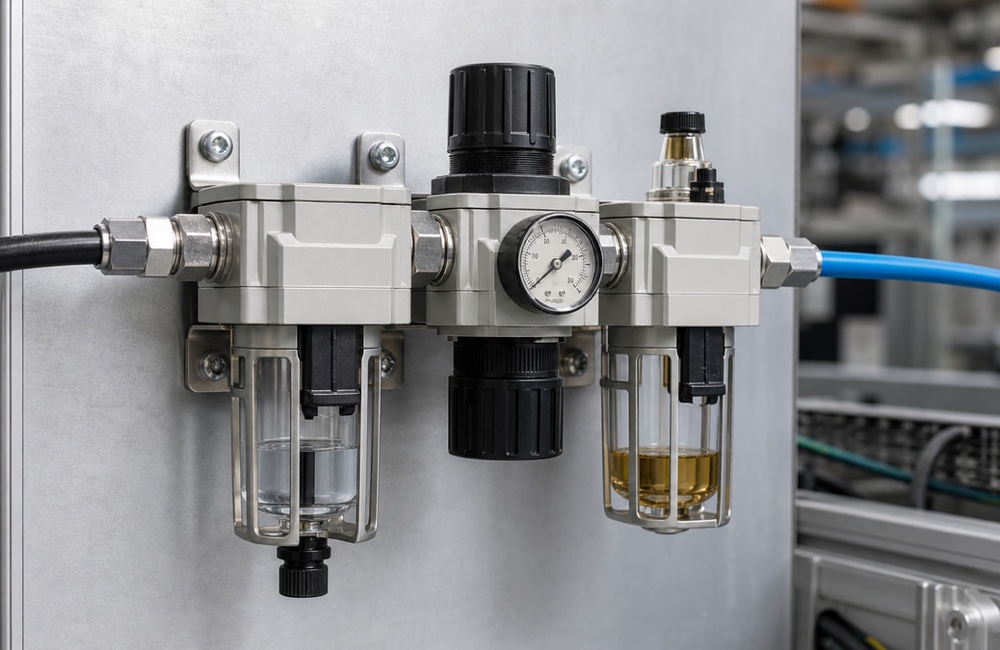
This equipment serves as the first line of defense in managing compressed air quality to ensure it is clean before entering machinery systems. Air Preparation Units – FRL consist of three main functions: filtration, pressure regulation, and lubrication mixing. This set of equipment helps protect expensive valves or pneumatic cylinders from damage caused by moisture and debris carried by the compressor.
How Air Preparation Units Work
The compressed air preparation process begins with receiving air from the compressor through the unit to improve quality before being passed on to end pneumatic devices. FRL Unit works in tandem to maintain system stability for industrial plants.
Filtration and Moisture Removal in the System
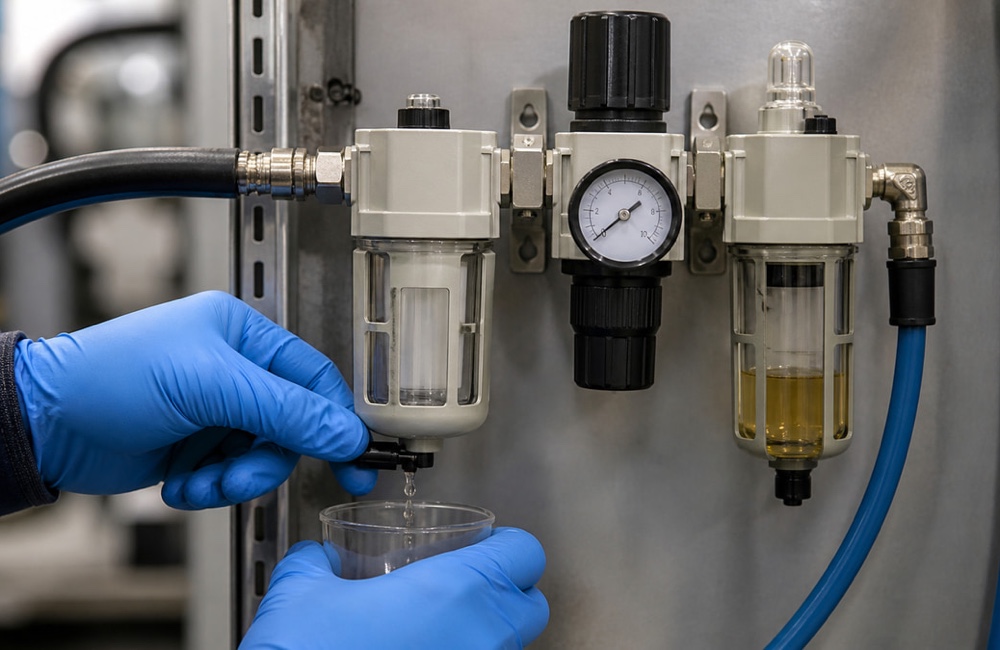
The first part of the Air Preparation Unit uses centrifugal force to quickly remove moisture and rust particles from compressed air. High-grade filters play a role in trapping small dust particles, preventing them from corroding rubber seals within pneumatic equipment.
Pressure Control and Lubrication
The pressure regulator maintains the compressed air pressure at a constant level as set for consistent machine operation. Following this, an oil injection system sprays lubricating oil droplets into clean air to reduce friction in pistons and valves within E.MC Pneumatic.
What are the Benefits of Air Preparation Units?
Installing air preparation units helps reduce the risk of severe damage to production systems and decreases downtime for machinery. You can browse our Air Filter products to start improving air quality immediately.
Prolong the Life of Pneumatic Equipment
Air Preparation Units – FRL effectively reduce the accumulation of sticky residues and rust inside machinery. With clean, properly lubricated compressed air, seals and moving parts will last several times longer.
Reduce Long-Term Maintenance Costs
Investing in a high-quality FRL Unit just once can save you significant amounts on spare parts and labor costs for future maintenance. A clean system means less frequent valve cleaning and reduced risk of air leakage issues.
Enhance Production Accuracy
A steady and consistent air pressure directly impacts the force and timing of pneumatic machinery operations. You will find that your output products are more uniform, significantly reducing waste from inconsistent air pressure.
Key Components in Air Preparation Units
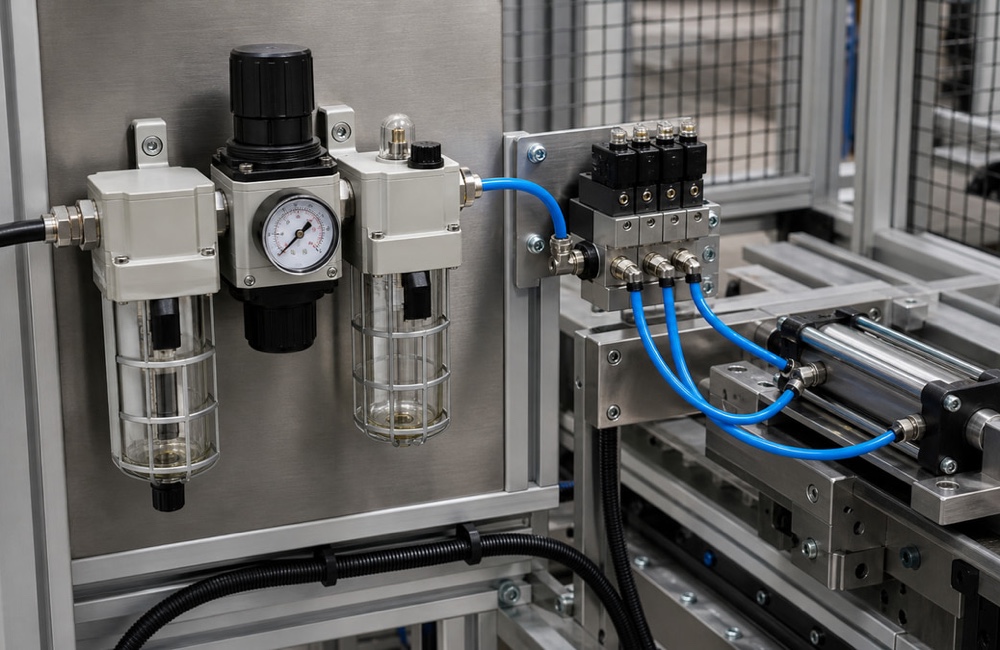
The structure of an air preparation unit consists of key components that work together for optimal air quality, as follows:
- Filter (Air Filter): Captures dust particles, rust, and moisture from compressed air in the storage tank.
- Regulator (Pressure Regulator): Controls and maintains constant pressure so that the Air Preparation Unit can supply air as needed, such as model ER2000-014-P.
- Lubricator (Oil Lubricator): Mixes lubricating oil mist with clean air to reduce seal wear.
- Pressure Gauge (Air Pressure Gauge): A display for monitoring the air pressure status easily.
How do Air Preparation Units differ from others?
The Air Preparation Units – FRL stand out for integrating critical functions into a single unit, saving installation space and making air line routing easier. This equipment focuses on deep air quality improvement before actual use, differing from general water separators that only initially separate water from the air.
Tips for selecting the right FRL Air Filter Set
Selecting an air preparation set requires considering the port size and the actual airflow requirements of the machinery. Adequate airflow rates help ensure machines operate at full efficiency without experiencing pressure drops during peak usage periods.
- Check the thread size (Port Size) to match existing air lines in the factory
- Select filter element fineness (Micron Rating) according to the end-use machinery requirements
- Evaluate materials of water and oil traps for durability under working conditions
- Choose a reputable brand to ensure accuracy of pressure regulators
If you want to buy Air Preparation Units – FRL, SCMA is now available!
Efficient pneumatic system management starts with selecting the right tools and international standard equipment. SCMA specializes in curating high-quality air preparation units to meet professional engineers' and maintenance teams' needs. We are ready to provide technical information and modern online sales services for the fastest delivery.
Summary
The installation of Air Preparation Units – FRL is the most worthwhile investment for factories seeking stable and durable pneumatic systems. You can order the desired Air Preparation Unit or FRL Unit models directly from our website, browse products, and receive initial consultations from experts at Our Services for outstanding production results.
Frequently Asked Questions
What type of lubricating oil should be used for the FRL unit?
Only ISO VG 32 hydraulic oil or specific pneumatic system oil should be used, never use general engine oil as it can damage internal rubber seals.
How often should water be drained from the Filter?
If there is no Auto Drain system, water should be drained daily before starting work or install an automatic drain to prevent water overflow into the system.
Why does the pressure gauge not stay steady?
The cause may be a dirty Regulator or worn-out internal spring. Check for air leaks around the equipment and clean the filter element.
How long is the lifespan of the air filter?
Typically, filters should be changed every 6-12 months depending on the cleanliness of the air from the compressor. If airflow slows down, change it immediately.
How far can an FRL be installed away from machinery?
It should be installed close to the equipment that is used most frequently to reduce water accumulation in pipes and maintain consistent air pressure before entering the machine.




