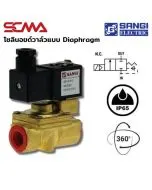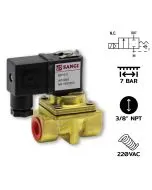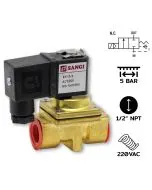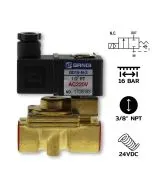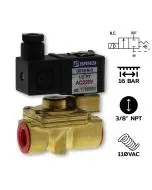
24V solenoid valves are highly popular industrial control devices for the flow of liquids and gases in modern industries. With their precise and high-performance operation, they have become an essential component in various automation systems. Company SCMA, a specialist in industrial control equipment, provides comprehensive information about 24V electric valves to help you understand their working principles and select the appropriate ones.
What is a Solenoid Valve?
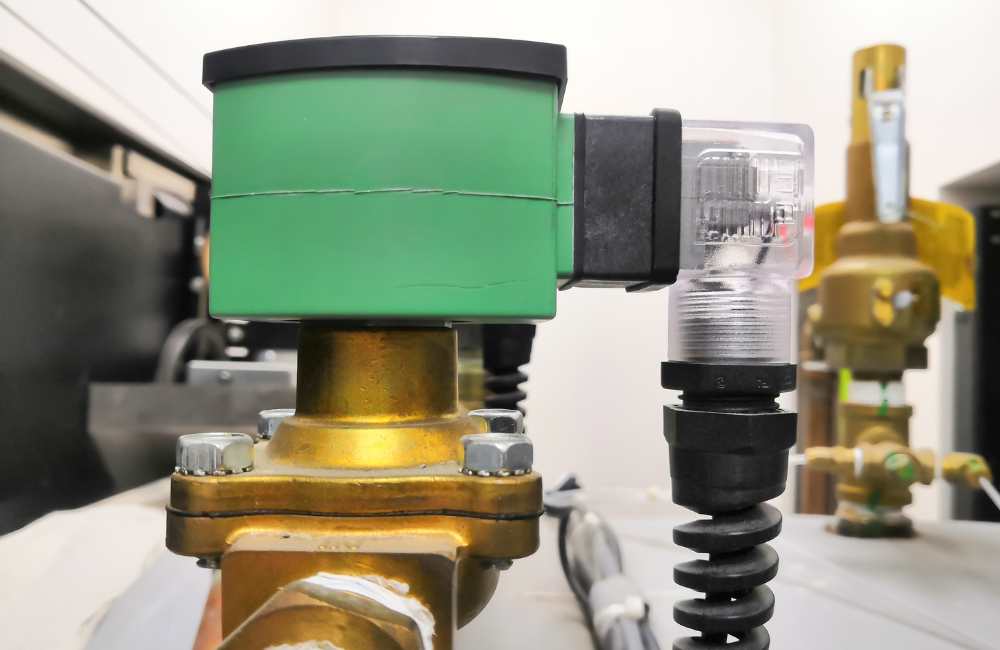
A solenoid valve is an electrical device used to control the flow of liquids or gases by using electricity to command the opening and closing, or controlling the flow through electromagnetic means. It consists of a copper coil wound around a ferromagnetic core; when electric current is applied, it generates a magnetic field that attracts the core to move, thus quickly and accurately opening or closing the passage for flow. Solenoid valves can operate in various configurations, from 2-way, 3-way to multi-way types, with materials commonly used for production including brass, stainless steel, aluminum, or engineering plastics, depending on the type of liquid and environmental conditions.
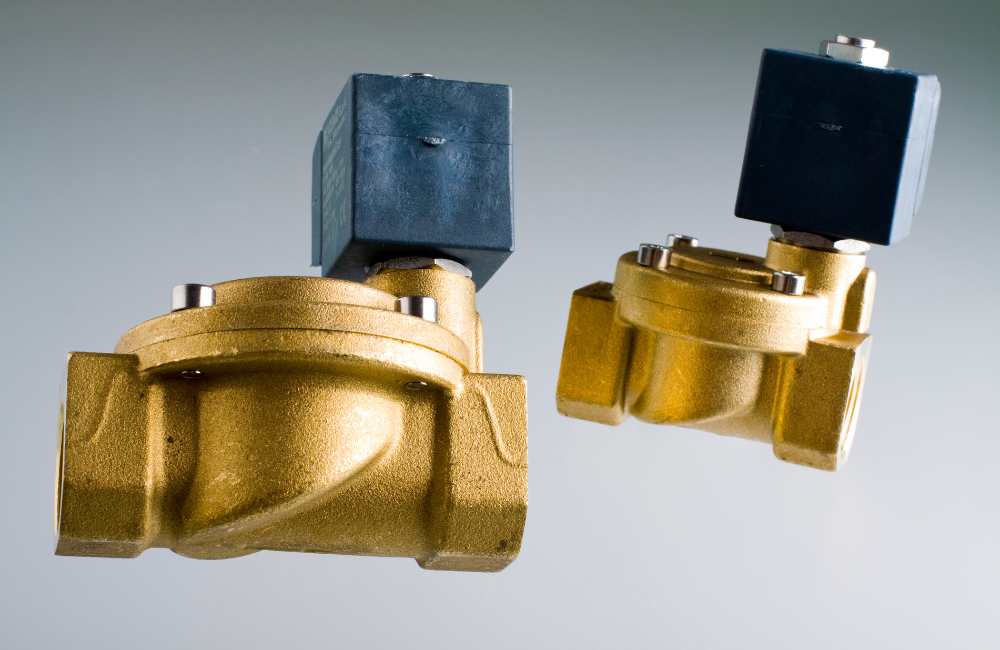
Select the Correct Voltage for Solenoid Valves: 12V, 24V or 220V
Choosing the appropriate voltage for solenoid valves is a crucial factor that affects their performance. Each voltage has its own advantages and limitations, which should be considered based on the application requirements and system specifications.
- 12V Solenoid Valve - Suitable for systems powered by batteries or automotive systems, these valves are compact and energy-efficient. However, they have limitations in controlling high flow rates, making them ideal for applications requiring high accuracy but not demanding large flow rates such as fine spray systems or laboratory control systems.
- 24V Solenoid Valve - Considered a standard in the industry due to its balance between power consumption and performance, these valves can control moderate to high flow rates effectively. They are suitable for factory automation systems, irrigation systems, and general industrial machinery, offering a wide range of spare parts and accessories.
- 220V Solenoid Valve - Designed for heavy-duty applications requiring high flow rates and pressure, these valves are commonly found in large industries with main electrical supply systems. They offer durability and long service life but are not suitable for mobile or energy-efficient systems due to the need for a high AC power source.
How Solenoid Valves Work
Solenoid valves operate based on electromagnetic principles, categorized by the number of ports and positions. For example, a 2/2 valve has two inlets/outlets and two working positions (open/closed), while a 5/3 valve has five ports and three working positions, suitable for more complex applications. When electricity is applied to the coil, it generates an electromagnetic field that attracts the iron core, moving it to open or close the flow path as required. The response time is approximately 10-50 milliseconds, making them ideal for high-precision work.
Benefits of Solenoid Valves
Electric solenoids are widely beneficial across various industries, from smart irrigation systems that help conserve water to air conditioning and refrigeration systems requiring precision. They are also used in the food and pharmaceutical industries where sterility is required, as well as in industrial washing machines, wastewater treatment systems, and production processes needing precise chemical dispensing control. With long lifespans and minimal maintenance requirements, they effectively reduce operational costs efficiently.
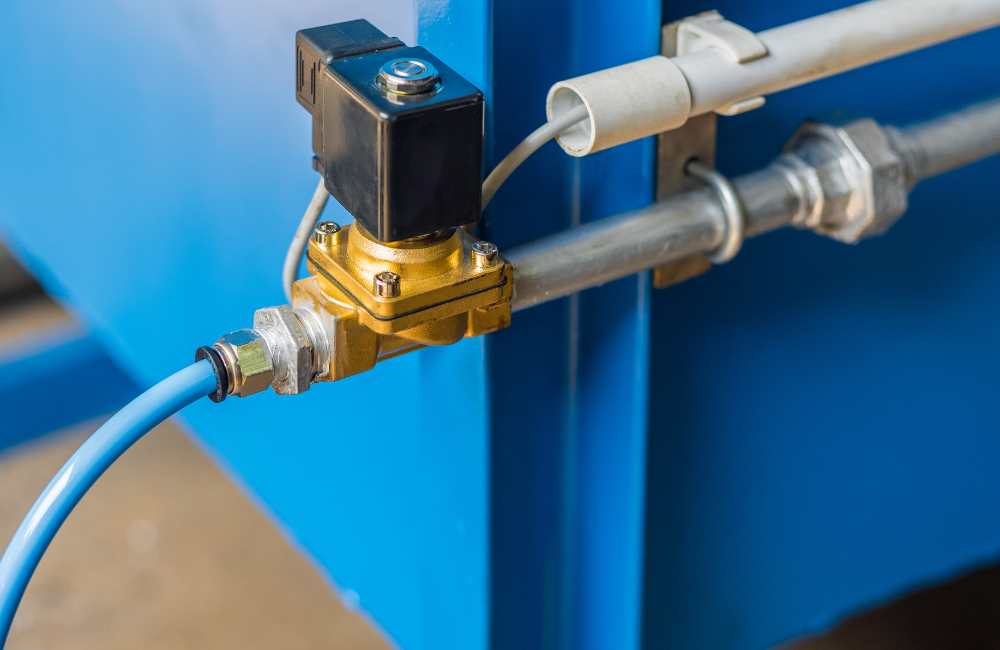
Types of Solenoid Valves
Solenoid valves are categorized into two main types based on their control characteristics, each suitable for different applications.
Single Solenoid Valve
A single solenoid valve uses a single solenoid to control the operation and relies on a spring to return to its original position when there is no power. It is ideal for high safety applications as it automatically returns to its initial state in case of power failure, saving energy by using electricity only during status changes. Commonly used in safety systems and general open-close controls.
Double Solenoid Valve
A double solenoid valve uses two solenoids to control position changes, providing precise control and maintaining position even without power. It is suitable for high stability work requirements, capable of independently controlling both opening and closing operations. Popular in complex automated systems requiring diverse controls.
What Should You Consider When Buying Solenoid Valves?
Choosing the right solenoid valve involves considering several factors to achieve maximum efficiency. Start with the type of liquid or gas you need to control, which determines the material of the valve and seals. The size of the pipe and desired flow rate, operating temperature range and pressure, electrical voltage in the system, as well as usage frequency and installation environment are also important considerations. Additionally, it's necessary to check for required standards and certifications specific to the industry such as food and drug standards or safety standards for hazardous areas.
Maintenance of Solenoid Valves
Regular maintenance of solenoid valve sets helps extend their lifespan and maintain performance. Regularly check the operation of the valves by listening to their sound and observing their response when activated. Clean filters and strainers to prevent blockages, inspect coils and electrical connections for tightness without corrosion or moisture. If leaks or abnormal operations are detected, immediately check seals and diaphragms. Replacing worn parts at specified intervals can help prevent severe damage and unexpected production stoppages.
Interested in 24V Solenoid Valves? You Can Buy from SCMA Today!
SCMA is ready to serve with high-quality 24V solenoid valves from leading global brands. Our expert team provides consultation for selecting products that meet your needs, offering immediate stock availability and comprehensive after-sales service. We guarantee the quality of every piece of equipment provided along with spare parts and accessories. Technical documents and user manuals in Thai are also available to ensure confident and safe use.
Summary
Electric valves at 24v are crucial control devices in modern automatic systems, operating on electromagnetic principles to provide precise and rapid opening and closing. Selecting the right one involves considering various factors such as fluid type, electrical pressure, and environmental conditions. Proper maintenance will extend service life and maintain efficiency. SCMA is ready to be a reliable partner for providing high-quality solenoid valve sets along with expert advice to ensure you get products that truly meet your needs.
Frequently Asked Questions
How do solenoid valves work?
Solenoid valves operate by using an electric coil to create a magnetic field when electricity flows through it. This magnetic field attracts the iron core, causing the plunger or valve disc to open and close the flow path. When power is cut off, a spring pushes the valve back to its original position. This process occurs rapidly in just milliseconds.
Are solenoid valves necessary?
Solenoid valves are crucial for systems requiring automatic flow control, reducing labor costs, increasing accuracy and safety during operation. Especially in industries that require real-time control or dangerous areas, investing in high-quality solenoid valves can save long-term costs.
Where are solenoids used?
Solenoids have wide applications across various industries, from building water systems, irrigation systems, industrial machinery, automotive, medical equipment to household appliances. Anywhere automatic flow control of liquids or gases is required, solenoid valves are the most commonly used option.
What causes solenoid valves to fail?
The main reasons for solenoid valve failure often stem from internal clogging by contaminants, inappropriate liquid use leading to corrosion, unstable electrical voltage causing coil burnout, or overuse beyond the specified limits. Additionally, lack of maintenance and long-term usage are significant factors contributing to valve degradation.