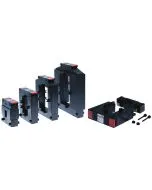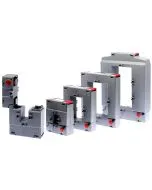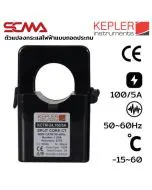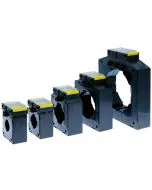

Residual Current Circuit Breakers are safety devices that every home and building should install to prevent dangers from electric shocks and fires caused by electrical leakage, which is the main cause of electricity-related deaths in Thailand. SCMA, a specialist in high-quality electrical equipment, offers knowledge and standard-compliant residual current circuit breakers to enhance safety in your homes and workplaces.
What are Residual Current Circuit Breakers?
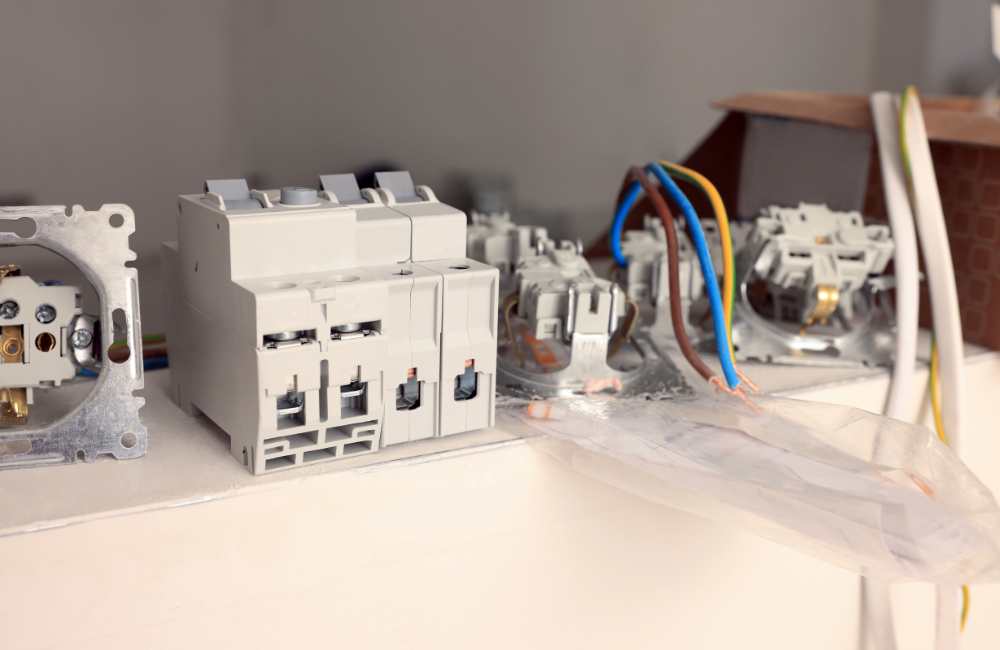
Residual Current Circuit Breakers (RCD) or Residual Current Devices (RCD) are safety devices that automatically cut off the circuit when a leakage current is detected, or when there is an imbalance in the flow of electricity into and out of the circuit. This may occur if leaking current passes through human bodies or other materials where it should not be present. According to IEC standards, this device is called a Residual Current Device (RCD), while Thai National Standards use the term "Residual Current Circuit Breaker" for devices that perform the same function of detecting abnormalities in circuit currents and cutting off power supply within milliseconds to prevent potential harm to users and property.
How Residual Current Circuit Breakers Work
Residual current circuit breakers installed in electrical panels work by monitoring the total electricity flowing through a building's electrical system. When a leakage current is detected going to ground or an abnormal point, the system immediately cuts off power to prevent danger. This differs from plug-in residual current circuit breakers that provide protection only for devices plugged into them at that moment. Installing in electrical panels provides comprehensive coverage for the entire system, while plug-in types are suitable for specific point protection.
What are the benefits of a GFCI (Ground Fault Circuit Interrupter)?
A GFCI has primary benefits in preventing shock hazards and fire hazards caused by electrical leakage in circuits or various electrical appliances. Additionally, it can be used to detect points of electrical leakage, allowing users to identify and address issues promptly. Installing a GFCI breaker is therefore an important safety measure for buildings and residences to provide comprehensive protection against electrical dangers.
How many types of residual current devices are there?
Residual current devices (RCDs) are divided into four types (Type AC, A, F, and B), each designed for use with electrical appliances that have different waveform currents.

AC Residual Current Device
Suitable for equipment using the traditional 50 Hz alternating current, such as water heaters, electric stoves with heating coils, and electric hot water dispensers. Also suitable for tungsten and halogen light bulbs that have a sinusoidal waveform.
A Residual Current Device
Suitable for Type AC equipment and single-phase circuit devices, such as single-phase inverters, IT and multimedia equipment, induction electric stoves, washing machines without frequency control, electronic dimming systems, and EV chargers with DC leakage current not exceeding 6 mA.
B Residual Current Device
Provides the most comprehensive protection for all types of equipment, including devices that generate smooth DC currents such as speed-controlled inverters, UPS systems, solar cell systems, EV chargers with DC leakage current exceeding 6 mA, and lifts, escalators, and welding machines using Power Electronics technology.
F Residual Current Device
Suitable for equipment that uses frequency control in operation such as washing machines, dishwashers, new tumble dryers with synchronous motors, Class I power tools, and air conditioners controlled by VFDs. It can also be used with Type AC and Type A equipment.
What Makes a Good Residual Current Device (RCD)? What Features Should It Have?
A high-quality residual current device must meet the TIS 909-2548 standard for RCBO types or TIS 2425-2552 for RCCB types to ensure its performance in preventing electric shock hazards. The equipment should have a leakage current rating not exceeding 30 mA and be able to cut off the circuit within 0.04 seconds when the leakage current reaches 150 mA. Additionally, the breaker must disconnect all wires from the circuit including the neutral wire unless it is earthed, to ensure maximum protection.
If you are interested in purchasing a residual current device, SCMA has them available today!
SCMA is the leading provider of high-quality electrical equipment, offering a full range of residual current devices including Type AC, A, B, and F from world-renowned brands such as Schneider, ABB, Siemens. These products meet IEC and TIS standards for quality assurance. Every item is guaranteed to be genuine with 100% manufacturer warranty and comes with Thai installation manuals. Our expert team provides free consultation services to help calculate size and select the appropriate type for your needs whether it's residential homes, commercial buildings, or industrial factories. We offer fast nationwide delivery with immediate stock availability. Special prices are available for bulk orders along with excellent after-sales service. Contact SCMA today for the safety of those you love.
Summary
A residual current circuit breaker is a crucial safety device in an electrical system, helping to prevent dangers such as electric shock and fires that may result from leaking electricity. It works by detecting differences in electrical currents and cutting off the circuit within just a few milliseconds. There are several types available for selection based on job requirements, ranging from basic Type AC to comprehensive Type B covering all forms of leakage current. Choosing high-quality and standard-compliant residual current circuit breakers will extend their lifespan and provide the best protection. SCMA is ready to be your electrical safety partner with quality products from leading brands, expert consultation services, and impressive after-sales service. Don't wait any longer; install a residual current circuit breaker today for sustainable safety.
Frequently Asked Questions
Why is it important to prioritize residual current devices (RCDs)?
A residual current device (RCD) is a life-saving equipment that can detect leakage currents ranging from 5-30 mA and interrupt the circuit within 25-40 milliseconds before it becomes lethal. Statistics show that installing RCDs reduces electrical fatalities by over 95% and prevents electrical fires, which are among the top causes of home fires. Additionally, they help save electricity costs due to leaks and extend the lifespan of electrical equipment.
What benefits do residual current devices (RCDs) offer?
Residual current devices (RCDs) have three main benefits: 1) Prevent electric shock by immediately interrupting the circuit when a leakage current passes through the body, 2) Prevent fires caused by electrical leaks that may accumulate heat and ignite, 3) Save energy by detecting leaks that cause electricity loss. Moreover, they help monitor the condition of the electrical system because frequent tripping indicates issues that need to be addressed, and they can reduce fire insurance premiums for buildings with complete safety systems.
What TIS standard should RCCB type residual current devices meet?
Residual current devices (RCCBs) in Thailand must comply with the TIS Standard 2135-2545, which is based on IEC 61008. This standard sets safety requirements, testing procedures, and marking specifications. Products that meet this standard will have a TIS mark on them, guaranteeing they have passed tests for sensitivity, response time, fault current endurance, and service life. Users should purchase only products with the TIS mark to ensure maximum safety.
What is a residual current device (RCD)?
A Residual Current Device (RCD) is an equipment that detects electrical leakage and automatically cuts off the circuit to prevent danger. It works by comparing the currents flowing into and out of the circuit; if they differ by more than 30 mA (for residential use), it will cut off power within 40 milliseconds. RCDs have various names such as RCCB, ELCB (the older type), or Safety Switch, but all perform the same function: preventing electric shock. Unlike regular circuit breakers that only protect against overcurrent and short circuits.