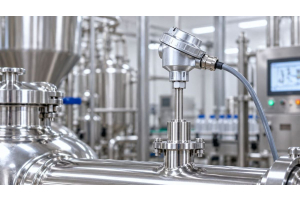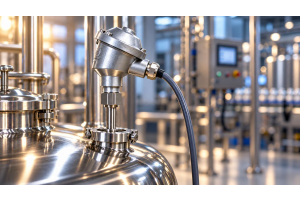

Heater cables are crucial heating devices used to maintain temperature and prevent ice formation in industrial settings. Company SCMA presents comprehensive information on technologies that enhance the efficiency of your industrial systems, along with appropriate usage recommendations for all types of businesses.
What are heater cables?
Heater cables or Cable Heaters are flexible heating devices that can be bent and coiled as needed, making them easy to install in restricted spaces. They are suitable for wrapping around pipes, threading through slots, or installing at points requiring distributed heat. These devices have been developed for use in refrigeration industries, various pipe systems, and specialized applications requiring precise temperature control.

What are the benefits of heater cables? What do they do?
Heater cables offer high flexibility in installation, allowing them to be shaped according to the area of use. They are ideal for complex installations such as around pipes, edges of cold room doors, curved surfaces, or areas requiring flexible installation. Their primary function is to maintain a constant temperature, prevent ice formation, and reduce fluid viscosity in pipe systems. The wattage per meter (W/m) can be selected according to specific usage requirements, making them highly adaptable for various industrial applications.
How a Heater Wire Works
Structure of heater wire consists of an internal resistor, insulation layer, outer protective sheath, and electrical connection terminals. The working principle relies on converting electric current into heat energy through the internal resistance within the wire. When electricity flows through it, resistance is created, generating heat that spreads along the length of the wire. The resistors are made from high-quality alloy wires such as copper, nickel, chromium, providing consistent heating and long service life. Insulation design helps prevent heat loss and ensure safe operation.
Advantages of Heating Cables
Cable Heater is a high-quality insulated heating wire, such as PVC or silicone, for safety and operational efficiency. It can be applied in various industrial applications:
- Maintain the temperature of industrial pipelines - Helps reduce the viscosity of thick liquids, making flow through pipes easier and more efficient.
- Prevent ice formation - Installed on drainage pipes and cooling system fans to prevent damage from ice.
- Maintain the temperature of warm water pipelines - Ensures continuous and efficient operation of the hot water system.
- Prevent condensation on glass - Installed on refrigerator glass to maintain clarity and prevent water droplets.
- Pre-Heat Industrial Printers - Enhances print quality by maintaining the appropriate system temperature.
- Agricultural Greenhouse Systems - Helps control greenhouse temperatures, allowing year-round crop cultivation even in winter.

Applications of Heating Cables
High-temperature heating cables have a wide range of applications in industry and agriculture. With their ability to conform to shapes and provide consistent heat, they are an ideal choice for various specialized tasks:
- Sealing Gaskets on Cold Room Doors - Prevents ice buildup on the gasket, ensuring a tight seal and better temperature retention inside.
- Pipe Systems for Viscous Liquids - Maintains temperature to reduce viscosity of oil, chemicals, or thick liquids, allowing them to flow more easily.
- Condenser Fan Blades - Prevents ice buildup on the blades, ensuring continuous operation without interruption.
- Building Hot Water Systems - Maintains constant temperature in hot water pipes to prevent heat loss during transportation.
- Cooler Cabinet Glass - Keeps the glass surface at a consistent temperature to prevent water droplets and steam from obscuring visibility.
- Agricultural Greenhouses - Controls greenhouse temperatures for off-season crop cultivation, increasing year-round yields.
Guidelines for Using Heater Wire
To achieve the highest efficiency and longevity in using heater wire, technical specifications and safety requirements must be considered to ensure optimal results:
- Calculating Wattage - Select an appropriate W/M value based on usage. Cutting and splicing should follow the specified meter lengths to maintain a consistent wattage per meter throughout.
- Selecting Appropriate Power - Consider space size, desired temperature, and environmental conditions to choose the W/M value that provides maximum efficiency.
- Connecting and Insulating Wire - Splice points must be wrapped with high-quality insulation to prevent moisture or water from causing short circuits or electrical shocks.
- Operating Temperature Range - Use within the temperature range of -50°C to 200°C for safe and long-lasting operation.
If you want to purchase heater wire, SCMA is available today!
High-quality heater wire from SCMA is an ideal choice for businesses requiring temperature control efficiency. We offer a variety of sizes and wattages to meet the specific needs of each business type. Our products pass international standards testing, are highly durable, and provide consistent heating. Our team of experts is ready to advise on selecting the appropriate heater wire for your usage to achieve maximum performance and investment value.

Summary
Heater cables are highly flexible heating devices that can be used in a variety of industrial, agricultural, and specialized applications. They help maintain temperature, prevent ice formation, and improve the efficiency of various systems. Choosing high-quality heater cables from SCMA will ensure your system operates efficiently, reduce maintenance costs, and extend equipment lifespan. Contact us today for consultation and to select the appropriate heater cable for your needs.
Frequently Asked Questions
What is a heater cable?
A heater cable, or heating cable, is a flexible wire-like heating device that can be bent and shaped to fit the installation area. It works by converting electrical current into heat through internal resistance within the cable. Suitable for applications requiring flexibility in installation and even heat distribution.
What should you know about using heater cables?
When using heating cables, select an appropriate wattage per meter (W/M) based on the application. Install them within a temperature range of -50°C to 200°C. Use moisture-proof insulation when connecting wires and cut-to-length as specified to maintain constant power output. Regularly check the condition for safety and optimal performance.
How do you use electrical heating cables?
Electrical heating cables are used by connecting them to a power source, where electricity flows through internal resistance in the cable and converts into heat. They can be installed in various ways such as wrapping around pipes, laying on surfaces, or threading through channels. Control temperature with a thermostat for precise desired temperatures.
What are the functions of heater cables?
Heater cables primarily maintain constant temperature, prevent ice formation in pipe systems and equipment, reduce fluid viscosity to facilitate flow, keep agricultural greenhouses warm, prevent condensation on glass surfaces, and pre-heat industrial machinery for improved performance.