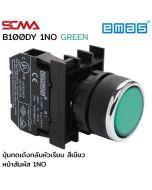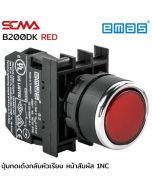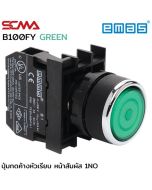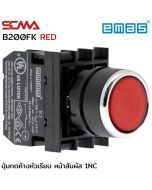
No Push Button (NO) is the device you are curious about how it works, right? In this article, the SCMA engineering team will guide you to understand what NO means and provide a detailed explanation of the differences between NO and NC. We will delve into symbols, circuit reading, and real-world application examples so that you can safely apply them in control panels. If you need consultation for automatic system design, you can contact our experts through SCMA Services immediately.
What Do NO and NC Mean? Understand the Basics in 2 Minutes
The question of what No means can be simply explained as follows: A No Push Button (NO), or Normally Open, refers to a normally open contact surface where electrical current cannot flow until the button is pressed. Conversely, NC stands for Normally Closed, meaning that electricity flows continuously until the button is pressed to break the circuit. The difference between NO and NC lies in their initial state of electrical conductivity. Engineers must choose these properties according to the machine's function for accuracy.
The Working Principle of NO and NC Contact Surfaces When Electrical Current Flows
In a normal condition, there is no current flowing through the No Push Button (NO) circuit. When force is applied to press it, the contact surfaces move towards each other allowing electrical current to flow and activate other devices such as Magnetics or Relays. In contrast, when pressing an NC push button, the previously connected contacts separate, immediately cutting off the electrical current. This type is used for system shutdown commands. You can better understand the differences between NO and NC through a comparison of various contact surface operations data to correctly connect circuits.
Understanding the NO NC and Common Symbols in Electrical Circuits
To read wiring diagrams (Wiring Diagram), it is necessary to know the no nc symbols to prevent incorrect wiring. Let's look at the basic symbols commonly found in control circuits.
The Standard Symbol for Normally Open Contacts (NO)
In the diagram of no nc symbols, for normally open contacts, it is drawn as two straight lines with a gap in between, and there is a diagonal line above to indicate the mechanism for closing the circuit. This symbol is often found in start-up circuits for machinery or triggering relays to operate.
The Standard Symbol for Normally Closed Contacts (NC)
For normally closed contacts, the symbol is drawn as a straight line with a diagonal line crossing the gap completely, indicating that current can flow immediately. This symbol is extremely important and is commonly used in stop circuits for machinery or abnormality detection systems of limit switches.
What is the Common Terminal (C) and How to Use It?
In addition to no nc, we also find the Common terminal (C), which serves as the main power input point (input leg). Power is held at the C terminal, ready to be distributed to either NO or NC sides according to the switching sequence of other control switches within the control panel.
Why Choosing NO and NC is Important for Electrical Work and Safety
Selecting no nc correctly has a direct impact on the safety of operators. Let's look at examples of applying NO means starting, and NC in various protection systems as follows:
- The Importance of NC in Emergency Stop Buttons (Emergency Stop): Emergency stop buttons must always use an NC contact to ensure that when the power line breaks, the machine will immediately shut down according to international safety standards. You can read more about Emergency Stop for Industrial Use.
- The Role of NO in Preventing Unintended Machine Operation: Using a NO push button to start helps prevent the machine from starting immediately when power is supplied to the control cabinet. The system will only start spinning if the user intentionally presses the button.
- Related Safety Standards (Fail-Safe): Good circuit design must adhere to Fail-Safe principles, such as using an NC contact to detect the status of overload. When overheating occurs, the circuit will immediately cut off power to prevent motor damage.
Which button should use NO and which one should use NC? See real-world examples
To answer the question of how no nc differ in terms of operation, SCMA will take a look at some real-world examples of choosing to use NO push buttons and NC touch plates in standard control panels.
Start Button (Green): Why it must be NO
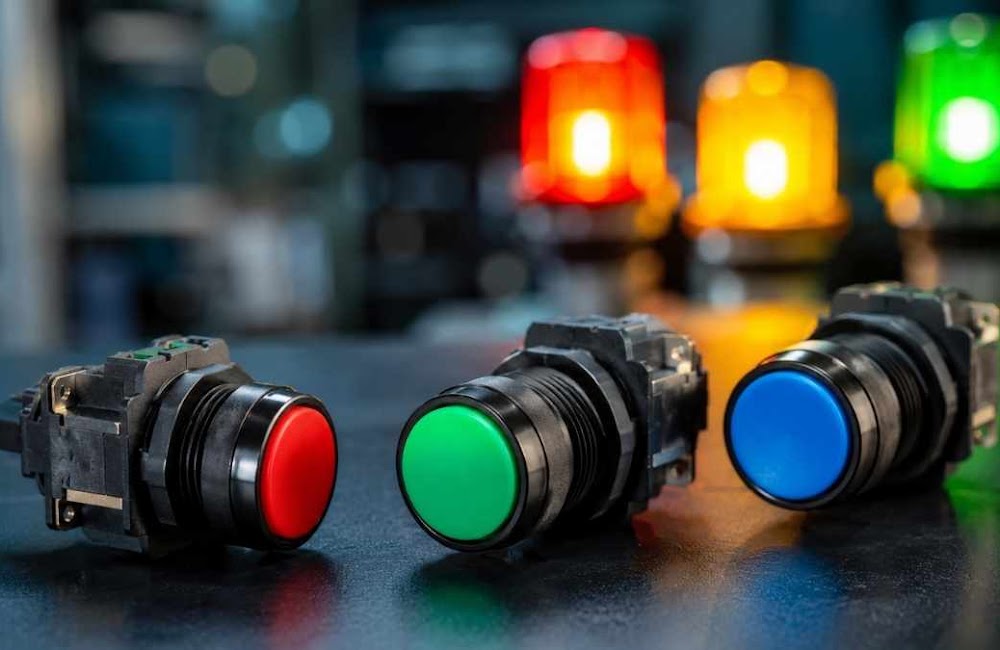
The green start button must use a NO push button because we want the circuit to be open (not conducting electricity) under normal conditions. When the user presses the button, the current flows through the touch plate and triggers the magnetic contactor to pull the main contacts together, allowing the motor to start running.
Stop Button (Red): Why it must be NC
The red stop button needs to use an NC touch plate because the current must flow continuously to maintain control circuit operation. When pressed, the contacts separate momentarily and cut off power, causing the relay to release, stopping machine operations immediately.
Examples of usage in control panels and machinery
In a PLC system, engineers will use signals from the NO push button as an Input to command the program to start. At the same time, they may receive NC signals from a pressure switch to automatically stop pump operation when water pressure in the pipe exceeds the set limit.
What happens if the wrong type of NO/NC switch is selected?
Misconnecting no nc contacts can cause severe damage to production systems. The SCMA engineering team summarizes potential impacts as follows:
- CASE 1: Using NO instead of NC on an emergency stop button: If the internal wiring breaks, users will not be able to press the button to stop machinery at all. This is a serious risk that could lead to fatal accidents.
- CASE 2: Using NC instead of NO on a start button: As soon as power is supplied to the control panel, the machine starts working spontaneously, putting workers preparing parts at risk from sudden mechanical movement.
- Risks to equipment and users: Incorrect wiring can cause solenoid valves to operate in reverse direction. Air cylinders may extend out instead of retracting, causing workpieces to break or get stuck on the machinery.
Can a single button have both NO and NC?
In fact, a switch is not limited to just one function. We can design the circuit so that the NO push button works together with NC in the same button to meet the complexity of the system.
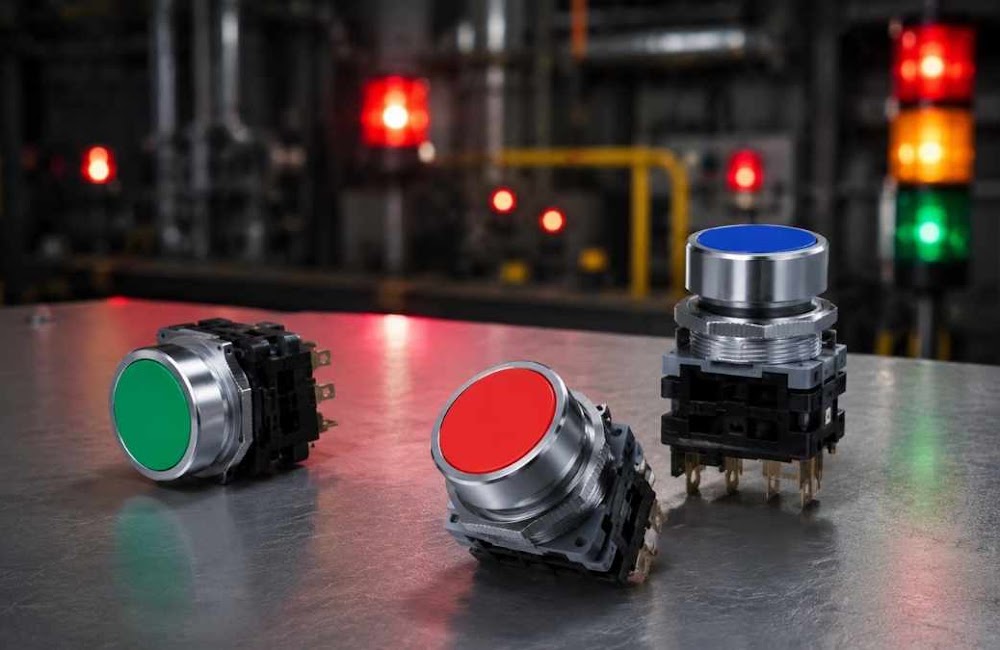
- Know about Contact Block: On the back of the push button, there is a plastic part called a contact block which serves as a holder for the no nc contacts. Users can choose to assemble the type of contacts they need.
- Add one NO + one NC contact: We can stack the contact blocks inside. When the user presses the button, the NO contact will order the warning light to turn on while the NC contact will simultaneously cut off the main motor operation.
- The benefits of having both contacts in a single button: It helps reduce the number of buttons on the control panel, making it easier for machine operators to work. It saves wiring and reduces confusion when checking the operation of Proximity Switch or other sensor devices.
How to check and select the right NO/NC button for your job
If you want to purchase a new piece of equipment, you must carefully examine the no nc contact details. The easiest way is to observe the color of the contact block. Generally, international manufacturers use green contact blocks for NO push buttons, while red represents NC contacts. In addition to checking the colors, it's always advisable to read the specifications printed on the device to ensure that the contacts can safely handle the current and voltage (Voltage) of the control panel. If you're unsure, reviewing comparison tables in the product catalog will help minimize purchasing errors.
Summary
In summary, NO push buttons and NC are the most important basics in an electrical control system. Understanding what no means, as well as the differences between no nc, helps you design circuits safely, whether you're controlling magnets or relays. Choosing the right one is key to stability in production lines. If you are looking for a partner for automation consultation, the SCMA Co., Ltd. team is ready to provide full engineering advice.
If you want to buy, SCMA is now available!
Selecting high-quality control components can effectively reduce machine downtime. If you need reliable automation solutions, from NO push buttons, NC contact types to industrial sensor devices, you can browse all SCMA measuring tools products today. We are ready to assist in sourcing quality technology to elevate the safety standards of your factory.
Frequently Asked Questions
What do NO and NC switches mean?
NO stands for Normally Open (normally open) the current will not flow until the button is pressed. NC stands for Normally Closed (normally closed) the current can flow through continuously until the button is pressed to break the circuit.
What does NC stand for in an electrical control system?
Nc stands for Normally Closed, meaning a normally closed contact, commonly used in circuits that require constant power supply such as emergency stop circuits or safety protection circuits.
How to easily understand the NO and NC symbols?
No nc symbols are drawn as two lines disconnected from each other (NO) indicating that current flow is inconvenient, or drawn with a line crossed over an open space (NC) indicating immediate current flow.
Why must emergency stop buttons always use NC contacts?
The reason for maximum safety if the wire breaks, the system will see it as a circuit break (as if the button was pressed), causing the machine to shut down immediately preventing potential harm to operators.
Can contact blocks be changed from NO to NC later on?
This can be done with push-button switch models that allow for removable contact block (Contact Block) simply remove the original contact block and install a new one at the back of the button head.