What is a vacuum cup? Are you looking for gripping equipment such as suction cups or vacuum cups? This article will delve into everything about vacuum cups, from types, how to choose them, to real-world applications in factories. You'll get comprehensive information to improve your automation systems safely. If you need consultation for designing a vacuum system, you can contact our SCMA Design and Consultation Services.
What is a vacuum cup? How does it work?
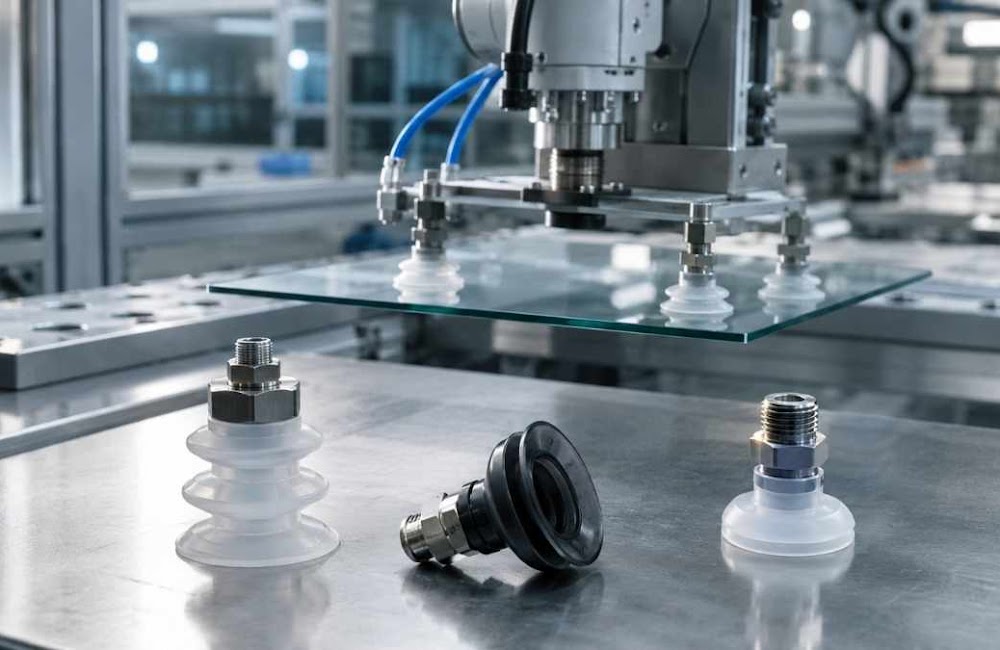
The operation of vacuum cups relies on the principle of different air pressures. When pressing the cup onto an object, the internal air is squeezed out to create a vacuum state. The external atmospheric pressure then presses down on the vacuum cup, making it adhere tightly to the object. Key components include the rubber cup body, mounting connectors, and suction mechanisms. Many people wonder about the difference between the terms suction cups and vacuum cups. In engineering, both terms refer to the same type of equipment. You can study in-depth principles of vacuum suction forces for a clearer understanding.
How many types of vacuum cups are there? Which type is suitable for what job?
Selecting the appropriate vacuum cup based on the nature of work can greatly enhance safety. We will categorize the types of suction cup into main categories to make it easier for you to choose.
Categorized by mechanism: Hand pump vs Air compressor type
The hand pump type vacuum cup is suitable for off-site moving jobs where there's no air supply source, while the air compressor type is commonly seen in factories working with robotic arms. You can connect it to an Vacuum Generator for automatic operation of the vacuum cup.
Categorized by material: Rubber, Silicone, PVC
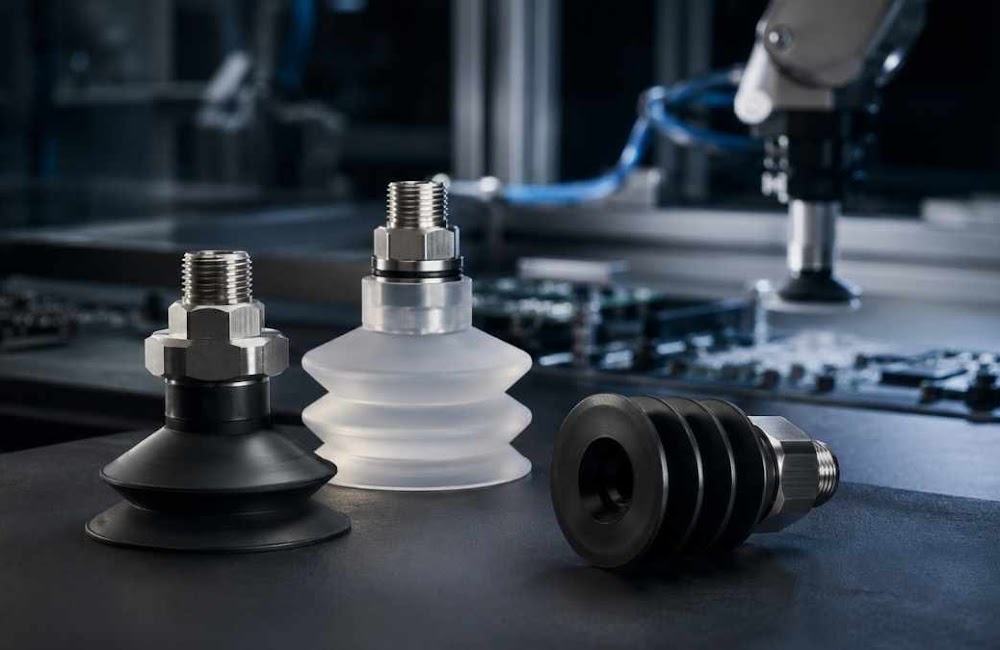
The choice of material for vacuum cups should not be overlooked. NBR rubber is excellent in oil resistance, silicone can withstand high temperatures and suits food industry requirements, while PVC plastic is suitable for general work that doesn't require heavy lifting by the suction cup.
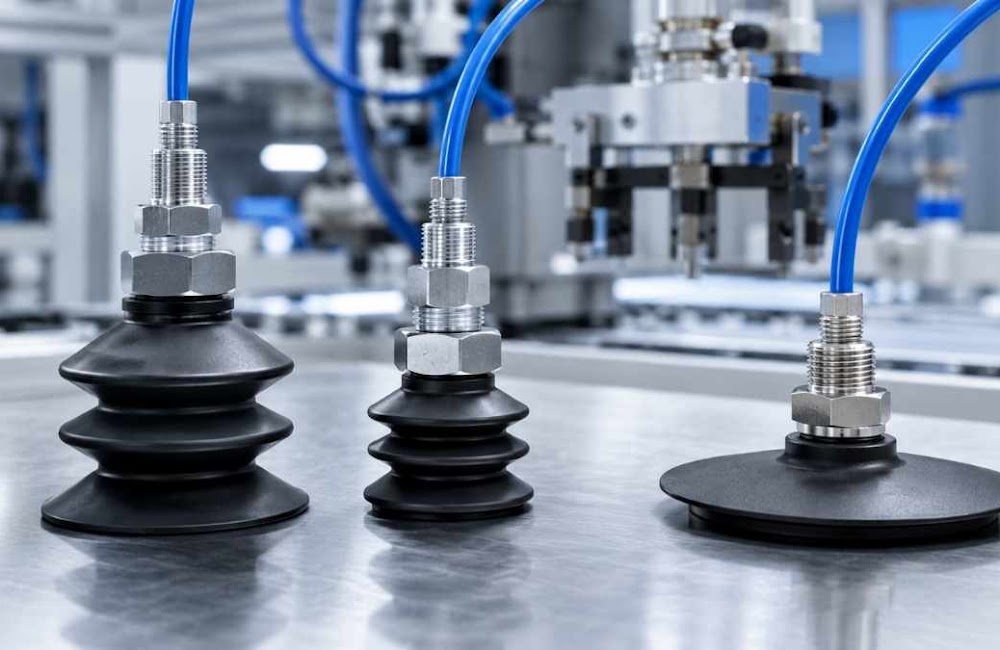
Categorized by shape: Single cup, double cups, triple cups
The shape of the vacuum cup affects its ability to lift objects. A single cup is suitable for small pieces, while double or triple cups help distribute weight more stably. Increasing the number of vacuum cups allows workers to safely lift large glass sheets.
Special vacuum cups: With pressure gauge
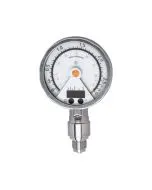
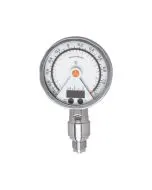
The modern industry requires high precision. Using a vacuum cup with a pressure gauge helps operators know real-time status, and controlling the suction cup with clear data can prevent accidents such as glass or stone panels falling off perfectly.
Which Vacuum Cup to Choose for Safe Glass Handling Without Risk of Breakage
Glass installation is a task that requires the utmost caution. When selecting vacuum cups for lifting glass, it's essential to calculate the weight of the glass panel and match it with the lifting capacity of the equipment. Synthetic rubber materials with special softness are recommended by engineers as they provide excellent protection against surface scratches. Before using the vacuum lifters, ensure that the glass is free from dust so that the edge of the suction cup adheres perfectly. Checking the condition of the vacuum cups every time is a preventive measure against accidents caused by dropping.
How to Choose the Right Vacuum Cup for Your Job
Investing in a high-quality vacuum cup is the starting point of an efficient production process. The SCMA team presents guidelines for selecting a vacuum cup as follows:
Check Lifting Capacity
You must carefully compare the weight of your workpiece with the specifications of the vacuum cup. Always factoring in a safety margin (Safety Factor) will help prevent damage. Selecting a suction cup that meets the standard lifting capacity ensures safer movement.
Select Material Suitable for Workpiece Surface (Smooth, Rough, Greasy)
A rough surface requires a vacuum cup with soft rubber edges to fit into grooves well. A smooth and greasy surface like glass is better suited for slightly firmer rubber edges. Analyzing the workpiece surface before selecting a vacuum cup can effectively reduce air leakage issues.
Consider Size and Number of Cups
A very wide workpiece requires multiple vacuum cups to distribute lifting force evenly. Using a single large suction cup may cause the workpiece to bend and damage it. Proper positioning is key to success.
Trustworthy Brands and Safety Standards
Selecting a globally recognized brand of vacuum cups ensures quality and longevity. You can use this information in conjunction with Vacuum Sensors for detecting and controlling vacuum pressure in the system to further enhance safety of your vacuum cup.
Applications in Various Industries
The innovation of the suction cup has been widely applied across various sectors. We would like to highlight some interesting applications of suction cups as follows:
- Glass and Window Installation Work: Glass installers use suction cups as a handle to quickly lift glass sheets into window frames.
- Large Tile Laying Work: Large tiles often weigh heavily. Using vacuum cups helps save labor in positioning them accurately.
- Metal or Plastic Sheet Movement in Factories: Conveyor belt systems use suction to pick up workpieces for sorting and packaging into boxes without leaving surface marks.
- Use with Robotic Arms in Production Lines (Robotic Arms): Automated arms are equipped with suction cups to assemble small electronic components at high speed.
Precautions and Maintenance Tips for Extended Use
Caring for suction cups properly helps reduce accidents and maintenance costs clearly. Proper handling practices for vacuum cups include the following:
- Checking Condition Before Each Use: Always inspect for cracks or stiffness around the rubber edges of the suction cup before starting work.
- Cleaning and Proper Storage Methods: Use a damp cloth with mild soap to wipe off dust. Do not use harsh chemicals to clean the suction cups.
- Signs Indicating When to Replace Suction Cups: If you notice that the vacuum pump is working harder and suction power drops rapidly, it indicates that the rubber seal has reached its end of life.
Summary
In summary, suction cups are small components that drive large industries powerfully. Selecting appropriate suction cups and vacuum cups that match the weight of workpieces helps ensure smooth production processes. If you're looking for experts to set up a workpiece handling system, SCMA's design system and consultation services are ready to provide comprehensive support.
If you want to buy, SCMA is available for purchase today!
Making the decision to acquire high-standard equipment is the most worthwhile investment. SCMA Co., Ltd. (SCMA) offers vacuum cups as well as suction cups of high quality for you to choose from comprehensively. You can visit the complete SCMA product catalog on the SCMA website to request a quote forsuction cup immediately.
Frequently Asked Questions about Vacuum Cups
Can it be used on rough surfaces?
Yes, but you must choose vacuum cups made of soft silicone or with foam edges to help fill in gaps on the surface.
Is a vacuum cup the same as a glass suction cup?
The principle of creating a vacuum state is similar, but industrialsuction cups use materials that are much more resistant to pulling forces and can be connected to compressed air systems.
How long does it last?
This depends on the environment and frequency of use. If well-maintained and cleaned properly,vacuum cups from standard brands can last for several years.
About how much do they cost?
The price of suction cups ranges from hundreds for general DIY work to thousands for specialized industrial gripping applications in robotic arms.