Is the problem of a vacuum cup not sticking or frequently coming loose frustrating? In this article, the SCMA engineering team will reveal tips on how to solve the issue of suction cups that don't stick properly and delve into techniques for selecting suction cups that meet both general and industrial usage needs. After reading, you can immediately apply these solutions. For those seeking in-depth consultation regarding automation systems, please visit our services.
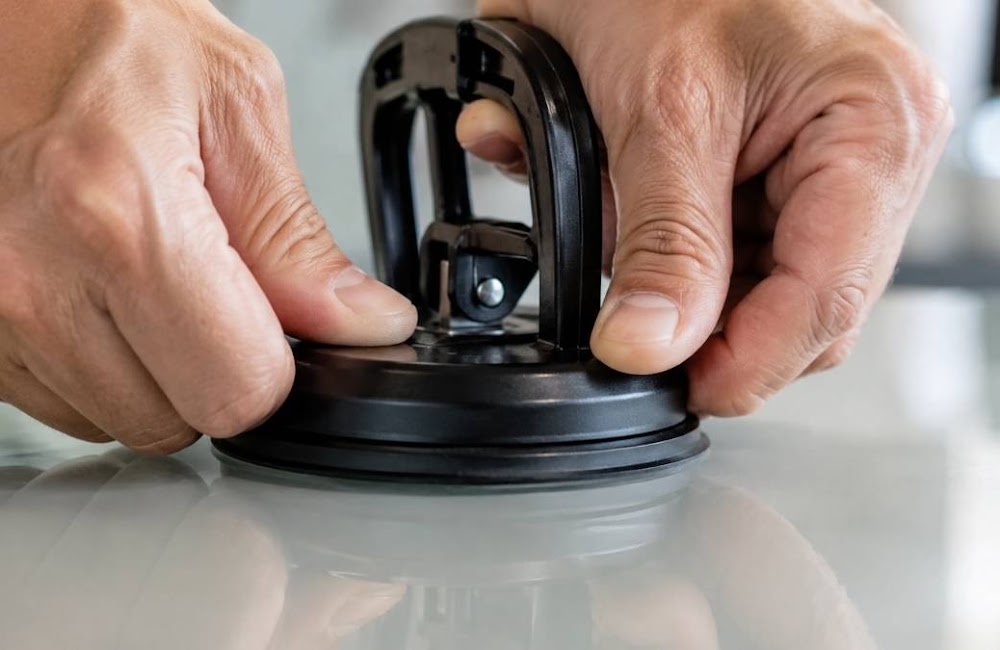
Why do vacuum cups not stick well? 5 common causes
The main reasons for suction cups to come loose are due to environmental factors and the condition of the material itself. Check these 5 mistakes to see which problem you're facing.
- Rough or dirty surface: If there is dust, grease, or a porous surface, it will prevent the vacuum cup from holding air inside.
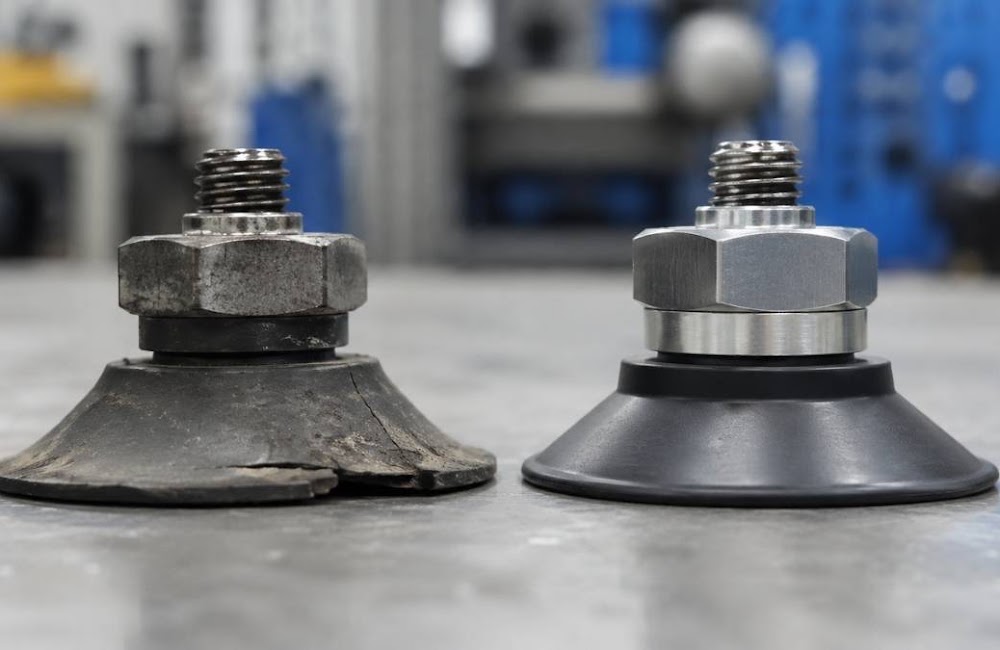
- Deteriorated suction rubber that becomes hard: Over time, vacuum cups lose their flexibility and cannot adhere properly to surfaces.
- Frequent temperature changes: Heat and sunlight cause the rubber to expand and contract, resulting in a loss of internal vacuum pressure.
- Incorrect installation: Not fully evacuating air initially is a major reason why vacuum cups cannot support weight properly.
- Excessive weight: Hanging objects that exceed the specifications of the suction cup can cause excessive pulling force, causing the rubber to come off the surface.
How to Fix a Vacuum Suction Cup That Won't Stick? Easy Tips That Actually Work
Based on SCMA's field experience, if you encounter issues with your vacuum suction cup not sticking, we have methods to restore its effectiveness and make the rubber suction cup adhere firmly again as follows:
- Clean the surface and the rubber suction cup: Wipe glass or walls with alcohol to remove grease, then clean the vacuum suction cup before use.
- Use heat to soften the rubber: Soak the vacuum suction cup in warm water for about 5-10 minutes to relax the rubber and make it flexible again.
- Apply a thin layer of vaseline or lotion around the edge of the rubber: A thin coating will fill small gaps, preventing outside air from seeping into the suction cup.
- Press firmly to expel all air: Press down hard on the center of the glass holder to squeeze out all the air. Leave it for a while before hanging objects.
Selecting the Right Type of Vacuum Cup for Your Application
Purchasing the correct suction cup helps prevent problems from the outset, especially in industrial pneumatic systems. The shape and material selection are crucial.
Single-Layer Cups for Light-Duty Applications
This type has a flat profile suitable for smooth surfaces such as glass sheets or flat metal plates. Single-layer glass cups respond quickly to suction forces and provide high stability, not moving around when in motion.
Multilayer Cups for Uneven Surfaces
These cups have interlocking grooves similar to springs, allowing them to conform well to curved or unevenly shaped parts. Multilayer vacuum cups are ideal for handling complex-shaped packages or components.
Pull-Handle Cups for High-Holding Force Applications
The pull-handle mechanism is designed to evacuate air completely and lock securely, making it a professional glass lifter's choice for lifting large glass sheets due to its highest safety assurance.
Vacuum Cup Materials: PVC, Silicone, and Natural Rubber
PVC material suits general applications while silicone withstands high temperatures and chemicals well. Meanwhile, natural rubber is more resistant to tearing. Understanding the materials of vacuum cups will help you use them longer and safely (you can learn about the detailed working principles of vacuum cups further).
Vacuum Cup Usage Techniques on Various Surfaces
Surface texture is the primary variable that determines how long a suction cup can adhere. We have tips for handling different types of surfaces to share with you.
How to Attach Vacuum Cups on Glass and Tile
These surfaces are ideal for adhesion, but be cautious around tile grout lines. If the glass vacuum cup spans over the grout seam, air can seep in and cause it to detach immediately.
Can Vacuum Cups Stick to Plastered Walls? And Solutions
Typically, vacuum cups do not stick on painted plaster walls or wooden walls due to their porous nature. A solution is to use clear stickers or smooth acrylic sheets to cover the wall first, then attach the glass suction cup over that.
Cautions When Using with Plastic and Metal
Although plastic and metal surfaces may appear smooth, they sometimes have anti-scratch coatings or wax that make them slippery. Clean with a degreaser before installing the glass holder to ensure the rubber makes contact with the true surface.
Maintenance to Extend the Lifespan of Vacuum Cups
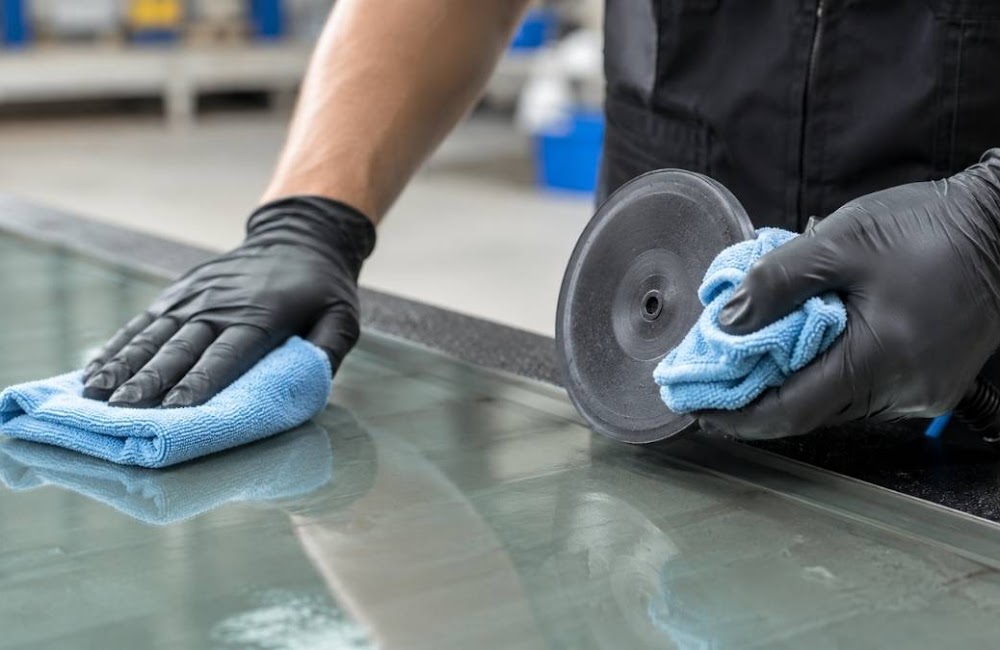
Keeping vacuum cups in working order starts with cleaning them gently with mild soap. Avoid harsh chemicals that can deteriorate rubber. When not in use, store suction cups in a cool, shaded area away from direct sunlight to prevent the rubber from becoming brittle. If you notice the rubber edges are starting to crack or become hard and do not soften when soaked in warm water, it's a sign that it’s time for replacement immediately to avoid damage caused by non-adhesion of vacuum cups.
Summary
In summary, issues with vacuum cups not adhering can be easily resolved through proper cleaning and selecting the right shape for the surface. Whether you're dealing with glass suction cups for craftsmanship or automatic systems, correct maintenance is key. If your factory needs to improve pneumatic systems, feel free to consult SCMA Co., Ltd.. Our team of experts is ready to be your partner in solving problems.
If you want to buy, you can purchase from SCMA today!
In the industry, having high-quality vacuum suction cups and glass suction pads is crucial for production efficiency. If you are looking for world-class equipment, you can browse Vacuum Generators Vacuum Creators or check out Vacuum Sensors Pressure Sensors at the SCMA All Products Page. We are ready to deliver precise technology for your industrial success.
Frequently Asked Questions about Glass Suction Cups and Vacuum Pads
How much weight can they hold?
The weight capacity depends on the diameter and locking mechanism. Generally, small suction cups can handle 1-3 kg, while industrial glass suction pads can support several hundred kilograms.
Will they leave residue on the surface when removed?
High-quality rubber will not leave residue; however, if used in direct sunlight for extended periods, the rubber may melt and stick to the glass. This can be cleaned off with regular cleaning agents.
How well do they withstand heat and sun exposure?
PVC materials degrade quickly under intense sunlight. For high-temperature environments, vacuum cups made from silicone material are more durable and should be chosen.
Which type of vacuum cup is suitable for industrial work?
In factories, it's advisable to use vacuum cups designed to connect directly with vacuum generators to ensure consistent suction force and maximum stability.
If the suction pad becomes hard, can it still be used?
A preliminary fix involves soaking it in hot water for about 5 minutes. If the rubber softens and returns to its original state, it can continue to be used. However, if it remains hard, we recommend replacing it for safety reasons.