Is your factory facing unexpected machine breakdowns? Measuring motor vibration is crucial for preventing these issues. SCMA, a provider of measurement tools and automation systems for the industrial sector, recommends inspection methods to extend the lifespan of your machinery. This article summarizes a checklist from the principles of operation to the correct way of selecting motor vibration measurement devices.

What is Motor Vibration Measurement?
Motor vibration measurement is the process of inspecting the operational status of machinery to detect abnormalities early on. Using motor vibration measurement tools helps prevent severe damage to internal components. Regular inspections effectively reduce production downtime.

How the Motor Vibration Meter Works
This type of device serves to convert mechanical signals into analyzable data. Vibration sensors help engineers accurately assess the condition of machinery.
Vibration Detection
The first step is to install the motor vibration meter or sensor (e.g., Accelerometer) on the machine body. The device receives vibrations, acceleration, or speed caused by the rotation of the motor shaft. These raw data are crucial starting points for mechanical fault analysis.
Signal Conversion
Once the sensor receives the vibrations, it converts the mechanical values into electrical signals. The motor vibration meter system is designed to provide the highest signal stability. This process enables the tool to quickly send data to the processing unit.
Processing and Display
The electrical signal is sent to a processing unit to analyze for amplitude (Amplitude) or frequency Vibration Analysis At this stage, it clearly identifies abnormalities such as broken bearings or unbalanced shafts.
How many types of motor vibration meters are there?
Industrial measuring instruments are designed to meet a variety of usage requirements. Choosing the appropriate motor vibration meter will help improve inspection efficiency.
Portable Vibration Meters
This type of measuring instrument is small and lightweight, allowing engineers to conveniently carry it to the site for inspection Vibration Sensor Portable vibration sensors are suitable for periodic rounds to assess initial abnormal trends.
Multi-channel Vibration Analyzers
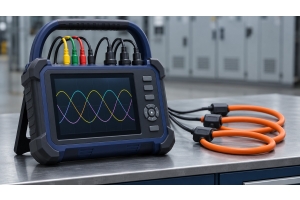
This advanced device can connect to multiple motor vibration meters at the same time to evaluate in-depth results. Engineers can analyze complex problems such as rotor balance or bearing condition. This tool helps achieve the highest level of accuracy in engineering diagnosis.
Online Vibration Monitoring Systems
Installing an online system allows the factory to monitor vibrations 24/7. Data from the motor vibration meters will be sent to a central processing system in real-time. This type of operation perfectly supports Condition Monitoring Systems.
Vibration Motor Maintenance
Maintaining measuring instruments is just as important as maintaining machinery. Proper maintenance of vibration motor measuring devices ensures the accuracy of data.
Inspect Physical Condition
Engineers must regularly check the housing of the vibration motor measuring device for cracks or rust stains. External damage may affect the sensitivity of the sensor. Regular inspection of the external condition helps extend the life of the device.
Inspect Cables and Connections
The signal cables of the vibration motor measuring device must be in good condition without any tears. Damage to the cable insulation may cause interference or data loss. Users should always ensure that all connection points are secure for signal stability.
Clean the Equipment
Cleaning dust or oil around the vibration motor measuring device must be done with care. Accumulated dirt may obstruct cooling. Proper cleaning helps the sensor receive vibration values effectively.
Calibration
Calibrating the vibration motor measuring device against international standards at scheduled intervals is essential. Calibration services from expert teams help confirm the accuracy of the instrument. Accurate data helps ensure that maintenance planning in the factory is error-free.

Vibration Monitoring of Motors in Industrial Applications
Applying technology in factories helps increase competitive capability. Using vibration monitoring of motors is an important strategy for managing machinery stability.
Prevent Sudden Machine Damage
Detecting abnormalities with motor vibration monitoring helps technicians identify problems before serious damage occurs. Factories can prepare spare parts and plan repairs in advance. Such actions help protect important components from breaking down during production.
Support Predictive Maintenance Systems
Connecting data from Bearing Condition Sensor to an IoT system helps assess lifespan in advance. Motor vibration monitoring works with AI to analyze wear trends. This innovation fully elevates factories to become Smart Factories.
Reduce Overall Production Costs
When machinery operates stably, emergency maintenance costs clearly decrease. Data from motor vibration monitoring helps reduce unnecessary spare parts inventory. Investing in this system provides long-term valuable returns for the business.
Advantages of Motor Vibration Sensors
Accurate measurement and analysis bring enormous benefits. The advantages of using motor vibration sensors cover both safety and operational efficiency aspects.
Detect Abnormalities in Advance
Motor vibration sensors are highly sensitive in identifying issues such as unbalanced bearings or shafts. Users can be aware of the condition before the motor becomes noisy or overheats. Early detection of abnormalities helps reduce the severity of mechanical problems.
Plan Maintenance with Precision
Clear data from motor vibration sensors support systematic predictive maintenance. Factory managers can schedule maintenance time without affecting production plans. High-cost emergency repairs will be significantly reduced.
Extend Motor and Component Lifespan
Addressing vibration issues from the start reduces the workload on the motor. Motor vibration sensors confirm the integrity after installation or repair. Close monitoring allows machinery to operate longer and provides better investment value.
Enhance Production Line Continuity
Industrial factories can maintain a constant production rate when using motor vibration sensors to monitor machinery. Preventing machine downtime helps businesses deliver products on time. Stable production builds long-term confidence with partners.
Support Advanced Analysis with Technology
The new system of motor vibration sensors supports sending data to the cloud or IoT systems. Engineers can analyze real-time machine health trends remotely. These digital data serve as a crucial basis for future production process development.
How to Choose a Motor Vibration Measurement Device
Deciding on the right equipment requires considering various factors. The method of purchasing a motor vibration measurement device must align with the environment and the needs of the factory.
Type of Instrument: Choose a pen-style meter for general inspections, or use a portable analyzer for complex problems.
Work Environment Conditions: Check whether the motor vibration measurement device can withstand dust, humidity, or electromagnetic fields in the production area.
Frequency Measurement Range (Frequency Range): Select a measurement range that covers the rotational speed of the machinery to ensure complete Motor (Motor Monitoring Sensors) Sensor Data
Display Format: Consider a device that can display velocity, acceleration, and displacement values to fully assess the severity of the problem.
After-sales Service and Calibration: Choose a supplier with a technical support engineering team and standard calibration services for measuring instruments.
Summary
Motor vibration measurement is a valuable investment to protect machinery from damage and reduce production downtime. Choosing a standardized motor vibration measurement device with regular maintenance helps ensure smooth production operations. SCMA is ready to provide advice and design a comprehensive technical service ecosystem to help your factory operate efficiently.
Interested in purchasing or consulting via LINE Official: @SCMA
If you want to buy a motor vibration meter, you can buy it from SCMA today!
High-precision equipment is the key to predictive maintenance. SCMA Co., Ltd. offers motor vibration meters as well as services that meet the needs of every industry. Our team of expert engineers is ready to go on-site to assess the work area and recommend high-quality, carefully selected technology for your business.
Frequently Asked Questions
Why should motor vibration be measured regularly?
Regular inspections help analyze component degradation in advance. This information helps prevent motor failure and reduce emergency repair costs.
What is the difference between portable and online motor vibration meters?
Portable meters are used for routine inspections by maintenance technicians. Online meters send real-time data 24/7 into a central system.
Where should vibration sensors be installed?
The best location is to install them at the motor's bearing area. These points are the areas that can directly and clearly receive mechanical vibrations.
How often should the measuring instrument be calibrated?
Generally, the instrument should be sent for standard calibration every 1 year or as recommended by the manufacturer. This action helps confirm the accuracy of the analysis results.
Does SCMA offer machine monitoring system design services?
SCMA Co., Ltd. has a team of engineers providing project services and integrated solutions. We take care of everything from site assessment to online system installation.