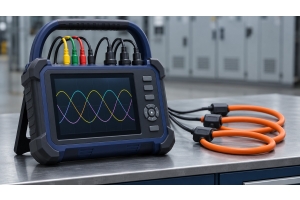
Save time in managing complex wiring in your machine control system by using IO Modules, which are essential devices for solving data communication issues. SCMA is ready to deliver automation system solutions and accurate measuring tools to elevate your factory above the rest. This article will take you deep into the working principles and provide a checklist for purchasing to maximize the benefits of implementation in your production line.
What are IO Modules?
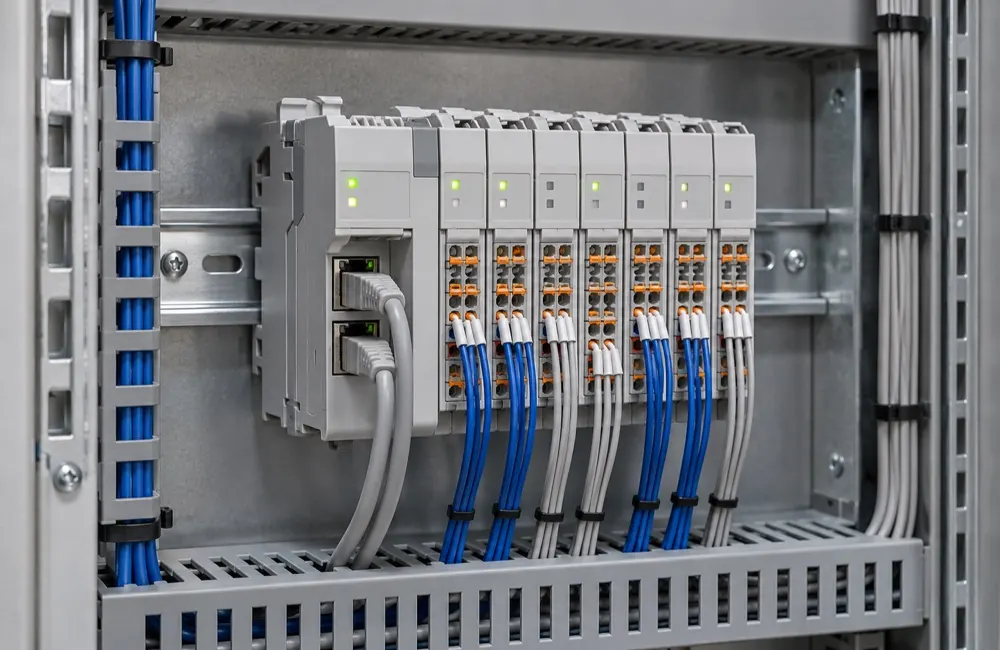
IO Modules, or signal input/output modules from SCMA, are devices that connect signals between sensors or field devices and the PLC control system. This device acts as an intermediary to control and transmit data in the automated industrial system smoothly. Using standardized equipment helps ensure accurate and precise data management in the factory, with quick and timely responses.
How IO Modules Work
Based on the direct experience of SCMA's engineering team that manages systems for customers in industrial estates, understanding the basic working principles of devices will help you design more efficient systems. The working principle is divided into the following important steps:
Receiving Input Signals
The module starts the process by receiving digital or analog signals directly from field devices, such as detection sensors or control switches. These raw data are the important starting point of all processing in the automation system.
Signal Conversion and Communication
Once the input data is received, the system converts the signal to send through standard industrial protocols to the central processing unit. Using AS-i I/O modules or IO-Link networks helps ensure seamless and accurate communication with the PLC.
Sending Output Commands
After the PLC completes data processing, the module receives the control commands to send back to the end devices. This process ensures that the machinery operates strictly according to the pre-programmed engineering conditions.
Flexibility in Use
An important feature is that some module models have signal channels that can be switched between Input or Output functions according to on-site requirements. This level of flexibility greatly reduces the difficulty of stocking spare parts in the warehouse.
How many types of IO Modules are there?
Selecting the right signal transmission device that matches the nature of the task is the basis of a stable system. Different types of modules are designed to support specific signal characteristics as follows
Digital I/O Modules
Digital modules are responsible for transmitting signals that have only two states of operation, open or closed (values 0 and 1). This type of device is suitable for use with basic devices such as push buttons or general object detection sensors on conveyor belts
Analog I/O Modules
Analog modules are responsible for processing continuous numerical signals such as temperature levels or water pressure. This type of device is essential for production processes that require high precision control of physical variables
IO Module Maintenance
Preventive maintenance is something that SCMA's maintenance team always emphasizes to operators to reduce the risk of machine downtime. The proper way to maintain the signaling system is as follows:
Mounting Check
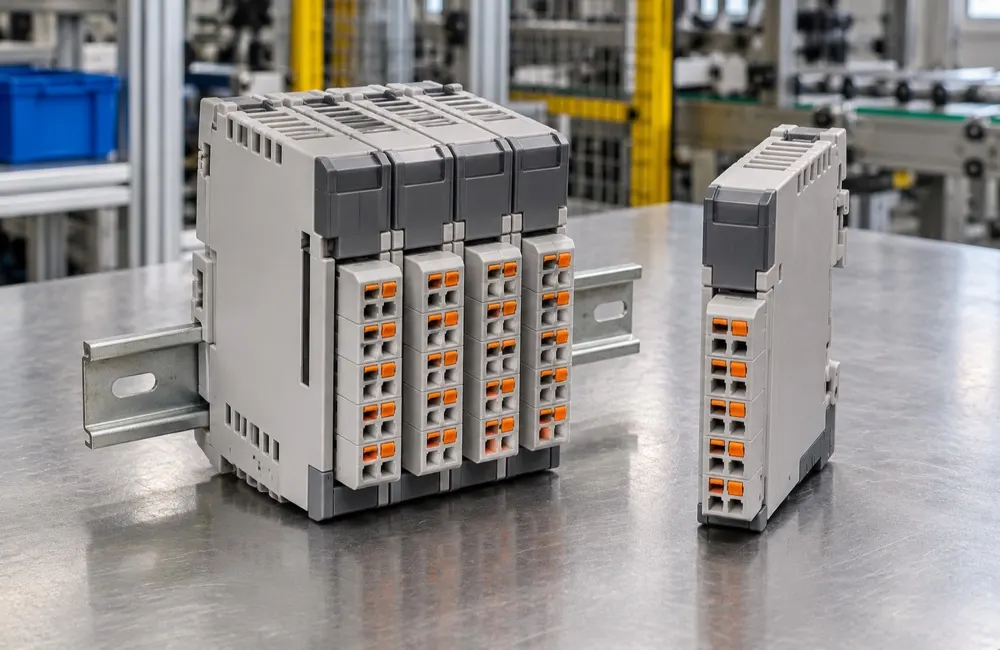
The maintenance team should check the condition of the module to ensure it is securely fastened to the DIN rail or structure. Standardized equipment mounting helps prevent damage caused by machine vibrations in the long run.
Temperature and Environment Control
Frequently check the operating temperature to ensure it meets the standard specified in the manual. Also, ensure that there is no moisture or oil accumulation in the control cabinet. If used in the field, consider selecting a model with a high level of protection against water and dust.
Observe LED Status
The LED lights on the display or each port are very useful for observing initial abnormalities. Technicians can use these status lights to check the integrity of data communication and resolve problems quickly.
Signal Cable and Wiring Inspection
New network technology helps reduce the number of wires significantly, but random inspection of connector heads is still necessary. Periodic inspection confirms that no connection points are loose or deteriorated due to usage over time.
Backup Configuration Data
Backing up the configuration program for smart modules is something the factory should not overlook. If an unexpected event requires replacing the equipment, you can immediately retrieve the data without having to start the system setup from scratch.
Use Real-Time Monitoring System
Applying analytical software helps engineers monitor voltage levels and signal quality in the system in real time. In-depth data analysis helps the team predict damage and plan maintenance in advance accurately.
Application of IO Modules in Industry
SCMA signal connection devices serve as intermediaries to coordinate operations between field devices and the PLC system. The application of these devices in industry has the following main advantages
Accurate Signal Relay Medium
The module quickly and safely connects data from field sensors to the central control system. Error-free data communication helps ensure that the entire production process operates with maximum efficiency
Reduces the Complexity of Wiring
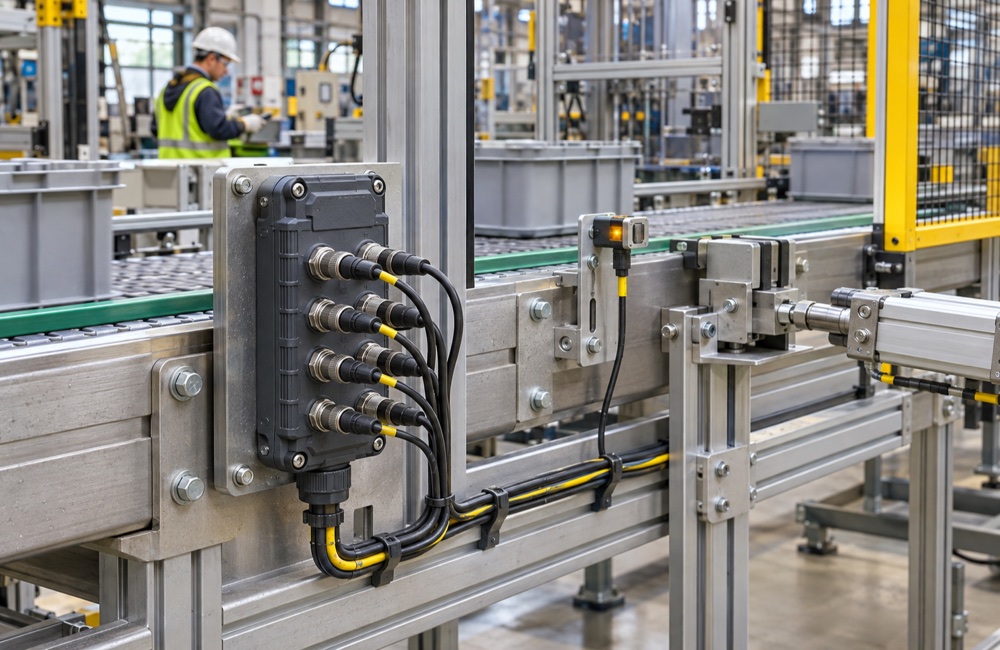
Distributing modules to various points helps make the electrical installation more orderly. Neat wiring allows the maintenance team to locate faults and resolve situations more easily than the traditional system
Supports Industrial Network Systems
Factories can connect the module to existing equipment without having to dismantle or modify the main structure of the production line. Signal transmission through industrial networks helps maintain high system stability even in challenging environments
Supports Smart Factory Technology
New hardware has been developed to support advanced technologies such as ODOT IO Module which focuses on flexibility in digital communication. This level of technology is a crucial foundation for upgrading production lines to fully realized Smart Factories
Advantages of IO Modules
Investing in upgrading the control system with signal input/output modules provides long-term value for businesses. The clear benefits of using high-tech equipment are as follows:
Reduce wiring complexity
Using signal distribution devices helps reduce the amount of main wiring that needs to be run back to the central control cabinet. Designing the system in this way helps contractors save a significant amount of time and installation costs.
Quick status monitoring
The system can clearly and accurately display the operating status of each machine connection port. Having accurate information helps the engineering team analyze the cause of malfunctions and resolve them within a short period of time.
Save installation space
The industrial module is designed to be compact with a variety of installation options. Saving space inside the control cabinet helps improve air circulation and heat dissipation.
Easy maintenance
Maintaining a modern modular system is clearly faster than traditional wiring systems. Replacing faulty parts can be done immediately by simply unplugging the connector without having to reroute the wiring.
Convenient system expansion
If in the future the production line needs to add sensor installation points, you can connect a new module to the main network immediately. Expanding the system's capabilities can be done independently without the need to run additional large cables.
How to Choose IO Modules
Defining the equipment specifications accurately from the beginning of the project helps the system operate seamlessly. The SCMA expert team recommends the following checklist for purchasing considerations:
Check the type of signal: Choose the signal type between DI, DO, AI, or AO that matches the switches or sensors on-site.
Select according to the network system: Confirm the protocol used by the PLC, such as the AS-interface or CANopen network, to ensure the module can communicate properly.
Check the working environment: Assess on-site risks to select the IP67 protection level for preventing water and dust from entering the circuit.
Check technical specifications: Calculate the number of signal channels required and check the voltage level to ensure compatibility with the control cabinet.
Guidelines for Selecting a Distributor Partner
Alongside the product specifications that meet industry standards, selecting a technically proficient partner is a key indicator of project success. Additional considerations before making a purchase decision are as follows:
System Integration Capability: Choose a company that has an engineering team ready to provide consultation and design end-to-end solutions
Service Speed: Consider a distributor with branches near the industrial area for quick and timely problem resolution
Global Standards: Invest in equipment from leading brands recognized for durability and accuracy
Comprehensive After-Sales Service: Check whether the distributor offers long-term calibration or maintenance services for measuring instruments
Summary
Understanding the IO Modules system, including its operating principles and maintenance methods, is crucial for preventing machine downtime. SCMA is ready to be your technical partner, supported by high-quality automation technology. If you need precise solutions to improve production efficiency, please contact our engineering team immediately.
Interested in purchasing or consulting via LINE Official: @SCMA
If you want to buy IO Modules, you can purchase from SCMA today!
Purchasing high-quality IO Modules with support from genuine expert teams will help your factory reduce hidden costs significantly. SCMA is ready to provide measurement tools, automation systems, and comprehensive project solutions from design to after-sales service. You can click here to view all our services so that our professional team can help plan and elevate your production line to surpass your competitors.
Frequently Asked Questions
Can IO Modules be used with PLCs from all brands?
If the communication protocol is compatible, these modules can communicate freely with PLCs from different brands Learn more about PLC communication
Can we repair the faulty module ourselves?
The internal circuitry is highly complex, so it is recommended to have it handled by an expert or replace it with a new one to ensure system safety
What is the difference between Digital and Analog signals?
Digital signals have only two states: on or off, while analog signals process continuously changing numerical values, such as temperature
Can modules be installed outside the control cabinet?
It is possible if you choose a model with IP67 protection rating, which is specifically designed to be durable against water and dust in the field environment
In which areas does SCMA provide on-site services?
We have engineering teams available to provide services covering the Eastern Economic Corridor (EEC) and Northern Industrial Parks Visit our homepage