Sudden machine downtime or inability to control production costs are challenges that many factories face. Adapting to a Industry 4.0 system is thus a crucial solution that helps elevate manufacturing processes with SCMA's intelligent technology. As experts in automation systems, SCMA is ready to consult and design suitable solutions. This article will take you deep into the workings, forms, as well as a checklist of steps for upgrading to a Smart Factory to enhance long-term production efficiency.
What is an Industry 4.0 system?
The Industry 4.0 system is the fourth industrial revolution that integrates machines with advanced digital technologies such as IoT devices, artificial intelligence (AI), or cloud computing to create a smart manufacturing ecosystem. These technologies enable machines to communicate, exchange data, analyze situations, and make real-time decisions. This transition helps reduce human errors, increase accuracy, and prepare organizations for global competition confidently (Learn more from IBM).
How the Industry 4.0 System Works
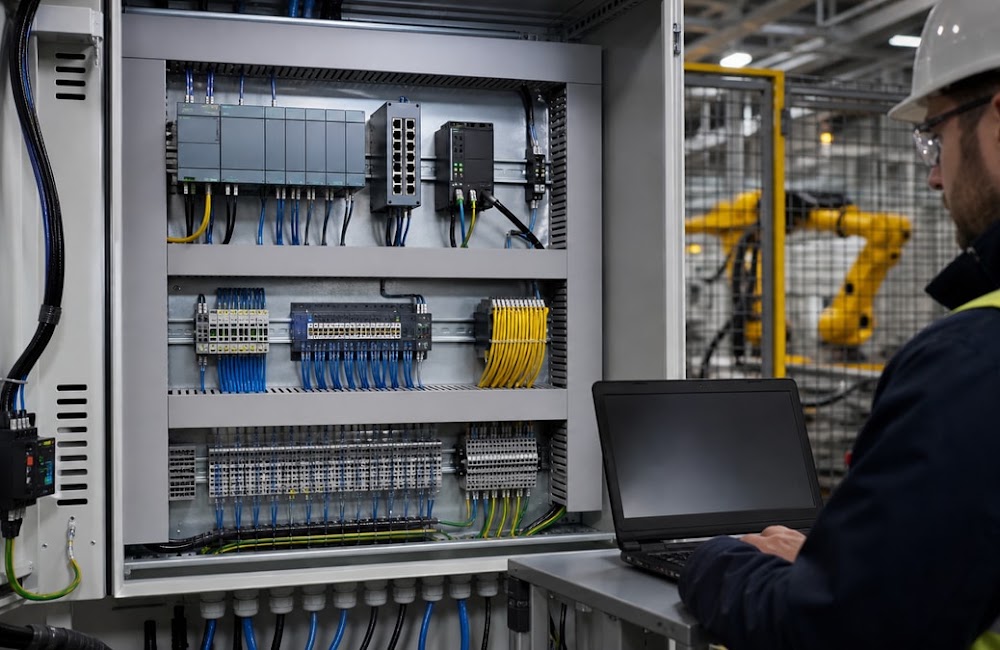
The Industry 4.0 system is driven by the concept of connecting machines, sensors, and operators through an internet network. This process enables real-time decision-making by the system, divided into four key steps.
Data Connectivity and Collection (Interoperability & Data Collection)
Machines and sensor devices connect via IIoT technology to collect all physical data. This includes machine status, temperature, production volume, which is converted into digital data sent to the central system.
Data Transparency
Massive amounts of data from every production point are collected in one place, allowing system administrators to see an overview of all operations in real-time. Advanced data analysis systems use this information to find correlations between events occurring on the production line.
Self-Decision Making (Decentralized Decisions)
In case of anomalies or new orders, AI systems can analyze and make initial decisions immediately without waiting for human commands. Clear examples include adjusting conveyor belt speeds, ordering spare parts in advance, and changing production routes to minimize damage.
Technical Assistance and Automation (Technical Assistance & Automation)
Advanced technologies such as collaborative robots (Cobot) or digital twins help simulate future scenarios. This enables humans to work safely alongside machines, reducing the risk of accidents.
How many types are there in Industry 4.0 systems?
The structure ofIndustry 4.0 systems can be divided into four main types according to the type of technology applied. SCMA aims to integrate these technologies to upgrade traditional factories into fully intelligent smart factories.
Cyber-physical Systems (CPS)
This is a model that combines physical machinery with computer processing systems, enabling sensors, software, and control devices to work seamlessly together quickly and accurately at every step.
Internet of Things (IoT)
The embedding of smart sensors into machines and various equipment within the production area allows IoT technology to facilitate communication, data exchange, and real-time anomaly alerts through wireless networks.
Digital System Resources
Leveraging cloud computing systems (Cloud Computing) for managing large amounts of data, cloud software helps store, process, and analyze all resources, allowing managers to access information from anywhere at any time.
Cognitive Computing / AI Systems
The introduction of artificial intelligence systems to help analyze deep data insights, predict equipment failure trends. The system can learn from past data to make initial problem-solving decisions and reduce production waste opportunities.
Why Use an Industry 4.0 System
The implementation of a Industry 4.0 system is not just about creating a technological image, but it addresses the problem of costs lost due to sudden downtime. From case studies conducted by SCMA's engineering team, our solutions are designed to control these processes concretely.
Real-Time Monitoring (Real-Time Data Connection)
The use of smart sensors combined with IO-Link systems allows operators to monitor machine status continuously. Real-time data visibility is a crucial factor in reducing human error (Human Error).
Predictive Maintenance
Smart systems can analyze vibrations, heat, and initial anomalies ahead of time. This approach helps reduce production downtime (Downtime) and saves on expensive emergency maintenance costs.
Increase Energy Efficiency and Resource Utilization
The installation of standard industrial equipment such as sensors from the ifm brand allows factories to accurately control water, electricity, and compressed air usage. This leads to reduced production costs and decreased environmental waste emissions.
Upgrade to a Sustainable Smart Factory
Investing in network solutions with AS-interface helps reduce the complexity of wiring in the factory. A well-structured setup also makes future system expansion or adding new machinery easier, saving long-term budget expenses.
Using Industry 4.0 Systems
Based on the experience of SCMA's engineering team, successfully applying an Industry 4.0 system requires a step-by-step planning process. We use clear working processes to transform existing factory systems into digital ones.
Evaluation of Current State (Assess Current State)
Engineers will inspect the readiness of electrical systems, network structures, and the potential of existing machinery. The team will analyze urgent areas that need improvement to prioritize hardware investments accurately.
Data Collection
The installation of sensors and measuring devices on target machines is carried out to collect basic numbers and data covering actual production rates (Output) and working cycle times (Cycle Time), creating a database for analysis.
Connecting Machines with Smart-Box (Machine Connectivity)
We use upgraded equipment such as the Smart-Box to extract data from older machines without digital ports. This technology sends information up to a Cloud system, allowing real-time tracking without discarding existing machinery.
Data Analytics
The insights collected are processed through software to determine the overall efficiency of machines (OEE). This analysis helps identify primary causes of downtime and accurately plan predictive maintenance.
Training Staff (Training)
Advanced technology must be driven by users who understand the system SCMA. Emphasis is placed on training employees, maintenance staff, and engineers to properly manage basic measuring equipment.
Steps to Transition into Industry 4.0
Moving from a traditional factory to a digital system requires vision, strategic planning, and gradually selecting technologies that fit the organizational structure for sustainable results.
Evaluate Current Status
The process begins with analyzing the organization's readiness in terms of existing technology, employee skills, budget structures. Understanding the current state of the factory helps management plan a safe path forward.
Set Vision and Goals
Management must clearly define transition goals such as reducing downtime by 15% within six months, increasing production volume, and reducing waste. Setting measurable targets helps frame the work for engineering teams.
Select Suitable Technologies
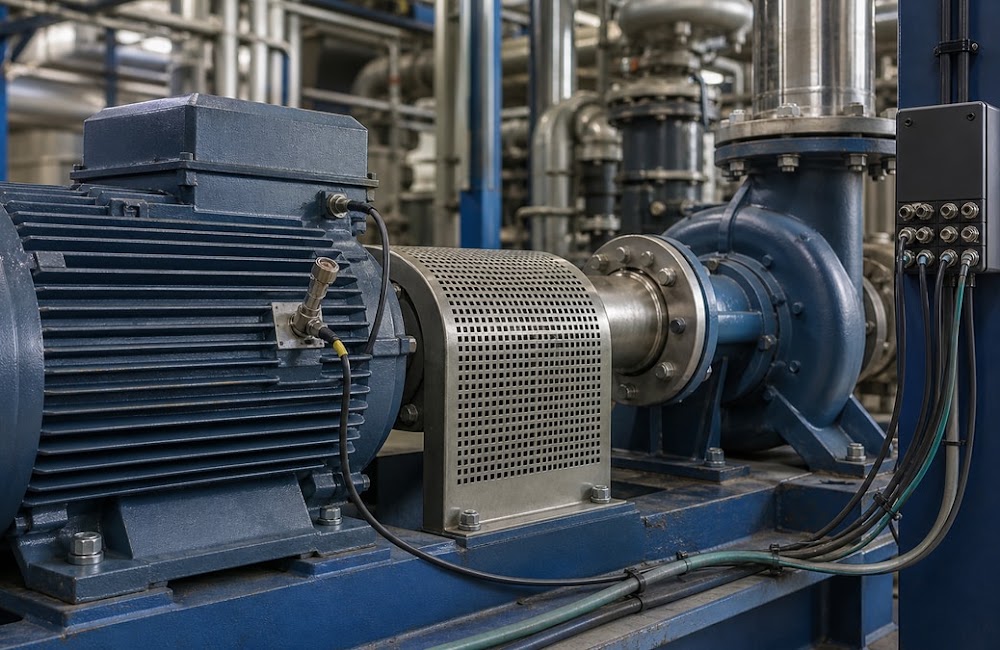
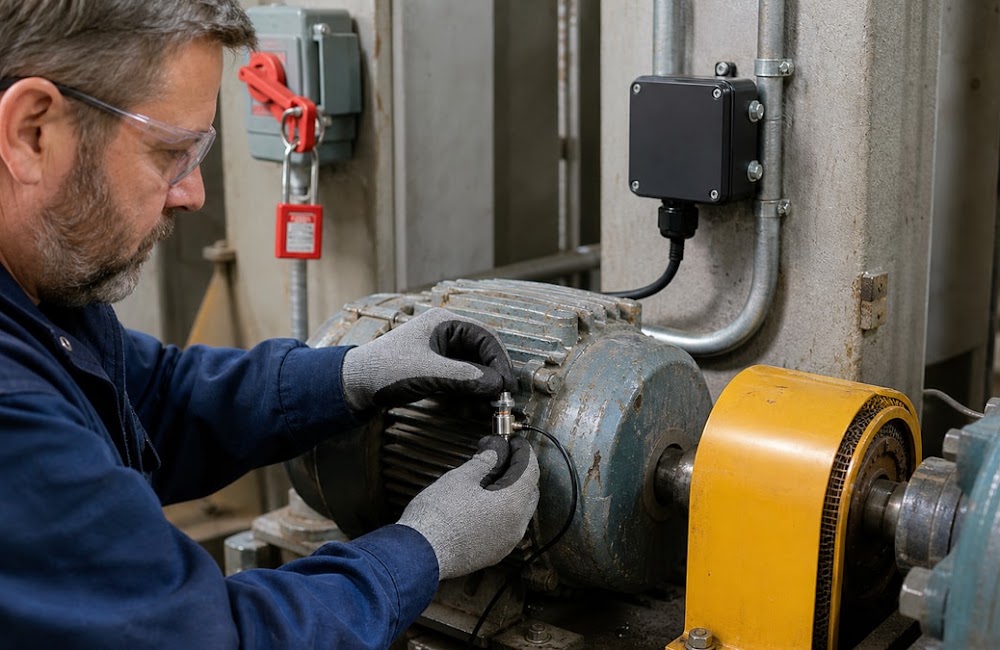
A tip from real-world experience is to apply technology to solve small issues that have a clear positive impact (Quick Win), such as installing vibration sensors on main motors. Once good results are seen, gradually scale up the project.
Adjust Systems and Train Staff
The organization must adapt its processes to accommodate hardware installations. Regular training for teams helps reduce concerns and change employee attitudes towards working with new software formats.
Monitor and Measure Results
Use dashboard data from the system to compare against set goals. Continuous evaluation of results allows managers to improve processes, address issues, ensuring maximum return on investment.
How to Choose an Industry 4.0 System
The decision to invest in upgrading production processes requires selecting standard equipment that is compatible with existing infrastructure and has expert support. These considerations are the key factors before purchasing a Industry 4.0 system for maximum efficiency.
- Evaluate primary readiness goals: Review the current electrical systems, machinery in use, define clear problem statements such as reducing machine downtime, monitoring production through monitors.
- Select communication systems that reduce costs: Technology like AS-interface (AS-i) is a crucial aid in simplifying sensor wiring, saving material costs and quickly repairing damaged points.
- Upgrade old machinery with add-on devices: Devices such as the Smart-Box can extract status values from older machines into digital systems, saving large investment sums instead of buying new machines.
- Select high-performance industrial sensors: Consider accurate and durable IoT sensors for harsh environments, such as ifm brand products to measure vibration, temperature, flow rates accurately.
- Consult experts for system design: Automation systems have unique complexities. Consult engineers from SCMA for tailored Project & Solutions that fit the production line characteristics of your factory.
Enhance Production Capabilities with International Standard Equipment
Building a industry 4.0 system that is stable requires the use of durable hardware and measurement tools in production environments to continuously transmit data.
- Select Leading Global Brands: Sensor equipment from brands such as ifm, KYORITSU, Guide Sensmart are primary choices trusted by factory engineers for continuous operation.
- Cover All Measurement Solutions: Consider distributors that offer a full range of industrial technology products, from thermal imaging cameras, electrical measuring instruments to pneumatic systems.
- Durability in Environmental Conditions: Factory IoT devices must withstand heat, humidity, vibration, and dust according to strict international IP standards.
- Industrial Network Connectivity: Measurement tools need to support high-speed communication protocols such as IO-Link for seamless data exchange with the central system.
- Calibration Services for Accuracy: Good sensors must be easy to maintain along with calibration services (Calibration) to ensure that the data sent into the processing system is accurate and true.
Summary
Moving an organization towards a industry 4.0 system is a key strategy to solve traditional production problems, transforming ordinary machines into massive data reservoirs leading to long-term capacity enhancement and cost reduction. As experts in measurement tools and automation technology, SCMA stands ready as your technical partner, designing precise solutions to elevate your business to true international standards.
If you want to use Industry 4.0 systems, SCMA is available today!
If your factory is facing issues with machines stopping unexpectedly without knowing the cause, or if you have plans to upgrade production processes with Industry 4.0 systems, our team of engineers from SCMA are ready to visit and assess initial readiness. We provide services covering everything from system design (Projects & Solutions) to comprehensive installation of calibration equipment. SCMA has branches providing support in the Northern Industrial Estate Lamphun, Eastern Economic Corridor (EEC) Chonburi area, to closely handle on-site issues. Contact our engineers to start a safe transition immediately.
Frequently Asked Questions
Is Industry 4.0 suitable for small businesses?
Very much so. Small businesses can start with installing specific sensors at bottlenecks in production without needing to invest in a complete system overhaul.
How long does it take to turn a factory into a Smart Factory?
The duration depends on the size of existing infrastructure and complexity of machinery. Generally, a pilot project may take about 1-3 months to see initial results.
Can old machines connect to IoT systems?
This is possible through the use of Smart-Box devices installed alongside existing machines. These devices collect operational status data and send it directly to the dashboard.
Which technology is most important for starting an automation system?
Sophisticated IoT sensors are the core component that starts the process of collecting physical machine status data, which is then passed on for further analysis by the system.
What types of after-sales services does SCMA offer to customers?
We provide a service ecosystem covering maintenance, calibration tool support services, and technical support from experienced engineers to ensure smooth operation of the systems.