
Are you facing high production costs or a shortage of personnel on the production line? Investing in factory automation systems is the most suitable solution in the era of Industry 4.0, with SCMA ready to be your consulting and design partner for comprehensive factory automation solutions. This article will introduce you to how these systems work, their benefits, as well as a checklist for choosing before making an investment.
What is a Factory Automation System?
What is a Factory Automation System?
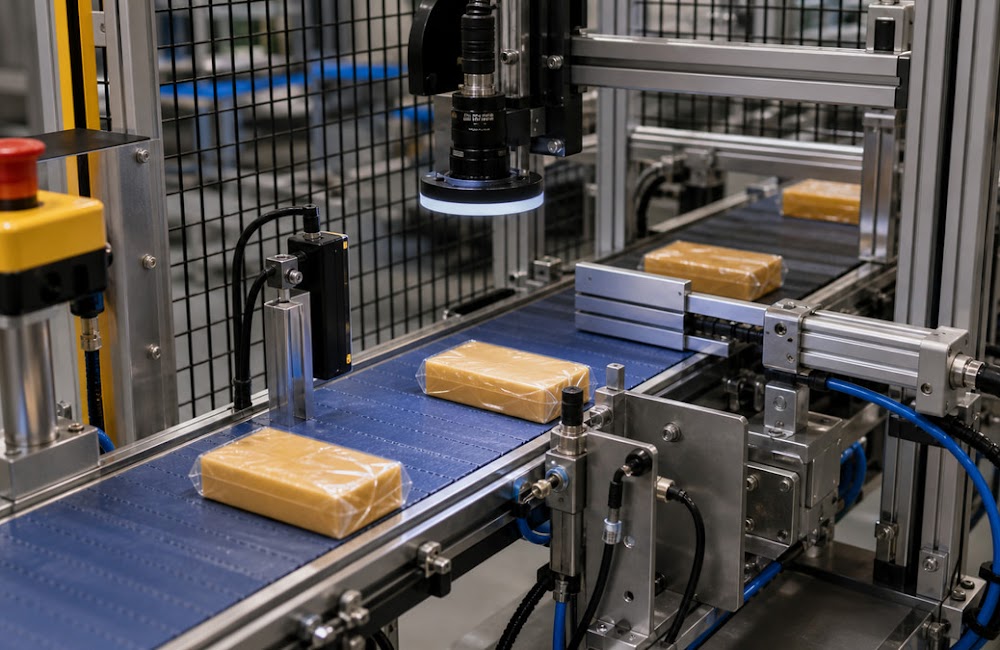
A factory automation system involves using technology, machinery, sensors, and computers to control and automate production processes. This reduces human intervention or oversight, leading to higher process stability. Factory automation solutions operate through three main components: Sensors for data collection, which are then processed by a Controller before instructing an Actuator to take action.
How the Factory Automation System Works
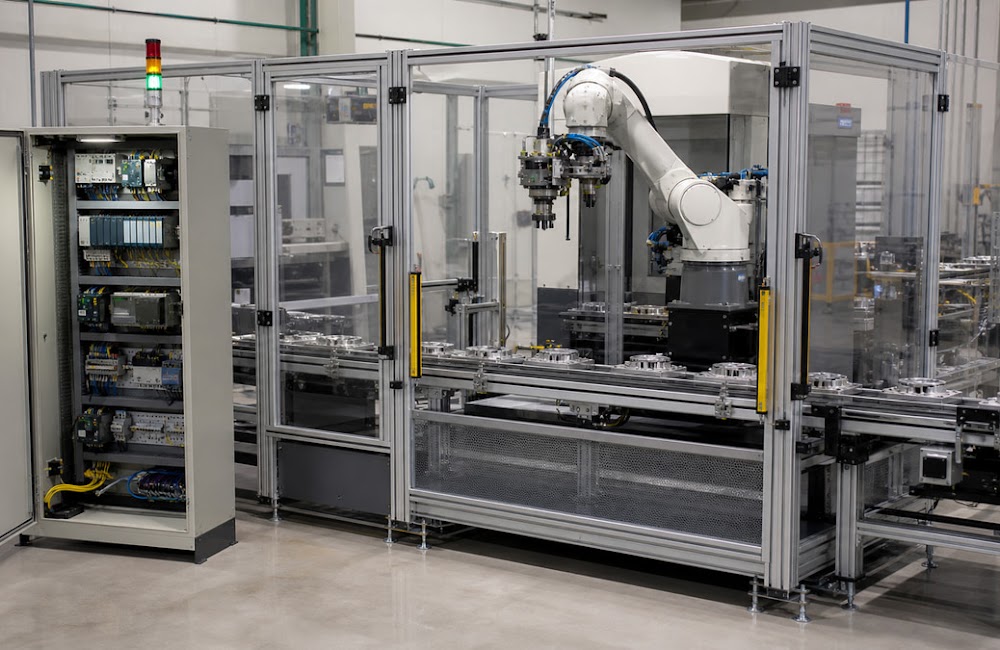
Understanding how it works is a crucial foundation before deciding on factory automation system solutions to apply in production lines. Based on the experience of the SCMA engineering team, we break down the main functions into three steps as follows:
1. Data Acquisition (Input / Sensing)
Sensors act like eyes that detect various statuses during the manufacturing process of factory automation systems. These devices measure temperature, pressure, distance, and count workpieces. Industrial sensors can also accurately detect abnormalities in products.
2. Data Processing (Processing)
Data from sensors is sent to smart controllers like PLCs for analysis. Good factory automation system solutions can quickly make decisions based on pre-set programs, operating flawlessly according to the logic designed by engineers.
3. Control and Execution (Control / Actuation)
Once processing is complete, the controller sends electrical signals to control end devices for movement. Factory automation systems will control motors, valves, or industrial robots, driving production lines forward without interruption according to scheduled cycles.
How many types of factory Automation systems are there?
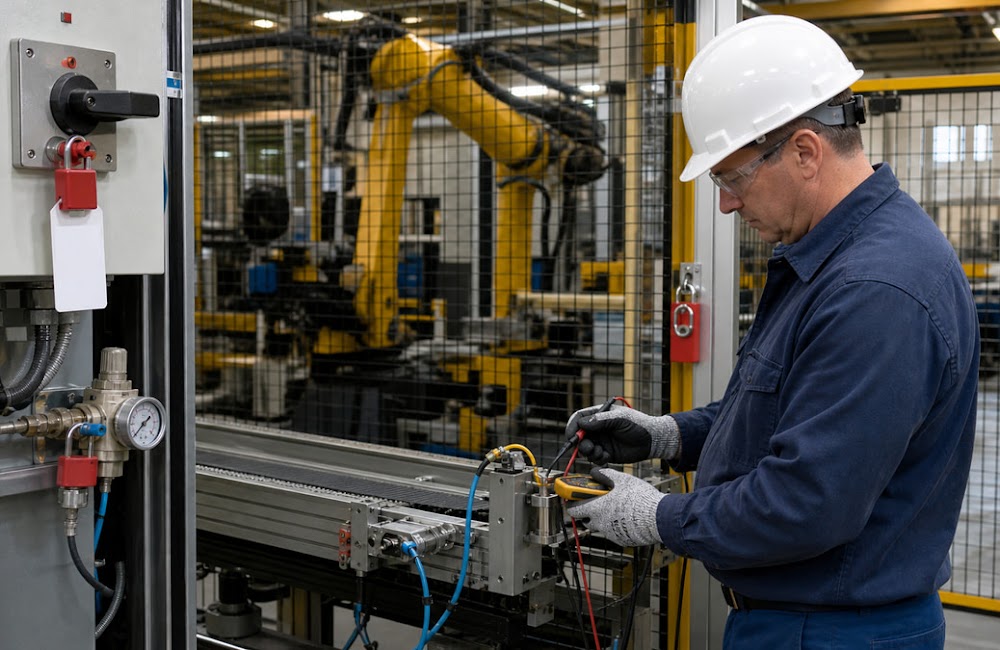
Different production methods require different management approaches, and factory Automation systems are therefore categorized based on their functionality to meet the needs of various industries in 4 main categories.
1. Hard Automated Systems (Fixed Automation)
This is an Automation system solution for factories designed specifically for repetitive tasks. This type of system is ideal for producing large quantities of a single product model, such as automotive assembly lines that require high-speed production.
2. Programmable Automated Systems (Programmable Automation)
This system offers an increased level of flexibility, allowing users to change the program settings according to their needs. Factory Automation systems in this category are suitable for large batch production with various product models. Users can reset configurations when new product lines enter the manufacturing process.
3. Highly Flexible Automated Systems (Flexible Automation)
The flexible factory Automation system solution allows for quick adjustments to both production processes and product designs, enabling continuous operation even with frequent changes in product types. This is ideal for factories that need to produce a variety of products in moderate quantities efficiently.
4. Integrated Automated Systems (Integrated Automation)
This represents the pinnacle of factory Automation systems, integrating machines, processes, and data into an organizational management system comprehensively. This technology encompasses every aspect from design to production and storage, marking a true step towards Industry 4.0 smart factories.
Why Automation Systems are Necessary for Factories
In an era of high competition, factory automation solutions have become the key to unlocking business potential. The main reasons why this technology has become essential are as follows:
1. Increase Output and Speed
Machines in a factory automation system can work continuously for 24 hours without needing breaks. Utilizing technology thus helps to significantly increase production volume, working faster than relying solely on human labor.
2. Maintain Consistent Quality Control
The use of factory automation solutions reduces errors caused by human fatigue (Human Error). Precise processes result in every product meeting the same standards, allowing factories to tangibly reduce waste in production lines.
3. Address Labor Shortages
The industrial sector is facing a shortage of skilled personnel. Factory automation systems come in to replace lost manpower, enabling businesses to continue expanding their production capacity without interruption.
4. Enhance Workplace Safety
Working with chemicals or large machinery can pose dangers to employees. Factory automation solutions bring robots into handling high-risk tasks instead, elevating workplace safety standards to international levels.
5. Drive Business with Data (Data-driven)
New-generation factory automation systems can connect sensors to collect real-time production data. Managers can analyze this information to improve operational efficiency and accurately predict maintenance needs.
Factory Automation System Usage
From case studies conducted by SCMA, the application of factory automation system solutions can take on various forms. Common applications seen in industry include:
1. Machine Control Systems
The use of PLC as the control brain is the core of a factory automation system. This technology helps to precisely control production processes, enabling quick and seamless coordination. Factories can operate without constant human supervision.
2. Quality Control (QC)
The use of advanced sensor technology in factory automation systems allows for the detection of defects in workpieces. The system automatically separates non-conforming products, significantly reducing the rate of defective items reaching customers.
3. Material Handling and Logistics
Many factories use factory automation systems in the form of conveyor belts or AGV/AMR robots to move raw materials between production stations instead of people. Using robotic transport increases safety and reduces workplace accidents.
4. Warehouse Management (WMS)
Connecting data with inventory management systems is another highly effective factory automation system solution. The system automatically records stock entry and exit when passing through sensor points, allowing factories to accurately reduce errors in stock counting.
5. Predictive Maintenance
The use of factory automation systems alongside vibration measurement sensors enables real-time assessment of machine condition. Maintenance teams can plan repairs proactively before machines unexpectedly shut down, preventing severe damage to overall production processes.
Benefits of Factory Automation Systems
Investing in upgrading production processes yields worthwhile returns. The primary benefits that business owners will receive from using factory automation solutions are as follows:
1. Overall Increase in Production Efficiency
The factory automation system enables machines to operate at full production capacity continuously, increasing the volume of products produced within a shorter timeframe. Businesses can respond promptly to market demands.
2. Elevate Product Quality to Standard Levels
Eliminating human fatigue variables allows factory automation solutions to maintain consistent production standards. Every item is highly accurate and meets all specified specifications, significantly enhancing brand credibility with customers.
3. Sustainable Long-Term Cost Reduction
Although installing a factory automation system requires high initial investment costs, the long-term results will substantially reduce labor expenses. Organizations can address skill-specific workforce shortages sustainably.
4. Reduce Downtime
The factory automation solution streamlines repetitive processes to be more efficient. Data integration also helps shorten lead times. This technology effectively prevents downtime losses when machines malfunction.
How to Choose an Industrial Automation System for Your Factory
Making a technology investment requires careful evaluation by a team of experts. If you are looking for factory automation solutions, consider the following selection principles from SCMA:
- Start with a detailed assessment of bottlenecks in your current production process to identify the most cost-effective areas for investment.
- Consult an expert in industrial automation systems to analyze requirements and design a system that meets your needs precisely.
- Select a pilot project in one production line to evaluate results before full-scale implementation.
- Consider working with knowledgeable distributors like SCMA, which offersa wide range of industrial products.
- Choose high-quality equipment from leading global brands such as IFM automation sensors for long-term durability.
- Take into account after-sales service, calibration work, and easy-to-reach technical support teams to continuously maintain your system.
Summary
Factory Automation Systems are crucial tools that help reduce costs, increase productivity, solve labor issues, and drive industrial progress. If you are looking for factory automation solutions that meet real-world needs, SCMA is ready to be your trusted partner. We provide consultation, system design, and high-quality equipment procurement services to ensure your success.
Contact SCMA today for your factory automation needs!
Hiring a technology consultant with expertise will make the transition to smart factories smoother. SCMA is a leader in measurement tools, testing, and designing factory automation solutions. Start confidently towards Industry 4.0 bycontacting our SCMA engineering team for consultation immediately.
Frequently Asked Questions
Is Automation suitable for small businesses?
Absolutely applicable, small businesses can start with pilot projects to address the most critical bottlenecks before scaling up.
Is maintenance of the system difficult?
Maintenance is made easy through real-time anomaly alert data analysis. If high-quality equipment from leading brands is chosen.
How long does it take to recoup investment (ROI)?
The timeframe depends on the project size, generally factories see clear results in terms of reduced waste or increased output within the first 1-2 years.
Will existing employees be affected?
The automated system helps manage dangerous or repetitive tasks. Existing staff can develop skills to control and oversee higher-level systems.
Which areas does SCMA provide services for?
The company has branch offices providing comprehensive service coverage in major industrial zones, including the Eastern Economic Corridor (EEC), Northern Industrial Estate, as well as suburban areas.




