Is your factory facing production disruptions or inconsistent quality control issues? Implementing a Automation System can provide a sustainable solution to these problems. SCMA Co., Ltd., as experts in measurement and testing equipment, offers precise solutions. This article delves into the workings of an Automation System, including guidelines for selecting an Automation system to maximize production control.
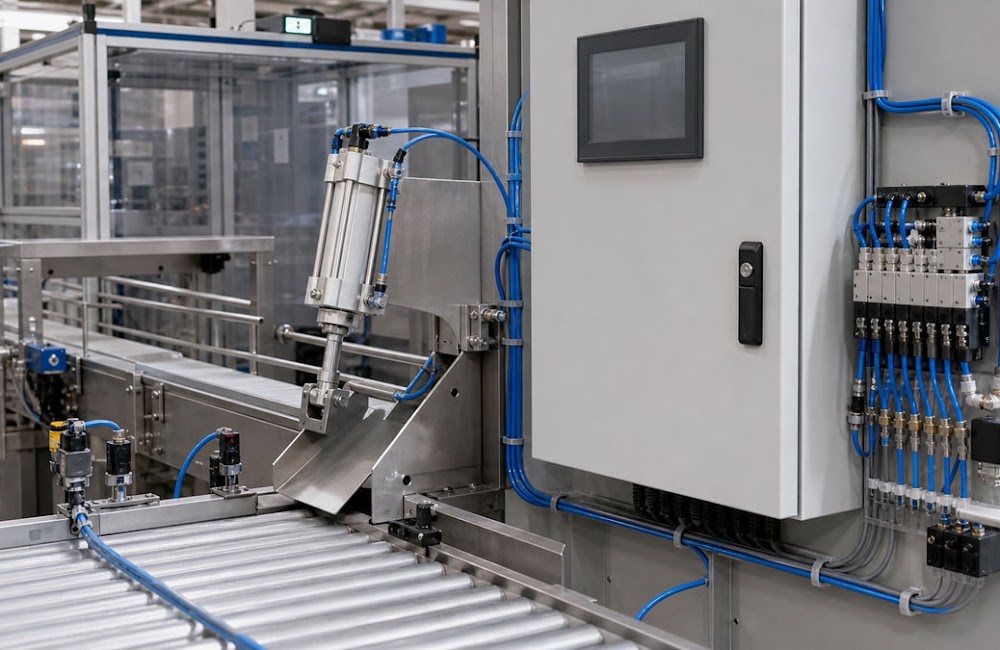
What is an Automatic Control System?
The Automation system from SCMA is designed to enhance industrial factory efficiency by integrating technology, measurement tools, sensors with leading controllers to reduce human labor. The operation of this Automation System enhances the accuracy in controlling production processes perfectly, making Automation Systems a crucial component of the new industrial revolution.
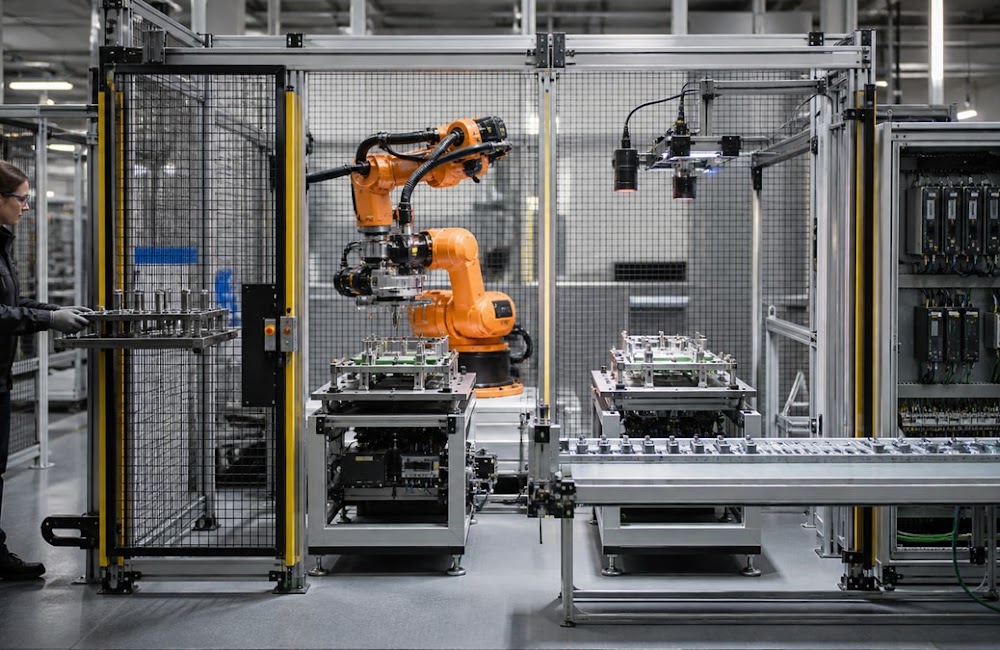
How the Automatic Control System Works
The operation of the Automatic Control System relies on receiving data from sensors installed at the site, passing it to the main processor for analysis and issuing commands to control the movement of machinery at the destination. This Automation system can evaluate and correct errors in real-time, allowing the automatic system (Automation) to continue production processes smoothly without interruption as per the programmed settings (How an Automatic Control System Works)
How many types of automation systems are there?
To enable operators to choose an appropriate system for controlling the production line, it is essential to understand the types of automation systems. According to industry standards, Automation Systems are primarily divided into 4 categories based on their flexibility as follows:
Fixed Automation (Fixed Automation System)
This fixed system is designed to control a single rigid production process and is particularly suitable for continuous mass production, such as automobile assembly lines or bottling plants that use Automation Systems to reduce working time.
Programmable Automation (Programmable Automation System)
Machines in this group can change the sequence of operations and reprogram according to requirements. Using such an automation control system meets the needs of producing diverse product batches, thereby increasing production flexibility.
Flexible Automation (Flexible Automation System)
This model has been developed from programmable systems to allow immediate changes in production formats without long machine downtime. This flexible automation system responds promptly to the continuous changing orders for various product specifications.
Integrated Automation (Integrated Automation System)
This is a comprehensive automation system that connects machines, computers, and robots together to work collaboratively through an intelligent network (Smart Factory). Integrating all automation control systems provides management with a clear overview of the factory's operations.
Maintenance of the Automatic Control System
Proper maintenance of the Automatic Control System helps prevent damage, reduce production line downtime, and extend the lifespan of Automation system equipment. Maintenance can be categorized to control efficiency as follows:
Predictive Maintenance (Preventive Maintenance - PM)
Scheduled checks at regular intervals such as weekly, monthly, or annually are the core of preventing damage before it occurs in an Automatic Control System. The SCMA engineering team recommends adhering strictly to a schedule to maintain system stability.
Corrective Maintenance
This process involves repairing or replacing equipment when sudden failures occur. Having spare parts for critical components of the automatic system will help reduce downtime losses when faced with emergencies in the factory.
Condition-based / Predictive Maintenance
The use of sensors to analyze on-site data helps predict damage and plan maintenance accurately. Advanced Automation systems will immediately signal anomalies, allowing operators to control situations before they escalate.
Checking the Controller Functionality
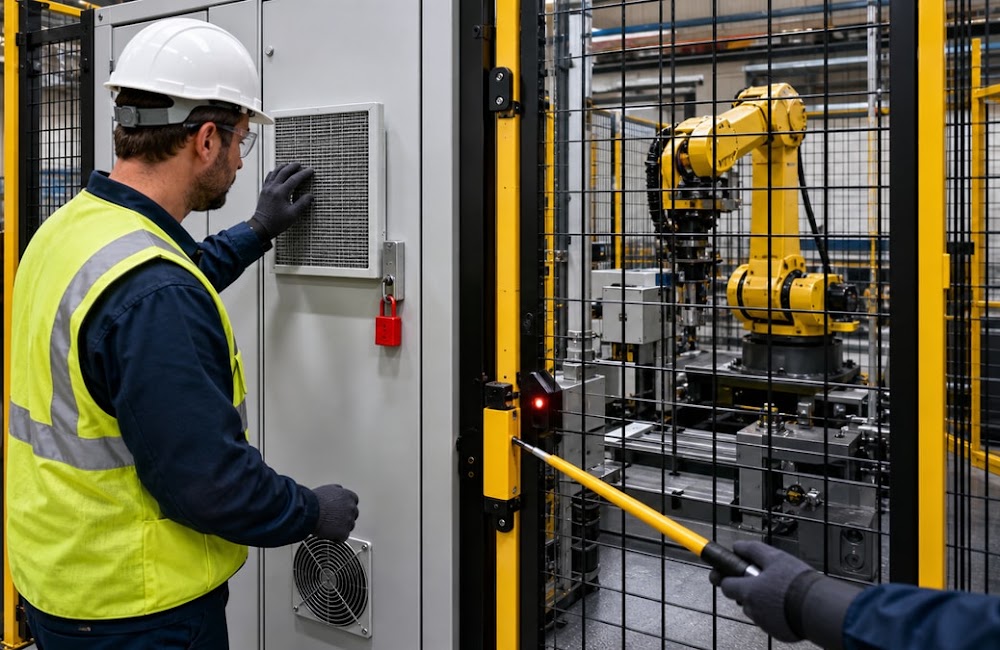
Users must regularly check the status of warning lights on main processors such as the PLC (Programmable Logic Controller). Always update system program backups, and cleaning control cabinets to prevent dust accumulation and overheating is a basic standard that cannot be overlooked.
Safety System Testing
Testing the functionality of emergency stop systems, detection sensors, various alarm systems, etc., to ensure they are in working condition is an essential requirement. A good Automatic Control system must effectively protect personnel from danger under all operating conditions.
Usage of the Automatic Control System
The application of Automatic Control Systems (Automation) from SCMA focuses on using technology to replace repetitive labor for increased safety. The main components in the operation of an Automation system start with signal transmission, measurement, and processing according to the following steps.
Sensing Devices (Sensor & Transmitter)
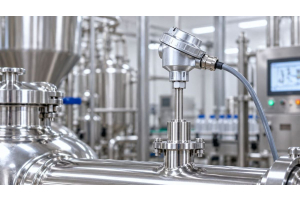
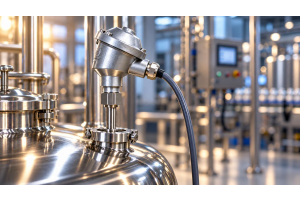
Sensors act as sensory organs collecting environmental data such as temperature, humidity, water level, pressure, then converting it into electrical signals sent to the controller. The quality of these devices directly affects the accuracy of the entire automatic control system.
Control Unit (Controller)
The microprocessor processes data by receiving information from sensing devices and comparing it with pre-programmed standard values. It then sends command signals to control end equipment according to the conditions set in the automatic control system.
End Equipment (Actuator)
This part receives commands from the Controller to change actual working status, such as opening or closing valves, instructing conveyor belt motors to move, switching on and off heaters. This completes the full operation of the Automation system.
Benefits of Automated Control Systems
Automated control systems that are properly designed will help elevate production capabilities beyond competitors in the market. Using high-quality Automation system solutions from SCMA, which provides comprehensive engineering services, offers the following key benefits.
Precise Machine Control
The smart controller helps machines operate smoothly with high precision in every production cycle. Standardized automation system settings will reduce product quality variance, resulting in customers receiving products that meet specifications perfectly.
Error Reduction and Cost Savings
Implementing a control automation system helps address labor shortages and prevents errors caused by human fatigue. This leads to reduced waste on the production line, significantly saving operational costs in the long run.
Safety Enhancement
Integrating with Safety Controllers along with intrusion detection sensors enhances safety standards. Automation systems can immediately stop machines when someone approaches dangerous areas, preventing severe accidents to personnel.
Durability and Extended Lifespan
Premium quality accessories help maintain the environment within the system suitable for machinery. Proper maintenance allows the automation system to have a longer lifespan, reducing machine downtime and quickly recovering investment costs.
How to Choose an Automation Control System
Before investing in technology, evaluating the work site to identify risky and error-prone processes is a proper starting point. Checklist for selecting an Automation Control System to control production includes:
- Analyze Objectives: Clearly define the goals of the Automation System, whether it's temperature, speed, or humidity improvement.
- Select Equipment Type: Choose sensors and processors that match the specifications of existing machinery in the factory.
- Compatibility: Check the software of the automation system to ensure seamless integration with central systems.
- Aftersales Service: Opt for models that come with installation services and consultations from expert engineers to solve on-site issues.
- Budget Cost-effectiveness: Start with a small pilot project to measure the results of waste control before scaling up fully.
Design and Installation Services for Automation Systems by SCMA
Based on our team of engineers' experience at SCMA, we understand the challenges in integrating new technology with existing infrastructure well. Industrial Products. Our services for Automation Control Systems include:
- In-depth Consultation: Assess the readiness of on-site areas to present the most suitable automation system solutions.
- Custom Solution Design: Create models that control production to meet individual customer challenges.
- High-Quality Equipment Supply: Represent leading global brands recognized in the Automation System industry.
- Installation and Calibration: Carried out by skilled technicians for maximum accuracy according to international standards.
Summary
Investing in an Automation System is laying the foundation for long-term success in industrial businesses. Bringing an automation system into production processes helps increase accuracy and efficiently control hidden costs. If you are looking for automation experts who are ready to be technical partners, SCMA is pleased to provide comprehensive consultation on designing systems.
If you want to purchase an Automation Control System, you can buy from SCMA today!
SCMA Co., Ltd. is the leader in distributing testing and measuring equipment, providing one-stop service for designing automation control systems. We have a team of engineers ready to serve from consultation to maintenance services. Click here to see all solutions for Automation Systems to drive and control the success of your business with high-quality automation systems.
Frequently Asked Questions
Is an Automation System suitable for small businesses?
Very much so, you can start with a pilot system to solve immediate problems and clearly save long-term costs.
How long does it take to install an automation system?
The time depends on the complexity of the site. Small projects may only take several weeks for installation and testing.
How do you know which controller to use?
The SCMA engineering team will assess and analyze production processes to select a controller that best supports the number of connection points.
Does SCMA offer training after installation?
We provide seminar training for customer staff to ensure safe and efficient use of equipment.
If the old machinery is very outdated, can it be made into an automation system?
This is possible by installing additional sensors to work with new controllers. Our engineers are ready to consult on feasibility assessments.