Is your factory experiencing issues with pressure drop or abnormal operation of the compressed air system? SCMA is ready to be your technical partner, helping you solve these problems with our comprehensive fluid control valve consulting services. This article will take you deep into everything you need to know about industrial valves, from the principles of operation to how to select them, in order to improve the smoothness of your production line's performance.
What is a Fluid Control Valve?
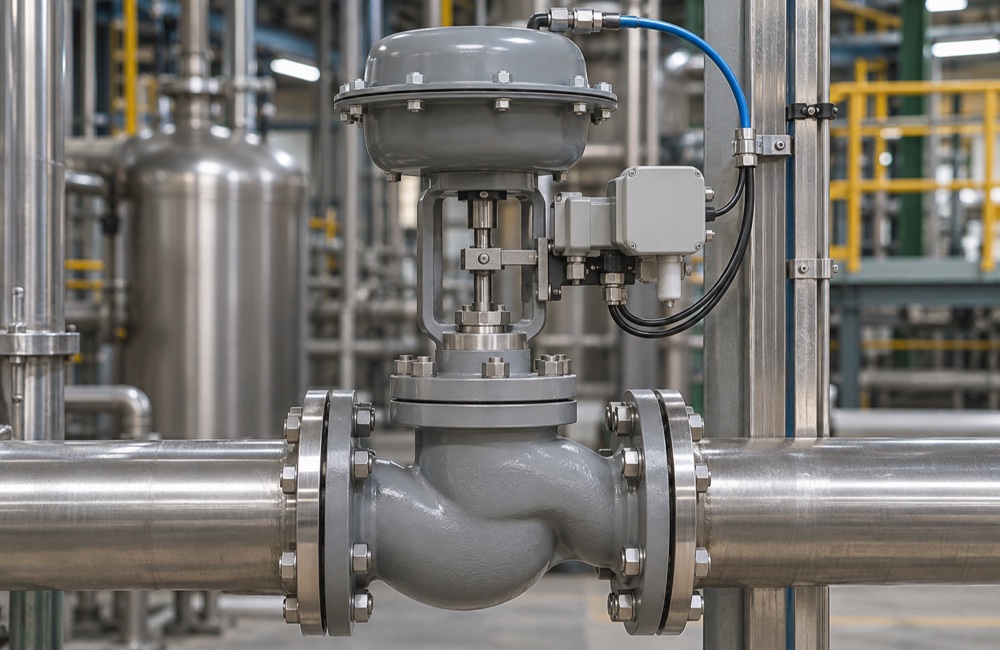
A Fluid Control Valve is a mechanical device that plays an important role in controlling the direction, adjusting the flow rate, or limiting the pressure of liquids, air, or gas within the piping system of an industrial factory. These devices enable machinery to operate systematically according to pre-set commands. According to experts in Fluid Control Valve, this device is the core component in maintaining the balance of all automated control systems.
How Fluid Control Valves Work
The working mechanism of fluid control valves varies depending on the engineering structure of each type. Based on the experience of the SCMA engineering team, we summarize the basic working principles of popular industrial valves as follows:
Solenoid Valve
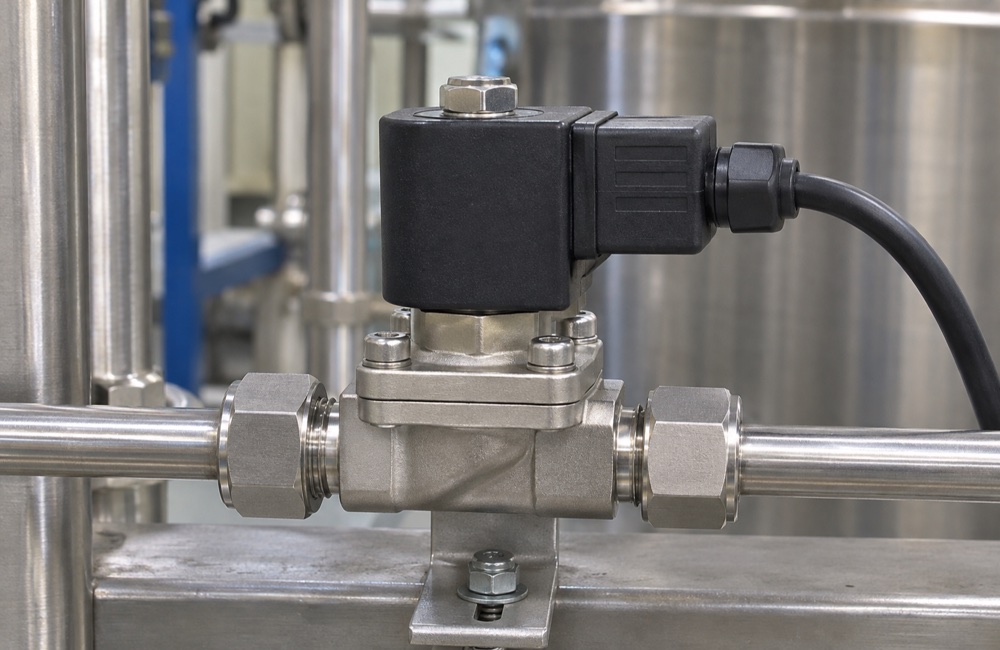
The solenoid valve operates by using electrical energy supplied to the coil winding to create a magnetic field that attracts the internal steel core. This magnetic force lifts the seal or piston to allow liquid or gas to flow through the piping system. When the electric current is stopped, the internal spring pushes the steel core back to its original position to close the valve immediately. Learn more about how solenoid valves work in detail here.
Pressure Control Valve
The main mechanism of this device relies on the balance between the fluid pressure attempting to push the valve disc upward and the spring force pressing the valve disc downward. If the system pressure exceeds the set value, the fluid pressure will overcome the spring force to release the excess pressure. Study more about pressure control valves to ensure safety in the factory.
Directional Control Valve
This type of device uses the sliding mechanism of the spool inside the valve body to open or close the inlet and outlet ports. The position of the spool determines the direction of the airflow or oil flow to the target cylinder. You can view details about directional control valves specifications to use them correctly.

What are the types of flow control valves?
The classification of flow control valves in the industry is mainly based on their functional roles, so that you can use them appropriately. SCMA categorizes the types with the following details:
Directional Control Valve
This type of valve acts like a traffic controller, directing the flow of compressed air or liquid to the machinery according to the planned route. When selecting and using this device, you must consider the number of inlet and outlet ports and the position of operation, such as 3/2, 4/2, or 5/2 configurations. This device is an important component in high-precision pneumatic systems.
Pressure Control Valve
The main function of this type of valve is to maintain the pressure level within the pipeline system without exceeding the safety limit. The device will release excess pressure or keep the inlet pressure constant and stable. Installing a standard pressure control device helps prevent serious damage to expensive machinery.
Flow Control Valve
This device adjusts the amount of fluid mass passing through the system within a specified time. Adjusting the valve opening size directly affects the speed of movement of the pneumatic cylinder or hydraulic motor. Engineers must select the specifications that match the speed of the production line for the best results.
Maintenance of Flow Control Valves
Proper maintenance of flow control valves is crucial for extending their lifespan and preventing machine downtime. The SCMA service team recommends the following preliminary checklist:
Installation and Inspection of Filters
Dust and debris are the main enemies that can cause valve stems to jam or rubber seals to leak. Maintenance technicians must regularly inspect and keep the air filter water trap clean. Maintaining this component effectively reduces the risk of accumulated clogging within the piping system.
Inspect for Leaks at Connections
Even minor leaks at rubber seals or connections can cause massive energy loss if left unattended over time. System operators should regularly inspect the integrity of the equipment. If any leaks are found, they should be addressed immediately to maintain stable pressure.
Listen for Abnormal Operating Sounds
Vibrating or humming sounds from the valve during operation are warning signs of internal issues. This may be caused by a jammed solenoid stem, degraded coil winding, or foreign materials obstructing the mechanism.
Check the Temperature of the Electric Coil
Using your hand to feel or using an infrared camera to check the temperature of the solenoid coil helps prevent electrical short circuits. If the coil becomes abnormally hot, it may be due to voltage drop or the valve being used beyond its specified specifications.
Plan Inspections According to Schedule
Industrial facilities should have a clear preventive maintenance schedule that specifies cleaning and replacement intervals. Following the guidelines in the manual helps reduce the risk of unexpected production line stoppages.
Application of Flow Control Valves in Industry
Flow control valves are applied in all types of industries to precisely command automated systems. The following information is essential for factory engineers to know:
Application of Pressure Control Valves
Petrochemical and food industries choose pressure control valves to maintain the fluid state at the most suitable point. Maintaining constant pressure helps prevent pipe rupture or damage to sterilization systems, which is a highly sensitive process.
Application of Solenoid Valves
The electronics component manufacturing industry commonly uses solenoid valves in conjunction with sensor systems to control part handling. Electric actuation responds within milliseconds, enabling rapid and highly accurate assembly processes.
Application of Direction Control Valves
In the automotive component manufacturing industry, direction control valves are installed to command the cylinder movement of robotic arms used in vehicle structure assembly. Precise changes in air path direction enable the robotic arm to move to target coordinates without error.
Application of Pneumatic Valves
Most packaging machinery systems are driven by pneumatic valves that use compressed air as the primary power source. The advantage of using air is that it is clean and safe from sparks, making it highly suitable for the food industry that requires the highest level of cleanliness standards.
Advantages of Flow Control Valves
Selecting high-quality flow control valves from SCMA provides numerous engineering advantages. We summarize the key features that will elevate your factory as follows:
Fast and Highly Accurate Response
The meticulously designed mechanism allows the valve to open, close, or change the direction of the flow in an instant. This speed helps conveyor systems and machinery work in harmony smoothly, resulting in a clearly noticeable increase in daily production volume.
Enhance Factory Safety
Certain types of valves are built to be explosion-proof, ensuring safety when used in hazardous areas. The reliable overpressure relief system protects employees' lives and company property from unexpected accidents.
Supports Diverse Applications
These devices support various types of media, whether compressed air, clean water, mixed gas, or hydraulic oil. Engineers can apply them to machinery in every department, greatly reducing the complexity of spare parts inventory.
Durable Structure and Easy Maintenance
The design is not overly complicated, allowing technicians to disassemble and clean or replace the rubber seal quickly. The convenience of maintenance helps reduce hidden costs and save the time of the maintenance engineering team.
Expert Consultation Service
When selecting products through a certified distributor, customers will receive in-depth technical support. The engineering team is ready to assess the site to match the valve specifications with the existing machinery, preventing problems where purchased products cannot be installed and used.
How to Choose a Flow Control Valve
Selecting the wrong specification for a flow control valve may cause the system to malfunction and result in a waste of investment. Before making a purchase decision, consider the following checklist together.
Maximum Operating Pressure: Always check the air or water pressure in the system. Choose a valve that can handle a pressure slightly higher than the actual operating pressure for safety.
Temperature and Environment: Evaluate the heat accumulation in the installation area. If the location has high temperatures, select a valve body material and rubber seal that can withstand high temperatures well.
Flow Rate and Pipe Size: Calculate the required flow rate per minute. Choose the appropriate thread size to prevent pressure drop.
Number of Ports and Position: Analyze the pneumatic circuit to determine which type of cylinder needs to be controlled. Select the number of inlet and outlet ports accordingly. For example, choose a 5/2-way valve for a two-way cylinder.
Actuation Method: Choose a control system that matches the machine. For example, use a manual lever, roller mechanism, or electric control to connect with an automatic system.
Precautions for Installing a Flow Control Valve
Along with the purchasing method, the installation process is equally important. If installed incorrectly, the equipment may be damaged prematurely. The main precautions are as follows.
Clean the Pipe Before Installation: Blow out any dust, pipe threads, or tape residue from the system before assembling the valve.
Check the Flow Direction: Always observe the arrow on the valve body. Connect the air inlet (IN) and outlet (OUT) pipes correctly according to the manufacturer's specified direction.
Avoid Over-Tightening the Fittings: Over-tightening the fittings with a wrench may cause the brass or aluminum threads of the valve to crack.
Install in an Accessible Area: Leave enough space around the equipment so that maintenance personnel can easily check or replace the electric coil in the future.
Prevent Moisture from Entering the Electrical System: If using a solenoid valve, ensure that the wiring connection point is well insulated and sealed against water to prevent short circuits.
Summary
Flow control valves are essential components that drive automated systems to operate stably. Understanding the types, operating principles, and how to correctly select them can clearly reduce downtime. If you are looking for high-quality solenoid valves or need expert engineers to help design a fluid control system, the SCMA team is ready to provide you with comprehensive services.
Interested in placing an order or consulting via LINE Official: @SCMA
If you want to buy a flow control valve, you can buy it from SCMA today!
Selecting a technically proficient partner is the starting point of success in improving the production line. SCMA Co., Ltd. (SCMA) is an expert in measuring instruments and automated systems. We provide comprehensive sales services for industrial technology equipment, along with consulting and design services for Project & Solutions by experienced engineering teams. If you are interested in inquiring about product specifications or scheduling a site assessment, please contact us immediately!
Frequently Asked Questions
How does a flow control valve differ from a regular valve?
Flow control valves in factories are designed to support automatic operation via electrical or pneumatic systems. They offer greater accuracy in adjusting direction and are more durable under high pressure than regular household water valves.
What is the average lifespan of a solenoid valve?
On average, high-quality solenoid valves can last 3-5 years or more, depending on the frequency of operation, the quality of the air, and the regular maintenance of the air filter system.
If a solenoid valve becomes excessively hot, how should it be addressed?
Immediately cut off the power supply, then check whether the input voltage matches the coil's specifications. If the power is normal after checking, it may be due to internal valve core friction causing the coil to work too hard.
Is it necessary to use pressure control valves in all systems?
Installing pressure control valves is essential in compressed air or hydraulic systems to prevent pressure surges that could cause pipes to rupture or cause downstream equipment to malfunction.
Why should you choose SCMA valves?
We are not just a distributor, but a partner with engineers who help you select specifications that match the actual on-site conditions Learn more about what a solenoid valve is and see our comprehensive services through our contact channels.