Are you facing inaccurate flow measurement issues in your pipeline systems that are affecting production processes? Selecting a standard Flow Sensor or Flow Meter is crucial to solving this problem. SCMA, experts in measuring instruments and automation systems, provide comprehensive solutions. This article will introduce you to the working principles, types, and guidelines for selecting equipment tailored to industrial applications to truly enhance productivity.
What is a Flow Sensor?
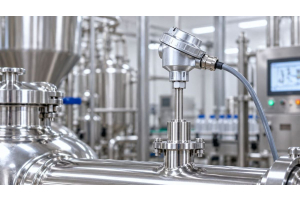
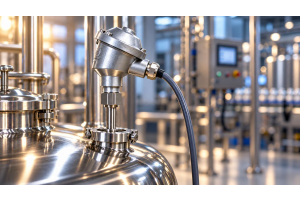
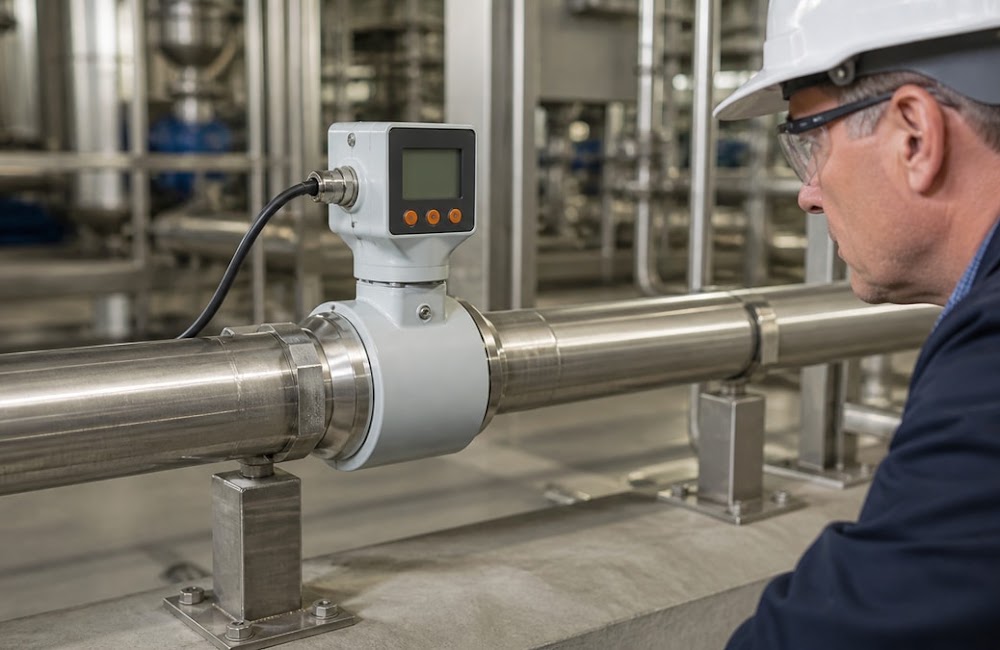
A flow sensor, also known as Flow Sensor and Flow Meter, is an essential device used to measure the volume or mass of fluids such as water, gas, air, or chemicals moving through a cross-sectional area over time. Accurate data from this equipment helps engineers control production processes, reduce energy losses, and prevent potential damage in industrial systems effectively.
How Does a Flow Sensor Work?
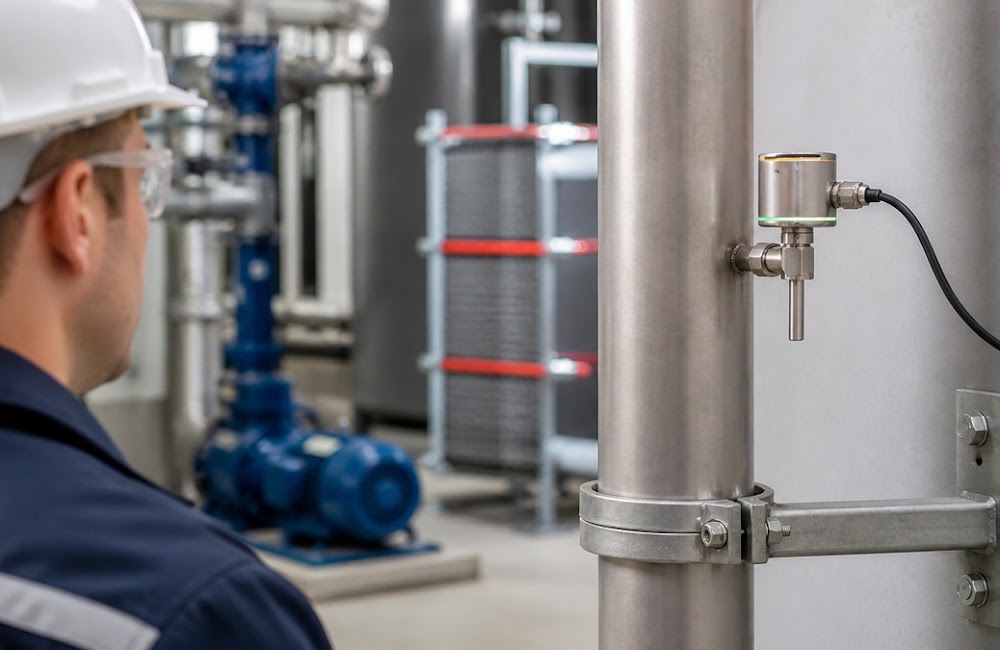
The basic working principle of flow sensors from leading brands distributed by SCMA involves detecting physical changes in liquids or gases moving through specific channels. The device then converts these changes into electrical signals to send to the central control system. This precise operation allows operators to assess water flow rates or other chemicals in real-time.
How many types of flow rate sensors are there?
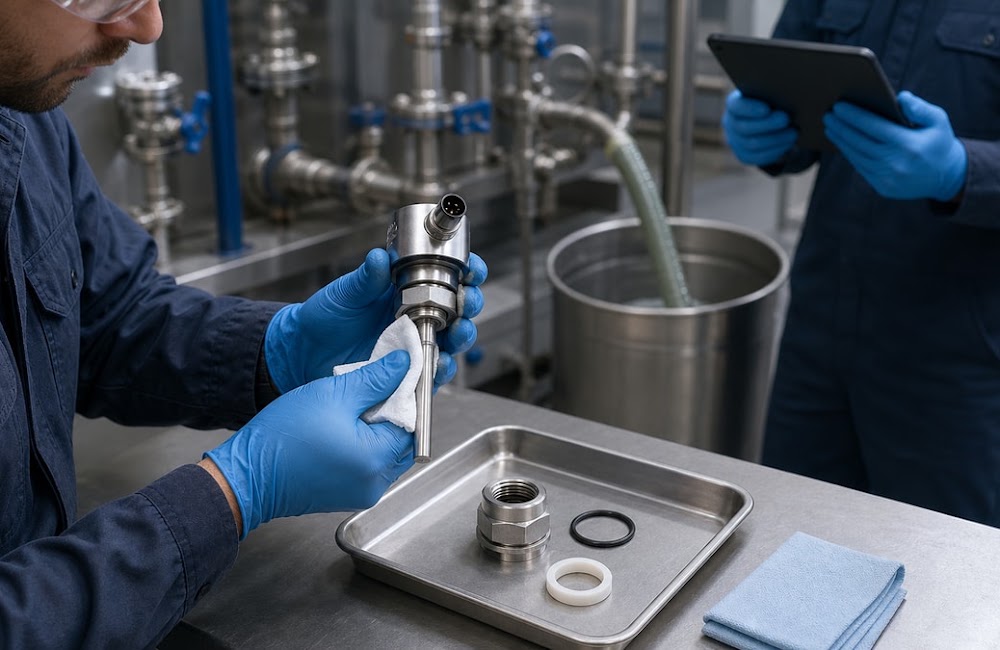
The classification of flow rate sensors in the industrial sector primarily refers to their physical working principles. The SCMA engineering team has summarized six commonly used types as follows:
Magnetic Field Type (Electromagnetic)
This type of meter relies on electromagnetic induction to detect velocity, making it ideal for use as an Electromagnetic Flow Meter in measuring liquids with conductive properties. Its advantages include no internal obstructing parts, thus eliminating clogging issues.
Ultrasonic Type (Ultrasonic)
This system uses high-frequency sound waves transmitted through the pipe to calculate fluid velocity. It stands out for its ease of installation as a clamp-on type outside the pipe, allowing it to avoid disrupting existing piping systems. Suitable for measuring flow meters in closed systems requiring high cleanliness.
Thermal Mass Type (Thermal Mass)
This device measures flow rate by utilizing heat transfer from the sensor to moving fluid, making it suitable for measuring gas mass in factory air systems. It helps control gas supply quantities accurately and provides low error values.
Differential Pressure Type (Differential Pressure)
The principle of operation involves measuring pressure drop when fluid passes through a designed obstruction such as an Orifice Plate. The changing pressure data is used to calculate flow volume, commonly used in production processes that must withstand high temperatures and pressures.
Turbine/Paddle Wheel Type (Turbine / Paddle Wheel)
This mechanism relies on fluid or air pushing a turbine wheel to rotate. The measured rotational speed is directly proportional to the flow rate of the fluid, considered as a basic flow meter that is easy to maintain and offers cost-effective investment.
Vortex Type (Vortex)
The Vortex sensor measures values from the vortices generated behind a resistance bar installed inside the pipe when fluid strikes it. The frequency of vortex generation is converted into volume measurements, suitable for measuring various flow states including steam in boiler systems.
Maintenance of Flow Rate Sensors
Proper maintenance of flow rate sensors extends their lifespan and reduces the risk of production downtime (Production Downtime). The SCMA repair and maintenance team recommends the following important practices.
Inspect and Clean the Sensor
Equipment that comes into direct contact with fluids must be regularly inspected for scale, sediment, or accumulated dirt. Cleaning water flow sensors at specified intervals helps prevent sensor reading errors due to blockages.
Check for Leaks and Connections
Leaks around joints, flanges should be checked, and the condition of wiring assessed. Loose electrical connections or damaged signal lines can cause the main control system (PLC/SCADA) to receive incorrect Flow Meter data.
Regular Calibration
All measuring instruments degrade over time. Calibrating sensors against a certified laboratory ensures accuracy within acceptable limits. SCMA offers calibration services to ensure confidence in every production run of yours.
Protect from Impact and Vibration
The electronic components inside the Flow Sensor are fragile and susceptible to impact. Installation should be avoided at points with excessive vibration beyond standard equipment specifications. If such areas cannot be avoided, additional vibration dampening devices should be installed.
Use Within Specified Parameters
Users must always check system parameters to ensure that temperature, pressure, or liquid properties do not exceed the maximum limits supported by the flow rate sensor model. Operating beyond specifications is a primary cause of premature equipment failure.
Usage of Flow Rate Sensors
The selection of flow rate sensors in the industry varies depending on the characteristics of the fluid and the working environment. Based on SCMA's experience, we have found the following main applications.
Water and Wastewater Systems with Magnetic Flow Meter
Magnetic field type sensors work by emitting a magnetic field through the pipe to induce an electric current, making them ideal for measuring the flow rate of potable water, wastewater, or liquids with electrical conductivity. This system has no obstruction parts.
Pipe System Evaluation with Ultrasonic Flow Meter
Ultrasonic technology that transmits sound waves through pipe walls allows volume measurement without stopping machinery or cutting pipes. It is an excellent flow sensor for assessing HVAC system efficiency or large building water distribution systems.
Detailed Chemical Dispensing with Mass Flow Meter
Industries requiring high precision at the decimal point level choose Coriolis technology to measure fluid mass directly. These sensors provide extremely low error rates, suitable for chemical mixing, food industry applications, and pharmaceutical industries.
Flow Level Monitoring with Variable Area Flow Meter
Floating ball type sensors rely on flow pressure pushing a float up in a vertical clear pipe, allowing operators to read the flow rate immediately from the height level. This is an economical choice that is easy to use and does not require electrical power for display.
Advantages of Flow Rate Sensors
The installation of flow rate sensors selected by SCMA enhances factory efficiency with accurate measurement capabilities for liquids and gases. A variety of models are available, including clamp-on types that do not require pipe cutting for installation. This precise numerical data is crucial for resource management, cost calculation, and timely leak detection.
How to Choose a Flow Sensor
The decision to purchase measurement and testing sensors requires careful consideration of the system's environmental factors to ensure accurate performance and long-term cost-effectiveness. You can use the following 6 criteria:
- Type of Fluid (Fluid Type): Consider whether it is liquid, gas, or viscous fluid. Wastewater suits Magnetic Flow Meter while gas suits Thermal Mass.
- Flow Rate: Check the minimum to maximum flow rate in the system to select a Flow Meter with an appropriate measurement range without causing Pressure Drop.
- Pipe Size and Installation (Pipe Size): Choose the size that matches the pipe flange. If you do not want to cut pipes, use Ultrasonic Flow Sensor.
- Environmental Conditions (Environment): The material of the equipment must withstand the highest temperature and pressure of the fluid to prevent damage.
- Output Signal (Output): Choose a communication system that matches your factory's PLC/SCADA, such as Analog 4-20 mA, Pulse signal, or Digital Modbus communication.
- Accuracy: Chemical dosing work requires accuracy of ± 0.1% to ± 0.5%, while general water pipes can accept up to ± 1% to ± 2%
Why Choose SCMA Services?
In addition to distributing high-quality products, SCMA stands out with a hybrid business model that focuses on truly solving customer problems. We are the technical partner you can trust.
- High Expertise: Our team of engineers is ready to consult, design, and integrate complex systems (Projects & Solutions) for smooth operation.
- Global Leading Brands: We select only flow sensor devices from internationally recognized brands such as ifm to ensure durability.
- Fast and Easy Accessible Service: With offices located in major industrial areas (EEC and North Region), we are ready to respond quickly to on-site factory work.
- Comprehensive Services: SCMA supports you throughout the product lifecycle with after-sales services, calibration works, and standard maintenance services.
Summary
A flow sensor is a technical device that helps industries control production processes, manage resources, and reduce costs efficiently. Choosing the right type of Flow Meter according to the nature of the flow and environment can help minimize downtime caused by system failures. If you need experts to elevate your automation systems SCMA Co., Ltd. is ready to provide consultation and deliver accurate solutions.
If You Want to Buy a Flow Sensor, SCMA Is Ready for Your Purchase Today!
Investing in non-standard measuring tools may lead to significant long-term damage to production lines. Choosing an accurate flow sensor protects your profits and maintains product quality. SCMA is ready to provide all industrial products, along with specialized technical solution services designed by our experienced team of engineers, to ensure you receive technology that directly addresses your needs.
Frequently Asked Questions
What is the difference between a Flow Switch and a Flow Sensor?
A Flow Switch only functions to cut off or connect an electrical circuit when flow reaches a set point, whereas a Flow Sensor measures continuously and sends numerical signals of the flow rate.
Which type of equipment should be used for high viscosity fluids?
It is recommended to use Positive Displacement Flow Meter or Oval Gear Flow Meter as they are designed to withstand high viscosity while providing reliable measurement values.
How often should calibration be done?
In general, it is advised to send flow sensors for calibration at least once a year, or follow the ISO quality system standards set by your organization.
Can sensors be installed near pipe elbows?
It is not recommended to install them near pipe elbows. A straight pipe section should be maintained before and after the installation point as specified in the manufacturer's manual, to reduce swirling water that can cause reading inaccuracies.
Does SCMA offer system control design connected with Flow Meter?
SCMA offers comprehensive design and integration of control systems (Projects & Solutions) to pull data from sensors into the customer's central PLC or SCADA system.