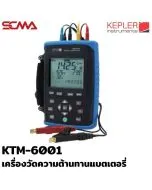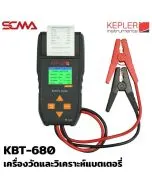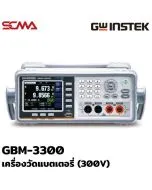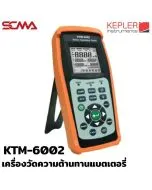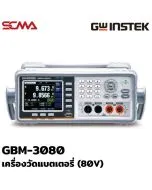

A Battery Tester or battery testing device is designed to measure and evaluate the condition, performance, and lifespan of various types of batteries. It helps users determine whether a battery is still functioning well or needs replacement. A battery tester is crucial in many industries, from automotive maintenance to general household use.
What is a Battery Tester (Battery Testing Device)?

A battery tester (Battery Tester) is an electronic tool designed to check the condition and performance of various types of batteries. This device ranges from basic models that test only charge levels and output voltage, to advanced testers that can analyze charging capacity, lifespan, and detect potential flaws affecting performance and safety. Battery testers are essential for maintaining electrical equipment and vehicle electrical systems, allowing users to know the true state of their battery and replace it before damage or danger occurs.
Battery Tester Types (Battery Testers)
Battery testers come in various types designed to meet different needs, including size, battery type, and usage. From small electronic devices to large industrial and automotive battery testing systems, selecting the right tester will help you accurately assess the status and performance of batteries, which is crucial for maintaining electrical equipment and vehicle electrical systems.
Electronic Battery Tester
Modern digital devices with a clear LCD display that can precisely measure remaining battery capacity. Some models also have the ability to show results in graphs or bars for easier reading and analysis, suitable for those who need detailed information about battery status.
Home Battery Tester
Designed specifically for cylindrical batteries used at home such as AA, AAA, and 9V. Supports a variety of battery chemistries including alkaline, NiCd, and Li-ion. Easy to use, convenient, and affordable, ideal for families who need to check general-purpose devices.
Multi-Purpose Battery Tester
Supports a wide range of battery sizes from small coin cells to industrial batteries. With the ability to adjust settings for each type of battery, it is an excellent choice for inventors, mechanics, or those who use various types of batteries.
Automotive Battery Tester
Designed specifically for automotive lead-acid batteries. Can measure voltage, capacity, and CCA (Cold Cranking Amps), a critical indicator of automotive battery performance, especially in cold weather conditions. Using the right automotive tester can prevent wasted time and money when your car won't start due to a failing battery.
Battery Tester for Small Batteries
Testing small batteries presents unique challenges because their voltage may remain relatively high even when they are nearly depleted, making general multimeter checks inaccurate. A dedicated battery tester for small batteries is designed to address this issue by accurately testing various types of batteries such as 12V, AA, alkaline, and others. A digital battery level meter for small batteries is thus a necessary tool for households looking to save costs and reduce electronic waste by separating usable batteries from those that are depleted.
How Does a Battery Tester Work?

A battery tester works by adding a load and checking the voltage and current of the battery. The principle is not complex - when the electrical contacts of the tester touch the positive and negative terminals of the battery, an electric current is released which the tester measures and displays. The accuracy of the test may vary depending on the type of battery; for example, alkaline batteries often provide more accurate results due to their steady rate of voltage drop, while lithium-ion batteries have a non-linear discharge curve making tests less precise. Therefore, it's important to choose a tester suitable for the type of battery being tested to ensure reliable results.
How to Use a Battery Tester
Using a battery analyzer meter is not complicated, but it's important to start by studying the specific user manual of your model and checking compatibility with the type of battery you want to test. The main steps involve inserting the battery into the tester, ensuring that the positive and negative terminals of both the battery and the tester are correctly aligned, and securing the battery firmly in place. Then read the displayed values. To extend the life of the tester, store it in a cool and dry location, clean it with a clean dry cloth or an electronic equipment-specific cleaning cloth, and avoid using wet cloths to prevent potential damage.
How to Read Voltage Meter Values

Reading values from a voltage meter varies by the model of tester, but generally uses color systems or scales that help quickly interpret results. The green area or high end of the scale indicates that the battery is still in good condition and has sufficient capacity remaining. The middle section of the scale shows that the battery can still be used with low-power devices but should be monitored closely. The lower part of the scale or red zone indicates that the battery has little remaining capacity and should be replaced or recharged soon.
What Should You Consider When Choosing a Battery Tester?
Choosing the right battery tester is crucial for efficiently assessing battery condition. You should consider key features that will help ensure reliable and accurate test results, which can save time and money in the long run, especially for those who regularly work with various types of batteries.
- Accuracy and Precision - A highly accurate tester will provide reliable measurement results that align with the true condition of the battery, particularly important for professional use where dependable data is needed for decision-making.
- Compatibility with Various Battery Types - A good tester should support multiple types and sizes of batteries, both in terms of battery chemistry (such as Li-ion, NiMH, lead-acid) and various sizes (like AA, AAA, 18650, car batteries).
- Data Logging and Analysis Capabilities - This feature is particularly useful for tracking the performance of multiple batteries or analyzing degradation trends. High-end testers may have connectivity to applications or software that aids in data management.
- Safety Features - Circuit protection, overheat prevention, and overload protection are important features, especially when testing large batteries or those at risk of explosion or leakage.
If you are interested in the Battery Tester, you can purchase it from SCMA today!
SCMA is a high-quality supplier of Battery Testers that have received international standard certification. We offer various models to choose from based on your usage needs, whether for household use, automotive repair shops, or industrial factories. Our team of experts is ready to provide consultation and recommend products suitable for your requirements. Additionally, SCMA offers excellent after-sales services including installation, training, and maintenance. Contact us today to receive special offers for new customers!
Summary
A Battery Tester or battery testing device is an essential tool for checking and analyzing the condition of batteries. It helps users accurately assess the performance and lifespan of batteries. Choosing a suitable Battery Analyzer based on the type of battery and intended use will enhance the efficiency of your tests. There are various types of battery testers, ranging from basic models for household use to more complex ones for industrial applications.
SCMA proudly presents high-quality Battery Testers that meet all customer needs, along with expert consultation services and comprehensive warranties. Whether you need a Battery Tester for home, car, or factory use, SCMA has the right choice for you contact us today to find a Battery Tester that truly meets your requirements!
Frequently Asked Questions
What is a battery meter?
A battery meter, also known as a Battery Tester, is used to measure the voltage or remaining energy level in a battery. Battery meters come in both analog and digital forms; analog models use a needle on a dial face while digital ones display results numerically on an LCD or LED screen. A battery meter is useful for checking whether a battery can still be used or if it needs to be replaced.
What should the standard CCA value of a new car battery be?
The standard Cold Cranking Amps (CCA) rating for a new car battery varies depending on the type and model of the vehicle. Generally, it ranges from 350-1000 CCA. The appropriate CCA value for your car is specified in the vehicle's owner manual or on the original battery itself. When tested with a Battery Tester, the measured CCA should be close to the specified value; if it falls below 70% of the specified rating, this indicates that the battery has deteriorated and should be considered for replacement.
How do you check a battery?
There are several ways to check a battery, as follows:
- Visual Inspection: Observe the external appearance of the battery for swelling, cracks, or white residue on the terminals.
- Voltage Measurement: Use a Battery Tester or multimeter to measure the voltage of the battery under no-load conditions.
- Load Testing: Use a Battery Tester with load testing functionality to measure its ability to maintain voltage levels when current is drawn.
- Sulfuric Acid Density Test: For lead-acid batteries, use a hydrometer to measure the density of sulfuric acid in each cell; higher density indicates full charging.
- Internal Resistance Test: Use a tester with internal resistance measurement functionality, which provides more accurate battery condition assessment than voltage measurement alone.
What are the testing standards for batteries?
Commonly used battery testing standards include:
- SAE J537 Standard: Specifies test methods and CCA value identification for automotive batteries.
- IEC 60095-1 Standard: International standard for automotive starter batteries.
- DIN 43539 Standard: German standard for battery testing.
- JIS D5301 Standard: Japanese standard for automotive batteries.
BCI Standard (Battery Council International): Specifies the size, terminals, and testing methods for automotive batteries