
TDS Meters or TDS meters are important tools for checking water quality in both residential and industrial settings. They allow users to quickly and easily assess the level of all dissolved solids in water. In this article, we will introduce you to TDS Meters, their features, how to use them, and the various benefits you can gain from using these devices.
What are TDS Meters?

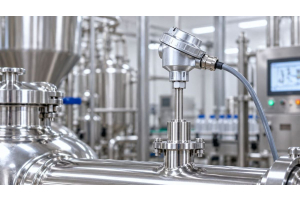
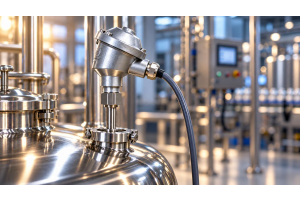
A TDS meter tester orTDS meter is an electronic device used to measure the total amount of dissolved solids in water, including minerals, salts, metals, and various organic substances. The unit of measurement is milligrams per liter (mg/L) or parts per million (ppm). This tool is crucial for evaluating water quality because TDS levels are directly related to water purity and affect all life forms that consume, inhabit, or use water in their daily lives. Using a TDS Meter helps users efficiently monitor and control water quality in residential, agricultural, or industrial settings.
Operation of TDS Meters
A Total Dissolved Solids Meter operates by measuring the electrical conductivity of water, which is directly related to the amount of solids dissolved in it. As more minerals and other dissolved substances are present in the water, its ability to conduct electricity increases. The meter sends a small electric current through the water and measures the resistance encountered. It then converts this conductivity value into units of ppm or mg/L to indicate the concentration of all dissolved solids. Although TDS meters provide valuable information about the total amount of dissolved substances in water, they cannot specify the types or kinds of these substances. Therefore, interpreting measurement results should be considered alongside other tests for a comprehensive evaluation of water quality.
The Benefits of Monitoring
Water quality monitoring is crucial for maintaining safety and hygiene standards in households, industries, and the environment. Systematic monitoring processes allow us to quickly identify issues and take timely corrective actions, preventing long-term health and environmental impacts.
- Evaluation and Continuous Monitoring of Hazard Levels - Ensures that the working environment meets legal standards such as labor ministry regulations on heat, lighting, and noise or international standards from ACGIH, OSHA, and NIOSH.
- Health Risk Assessment - Helps identify whether the levels of hazardous substances in the environment such as dust particles, metal fumes, and chemical vapors are at a level that may affect worker health.
- Development of Pollution Control Systems - Provides necessary information for designing and installing appropriate pollution control systems or evaluating the effectiveness of existing systems for improvement.
- Planning and Preventive Management - Supports the development of effective environmental management plans and policies, including continuous monitoring and control of air quality in workplaces.
Using TDS Meters for Measurement

Measuring water quality can be easily done using a portable TDS Meter to measure the dissolved solids in water. Simply dip the electrode part of the meter into the water you want to test, and the device will display the total amount of dissolved solids in mg/L or ppm (parts per million), which are equivalent units. Generally, safe drinking water should have standard TDS levels not exceeding 500 ppm according to World Health Organization standards. If the measured value reaches 1,000 ppm or higher, it may indicate contamination that requires further investigation.
Guidelines for Using TDS Meters
Using a drinking water TDS meter correctly is crucial to obtaining accurate and reliable measurement results. These devices are designed for easy use, but following the appropriate steps will extend their lifespan and ensure the accuracy of measurements.
- Prepare the Meter and Water Sample - Turn on the meter by pressing the power button, and prepare the water to be measured in a clean container. The water should be allowed to reach room temperature for accuracy.
- Immerse the Sensor Properly - Immerse the sensor tip into the water deep enough to cover the entire measuring section, but do not immerse beyond the specified level to prevent damage to the electronic circuitry.
- Wait for a Stable Reading - Wait approximately 10-15 seconds or until the reading on the screen stabilizes to obtain a steady measurement. Some models may have symbols indicating when the reading is stable.
- Read and Record Results - Read the value displayed on the screen, usually in ppm or mg/L units, and record the result along with the date and time for long-term tracking.
- Post-Use Maintenance - After measurement, lift the meter and gently shake it to remove water. Clean the sensor tip with clean water, wipe dry with a soft cloth, and turn off the meter before storing.
What Should You Consider When Choosing TDS Meters?
Choosing the right TDS meter is crucial to ensure you get a device that meets your needs and provides accurate, reliable measurements. With various models available in the market, considering important factors will help you make an informed and cost-effective decision without overpaying for features you may not need.
- Measuring Range - Choose a meter with a measuring range suitable for your intended use, such as 0-500 ppm for drinking water or 0-5,000 ppm for agriculture and hydroponics.
- Accuracy - High-quality meters should have an accuracy of around ±2-3%, which is sufficient for general use. For applications requiring higher precision, you may need to opt for a model with greater accuracy.
- Calibration - Consider meters that are easy to calibrate and come with standard solutions, which will help maintain long-term accuracy.
- Durability - If you plan to use the meter in various environments, choose one that is robust, waterproof, and impact-resistant.
- Additional Features - Other useful features may include automatic temperature compensation (ATC), the ability to measure electrical conductivity (EC) or pH in a single device.
- Cost-Effectiveness - Consider the balance between price and quality, taking into account how frequently you will use the meter and the importance of accuracy for your specific needs.
If you are interested in TDS Meters, you can now purchase them from SCMA!
SCMA is a high-quality supplier of TDS Meters certified to international standards. We offer various models to suit your specific needs whether for household use, agriculture, or laboratory applications. Our team of experts is ready to provide consultation and recommend products that meet your requirements. Additionally, SCMA offers comprehensive after-sales services including training, calibration, and maintenance, along with warranty coverage on all items to ensure customer satisfaction.Contact us today for special offers on high-quality TDS Meters at unbeatable prices!
Summary
A total dissolved solids (TDS) meter is a crucial tool that allows for quick and accurate water quality testing by measuring the electrical conductivity of water to estimate the amount of dissolved substances present. This device has numerous applications, including drinking water inspection, agriculture, aquaculture, and industry. Selecting an appropriate TDS meter based on your needs, along with proper usage and maintenance, ensures accurate and reliable measurements.
SCMA is proud to be a partner in providing high-quality tools for water quality testing to all our customers. With our experience and expertise, you can trust that we will provide products tailored to your needs along with comprehensive after-sales services. For those who prioritize water quality whether for consumption, agriculture, or industry, SCMA is here to help ensure health and safety through our premium equipment!
Frequently Asked Questions
What does TDS value indicate?
The TDS (Total Dissolved Solids) value indicates the total amount of dissolved substances in water, including minerals, salts, metals, and organic matter that dissolve in water. The unit for TDS is ppm (parts per million) or mg/L. This measurement helps us assess the quality of water initially; for example, high-quality drinking water should have a TDS level below 500 ppm according to the World Health Organization's guidelines. Water with higher TDS levels may taste unpleasant, such as salty or bitter, and could contain harmful contaminants if standards are exceeded.
What is a TDS Meter used for?
A TDS meter is used to measure the amount of solids dissolved in water to check water quality across various applications, such as:
- Checking drinking and tap water quality
- Evaluating the efficiency of water filtration systems or RO (Reverse Osmosis) machines
- Controlling water quality in hydroponic agriculture
- Maintaining the quality of aquarium or swimming pool water
- Checking water used in industrial production processes
- Ensuring the cleanliness of water in boilers or coffee makers
What is a TDS Water Meter?
A TDS meter, also known as a TDS water meter, is an electronic device used to measure the total amount of dissolved solids in water by measuring its electrical conductivity. These meters come in various forms such as portable pen-style, separate digital units, or benchtop models for laboratories. A TDS meter allows us to quickly and conveniently check water quality without sending samples for laboratory analysis, which is very useful for everyday water checks.
How do TDS and EC differ?
TDS (Total Dissolved Solids) and EC (Electrical Conductivity) are related but distinct:
- EC or Electrical Conductivity measures the ability of water to conduct electrical current, with units in μS/cm (microsiemens per centimeter) or mS/cm (millisiemens per centimeter). EC increases as there are more electrically charged dissolved substances in the water.
- TDS is the total amount of solids dissolved measures the total amount of solids dissolved in water, with units in ppm (parts per million) or mg/L (milligrams per liter).